
Hello to All My Dear Readers Followers and Blogging Friends ❤
Hope You are keeping well. Today I am going to write about October Birthstone Those born in October have two traditional birthstones: tourmaline and opal. Both unique gemstones have a beautiful, diverse range of colors and optical effects. Like September, the month of October was named from the Latin octo, meaning “eight,” for its original place in the 10-month early Roman calendar. Anglo-Saxons called October Winterfylleth, meaning “winter full moon,” because they believed winter began during October’s full moon. October symbolizes fulfillment, reaping what you’ve sown, and the life cycle. Let’s see if that symbolism matches the October birthstones! Today, we’ll go over all the tourmaline and opal history, properties, meanings, and uses as October birthstones.
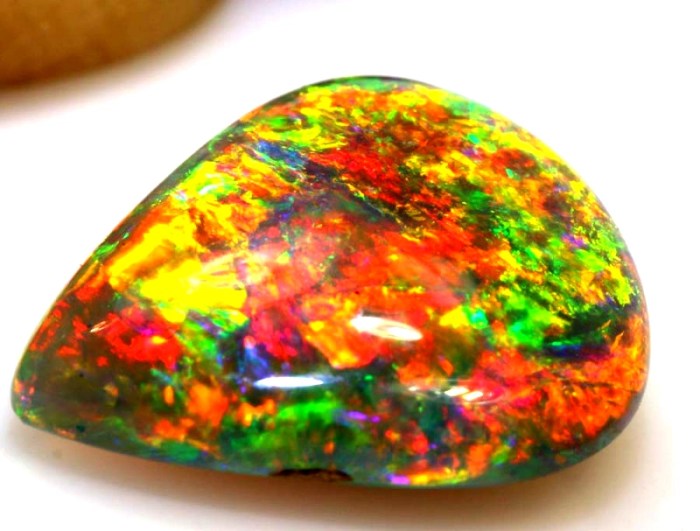
Historical & Cultural Significance of October Birthstones
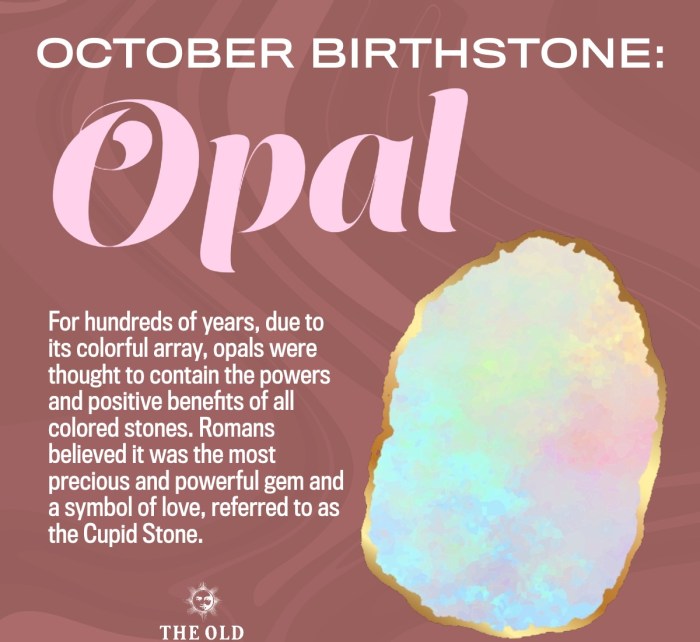
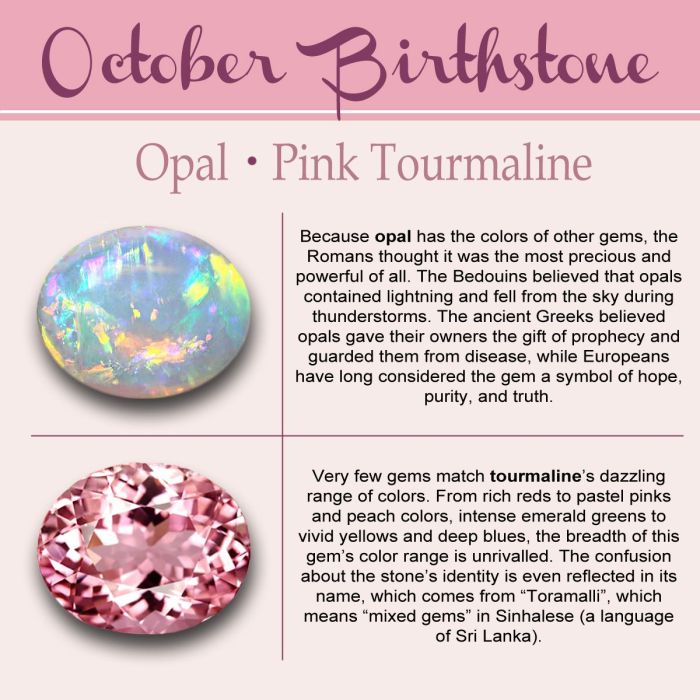
What is the official birthstone for October? There are two official semi-precious gemstones designated as October birthstones: opal and tourmalineBut why are there 2 birthstones for October? Well, there weren’t always two. The first birthstone lists had October’s birthstone as beryl (or aquamarine specifically) designated opal as the primary October birthstone and tourmaline as the alternative. In the 1950s, the Jewellery Industry naming specifically pink tourmaline as the October alternative.
Tourmaline’s Diverse Historical Connections
Tourmaline has a slightly shorter history than opal, but it’s equally fascinating the name for this October birthstone comes from the Singalese (Sri Lankan) word turmali, meaning “mixed gems.” Dutch merchants coined the name for colorful stones in Sri Lankan gem parcels. Dutch trading dates to at least the 1400s, if not earlier. Another historical discovery of tourmaline came in 1554. Spanish conquistador Francisco Spinoza found a green tourmaline in Brazil that he dubbed “Brazilian emerald.”.
Geological Marvel: The Formation of Opals and Tourmalines
Starting with opals, these gems are amorphous mineraloids, lacking crystalline structure. They’re composed of silica and varied water content. An opal forms when water containing dissolved silica settles into an area When the water evaporates, the gel solidifies into Opal. The gem can also form around fossils or wood. The October birthstone tourmaline forms somewhat similarly. In very deep, high-temperature hydrothermal deposits, tourmaline forms when water containing dissolved boron and silica settles into magma cracks. The magma gradually hardens into rock, the water evaporates, and the elements crystallize
Opal’s Playful Colors: Unveiling the Magic Within
The broadest opal categories are common opal vs. precious opal.
The opal October birthstone’s composition is made up of silica spheres surrounded by water. If the spheres are disorganized with uneven sizes, you get common opal. Uniformly sized and arranged spheres (like a Buckyball) results in precious opal.
Only “precious opal” displays play-of-color, where iridescent-like colors flash from its surface.
NOTE: Some gemologists use “play-of-color” synonymously with “opalescence.” Others define opalescence as the milky or near-pearly look of some common opals.
Different types of opals are mostly categorized by their body tone (background color), transparency, and play-of-color.
The main types of opal body tones are white opal, gray opal, and black opal. These are distinguished using a body tone chart.
Opals with other body colors include:
- Pink opal
- Blue opal
- Green opal
- Purple Morado opal
- Fire opal (red, orange, and/or yellow)
Colorless opal varieties include crystal opal, contraluz opal, and jelly opal. Hyalite opal can be colorless. Hydrophane opal turns transparent and colorless in water.
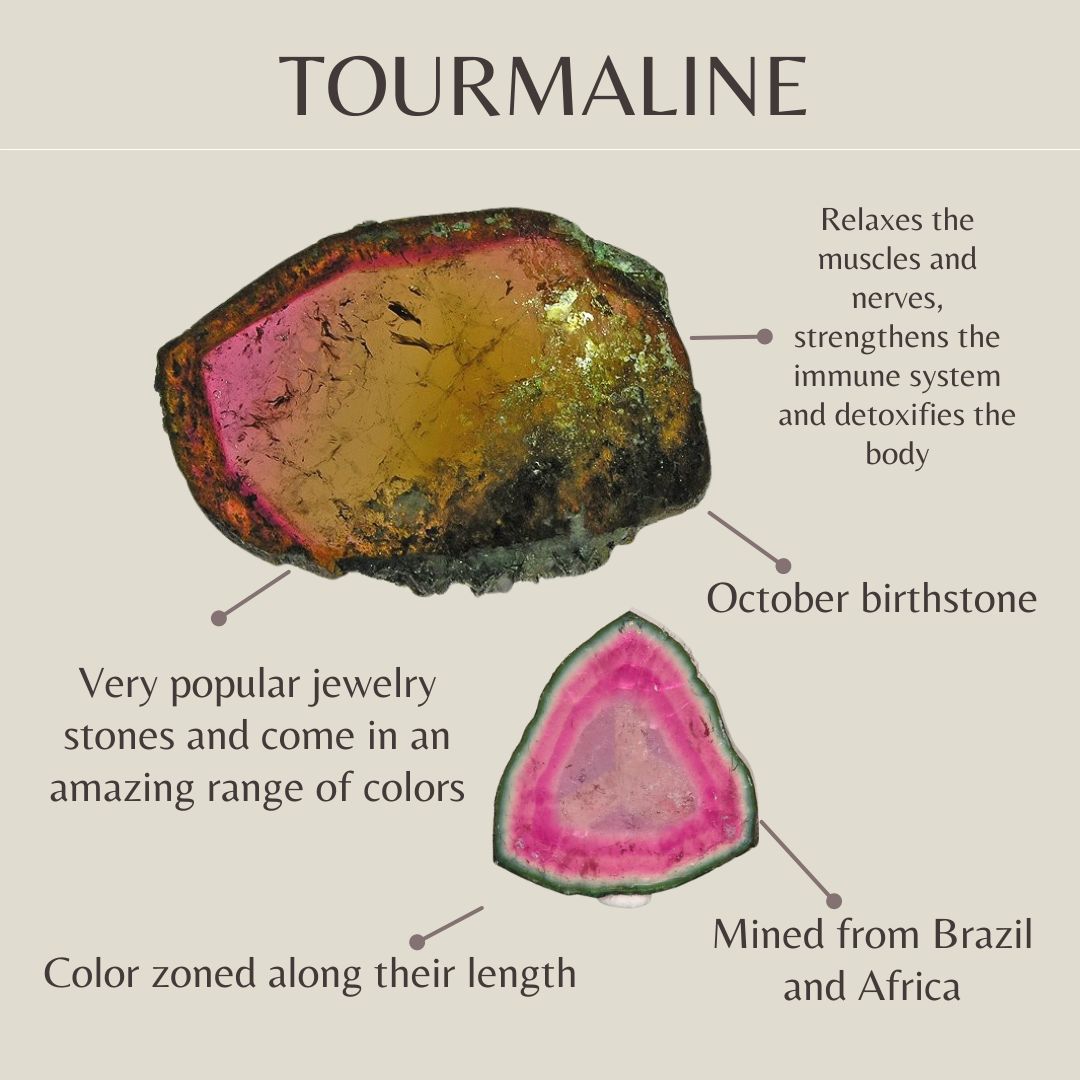
The Many Faces of Tourmaline
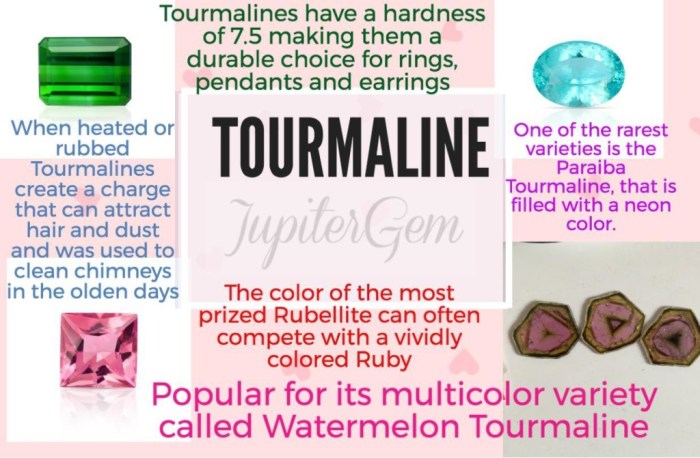
“Tourmaline” is actually a complex, varied group of over 30 minerals. The most common species are:
- Schorl: Most common species, around 95 percent of all natural tourmalines; Brown to black
- Dravite: Relatively common; Nicknamed “brown tourmaline” but can be other colors
- Elbaite: Most common gem-quality species, best-known, and most valuable; Can be virtually any color or multi-colored
Each species can produce varieties with different colors. The most commonly sold tourmaline varieties:
- Black Tourmaline: Only schorl variety; Most common tourmaline; Always opaque
- Chrome Tourmaline: Dravite; Rare vivid-green
- Indicolite: Elbaite; Predominantly blue
- Paraiba Tourmaline: Elbaite; Intensely saturated neon-blue to blue-green or violet
- Rubellite: Usually elbaite; Saturated pink to ruby-red variety, possible purple, brown, or orange undertones
- Verdelite: Elbaite; Green variety often called “Brazilian emerald” or “Ceylonese peridot”
- Watermelon Tourmaline: Elbaite; Bi-colored pink and green, typically with a pink center and green border, sometimes separated by a colorless layer
- Siberite: Elbaite, sometimes considered rubellite sub-type; Nicknamed “purple tourmaline” though it’s usually reddish-violet or violet-red

The pink tourmaline birthstone is an elbaite variety, often falling under rubellite or siberite. Multi-colored options include pink and green watermelon tourmaline and pink and orange “sunset tourmaline.” he rarest tourmaline variety is Paraíba tourmaline. Pure yellow, orange, blue, purple, or color-changing tourmalines are also rare.
Latest Update: 23rd May 2025. The website continues for the New and old Readers, Followers and Blogging Friends. Hope what I have written is useful that helps you to feel more Positive and Happier This is “The 267th Post” and with the “Introductory Page this will be all in Total up to date, 268 posts. On Top Right-Hand side, you are able to see: The word “Menu” when you click on it. You will see the word “Home” All the posts from “The Very Beginning comes ~ Under “Home”. Which is The Introductory Page about: Who I am & Why I am Writing!
The new Topics “On the Left-Hand side “Under the Recent Posts, with “The latest Topics adding up” Happy Reading ❤
The coloured Topics in Green, if you “Click” on them “Will take you to My other posts which you will be able to find more information”. I have another website with “My own little Poems and Pictures of some of My Hobbies” if you are interested on seeing, “What else I am doing” 🙂 you can have a look at :https://deepanilamani.com/
As always, it is all free”. You can share and pass it on also for others who can benefit from this post. I hope All those who Read will be able to make the maximum use of all these facts and make, “Your Lives More Healthy and able to Lead Better lives in Happiness and Peace”. I wish it to be so as,” Peace which is our Ultimate Goal in Life ❤
This site has been doing good, and I am so Happy. I have been getting, 🎉 Congrats! I am My Path is getting noticed. By 372 many other websites Thanking the I net for the Picture Quotes I have shared 🙂
Sending Love, Light and Healing Energies to All ❤
May God’s Blessings Be Upon You ❤
Deepa Nilamani ❤
Wishing Star ❤
 I am My Path!