
Hello to, My Dear Readers Followers abd Blogging Friends ❤
Well, we have come to the fourth month also in 2025 and have you felt three months passing by? I thought of writing some details about the Sinhalese and Tamil New Year New Year in April. The New Year’s celebration is all the more festive because it is observed by both Sinhala Buddhists and Tamil Hindus. The annual event is marked by religious ceremonies, family activities, traditional foods, colourful decorations and a general feeling of good will toward neighbours and friends. This important national festival, known as Avurudu in Sinhala and Puththandu in Tamil, is not celebrated in any other nation. It is unique to the people of Sri Lanka.
Sinhala Avurudu
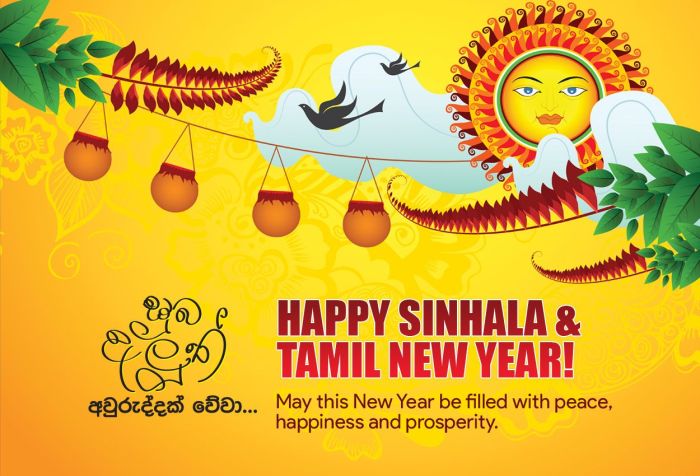
The Sinhala calendar indicates that Avurudu is to be celebrated when the sun, or Bak, reaches a given astronomical alignment. The term Bak is derived from the Sanskrit word bhagya, or fortunate. The word is most appropriate since Aluth Avurudda is primarily a harvest celebration, especially in agricultural communities. The Maha harvest provides an opportunity to give thanks and enjoy the fruit of the land.
There are many customs associated with Aluth Avurudda, including bathing and viewing the moon on the final day of the old year. The joyful sound of drums and bells can be heard coming from the village temple. Parents and elders are honoured with gifts of betel, the leaves of a local evergreen shrub that are traditionally presented as a sign of respect and gratitude. One unusual aspect of the Sinhala and Tamil New Year festival is a period of time between the old and new year known as the nonagathe. The people attend religious ceremonies and abstain from work during this neutral period of celebration. The neutral period is also known as the Punya Kalaya, meaning prior to Avurudu.

Avurudu is a time to express gratitude for the bounty of the old year and celebrate the dawning of a new year. Housewives spruce up their homes and traditional foods such as sweetmeats, kokis and aggala for example, are prepared in advance. Herbal baths are prepared by a village priest to anoint the males of the village for health and longevity. Another custom is to visit family and friends, honouring them with a sheaf of betel. The celebration is also highlighted by the playing of outdoor games, including olinda keliya and mevara, and celebrating the arrival of the Avurudu Kumaraya dressed in princely attire to symbolise the dawning of a new year.
Tamil Puththandu

The celebration of Puththandu features the traditional rituals and customs of the Tamil Hindus. The women clean their homes and prepare special foods for the occasion. Temple priests boil special herbs in clean water along with milk, saffron, flowers, leaves and other selected ingredients, known as Maruthu Neer, to anoint the heads of family members in preparation for a traditional ceremonial bath. New clothes and special colours help make the New Year celebration even more meaningful. Sweet rice cooked with jaggery, cashew nuts, ghee and plums, is lovingly prepared.
After cleaning and sprinkling the area in front of the house with saffron water and cow dung, special decorations are prepared. A special concoction called Pongal is prepared in a new pot and lamps are lit to celebrate the arrival of a new year. The head of the household leads the family in a ritual offering of specially selected foods to the Sun God and Lord Ganesh. The ceremonial sacrifice completes what is known as pooja. Incense is burned and the head of the family breaks a coconut as part of the annual ceremony. Finally, the children worship the family elders who then bless the children.
Tamil Hindus always visit the temple as part of the Puththandu festival. Alms are usually offered to the poorest members of the community. Family members receive money, betel leaves, flowers and best wishes for the new year from the head of the household, and ceremonial plowing of the land symbolises the anticipated harvest to come. Similarly, a businessman might open a new account and a teacher begins a new lesson to signify the abundance that the new year will bring.
Much like the Sinhala Buddhists, the Tamil Hindus emphasise the importance of family, friends and community during the New Year’s celebration. The customs and traditions associated with the celebration of Avurudu and Puththandu have been observed by the people of Sri Lanka for countless generations. The celebration promotes family unity and a spirit of gratitude and community in the villages, towns and cities of Sri Lanka.

Sinhala Avurudu
The Sinhala calendar indicates that Avurudu is to be celebrated when the sun, or Bak, reaches a given astronomical alignment. The term Bak is derived from the Sanskrit word bhagya, or fortunate. The word is most appropriate since Aluth Avurudda is primarily a harvest celebration, especially in agricultural communities. The Maha harvest provides an opportunity to give thanks and enjoy the fruit of the land.
There are many customs associated with Aluth Avurudda, including bathing and viewing the moon on the final day of the old year. The joyful sound of drums and bells can be heard coming from the village temple. Parents and elders are honoured with gifts of betel, the leaves of a local evergreen shrub that are traditionally presented as a sign of respect and gratitude. One unusual aspect of the Sinhala and Tamil New Year festival is a period of time between the old and new year known as the nonagathe. The people attend religious ceremonies and abstain from work during this neutral period of celebration. The neutral period is also known as the Punya Kalaya, meaning prior to Avurudu.
Avurudu is a time to express gratitude for the bounty of the old year and celebrate the dawning of a new year. Housewives spruce up their homes and traditional foods such as sweetmeats, kokis and aggala for example, are prepared in advance. Herbal baths are prepared by a village priest to anoint the males of the village for health and longevity. Another custom is to visit family and friends, honouring them with a sheaf of betel. The celebration is also highlighted by the playing of outdoor games, including olinda keliya and mevara, and celebrating the arrival of the Avurudu Kumaraya dressed in princely attire to symbolise the dawning of a new year.

Tamil Puththandu
The celebration of Puththandu features the traditional rituals and customs of the Tamil Hindus. The women clean their homes and prepare special foods for the occasion. Temple priests boil special herbs in clean water along with milk, saffron, flowers, leaves and other selected ingredients, known as Maruthu Neer, to anoint the heads of family members in preparation for a traditional ceremonial bath. New clothes and special colours help make the New Year celebration even more meaningful. Sweet rice cooked with jaggery, cashew nuts, ghee and plums, is lovingly prepared.
After cleaning and sprinkling the area in front of the house with saffron water and cow dung, special decorations are prepared. A special concoction called Pongal is prepared in a new pot and lamps are lit to celebrate the arrival of a new year. The head of the household leads the family in a ritual offering of specially selected foods to the Sun God and Lord Ganesh. The ceremonial sacrifice completes what is known as pooja. Incense is burned and the head of the family breaks a coconut as part of the annual ceremony. Finally, the children worship the family elders who then bless the children.

Tamil Hindus always visit the temple as part of the Puththandu festival. Alms are usually offered to the poorest members of the community. Family members receive money, betel leaves, flowers and best wishes for the new year from the head of the household, and ceremonial plowing of the land symbolises the anticipated harvest to come. Similarly, a businessman might open a new account and a teacher begins a new lesson to signify the abundance that the new year will bring.
Much like the Sinhala Buddhists, the Tamil Hindus emphasise the importance of family, friends and community during the New Year’s celebration. The customs and traditions associated with the celebration of Avurudu and Puththandu have been observed by the people of Sri Lanka for countless generations. The celebration promotes family unity and a spirit of gratitude and community in the villages, towns and cities of Sri Lanka.

Tamil New Year 2025 Date
In 2025, Tamil New Year or Puthandu will be celebrated on Monday, April 14, 2025. It marks the first day of the Tamil month Chithirai, and is observed with great enthusiasm in Tamil Nadu and among Tamil communities globally—especially in Sri Lanka, Malaysia, Singapore, and Mauritius.
Theme of Tamil New Year 2025
While the festival doesn’t have an official theme each year, Tamil New Year 2025 focuses on:
– Fresh beginnings
– Hope and prosperity
– Cultural pride and family bonding
The symbolic elements of the festival—from kolams and new clothes to neem flowers and mangoes—represent cleansing, abundance, and mental strength.

History and Origin of Tamil New Year
The Tamil calendar, known as the ‘Tamil Panchangam,’ is a solar calendar that starts in mid-April. Tamil New Year or Puthandu has been celebrated for centuries, dating back to the Sangam period. Ancient Tamil texts refer to Chithirai as the first month of the year.
The day is also believed to be when Lord Brahma began creation, according to Hindu mythology. This makes it a sacred and auspicious occasion for Tamils across faiths and regions.
Significance of Puthandu / Tamil New Year
1. Astrological New Year: Marks the Sun’s transition into the Aries zodiac sign (Mesha Rashi), beginning a new astrological cycle.
2. Harvest Connection: Closely associated with the agricultural lifestyle of Tamil Nadu, as it falls just after harvest season.
3. Spiritual Cleansing: New clothes, house cleaning, and offering prayers symbolize renewal and letting go of the past.4. Family and Tradition: It strengthens family bonds, promotes gratitude, and reflects Tamil heritage through food, rituals, and stories.
How Tamil New Year 2025 is Celebrated
1. Kanni (Auspicious Sight)
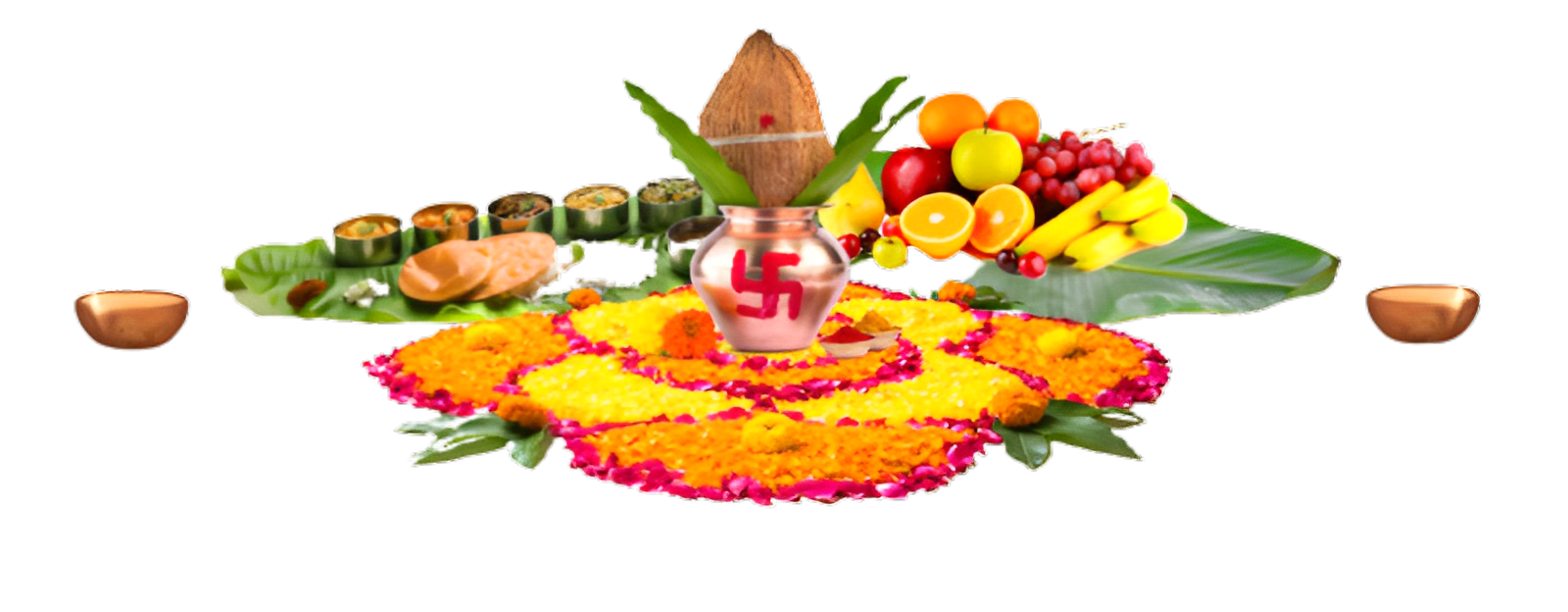
The day begins with viewing the ‘Kanni’—a carefully arranged tray of items like fruits, flowers, gold, silver, betel leaves, a mirror, and traditional sweets. It’s believed that viewing this first thing brings good fortune.
2. Temple Visits and Prayers
Families visit temples to seek blessings from Lord Vishnu, Murugan, or Ganesha. Many people perform Puja at home, reading the Panchangam (almanac) to hear predictions for the year.
3. Kolams and Decorations
Homes are decorated with colourful Kolams (rangolis), flowers, and mango leaf torans. It symbolizes inviting positivity into the house.
4. New Clothes and Gifts
People wear new traditional attire and elders give gifts or “Kaineettam” (money) to younger family members.
5. Special Tamil New Year Feast
A grand meal is prepared featuring sweet, sour, bitter, and spicy dishes—representing all flavors of life. Notable dishes include:
– Mango Pachadi (includes neem flowers)
– Sambar
– Payasam
– Vadai
– Thayir Sadam (curd rice)
The Mango-Neem Pachadi stands out as it combines all six tastes (arusuvai) and symbolizes that life is a mix of emotions.
Tamil New Year Around the World
Tamil communities across the globe celebrate with cultural programs, traditional music and dance, temple functions, and community feasts. In Sri Lanka, the Tamil and Sinhala New Year often coincide, marking a national holiday.
Tamil New Year 2025 is a reminder that every ending brings a fresh start. It is a day filled with rituals that honor the past and embrace the future with joy, hope, and resilience. Whether you’re in Tamil Nadu or part of the global Tamil diaspora, this day is about togetherness, tradition, and the timeless beauty of Tamil culture.

Well, I hope you have got a very good idea of the Birthstone in April. Done a quite a bit of references also and I also learnt new facts in the process Being “Aprill Birthstone 🙂
Latest Update: 15th of April 2025. The website continues for the New and old Readers, Followers and Blogging Friends. Hope what I have written is useful that helps you to feel more Positive and Happier This is “The 270th th Post” and with the “Introductory Page this will be all in Total up to date, 271 posts. On Top Right-Hand side, you are able to see: The word “Menu” when you click on it. You will see the word “Home” All the posts from “The Very Beginning comes ~ Under “Home”. Which is The Introductory Page about: Who I am & Why I am Writing!
The new Topics “On the Left-Hand side “Under the Recent Posts, with “The latest Topics adding up” Happy Reading ❤
The coloured Topics in Green, if you “Click” on them “Will take you to My other posts which you will be able to find more information”. I have another website with “My own little Poems and Pictures of some of My Hobbies” if you are interested on seeing, “What else I am doing” 🙂 you can have a look at :https://deepanilamani.com/
As always, it is all free”. You can share and pass it on also for others who can benefit from this post. I hope All those who Read will be able to make the maximum use of all these facts and make, “Your Lives More Healthy and able to Lead Better lives in Happiness and Peace”. I wish it to be so as,” Peace which is our Ultimate Goal in Life ❤
This site has been doing good, and I am so Happy. I have been getting, 🎉 Congrats! I am My Path is getting noticed. By 370 many other websites Thanking the I net for the Picture Quotes I have shared 🙂
Many Blessings for Good Health, Happiness and Prosperity! ❤
May God’s Blessings Be Upon You ❤
Deepa Nilamani 🙂
 I am My Path!
You must be logged in to post a comment.