
Hello to, All My Dear Readers, Followers and My Blogging Friends ❤
Hope All of You are keeping in Good Health as possible. And Positive and Motivated. Taking after PURPOSE IN LIFE my students are very keen and interested studying. They want to study PSYCHOLOGY I am flattered and so HAPPY. And posted as unlike simple articles a very Advanced Topics. And now a simple post about the Values of Beetroot and then Carrot and then Potatoes to cover the Root Vegetables. The list is becoming longer now some want to know about Salads 🙂
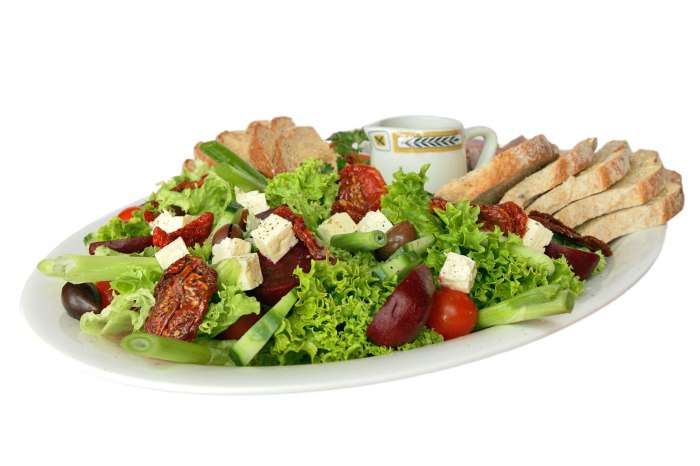
A garden salad platter served with bread and dressing on the side, consisting of lettuce, beetroot, cucumber, scallions, cherry tomatoes, olives, sun-dried tomatoes, and feta cheese.
A salad is a dish consisting of mixed ingredients, frequently vegetables. They are typically served chilled or at room temperature, though some can be served warm. Condiments called salad dressings, which exist in a variety of flavors, are usually used to make a salad.
Garden salads have a base of raw leafy greens (sometimes young “baby” greens) such as lettuce, arugula (rocket), kale or spinach; they are common enough that the word salad alone often refers specifically to garden salads. Other types of salad include bean salad, tuna salad, bread salads (such as fattoush, panzanella), vegetable salads without leafy greens (such as Greek salad, potato salad, coleslaw), rice-, pasta– and noodle-based salads, fruit salads and dessert salads.
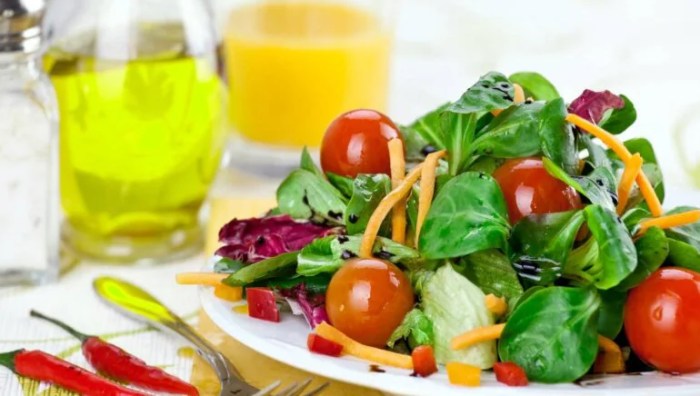
Salads may be served at any point during a meal:
- Appetizer salads – light, smaller-portion salads served as the first course of the meal
- Side salads – to accompany the main course as a side dish; examples include potato salad and coleslaw
- Main course salads – usually containing a portion of one or more high-protein foods, such as eggs, legumes, or cheese
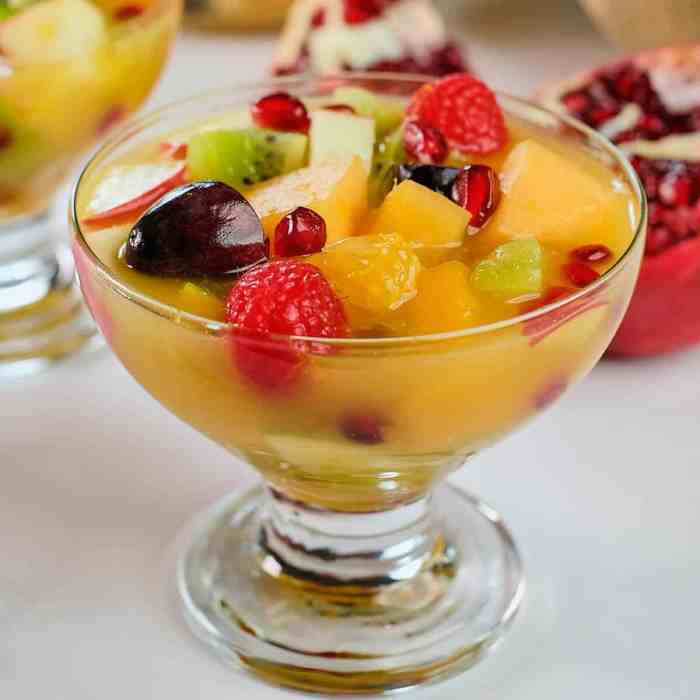
- Dessert salads – sweet salads containing fruit, gelatin, sweeteners or whipped cream
When a sauce is used to flavor a salad, it is generally called a dressing; most salad dressings are based on either a mixture of oil and vinegar or a creamy dairy base.
Types
Main article: List of salads
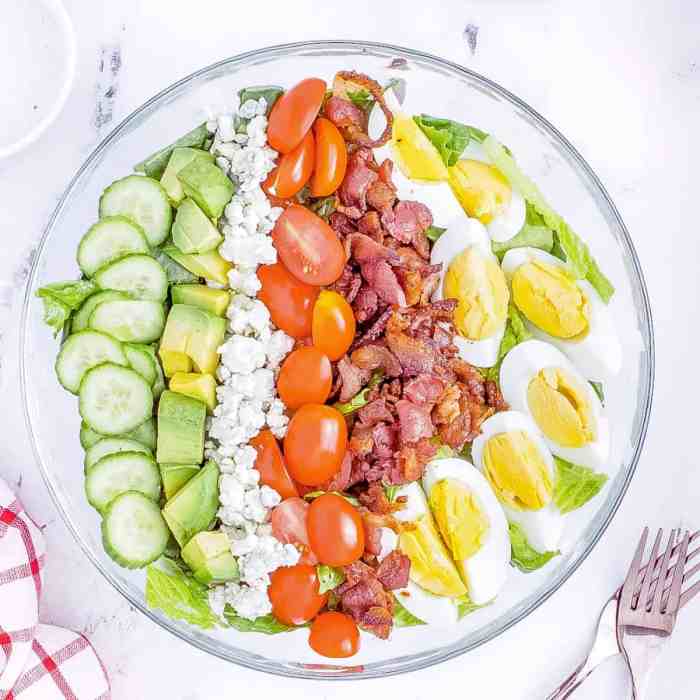
A salad can be a composed salad (with the ingredients specifically arranged on the serving dish) or a tossed salad (with the ingredients placed in a bowl and mixed, often with salad dressing). An antipasto plate, the first dish of a formal Italian meal, is similar to a composed salad, and has vegetables, cheese, and meat.[citation needed]
Green salad
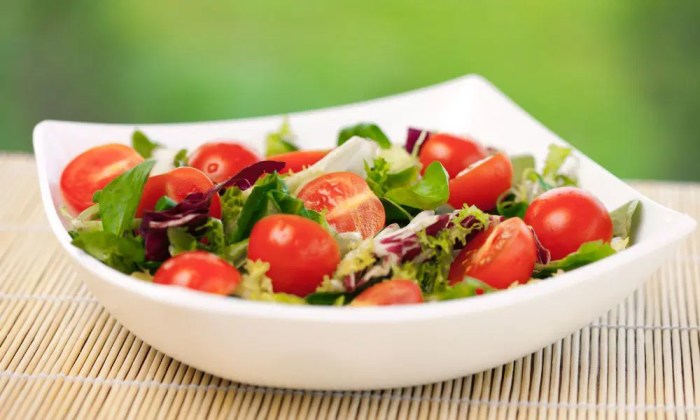
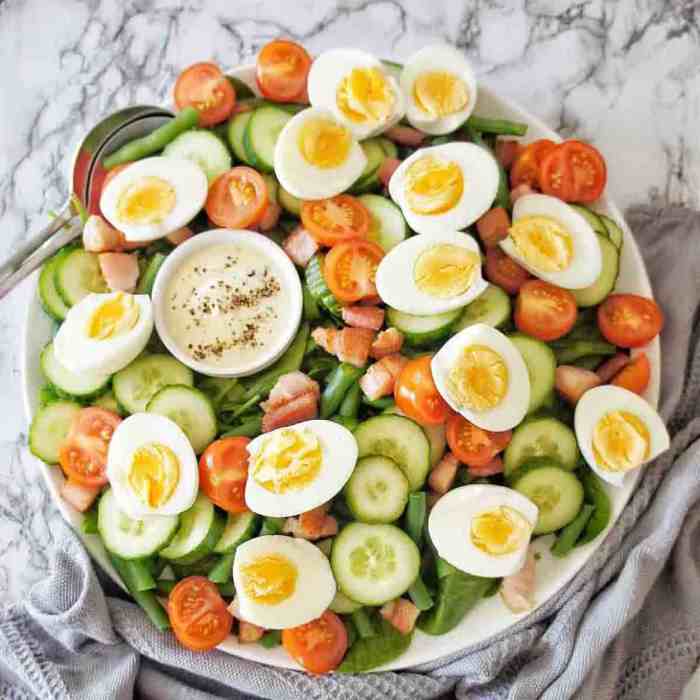
A green salad, or green leaf salad, another name for garden salad, is most often composed of leafy vegetables such as lettuce varieties, spinach, or rocket (arugula). If non-greens make up a large portion of the salad it may instead be called a vegetable salad. Common raw vegetables (in the culinary sense) used in a salad include cucumbers, peppers, tomatoes, onions, carrots, celery, radishes, mushrooms, avocado, olives, artichoke hearts, heart of palm, watercress, parsley, fennel, garden beets, and green beans. Nuts, berries, seeds, lentils, and flowers are less common components. Hard-boiled eggs, bacon, shrimp, and cheeses may be used as garnishes, but large amounts of animal-based foods would be more likely in a dinner salad.[citation needed]
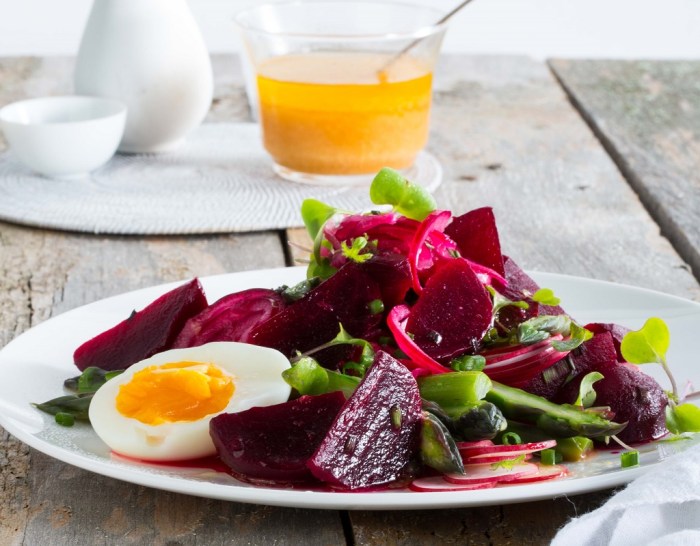
Hard-boiled eggs, bacon, shrimp, and cheeses may be used as garnishes, but large amounts of animal-based foods would be more likely in a dinner salad.
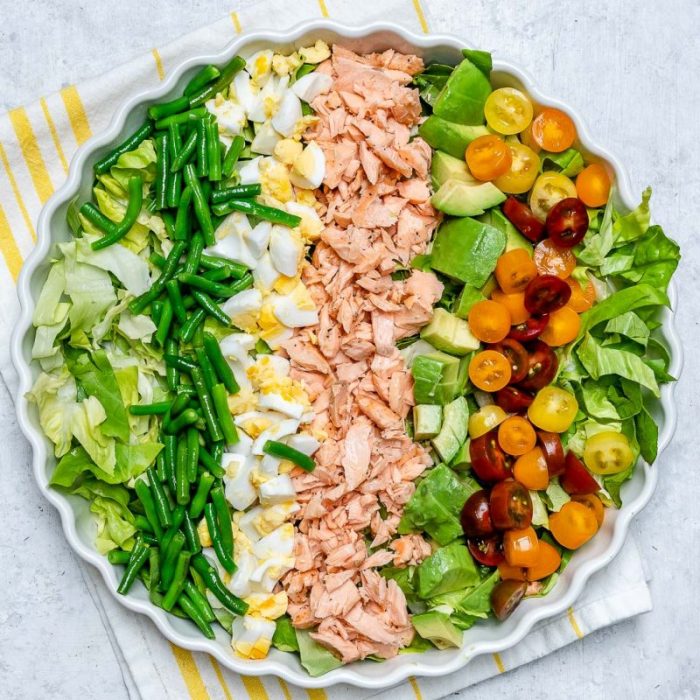
tuna salad large amounts of animal-based foods would be more likely in a dinner salad.
Types
Main article: List of salads
A salad can be a composed salad (with the ingredients specifically arranged on the serving dish) or a tossed salad (with the ingredients placed in a bowl and mixed, often with salad dressing). An antipasto plate, the first dish of a formal Italian meal, is similar to a composed salad, and has vegetables, cheese, and meat.
Green salad
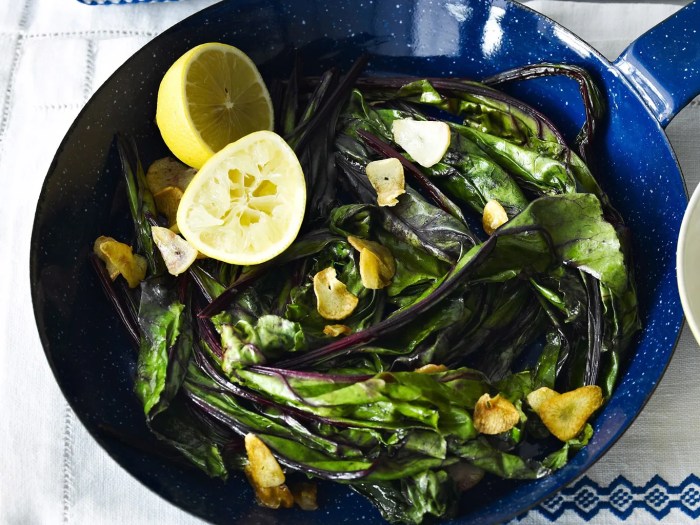
A green salad, or green leaf salad, another name for garden salad, is most often composed of leafy vegetables such as lettuce varieties, spinach, or rocket (arugula). If non-greens make up a large portion of the salad it may instead be called a vegetable salad. Common raw vegetables (in the culinary sense) used in a salad include cucumbers, peppers, tomatoes, onions, carrots, celery, radishes, mushrooms, avocado, olives, artichoke hearts, heart of palm, watercress, parsley, fennel, garden beets, and green beans. Nuts, berries, seeds, lentils, and flowers are less common components. Hard-boiled eggs, bacon, shrimp, and cheeses may be used as garnishes, but large amounts of animal-based foods would be more likely in a dinner salad.
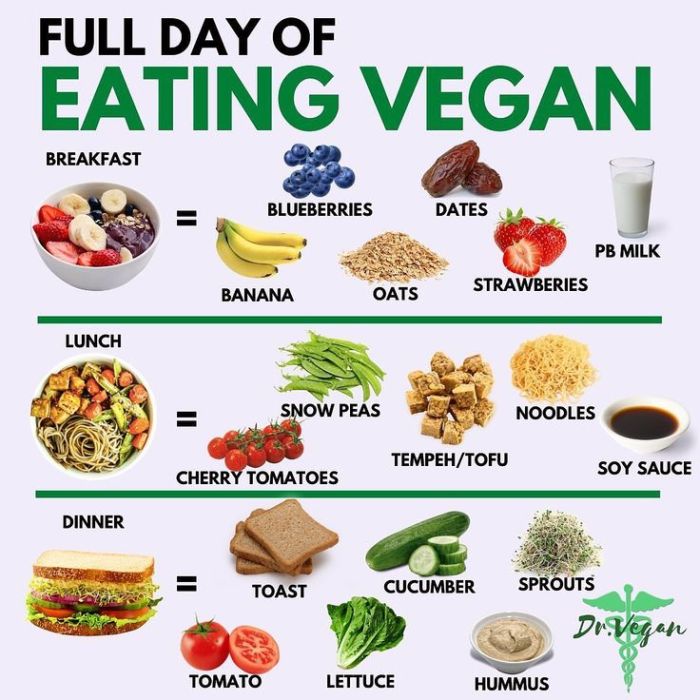
Vegan is short for Vegetarian. You can see what they are below This is purely a Vegetarian salad you dont have to follow just put some fruits and vegetables 🙂
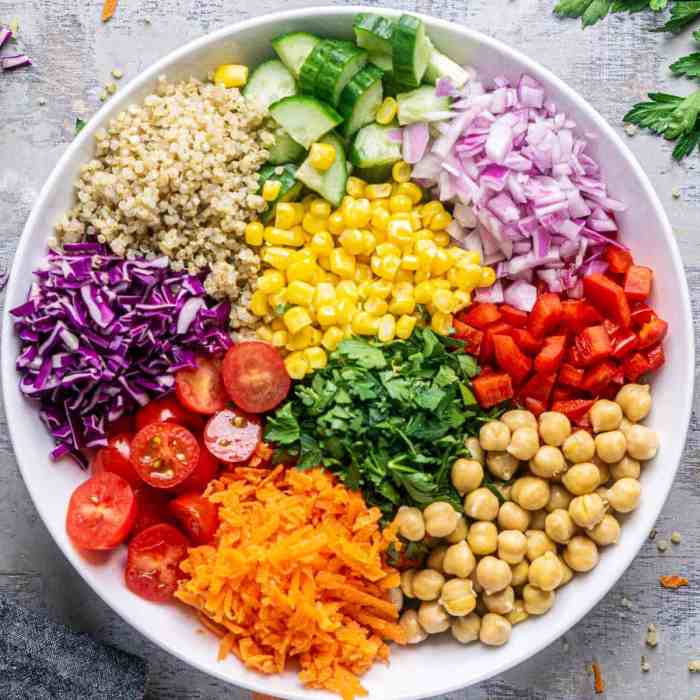
This is purely a Vegetarian salad
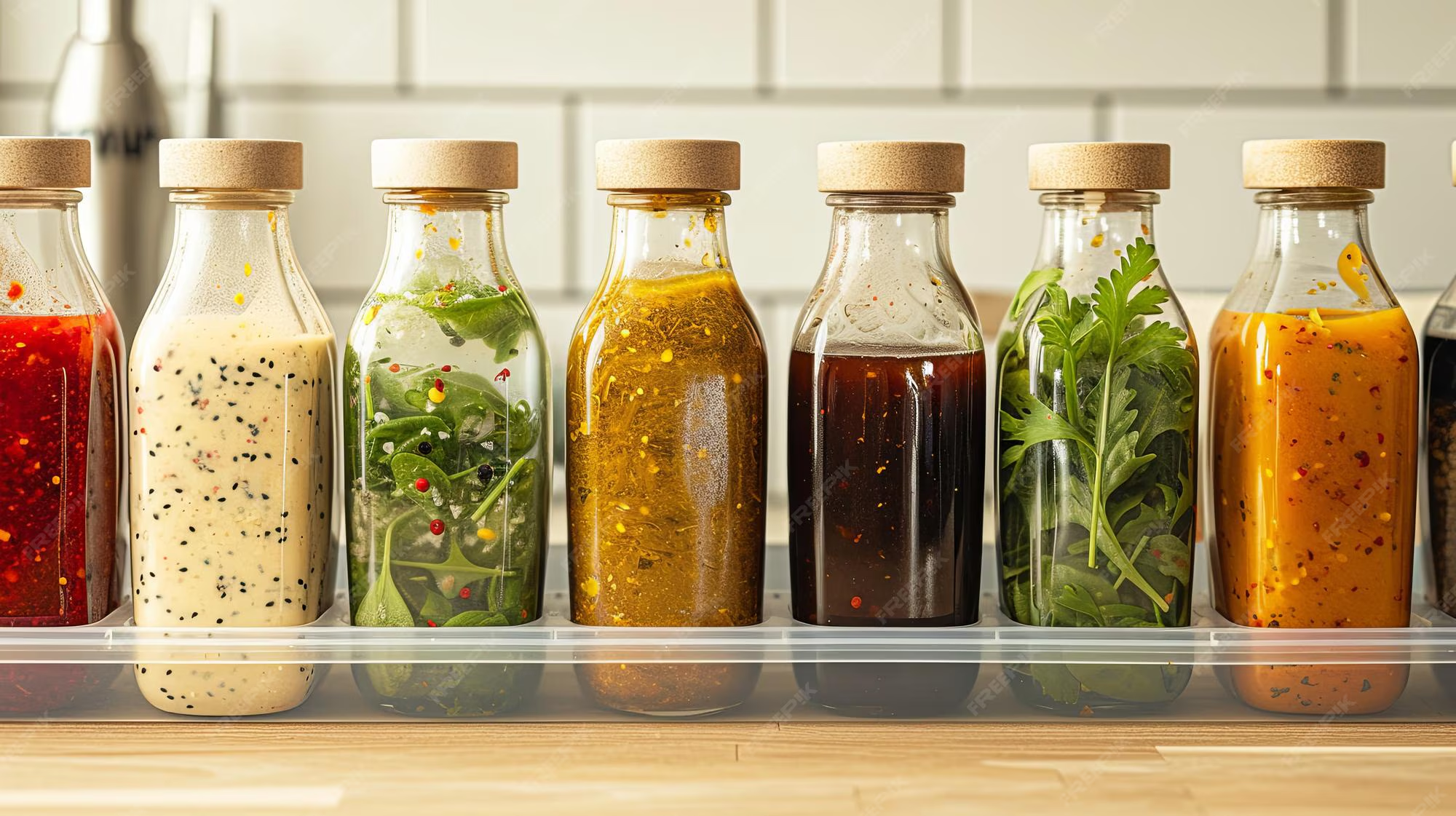
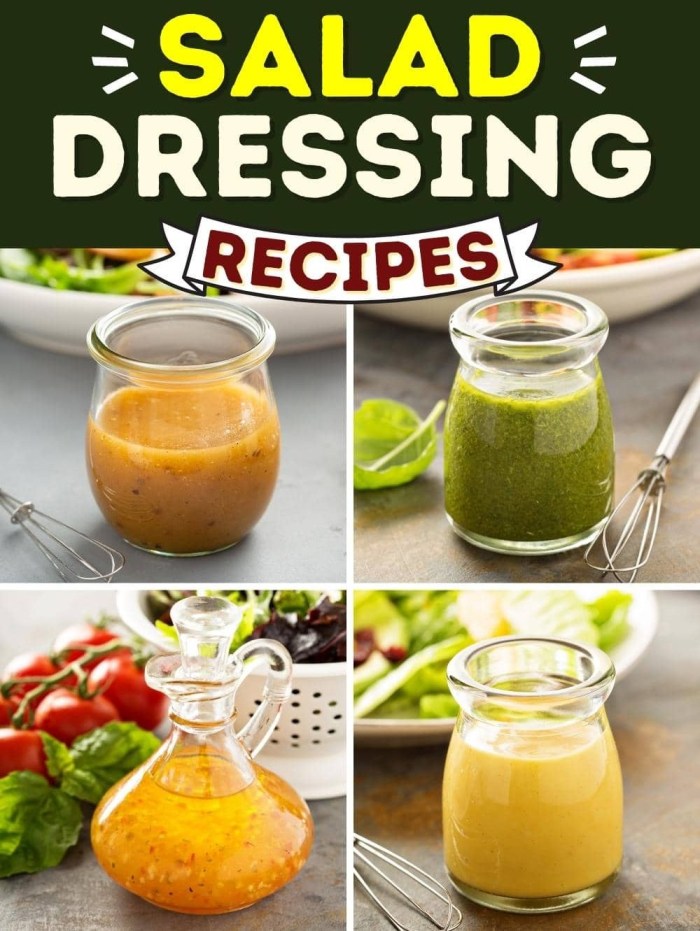
How to Make Salad Dressing
Dried vs Fresh: For herbs, garlic, and ginger, dry and fresh are interchangeable; just season to taste. You will need less of the dried versions than if the recipe calls for fresh.
Use Simple Tools: One of the reasons it’s so quick to make homemade salad dressing is because it can be made with 2 tools — a bowl and a whisk! I like to make it ahead for the week so I will double or even triple the recipes, but just using a whisk and a bowl will have it prepped in no time. (Or you can use a jar with a tight-fitting lid, like a mason jar, and shake it.
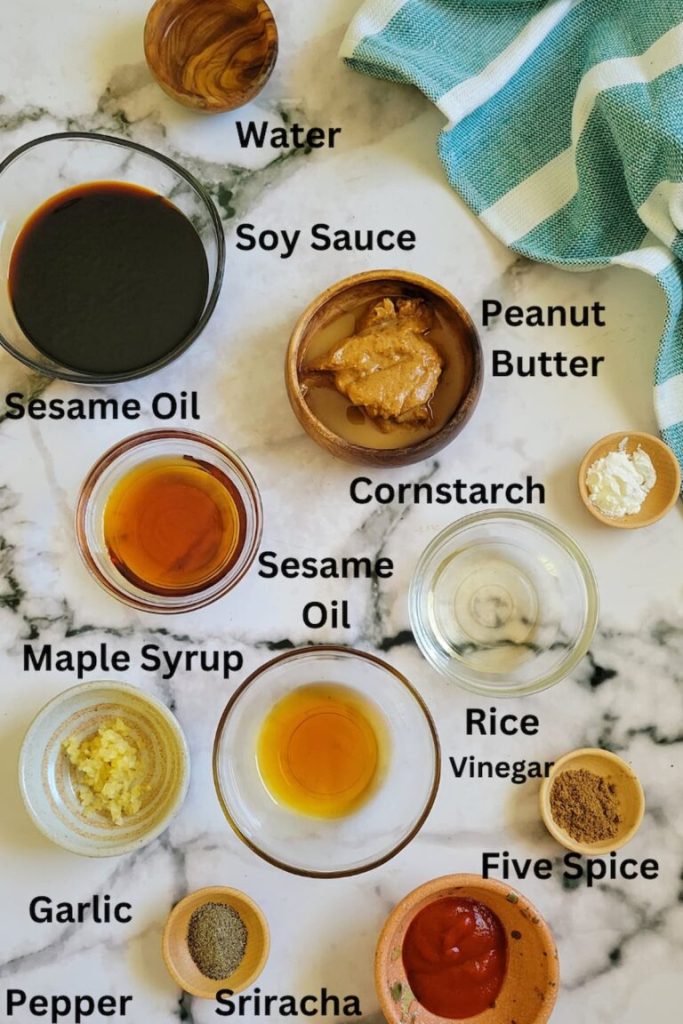
Recipe Ingredients & Substitutions
These simple salad dressing recipes can all be made at any time by keeping these staples on hand! Seriously, you’ll never add the words “salad dressing” to your grocery list again.
Pro Tip: For herbs, garlic, and ginger, dry and fresh are interchangeable; just season to taste. You will need less of the dried versions than if the recipe calls for fresh. A quick and easy way to get a new flavor is to use fresh garlic or fresh herbs!
Herbs & Seasonings
- Salt
- Black pepper
- Garlic powder
- Parsley
- Chives
- Dill weed
- Italian seasoning
Vinegars & Juices
- Red wine vinegar
- White vinegar
- Apple cider vinegar
- Rice vinegar
- Lemon juice
- Lime juice
Oils & Emulsions
- Olive oil
- Sesame oil
- Vegetable oil (or other neutral oil
- Peanut butter
- Dijon mustard
Other Flavorings
- Garlic
- Honey
- Poppy seeds
- Ginger
- Soy sauce
- Hot sauce
- Honey Mustard Salad Dressing
- Whisk 2 tablespoons each of honey, Dijon mustard, and white vinegar and 1/2 teaspoon kosher salt and pepper to taste. Gradually whisk in 1/4 cup olive oil.
Love it tangy? Add more vinegar. Prefer it creamy? Increase the oil or add cheese. Making your own means you can adjust every flavor to match your preferences!
How long does homemade salad dressing last?
What does the Dijon mustard do in salad dressings?
The Dijon mustard in these is a must because it acts as an emulsifier between the vinegar and the oils. Whisk up the mustard/vinegar/whatever else and then slowly add the oil while you are whisking. This will help the oil to not separate out of the dressing.
What do you store homemade salad dressing in?
The dressings store well in wide-mouth half-pint mason jars. These lids are also really nice to have on hand! Each recipe only makes about a cup, which is a great size to keep for a week.
Dessert salads
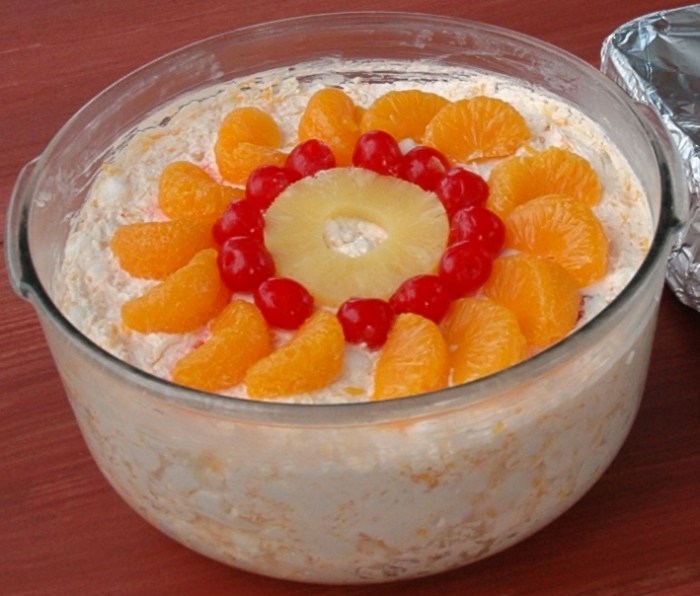
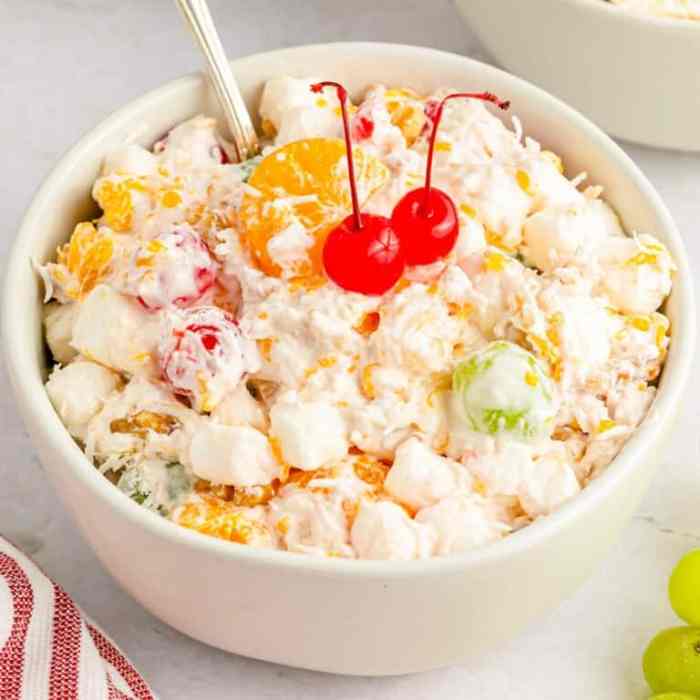
The term “dessert” originated from the French word desservir, meaning “to clear the table”, and it referred to the final course of the meal, presented after the table was “cleared” Dessert salads rarely include leafy greens and are often sweet. Common variants are made with gelatin or whipped cream; e.g. Jello salad, pistachio salad, and ambrosia. Other forms of dessert salads include regional dishes such as Midwestern America’s ambrosia-like glorified rice and cookie salad, which contains crumbled cookies as an ingredient.
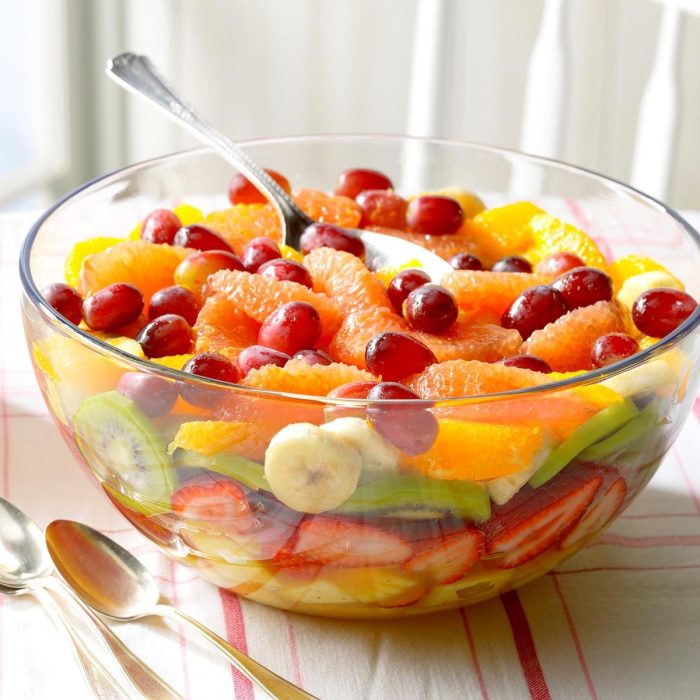
Dessert is a course that concludes a meal; the course consists of sweet foods, such as cake, biscuit, ice cream, and possibly a beverage, such as dessert wine or liqueur. Some cultures sweeten foods that are more commonly savory to create desserts. In some parts of the world, there is no tradition of a dessert course to conclude a meal.
Historically, the dessert course consisted entirely of foods including fresh, stewed, preserved, and dried fruits; nuts; cheese and other dairy dishes; dry biscuits (cookies) and wafers; and ices and ice creams. Sweet dishes from the kitchen, such as freshly prepared pastries, meringues, custards, puddings, and baked fruits, were served.
The modern term dessert can apply to many sweets, including fruit, custards, gelatins, puddings, biscuits, cookies, macaroons, pastries, pies, tarts, cakes, ice creams, and sweet soups.
weet desserts usually contain cane sugar, palm sugar, brown sugar, honey, or some types of syrup such as molasses, maple syrup, treacle, or corn syrup. Other common ingredients in Western-style desserts are flour or other starches, cooking fats such as butter or lard, dairy, eggs, salt, acidic ingredients such as lemon juice, and spices and other flavoring agents such as chocolate, coffee, peanut butter, fruits, and nuts. The proportions of these ingredients, along with the preparation methods, play a major part in the consistency, texture, and flavor of the end product.
Sugars contribute moisture and tenderness to baked goods. Flour or starch components serves as a protein and gives the dessert structure. Fats contribute moisture and can enable the development of flaky layers in pastries and pie crusts. The dairy products in baked goods keep the desserts moist. Many desserts also contain eggs, in order to form custard or to aid in the rising and thickening of a cake-like substance. Egg yolks specifically contribute to the richness of desserts. Egg whites can act as a leavening agent or provide structure. Further innovation in the healthy eating movement has led to more information being available about vegan and gluten-free substitutes for the standard ingredients, as well as replacements for refined sugar.
Desserts can contain many spices and extracts to add a variety of flavors. Salt and acids are added to desserts to balance sweet flavors and create a contrast in flavors. Some desserts are coffee-flavored, for example an iced coffee soufflé or coffee biscuits.
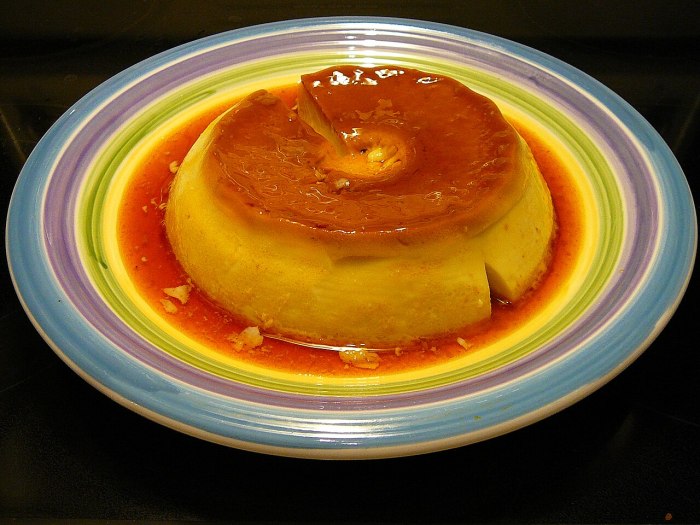
Custard is a variety of culinary preparations based on sweetened milk, cheese, or cream cooked with egg or egg yolk to thicken it, and sometimes also flour, corn starch, or gelatin. Depending on the recipe, custard may vary in consistency from a thin pouring sauce (crème anglaise) to the thick pastry cream (crème pâtissière) used to fill éclairs. The most common custards are used in custard desserts or dessert sauces and typically include sugar and vanilla; however, savory custards are also found, e.g., in quiche.
Latest Update: Today is 14th of September 2025: This is “The 305Post” and with the “Introductory Page this will be all in Total up to date, 306 posts.
Take Home Message
We all have the capacity to adapt and to achieve our personal expectations. we raise the bar in relation to our own potential and push ourselves to achieve Higher things. The therapeutic alliance has been shown to affect treatment outcomes across a range of conditions, therapeutic modalities, and contexts. In other words, a greater sense of social connectedness rooted in caring for others, connecting with the community, and finding a sense of purpose is linked to improved mental health and well-being. Lots of picture Quotes about lot of things you can do. Happy Reading
I hope what I have written and The Knowledge will be Useful and You have learnt new facts. And also You will be able to Enjoy going through The Picture Quotes as I have done quite bit of Making them more colourful and Attractive I am in Good Health and as, “I have been able to, “Receive Healing Energy into My Hands” since “Beginning of 2016” All my Hard work and Praying has been rewarded. Healing Energy can go to others too, and wherever it is needed to be received with a Clear Mind and Lot of Loving Kindness ❤
On Top Right Hand side you are able to see: The word “Menu” when you click on it, you will see the word “Home” All the posts from “The Very Beginning comes ~ Under “Home”. Which is The Introductory Page about: Who I am & Why I am Writing
The old Topics are, “On the Left-Hand side “Under the, “Recent Posts” with “The New Topics adding up. You can “Click and see all The older Topics” “Under “Archives” and “Under Categories”!
I am still “My Healthy self” and Writing “My Own Journey on Wellness and Healing”. So that Everyone can have “Faith, Hope and to Heal” To Lead a Better Life of Good Health, Happiness and Joy”. If you click on the Link You can Read This Post: The Therapists Voice Forward!
The Topics in Green, if you “Click” on them “Will take you to My other different posts which you will be able to find more information and even Pronunciation”. I have another website with “My own little Poems and Pictures of some of My Hobbies” if you are interested on seeing, “What else I am doing” during my spare time you can have a look at :https://deepanilamani.com/
It is all free”. You can share and pass it on also for others who can benefit from this post. I hope All those who Read will be able to make the maximum use of all what I post and write to make, “Your Lives More Healthy and able to Lead Better lives in Happiness and Peace”. I wish it to be so as,” Peace which is our Ultimate Goal in Life ❤
Sending Many Blessings of Love, Light and Healing Energies to You ❤
May God’s Blessing Be Upon You ❤
Deepa Nilamani ❤
 I am My Path!
You must be logged in to post a comment.