Writing!

Hello To, All My Dear Readers, Followers and Blogging Friends ❤

Hope All of You are keeping well and Happy. As usual I am keeping in Good Health and moving forward doing my usual, activities. I thought of Writing an article on Publishing as I am an Author and also a Publisher. After writing from 2015 to 2025 I have written 318 posts up to now! That I decided to write some of the old articles with added knowledge and the changes The world has gone through!


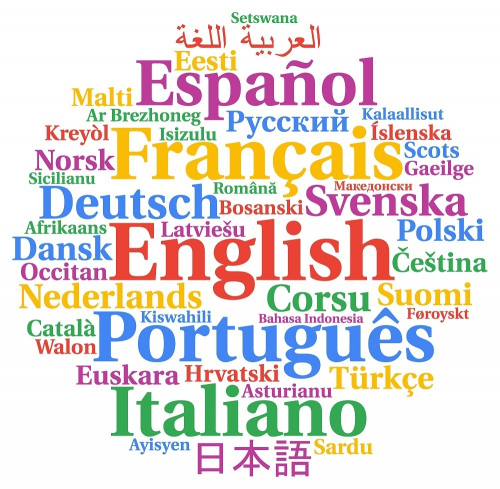
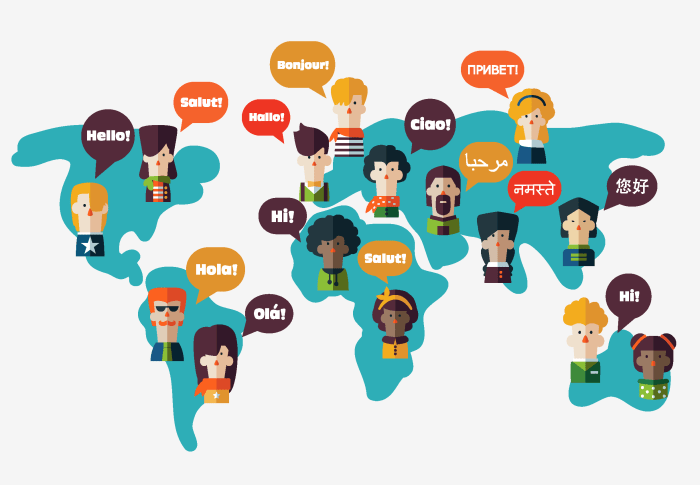
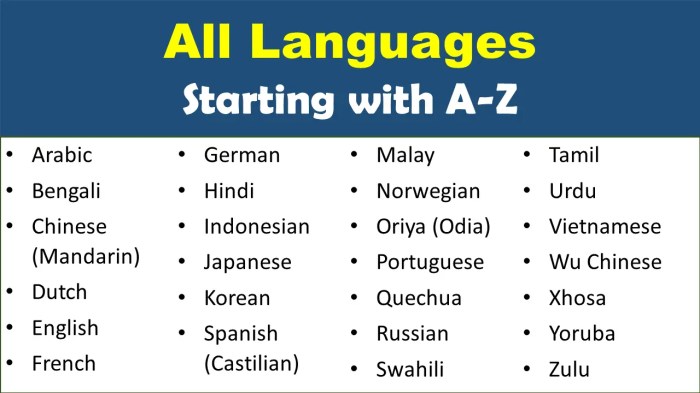
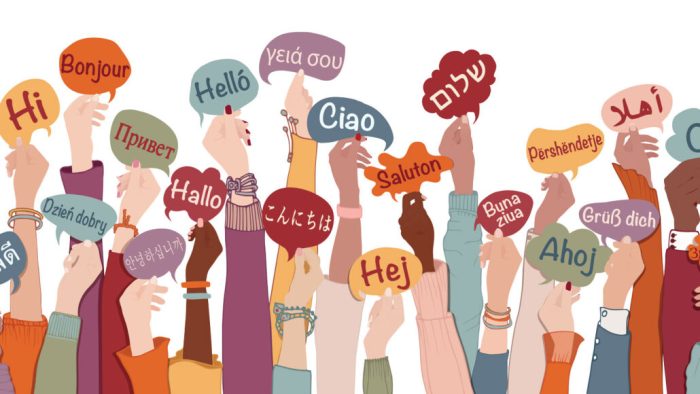
Writing is the act of creating a persistent representation of language. A writing system includes a particular set of symbols called a script, as well as the rules by which they encode a particular spoken language. Every written language arises from a corresponding spoken language; while the use of language is universal across societies, most spoken languages are not written. Writing is a cognitive and social activity involving physical processes. The outcome of this activity, also called writing (or a text) is a series of physicallymechanically transferred, or digitally represented symbols. Reading is the corresponding process of interpreting a written text, with the interpreter referred to as a reader.

In general, writing systems do not constitute languages in and of themselves, but rather a means of making it simple language such that it can be read by others across time and space. While not all languages use a writing system, those that do can complement and extend the capacities of spoken language by creating durable forms of language that can be transmitted (taken) across space (written correspondence) and stored over time (libraries). Writing can also impact what knowledge people acquire, since it allows them to change their thinking in forms that are easier to reflect on, elaborate (describe) on, reconsider, and revise.

Motivations and purposes

Historically, writing emerged to address the needs of societies growing in economic and social complexity. Once developed, potential applications included tracking produce and other wealth, recording history, maintaining culture, as well as lists of texts deemed to contain foundational knowledge or artistic value (literary). Aids to keep records, contractsdeeds of ownership, taxationtrade agreements,, the “marking of signs on stones, clay, paper, and now digital memories—each more portable and rapidly traveling than the previous (before) provided means for increasingly coordinated and extended action as well as memory across larger groups of people over time and space. Further innovations included more uniform, predictable, and widely dispersed legal systems, the distribution of accessible versions of texts, and furthering practices of scientific inquiry and knowledge management, all of which were largely on portable and easily reproducible forms of inscribed language. The history of writing is co-extensive with uses of writing activity systems that give rise to writing.

Individual motivations for writing include the ability to operate beyond the limitations of one’s own memor o listsrecipes, reminders, logbooksmaps, directions for complicated tasks or rituals), dissemination of ideas and coordination (essays, plans,), creativity and storytelling, maintaining other social networks, business correspondence regarding goods and services, and life writing (a diary or journal).The global spread of digital communication systems such as email and social media has made writing an increasingly important feature of daily life, where these systems mix with older technologies like paper, pencils, whiteboards, printers, and copiers. Substantial amounts of everyday writing characterize most workplaces in developed countries. In many occupations (law, accountingsoftware design,), written documentation is not only the main deliverable but also the mode of work itself. Even in occupations not typically associated with writing, routine records management has most employees writing at least some of the time.

Some professions are typically associated with writing, such as literary authors, journalists, and technical writers, but writing is pervasive in most modern forms of work, civic participation, household management, and leisure activities.

Journalism

News and news reporting are central to citizen engagement and knowledge of many spheres of activity people may be interested in about the state of their community, including the actions and integrity of their officials, economic trends, and responses to them, international events, including sports, entertainment, books, and other leisure activities. While news and newspapers have grown rapidly from the twentieth centuries, the changing economics and ability to produce and distribute news have brought about radical and rapid challenges to journalism and the organization of knowledge and engagement. These changes have also created challenges for journalism that have been developed over the past century.

The typewriter, (up) as well as the digital word processor, allow individual writers to produce visually consistent text mechanically from a keyboard. (computer)

Latest Update: Today is the 1st of October 2025: This is “The 317 Post” and with the “Introductory Page this will be all in Total up to date, 318 posts.

Take Home Message
We all have the capacity to adapt and to achieve our personal expectations. we raise the bar in relation to our own potential and push ourselves to achieve Higher things. The therapeutic alliance has been shown to affect treatment outcomes across a range of conditions, therapeutic modalities, and contexts. In other words, a greater sense of social connectedness rooted in caring for others, connecting with the community, and finding a sense of purpose is linked to improved mental health and well-being. Lots of picture Quotes about lot of things you can do. Happy Reading 🙂

The coloured Topics in Green, if you “Click” on them “Will take you to other different posts of Mine which you will be able to find more information and even Pronunciation”. I have another website with “My own little Poems and Pictures of some of My Hobbies” if you are interested on seeing, “What else I am doing” you can have a look at: https://deepanilamani.com/

As always, it is all free”. You can share and pass it on also for others who can benefit from this post. I hope All those who Read will be able to make the maximum use of all these facts and make, “Your Lives More Healthy and able to Lead Better lives in Happiness and Peace”. I wish it to be so as,” Peace which is our Ultimate Goal ❤

May God’s Blessings Be Upon You ❤

Deepa Nilamani ❤

Flag Counter

Time!

Hello to All My Dear Readers, Followers and Blogging Friends ❤

Hope All of You are keeping well and Happy. As usual I am keeping in Good Health and moving forward doing my usual, activities. I thought of Writing an article on Publishing as I am an Author and also a Publisher. And then I got this Topic “” A Book Corner”” well I seems to be getting quite a lot of Topics and then about “” Editing”” and somehow, I have not written before at all surprisingly. They are all interconnected that I would link them together. Today I was wondering what to write and this is the last day of the month and already 9 months have gone in 2025 only 2 months to go and it will be 2026! I did not feel 2025 and did some of you know or feel 2025 zoom so quickly?

This is a small description of Time. Essentially, time has two uses. The first is to measure how long something takes and the second is to tell the time of day or point in time. These two uses are however limited to us as a species. However, time also has a third use, for people, the experience to include all minds, in that its measure, or duration; the past, through the present, and into the future.

These are also called Alarm Clocks can be kept on top of places and to set the clock for you to wake up in time for things you want to do at certain Times!

This to say Later means not now or immediately 🙂

It can be Time for a Nice cup of Tea or Coffee whatever you want to drink 🙂

Below is how we say about time. Later, Next Day, After or Tomorrow!

The future is the time after the past and present. The present is the period of time that is occurring now.

Below is a wall clock! You cannot keep an alarm only to put up on a wall and know the Time 🙂

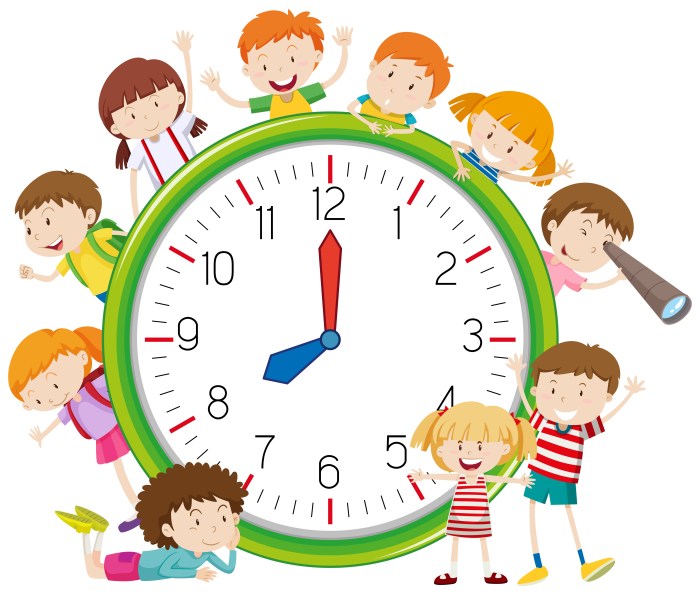
This is a picture with lot of Times. Can be to Go to School, to Play. I thought of Brightening the post as well 🙂

And now it is finishing something. Time up for me to finish the post If you click on the letters in Green colour you can go to some other posts of mine or even other websites like Wikipedia that gives more knowledge also https://en.wikipedia.org/wiki/Time

Latest Update: Today is 30th of September 2025: This is “The 316 Post” and with the “Introductory Page this will be all in Total up to date, 317 posts.

Take Home Message
We all have the capacity to adapt and to achieve our personal expectations. we raise the bar in relation to our own potential and push ourselves to achieve Higher things. The therapeutic alliance has been shown to affect treatment outcomes across a range of conditions, therapeutic modalities, and contexts. In other words, a greater sense of social connectedness rooted in caring for others, connecting with the community, and finding a sense of purpose is linked to improved mental health and well-being. Lots of picture Quotes about lot of things you can do. Happy Reading 🙂

The coloured Topics in Green, if you “Click” on them “Will take you to other different posts of Mine which you will be able to find more information and even Pronunciation”. I have another website with “My own little Poems and Pictures of some of My Hobbies” if you are interested on seeing, “What else I am doing”  you can have a look at: https://deepanilamani.com/

As always, it is all free”. You can share and pass it on also for others who can benefit from this post. I hope All those who Read will be able to make the maximum use of all these facts and make, “Your Lives More Healthy and able to Lead Better lives in Happiness and Peace”. I wish it to be so as,” Peace which is our Ultimate Goal ❤

May God’s Blessings Be Upon You ❤

Deepa Nilamani ❤


Flag Counter

Editing!

Hello to All My Dear Readers, Followers and Blogging Friends ❤

Hope All of You are keeping well and Happy. As usual I am keeping in Good Health and moving forward doing my usual, activities. Today I thought of Writing an article on Publishing as I am an Author and also a Publisher. And Now I have got this Topic “” A Book Corner”” well I seems to be getting quite a lot of Topics and now about “”Editing”” and somehow, I have not written before at all surprisingly!

Editing is the process of selecting and preparing writtenvisualaudible, or cinematic material used by a person or an entity to convey a message or information. The editing process can involve correction, condensation, organization, and many other modifications performed with an intention of producing a correct, consistent, accurate and complete piece of work. The editing process often begins with the author’s idea for the work itself, continuing as a collaboration between the author and the editor as the work is created. Editing can involve creative skills, human relations and a precise set of methods. Practicing editing can be a way to reduce language error in future literature works.

There are various editorial positions in publishing. Typically, one finds editorial assistants reporting to the senior-level editorial staff and directors who report to senior executive editors. Senior executive editors are responsible for developing a product for its final release. The smaller the publication, the more these roles overlap.The top editor at many publications may be known as the chief editorexecutive editor, or simply the editor. A frequent and highly regarded contributor to a magazine may acquire the title of editor-at-large or contributing editor. Mid-level newspaper editors often manage or help to manage sections, such as business, sports and features. In U.S. newspapers, the level below the top editor is usually the managing editor.

In the book publishing industry, editors may organize anthologies and other compilations, produce definitive editions of a classic author’s works (scholarly editor), and organize and manage contributions to a multi-author book (symposium editor or volume editor). Obtaining manuscripts or recruiting authors is the role of an acquisitions editor or a commissioning editor in a publishing house.[5] Finding marketable ideas and presenting them to appropriate authors are the responsibilities of a sponsoring editor.Copy editors correct spellinggrammar and align writings to house style. Changes to the publishing industry since the 1980s have resulted in nearly all copy editing of book manuscripts being outsourced to freelance copy editors.

At newspapers and wire services, press or copy editors write headlines and work on more substantive issues, such as ensuring accuracy, fairness, and taste. In some positions, they design pages and select news stories for inclusion. At British and Australian newspapers, the term is sub-editor. They may choose the layout of the publication and communicate with the printer. These editors may have the title of layout or design editor or (more so in the past) makeup editor.

Scholarly books and journals

Within the publishing environment, editors of scholarly books are of three main types, each with particular responsibilities:

  • Acquisitions editor (or commissioning editor), who contracts with the author to produce the copy
  • Project editor or production editor, who sees the copy through its stages from manuscript to bound book and usually assumes most of the budget and schedule responsibilities
  • Copy editor or manuscript editor, who prepares the copy for conversion into printed form.

In the case of multi-author edited volumes, before the manuscript is delivered to the publisher it has undergone substantive and linguistic editing by the volume’s editor, who works independently of the publisher.

As for scholarly journals, where spontaneous submissions are more common than commissioned works, the position of journal editor or editor-in-chief replaces the acquisitions editor of the book publishing environment, while the roles of production editor and copy editor remain. However, another editor is sometimes involved in the creation of scholarly research articles. Called the authors’ editor, this editor works with authors to get a manuscript fit for purpose before it is submitted to a scholarly journal for publication.mThe primary difference between copy editing scholarly books and journals and other sorts of copy editing lies in applying the standards of the publisher to the copy. Most scholarly publishers have a preferred style that usually specifies a particular dictionary and style manual

Editing has a long history dating back to the earliest times of written language. Over time, editing has evolved greatly, particularly with the emergence of new forms of media and language that have led to a move towards multimodality.[7] Today, hardcopies and print are no longer the main focus of editing as new content like film and audio require different kinds of edits.

Technical editing is now more commonly done using applications and websites on devices, which requires editors to be familiar with online platforms like Adobe AcrobatMicrosoft Office, and Google Docs. The significance and intentions behind editing have also changed, moving beyond print due to the continuous advancements in technology. As a result, the grounds and values of editing have changed as well. For instance, text is often shortened and simplified online because of the preference for quick answers among this generation. Additionally, the advancement in social issues has made it possible to offer easy access to vast amounts of information.

Apart from editing written work, video editing has also evolved. Nowadays, non-linear editing is the main way of editing video clips, but in the 1900s, it was linear editing. As computer systems and software have developed, video clips are now able to be uploaded directly to the editing software, making the editing process quicker. With this evolution of editing, creativity has been sped up, editing has become easier, and there are now countless ways for writers to tell stories.

Self-editing

Self-editing is the process of evaluating one’s own writing and fixing errors. This does not require any specialized knowledge, and simply aims to improve the overall quality of a literary work. It is an essential part of the editing process, benefiting both language learners and those writing in their native language.

Students often find learning about editing rewarding in both learning a language[14] and improving language skills. However, the writing field currently debates whether self-editing is the best way to reduce errors in student writing. Some studies have shown that self-editing is more effective at reducing language errors in the short term than peer-editing. However, in the long term, both approaches have similar effects on students. Others have found that the collaborative dialogue provided by peer-editing may cause it to be much better at reducing language errors than self-editing.

Today, self-editing is being taught in numerous ways. Some researchers have found a significant improvement in student essays through self-editing worksheets. Others have experimented with mobile apps. Similar to the worksheets, these mobile based editing exercises have been shown to reduce error specifically in English learners’ papers. Just as applications like Google Docs and Grammarly can highlight grammatical errors, these applications may teach students to identify these mistakes, among others, by themselves. While there hasn’t yet been a definitive answer on the best editing techniques to improve language errors, numerous studies have shown that learning to edit helps in both learning a language and improving native language skills.

Editing is a growing field of work in the service industry. There is little career training offered for editors.[20] Paid editing services may be provided by specialized editing firms or by self-employed (freelance) editors. Editing firms may employ a team of in-house editors, rely on a network of individual contractors or both. Such firms are able to handle editing in a wide range of topics and genres, depending on the skills of individual editors. The services provided by these editors may be varied and can include proofreadingcopy editingonline editingdevelopmental editing, editing for search engine optimization,

Self-employed editors work directly for clients (e.g., authors, publishers) or offer their services through editing firms, or both. They may specialize in a type of editing (e.g., copy editing) and in a particular subject area. Those who work directly for authors and develop professional relationships with them are called authors’ editors. There is hope for self-employed editors because all editing differs based on tradition, experience, education, personal style, values,

Latest Update: Today is 28th of September 2025: This is “The 315 Post” and with the “Introductory Page this will be all in Total up to date, 316 posts.

Take Home Message
We all have the capacity to adapt and to achieve our personal expectations. we raise the bar in relation to our own potential and push ourselves to achieve Higher things. The therapeutic alliance has been shown to affect treatment outcomes across a range of conditions, therapeutic modalities, and contexts. In other words, a greater sense of social connectedness rooted in caring for others, connecting with the community, and finding a sense of purpose is linked to improved mental health and well-being. Lots of picture Quotes about lot of things you can do. Happy Reading ❤

The coloured Topics in Green, if you “Click” on them “Will take you to other different posts of Mine which you will be able to find more information and even Pronunciation”. I have another website with “My own little Poems and Pictures of some of My Hobbies” if you are interested on seeing, “What else I am doing” you can have a look at: https://deepanilamani.com/

As always, it is all free”. You can share and pass it on also for others who can benefit from this post. I hope All those who Read will be able to make the maximum use of all these facts and make, “Your Lives More Healthy and able to Lead Better lives in Happiness and Peace”. I wish it to be so as,” Peace which is our Ultimate Goal ❤

May God’s Blessings Be Upon You ❤

Deepa Nilamani ❤
Flag Counter

A Book Corner!

Hello to All My Dear Readers, Followers and Blogging Friends ❤

Hope All of You are keeping well and Happy. As usual I am keeping in Good Health and moving forward doing my usual, activities. Today I thought of Writing an article on Publishing as I am an Author and also a Publisher. And Now I have got this Topic “”A Book Corner””

reading corner is a space dedicated to developing and fostering love for books and the habit of reading. Reading plays a fundamental role in the cognitive, emotional, and social growth of young children, which is why it’s so important to provide spaces like these.

In this article, I will explore the importance of reading, provide guidance on reading to children, and share tips for creating a reading corner in the classroom. Discover how this environment can benefit children’s learning and development!

  1. Fostering a Love for Reading: Reading corners provide a sanctuary where the joy of reading can be discovered and nurtured. Away from the pressures of structured learning, these cosy areas, filled with a variety of books, invite students to explore different genres at their own pace. The comfort and tranquility of the space make reading a pleasurable activity, helping students develop a lifelong love for literature.
  2. Enhancing Literacy and Language Skills: Regular exposure to books in reading corners significantly boosts literacy. Children who spend time reading independently expand their vocabulary, improve their understanding of grammar, and develop better comprehension skills. This exposure is crucial in the early years when students are mastering the basics of reading and writing.
  3. Encouraging Independent Learning: Reading corners promote self-directed learning. In these spaces, students choose what they want to read, setting their own pace without direct supervision or rigid guidelines. This autonomy builds their confidence in making choices and fosters a sense of responsibility for their own learning.
  4. Supporting Emotional and Social Development: Books can be windows into different worlds and experiences, aiding in the emotional and social development of children. Reading stories about diverse cultures, situations, and characters helps students develop empathy and a broader understanding of the world around them. Furthermore, reading corners can be communal spaces where students share books and discuss ideas, enhancing their social skills.
  1. Providing a Haven for Struggling Readers: For students who find reading challenging, the non-judgmental and inviting atmosphere of a reading corner can be particularly beneficial. These students can practice reading in a relaxed environment, free from the anxiety of being judged or falling behind, which is crucial for building their confidence and skills.
  2. Enhancing Concentration and Focus: In our digital age, where attention spans are constantly challenged, reading corners offer a much-needed respite. The act of sitting down with a book requires concentration and focus, skills that are transferable to other areas of academic and personal life.
  3. Cultivating Imagination and Creativity: Books open up worlds of imagination, sparking creativity in young minds. Reading corners, often decorated to inspire and ignite curiosity, provide the perfect backdrop for students to explore and dream, nurturing creative thinking that is invaluable in their overall development.

In conclusion, reading corners are more than just a quiet spot to read; they are essential spaces that contribute significantly to the intellectual, emotional, and social development of students. They help cultivate a love for reading, build essential literacy skills, and support independent and imaginative thinking. In the dynamic world of education, reading corners stand as a testament to the timeless power of books and the endless possibilities they hold for young learners. Every school should consider them an integral part of their educational offering, a simple yet powerful tool in shaping the minds of future generations.

Latest Update: Today is 28th of September 2025: This is “The 314Post” and with the “Introductory Page this will be all in Total up to date, 315 posts.

Take Home Message
We all have the capacity to adapt and to achieve our personal expectations. we raise the bar in relation to our own potential and push ourselves to achieve Higher things. The therapeutic alliance has been shown to affect treatment outcomes across a range of conditions, therapeutic modalities, and contexts. In other words, a greater sense of social connectedness rooted in caring for others, connecting with the community, and finding a sense of purpose is linked to improved mental health and well-being. Lots of picture Quotes about lot of things you can do. Happy Reading 🙂

As always, it is all free”. You can share and pass it on also for others who can benefit from this post. I hope All those who Read will be able to make the maximum use of all these facts and make, “Your Lives More Healthy and able to Lead Better lives in Happiness and Peace”. I wish it to be so as,” Peace which is our Ultimate Goal ❤

The Topics in Green, if you “Click” on them “Will take you to My other different posts which you will be able to find more information and even Pronunciation”. I have another website with “My own little Poems and Pictures of some of My Hobbies” if you are interested on seeing, “What else I am doing” during my spare time you can have a look at: https://deepanilamani.com/

May God’s Blessings Be Upon You ❤

Deepa Nilamani ❤

Flag Counter