Editing!

Hello to All My Dear Readers, Followers and Blogging Friends ❤

Hope All of You are keeping well and Happy. As usual I am keeping in Good Health and moving forward doing my usual, activities. Today I thought of Writing an article on Publishing as I am an Author and also a Publisher. And Now I have got this Topic “” A Book Corner”” well I seems to be getting quite a lot of Topics and now about “”Editing”” and somehow, I have not written before at all surprisingly!

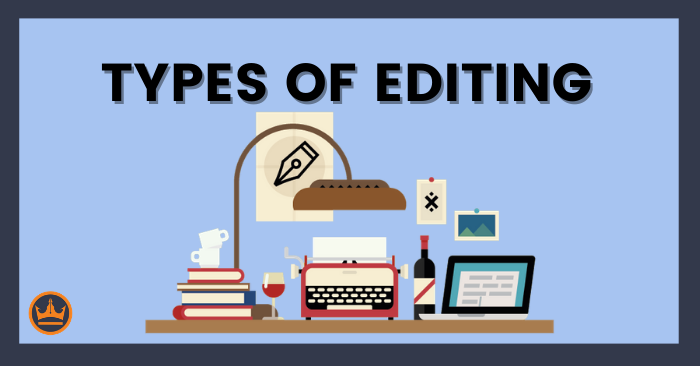
Editing is the process of selecting and preparing writtenvisualaudible, or cinematic material used by a person or an entity to convey a message or information. The editing process can involve correction, condensation, organization, and many other modifications performed with an intention of producing a correct, consistent, accurate and complete piece of work. The editing process often begins with the author’s idea for the work itself, continuing as a collaboration between the author and the editor as the work is created. Editing can involve creative skills, human relations and a precise set of methods. Practicing editing can be a way to reduce language error in future literature works.

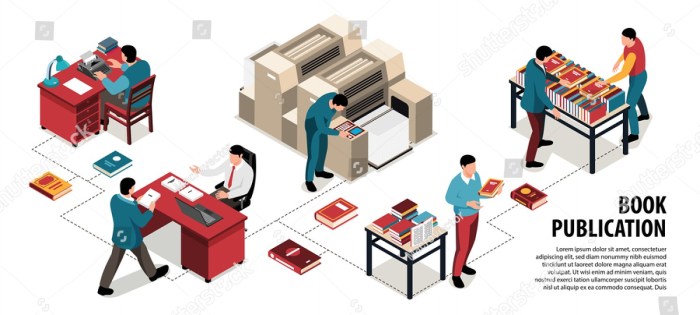
There are various editorial positions in publishing. Typically, one finds editorial assistants reporting to the senior-level editorial staff and directors who report to senior executive editors. Senior executive editors are responsible for developing a product for its final release. The smaller the publication, the more these roles overlap.The top editor at many publications may be known as the chief editorexecutive editor, or simply the editor. A frequent and highly regarded contributor to a magazine may acquire the title of editor-at-large or contributing editor. Mid-level newspaper editors often manage or help to manage sections, such as business, sports and features. In U.S. newspapers, the level below the top editor is usually the managing editor.

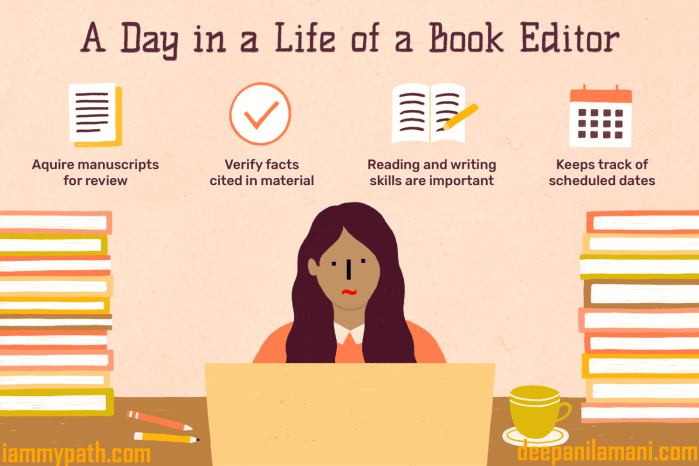
In the book publishing industry, editors may organize anthologies and other compilations, produce definitive editions of a classic author’s works (scholarly editor), and organize and manage contributions to a multi-author book (symposium editor or volume editor). Obtaining manuscripts or recruiting authors is the role of an acquisitions editor or a commissioning editor in a publishing house.[5] Finding marketable ideas and presenting them to appropriate authors are the responsibilities of a sponsoring editor.Copy editors correct spellinggrammar and align writings to house style. Changes to the publishing industry since the 1980s have resulted in nearly all copy editing of book manuscripts being outsourced to freelance copy editors.

At newspapers and wire services, press or copy editors write headlines and work on more substantive issues, such as ensuring accuracy, fairness, and taste. In some positions, they design pages and select news stories for inclusion. At British and Australian newspapers, the term is sub-editor. They may choose the layout of the publication and communicate with the printer. These editors may have the title of layout or design editor or (more so in the past) makeup editor.

Scholarly books and journals

Within the publishing environment, editors of scholarly books are of three main types, each with particular responsibilities:

  • Acquisitions editor (or commissioning editor), who contracts with the author to produce the copy
  • Project editor or production editor, who sees the copy through its stages from manuscript to bound book and usually assumes most of the budget and schedule responsibilities
  • Copy editor or manuscript editor, who prepares the copy for conversion into printed form.

In the case of multi-author edited volumes, before the manuscript is delivered to the publisher it has undergone substantive and linguistic editing by the volume’s editor, who works independently of the publisher.

As for scholarly journals, where spontaneous submissions are more common than commissioned works, the position of journal editor or editor-in-chief replaces the acquisitions editor of the book publishing environment, while the roles of production editor and copy editor remain. However, another editor is sometimes involved in the creation of scholarly research articles. Called the authors’ editor, this editor works with authors to get a manuscript fit for purpose before it is submitted to a scholarly journal for publication.mThe primary difference between copy editing scholarly books and journals and other sorts of copy editing lies in applying the standards of the publisher to the copy. Most scholarly publishers have a preferred style that usually specifies a particular dictionary and style manual

Editing has a long history dating back to the earliest times of written language. Over time, editing has evolved greatly, particularly with the emergence of new forms of media and language that have led to a move towards multimodality.[7] Today, hardcopies and print are no longer the main focus of editing as new content like film and audio require different kinds of edits.

Technical editing is now more commonly done using applications and websites on devices, which requires editors to be familiar with online platforms like Adobe AcrobatMicrosoft Office, and Google Docs. The significance and intentions behind editing have also changed, moving beyond print due to the continuous advancements in technology. As a result, the grounds and values of editing have changed as well. For instance, text is often shortened and simplified online because of the preference for quick answers among this generation. Additionally, the advancement in social issues has made it possible to offer easy access to vast amounts of information.

Apart from editing written work, video editing has also evolved. Nowadays, non-linear editing is the main way of editing video clips, but in the 1900s, it was linear editing. As computer systems and software have developed, video clips are now able to be uploaded directly to the editing software, making the editing process quicker. With this evolution of editing, creativity has been sped up, editing has become easier, and there are now countless ways for writers to tell stories.

Self-editing

Self-editing is the process of evaluating one’s own writing and fixing errors. This does not require any specialized knowledge, and simply aims to improve the overall quality of a literary work. It is an essential part of the editing process, benefiting both language learners and those writing in their native language.

Students often find learning about editing rewarding in both learning a language[14] and improving language skills. However, the writing field currently debates whether self-editing is the best way to reduce errors in student writing. Some studies have shown that self-editing is more effective at reducing language errors in the short term than peer-editing. However, in the long term, both approaches have similar effects on students. Others have found that the collaborative dialogue provided by peer-editing may cause it to be much better at reducing language errors than self-editing.

Today, self-editing is being taught in numerous ways. Some researchers have found a significant improvement in student essays through self-editing worksheets. Others have experimented with mobile apps. Similar to the worksheets, these mobile based editing exercises have been shown to reduce error specifically in English learners’ papers. Just as applications like Google Docs and Grammarly can highlight grammatical errors, these applications may teach students to identify these mistakes, among others, by themselves. While there hasn’t yet been a definitive answer on the best editing techniques to improve language errors, numerous studies have shown that learning to edit helps in both learning a language and improving native language skills.

Editing is a growing field of work in the service industry. There is little career training offered for editors.[20] Paid editing services may be provided by specialized editing firms or by self-employed (freelance) editors. Editing firms may employ a team of in-house editors, rely on a network of individual contractors or both. Such firms are able to handle editing in a wide range of topics and genres, depending on the skills of individual editors. The services provided by these editors may be varied and can include proofreadingcopy editingonline editingdevelopmental editing, editing for search engine optimization,

Self-employed editors work directly for clients (e.g., authors, publishers) or offer their services through editing firms, or both. They may specialize in a type of editing (e.g., copy editing) and in a particular subject area. Those who work directly for authors and develop professional relationships with them are called authors’ editors. There is hope for self-employed editors because all editing differs based on tradition, experience, education, personal style, values,

Latest Update: Today is 28th of September 2025: This is “The 315 Post” and with the “Introductory Page this will be all in Total up to date, 316 posts.

Take Home Message
We all have the capacity to adapt and to achieve our personal expectations. we raise the bar in relation to our own potential and push ourselves to achieve Higher things. The therapeutic alliance has been shown to affect treatment outcomes across a range of conditions, therapeutic modalities, and contexts. In other words, a greater sense of social connectedness rooted in caring for others, connecting with the community, and finding a sense of purpose is linked to improved mental health and well-being. Lots of picture Quotes about lot of things you can do. Happy Reading ❤

The coloured Topics in Green, if you “Click” on them “Will take you to other different posts of Mine which you will be able to find more information and even Pronunciation”. I have another website with “My own little Poems and Pictures of some of My Hobbies” if you are interested on seeing, “What else I am doing” you can have a look at: https://deepanilamani.com/

As always, it is all free”. You can share and pass it on also for others who can benefit from this post. I hope All those who Read will be able to make the maximum use of all these facts and make, “Your Lives More Healthy and able to Lead Better lives in Happiness and Peace”. I wish it to be so as,” Peace which is our Ultimate Goal ❤

May God’s Blessings Be Upon You ❤

Deepa Nilamani ❤
Flag Counter

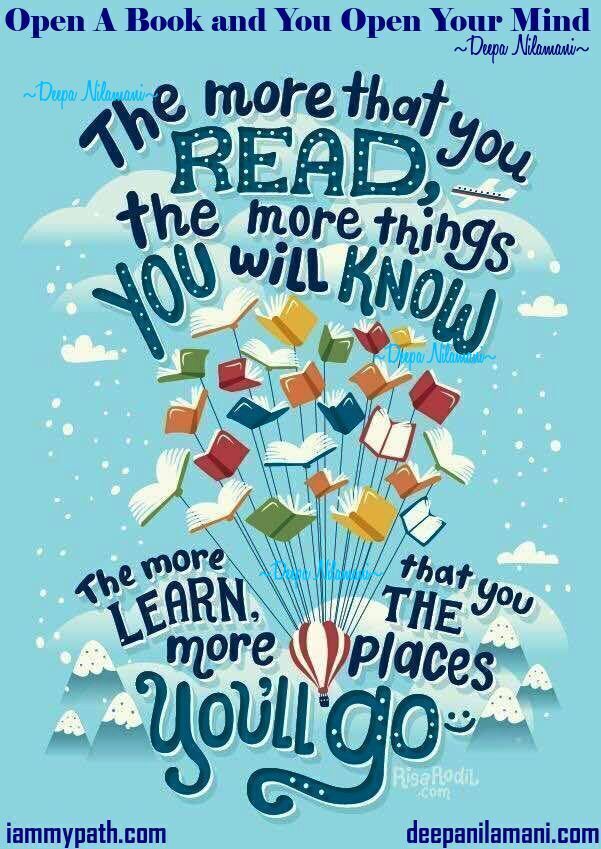
Reading!

Hello to All My Dear Readers, Followers and Blogging Friends ❤

Hope All of You are keeping well and Happy. As usual I am keeping in Good Health and moving forward doing my usual, activities. Today I thought of Writing an article on Publishing as I am an Author and also a Publisher. And Now I have got this Topic “”A Book Corner”” and then Reading. I have written before but now more advanced as time has passed by and you the readers too are in higher wave length 🙂

Reading is the process of taking in the sense or meaning of symbols, often specifically those of a written language, by means of sight For educators and researchers, reading is a multifaceted process involving such areas as word recognition, (spelling), alphabeticsphonicsphonemic awareness, vocabulary, comprehension, fluency, and motivation.

Reading is generally an individual activity, done silently, although on occasion a person reads out loud for other listeners; or reads aloud for one’s own use, for better comprehension. Before the reintroduction of separated text (spaces between words) in the late Middle Ages, the ability to read silently was considered rather remarkable. Major predictors of an individual’s ability to read both alphabetic and non-alphabetic scripts are oral language skills, phonological awarenessrapid automatized naming and verbal IQ.

As a leisure activity, children and adults read because it is enjoyable and interesting. In the US, about half of all adults read one or more books for pleasure each year] About 5% read more than 50 books per year.[14] Americans read more if they: have more education, read fluently and easily, are female, live in cities, and have higher socioeconomic status. Children become better readers when they know more about the world in general, and when they perceive reading as fun rather than as a chore to be performed.

Reading vs. literacy

Reading is an essential part of literacy, yet from a historical perspective literacy is about having the ability to both read and write. Since the 1990s, some organizations have defined literacy in a wide variety of ways that may go beyond the traditional ability to read and write. The following are some examples:
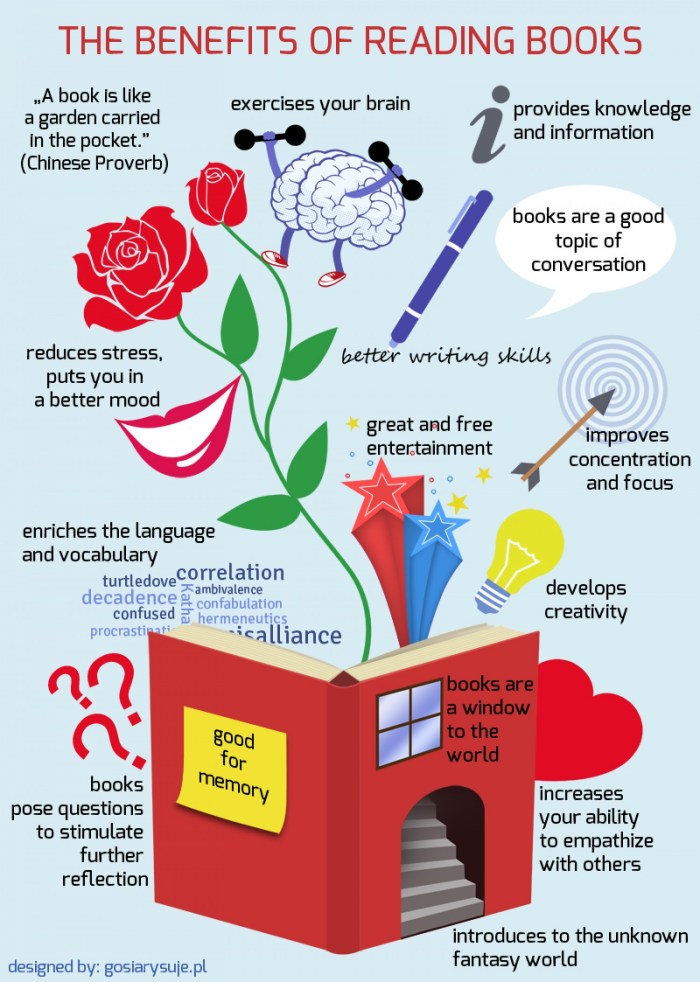
 Below is another with nice pictures: The Benefits of Reading Books:
1)  A book is like a garden carried in the pocket (Chinese Proverb)
2)  Exercises your brain.
3)  Provides Knowledge and Information.
4)  Books are a good Topic of Conversation.
5)  Better writing skills.
6)  Improves Concentration and focus.
7)  Great free entertainment.
8)  Develops Creativity.
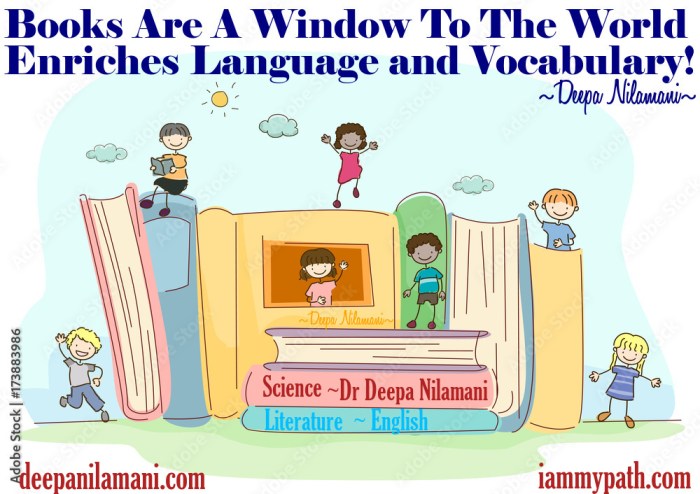
9)  Books are, “A Window To The World”.
10) Increases your ability to Empathize with others.
11) Introduces to the unknown fantasy (imagination) world.
12) Good for memory.
13) Books pose Questions to stimulates further reflection.
14) Enriches the language and vocabulary.
15) Reduces stress and puts you in a Better Mood

  • “the ability to read and write … in all media (print or electronic), including digital literacy”
  • “the ability to … understand … using printed and written materials associated with varying contexts”[
  • “the ability to read, write, speak and listen”
  • “having the skills to be able to read, write and speak to understand and create meaning”
  • “the ability to … communicate using visual, audible, and digital materials”
  • “the ability to use printed and written information to function in society, to achieve one’s goals, and to develop one’s knowledge and potential”.] It includes three types of adult literacy: prose (e.g., a newspaper article), documents (e.g., a bus schedule), and quantitative literacy (e.g., using arithmetic operations in a product advertisement).

In the academic field, some view literacy in a more philosophical manner and propose the concept of “multiliteracies”. For example, they say, “this huge shift from traditional print-based literacy to 21st century multiliteracies reflects the impact of communication technologies and multimedia on the evolving nature of texts, as well as the skills and dispositions associated with the consumption, production, evaluation, and distribution; these “multiple literacies” have allowed educators to change the topic from reading and writing to “Literacy”. some educators, when faced with criticisms of how reading is taught, “didn’t alter their practices, they changed the subject”.

Also, some organizations might include numeracy skills and technology skills separately but alongside of literacy skills. In addition, since the 1940s the term literacy is often used to mean having knowledge or skill in a particular field (e.g., computer literacyecological literacyhealth literacymedia literacy, quantitative literacy (numeracy) and visual literacy).

Cognitive benefits

Reading for pleasure has been linked to increased cognitive progress in vocabulary and mathematics during adolescence. Sustained high volume lifetime reading has been associated with high levels of academic attainment.

Research suggests that reading can improve stress management, memory, focus, writing skills, and imagination. The cognitive benefits of reading continue into mid-life and the senior years. Research suggests that reading books and writing are among the brain-stimulating activities that can slow down cognitive decline in seniors.

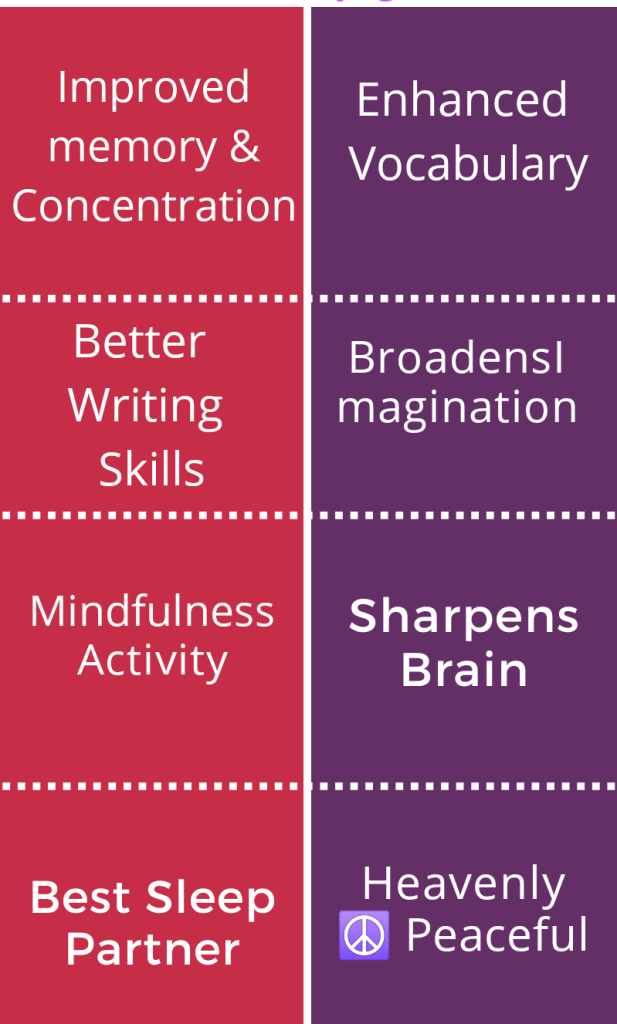
Below also is a post about, “8 Amazing Benefits of Reading Books”
1) Improved Memory & Concentration.
2) Better writing skills.
3) Mindfulness Activity.
4) Best sleep partner.
5) Enhanced Vocabulary.
6) Broadens Imagination.
7) Sharpens Brain Activity.
8) Heavenly Peaceful. Explaining the above a little bit: Benefits are, Reading adds so much of extra Knowledge as we read, we come across new words, how to use them, new findings and information, helps to relax as the mind calms down ~ (unless it is it is stressful things) and if one takes a book or any reading material, to read before sleeping, automatically You will find You will feel sleepy and even fall asleep while reading. Generally reading while lying down this is what happens.

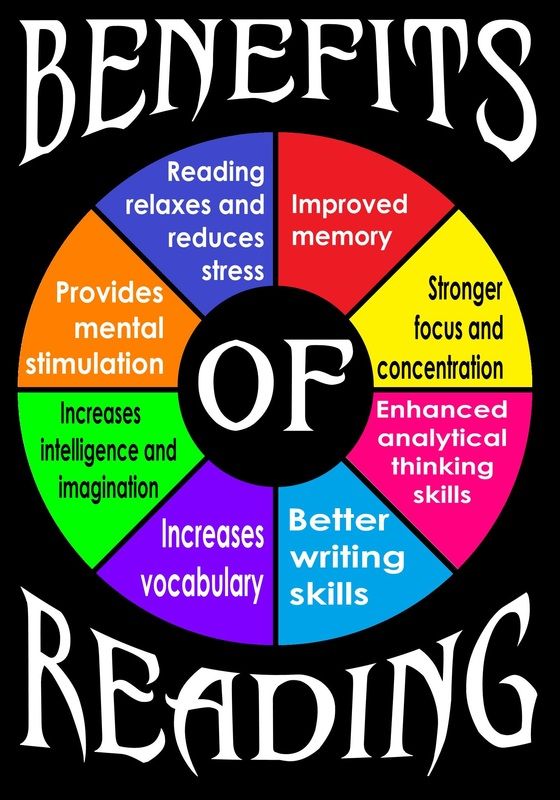
1) Improved Memory.
2) Stronger Focus and Concentration.
3) Enhanced analytical thinking skills.
4) Better writing skills,
5) Increased Vocabulary.
6) Increases Intelligence and Imagination.
7) Provides Mental Stimulation.
8) Relaxes and Reduce Stress.

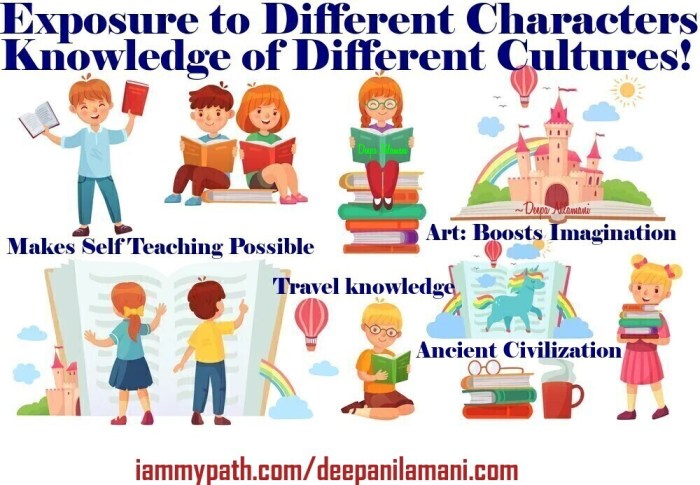
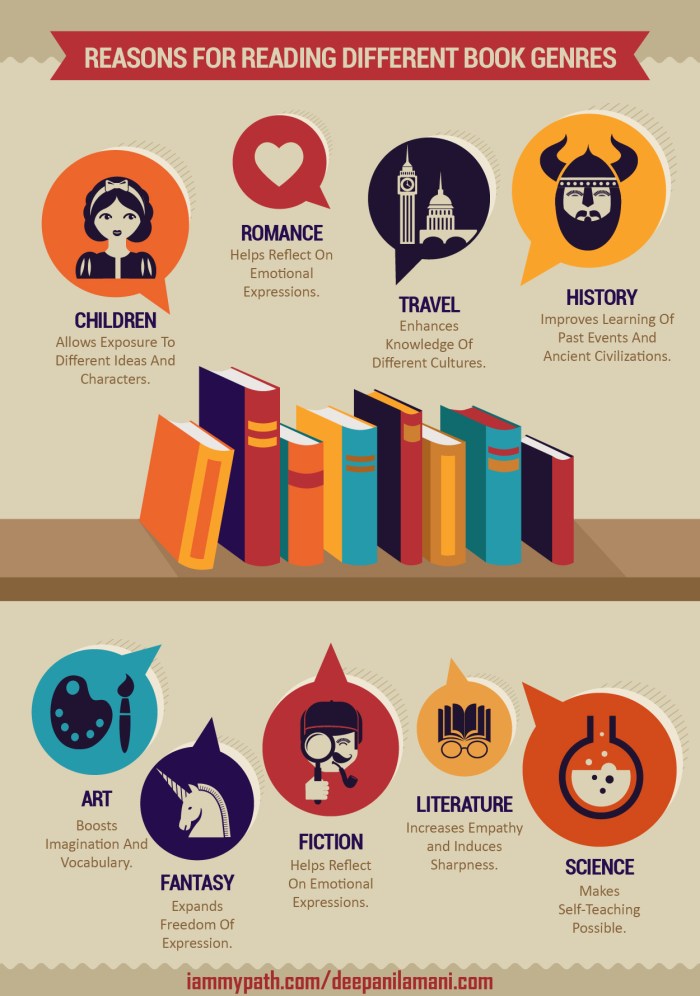
Reasons For Reading Different Book Genres (a style or category of art, music, or literature):

1) Children: Allows Exposure to Different Ideas and Characters.
2) Romance: Helps Reflect on Emotional Expression.
3) Travel: Enhances Knowledge of Different Cultures.
4) History: Improves Learning of Past Events and Ancient Civilizations.
5) Science: Makes Self-Teaching Possible.
6) Literature: Increases Empathy and Induce Sharpness.
7) Fiction: Helps Reflect on Emotional Expressions.
8) Fantasy: Expands Freedom of Expression.
9) Art: Boosts Imagination and Vocabulary.

Latest Update: Today is 28th of September 2025: This is “The 313Post” and with the “Introductory Page this will be all in Total up to date, 314 posts.

Take Home Message
We all have the capacity to adapt and to achieve our personal expectations. we raise the bar in relation to our own potential and push ourselves to achieve Higher things. The therapeutic alliance has been shown to affect treatment outcomes across a range of conditions, therapeutic modalities, and contexts. In other words, a greater sense of social connectedness rooted in caring for others, connecting with the community, and finding a sense of purpose is linked to improved mental health and well-being. Lots of picture Quotes about lot of things you can do. Happy Reading 🙂

As always, it is all free”. You can share and pass it on also for others who can benefit from this post. I hope All those who Read will be able to make the maximum use of all these facts and make, “Your Lives More Healthy and able to Lead Better lives in Happiness and Peace”. I wish it to be so as,” Peace which is our Ultimate Goal ❤

The Topics in Green, if you “Click” on them “Will take you to My other different posts which you will be able to find more information and even Pronunciation”. I have another website with “My own little Poems and Pictures of some of My Hobbies” if you are interested on seeing, “What else I am doing” during my spare time you can have a look at: https://deepanilamani.com/

May God’s Blessings Be Upon You ❤

Deepa Nilamani ❤
Flag Counter

Books And Magazines!

Hello To, My Readers Followers and Blogging Friends ❤

Hope All of You are keeping in Good Health as possible. And Positive and Motivated. Well, I have been writing about PURPOSE IN LIFE my students are very keen and interested in studying. They wanted to study PSYCHOLOGY I am flattered and so HAPPY. And posted as unlike simple articles very Advanced Topics. Since then, I have been writing on so many different posts and about values of food Milk and now “The difference being the Last article. After writing about “Giving” I wanted to Enlighten You about the Gift of Healing as I do have Healing Energy in my Hands. And now strange as it may be there were some that they had or have any idea of what reading is about or about what books or magazines are, that I got this topic of “Books and Magazines” 🙂

This what I have written in the introduction ‘Who am I and why I am writing” as my main Hobby what I Liked to do was always Reading I have grown up with books and Love Reading. More than half a century gone still books are all round me. They have gone from story books then, moving on to reading about babies and growing up children, and Health and Psychology books. And now on a more Advanced Level.  By doing so, I can Motivate You the Readers, “To Develop Yourselves and Gain Confidence and Self Esteem to Improve Your Quality of Life”.

Books And Magazines. What’s the Difference?

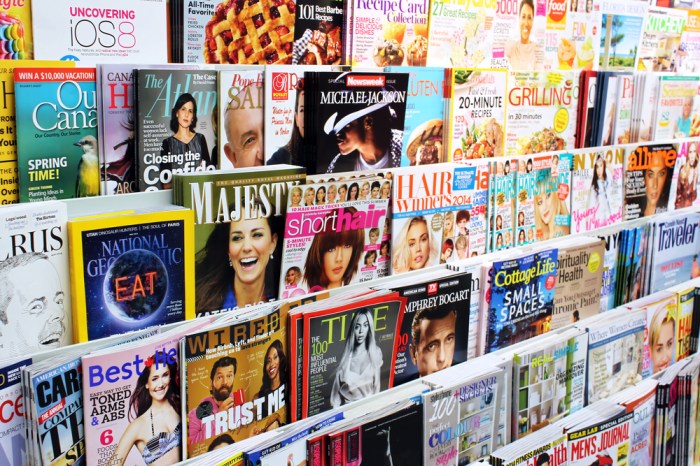
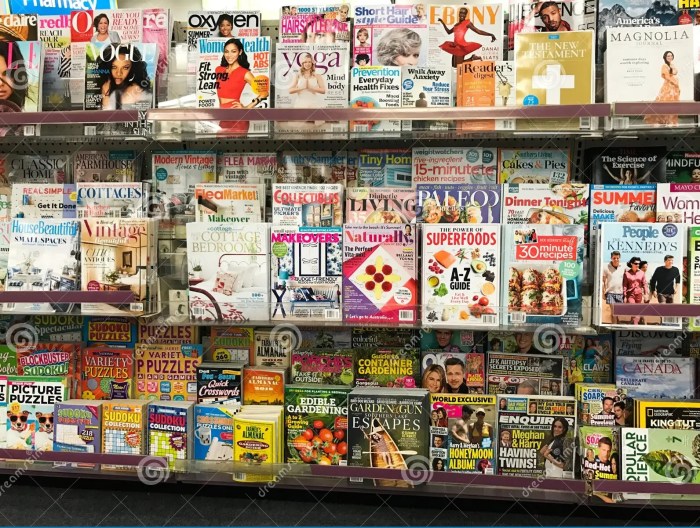
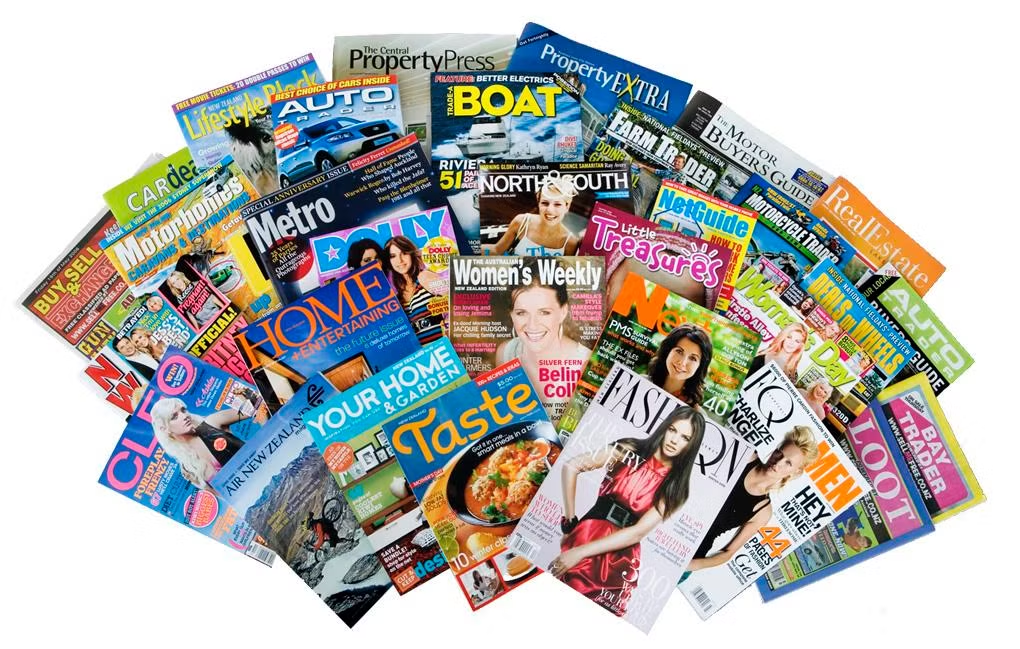
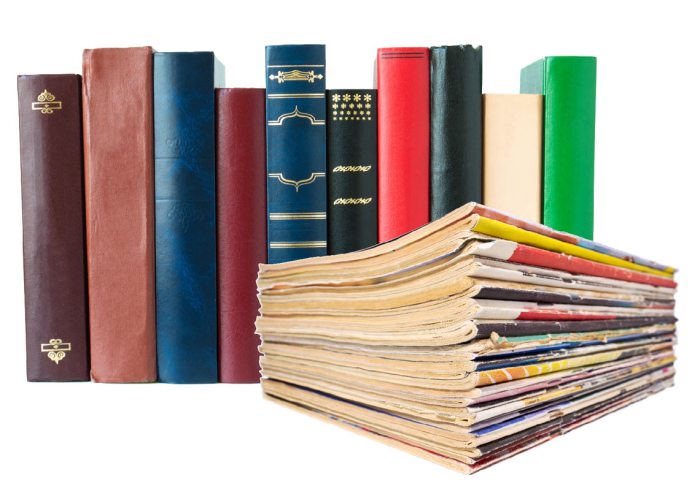
Books and magazines both provide readers with written content, but they differ in several keyways. Books typically contain longer, more in-depth narratives or informational content, while magazines often feature shorter articles and a variety of topics within a single issue. Books are usually published less frequently and are intended for long-term enjoyment, while magazines are typically published on a regular basis and are more focused on current events or trends. Additionally, books are often purchased for personal libraries or as gifts, while magazines are often bought for immediate reading and then discarded or recycled.

AttributeBookMagazine
FormatUsually bound with a coverUsually stapled or perfect bound
ContentUsually longer, with a single narrative or topicUsually shorter articles on various topics
FrequencyCan be standalone or part of a seriesRegularly published on a weekly, monthly, or quarterly basis
Target AudienceCan be for any age group or interestUsually targeted towards a specific demographic or interest
AuthorshipUsually written by one or a few authorsArticles written by various contributor

Further Detail

Content

Books and magazines are both popular forms of reading material, but they differ in terms of content. Books typically contain longer, more in-depth narratives or information on a specific topic. They are often written by a single author or a small group of authors and are meant to be read over a longer period of time. Magazines, on the other hand, are usually shorter and more focused on current events, trends, or specific interests. They often contain a variety of article written by different authors and are meant to be read in one sitting.

Format

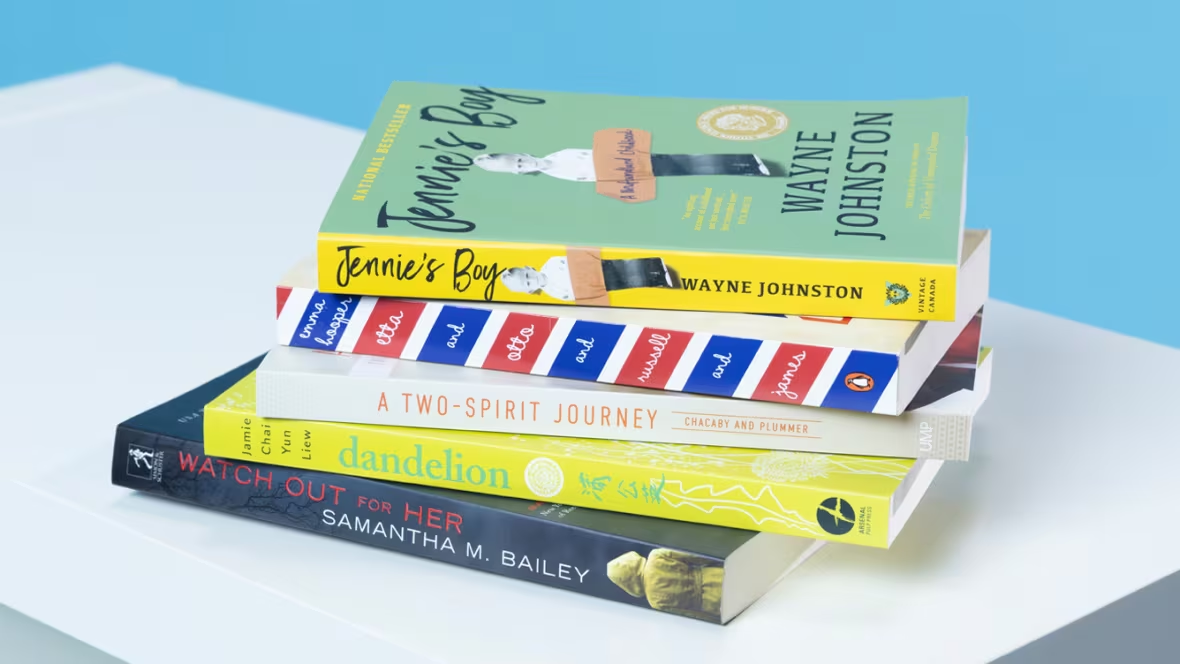
Another key difference between books and magazines is their format. Books are typically bound together with a cover and are meant to be kept for long-term reading and reference. They come in various sizes and shapes, from small paperbacks to large hardcovers. Magazines, on the other hand, are usually printed on glossy paper and are often stapled together. They are meant to be disposable and are usually discarded after reading, although some people may choose to keep certain issues for reference.

Frequency

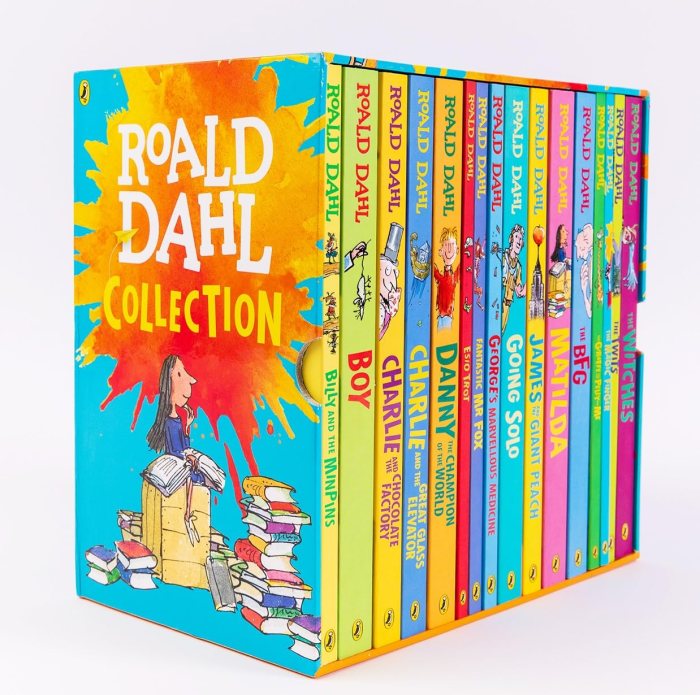
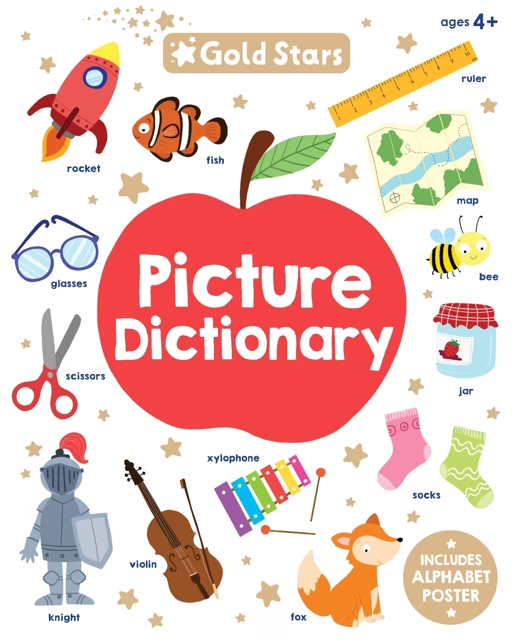
Books and magazines also differ in terms of frequency of publication. Books are usually published on a one-time basis, although some popular books may be reprinted or released in different editions. Magazines, on the other hand, are typically published on a regular schedule, such as weekly, monthly, or quarterly. This allows magazines to stay current with the latest news and trends in a particular industry or topic. Below are small children’s Books 🙂

Target Audience

Books and magazines also have different target audiences. Books are often written for a general audience or a specific niche market, depending on the topic or genre. They can be enjoyed by readers of all ages and backgrounds. Magazines, on the other hand, are usually targeted towards a specific interest group. For example, there are magazines for women, men, teenagers, children from Babies (A B C books) sports fans, foodies, and more.Time!

Length

One of the most obvious differences between books and magazines is their length. Books are typically much longer than magazines, with some novels exceeding 1000 pages. This allows authors to develop complex characters and storylines in depth. Magazines, on the other hand, are usually much shorter, with articles ranging from a few hundred to a few thousand words. This makes them easier to read in one sitting and more accessible to readers with limited time.

Visuals

Books and magazines also differ in terms of visuals. Books may contain illustrations or photographs, but they are usually secondary to the text. Magazines, on the other hand, often rely heavily on visuals to attract readers. They may feature colorful layouts, eye-catching graphics, and photos to enhance the reading experience. This visual appeal can make magazines more engaging and appealing to readers who are drawn to images.

Price

Another important difference between books and magazines is their price. Books are typically more expensive than magazines, especially hardcover editions or special editions. This is because books are often printed on higher quality paper and are meant to be kept for a long time. Magazines, on the other hand, are usually cheaper and more affordable, making them a popular choice for casual readers or those on a budget.

Conclusion

In conclusion, books and magazines have several key differences in terms of content, format, frequency, target audience, length, visuals, and price. While books are known for their longer narratives and timeless appeal, magazines are popular for their shorter, more current content and visual appeal. Both forms of reading material have their own unique strengths and cater to different types of readers. Whether you prefer the immersive experience of a book or the quick, informative articles of a magazine, there is something for everyone in the world of print media.

You can also give Gift of Books of all sorts of Topics. It can be from small children to adult people as they last long and they remember during their lift time and even pass on to the next generation which people like to do 🙂

Latest Update: Today is 26th of September 2025: This is “The 310 Post” and with the “Introductory Page this will be all in Total up to date, 311 posts.

Take Home Message
We all have the capacity to adapt and to achieve our personal expectations. we raise the bar in relation to our own potential and push ourselves to achieve Higher things. The therapeutic alliance has been shown to affect treatment outcomes across a range of conditions, therapeutic modalities, and contexts. In other words, a greater sense of social connectedness rooted in caring for others, connecting with the community, and finding a sense of purpose is linked to improved mental health and well-being. Lots of picture Quotes about lot of things you can do. Happy Reading 🙂

I hope what I have written, and The Knowledge will be Useful and You have learnt new facts. And also You will be able to Enjoy going through The Picture Quotes as I have done quite bit of Making them more colourful and Attractive I am in Good Health and as, “I have been able to, “Receive Healing Energy into My Hands” since “Beginning of 2016” All my Hard work and Praying has been rewarded. Healing Energy can go to others too, and wherever it is needed to be received with a Clear Mind and Lot of Loving Kindness ❤

As always, it is all free”. You can share and pass it on also for others who can benefit from this post. I hope All those who Read will be able to make the maximum use of all these facts and make, “Your Lives More Healthy and able to Lead Better lives in Happiness and Peace”. I wish it to be so as,” Peace which is our Ultimate Goal in Life ❤

The Topics in Green, if you “Click” on them “Will take you to My other different posts which you will be able to find more information and even Pronunciation”. I have another website with “My own little Poems and Pictures of some of My Hobbies” if you are interested on seeing, “What else I am doing” during my spare time you can have a look at: https://deepanilamani.com/

Thanking the I net for the pictures and image.com for the picture Quotes I have done ❤

May God’s Blessings Be Upon You ❤

Deepa Nilamani ❤
Flag Counter

Mentoring!

Hello To, All My Readers, Followers and Blogging Friends ❤

Hope All of You are keeping in Good Health as possible. And Positive and Motivated. Well, I have been writing quite a bit about Therapies and Food. Taking after PURPOSE IN LIFE my students are very keen and interested studying. They wanted to study PSYCHOLOGY I am flattered and so HAPPY. And posted as unlike simple articles very Advanced Topics. And now back to my usual Life topics I thought of writing about Mentoring 🙂

WHAT IS MENTORING?
Mentoring is a developmental relationship where a more experienced individual (mentor) provides guidance, support, and knowledge to a less experienced individual (mentee) to foster their personal and professional growth.

Definition and Purpose

Types of Mentoring

Mentoring can take various forms, including: One-on-One Mentoring: The traditional model where one mentor works with one mentee.
Group Mentoring: One or several mentors work with a group of mentees, often used in educational settings.
Peer Mentoring: Individuals at similar levels support each other, sharing experiences and advice.
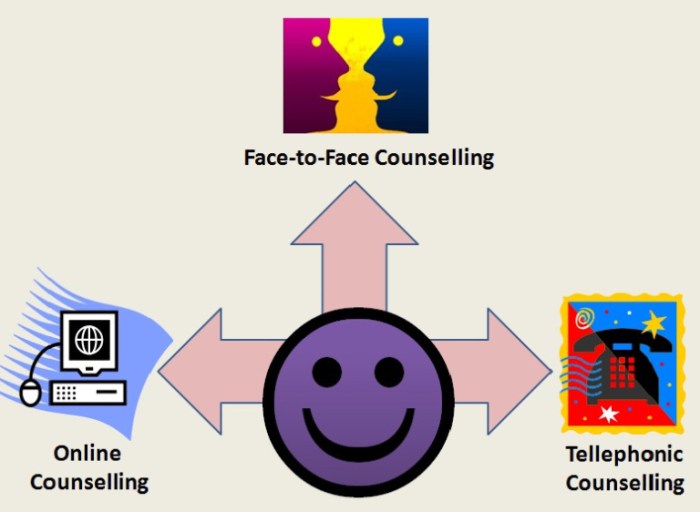
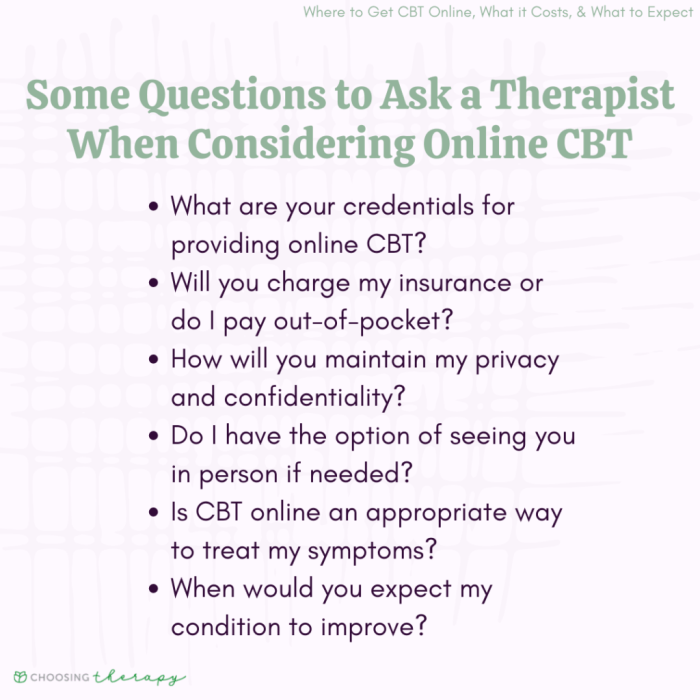
Distance or E-Mentoring: Mentoring relationships conducted online, allowing for flexibility and broader reach.

Reverse Mentoring: A junior employee mentors a senior professional, often to share new skills or perspectives. 

Benefits of Mentoring

Mentoring provides numerous benefits, including:
Professional Development: Helps mentees acquire new skills and knowledge relevant to their careers.
Networking Opportunities: Mentors can introduce mentees to valuable contacts within their industry.

Types of Mentoring

Mentoring can take various forms, including:

WHAT IS A MENTOR?

A mentor is someone with valuable experience and knowledge who offers guidance and support. In mentoring programs, mentors are not just advisers; they are guides that help promote professional growth and skill development within the company. They share insights and are able to open doors that might otherwise remain closed to a mentee. A mentor’s role is diverse, and often extends beyond simple advice-giving. They may perform various mentoring functions, sometimes acting as a coach, a connector, or even a challenger, to help their mentees reach their full potential. It’s not unusual for a mentee to have more than one mentor, as each can provide unique, invaluable perspectives and expertise

WHAT IS A MENTEE?

A mentee is someone who is eager to grow, learn, and develop professionally or personally, and who engages with a mentor for this purpose. They are not passive recipients of a mentor’s wisdom, but rather active participants in their own development journey. The mentee’s role is to be open, curious, and ready to transform the knowledge and advice they receive into meaningful progress in their career or personal life.

HOW DOES MENTORING DIFFER FROM COACHING?

Coaching in a business environment is primarily focused on assisting people with their current performance to “get them fit” for either their current role or their next position. Mentoring, however, is a learning relationship, and is generally focused on long term career development. The primary purpose is to drive personal growth, building skills, knowledge, and understanding. Mentors may use coaching skills in their conversations, but typically the mentor role is wider than that of a coach and may include opening doors, making connections and sharing experiences

WHEN TO USE MENTORING

Many organizations have found that a strong mentor-mentee program means staff are more likely to interact with and retain the information they are being taught. choosing the right application for mentoring, it has been found to be particularly appropriate for increasing employee retention facilitating cultural shifts, and encouraging organizational diversity explores). It is often used to support talent programs, so that participants get the most they can from their involvement by using a mentor to help them embed learning. Mentoring can also be used to encourage ethical behaviour within an organization when compared against other possible Learning & Development program areas.

HOW TO FIND A MENTOR

Identifying the Right Mentor

Finding the right mentor is a key step in your professional journey. Start by identifying what you want to achieve in your career or personal development. This clarity helps in pinpointing the kind of mentor who can guide you effectively. Look for someone whose expertise aligns with your goals and who exhibits qualities that resonate with your values.

INITIATING THE RELATIONSHIP

Once you’ve identified a potential mentor, approach them with respect and clarity. Express your admiration for their work and explain why you believe they would be a great mentor. Be specific about what you’re hoping to learn and how you think they can help. Remember, mentoring is a two-way street. Be open to feedback and willing to invest time and effort into the relationship. It’s also important to respect their time and boundaries, as mentors often juggle their own responsibilities alongside mentoring.

SETTING EFFECTIVE MENTORING GOALS
Setting clear and achievable goals in your mentoring course not only guides the mentoring relationship, but also ensures that it aligns with the broader objectives of your organization. So, how do we define these goals? It begins with understanding what both the mentor and mentee aim to achieve. This could range from professional development to mastering specific skills.


In formal mentoring programs, goals are what keeps the relationship focused and meaningful. For example, if a mentee aims to improve leadership skills, the mentor’s role is to provide guidance and opportunities to develop these skills. It’s not just about one-on-one interactions, however; sometimes, group mentoring can be involved, which allows the mentee to learn from multiple mentors. This approach broadens the mentee’s learning horizon by offering diverse perspectives and experiences.
The beauty of mentoring lies in its flexibility. Whether it’s about career progression, skill enhancement, or personal growth, goals can be tailored to fit each unique mentoring relationship. By ensuring these goals resonate with your organisation’s vision, mentoring can become a powerful tool that fosters a culture of continuous learning and development.

HOW TO START A MENTORING PROGRAM

Want to find out if you’re ready to launch a mentoring program? Take a look at our Mentoring Program Readiness Self-Assessment tool to ensure you’re well-prepared. You can also take a look at our blog for more learning material. Alternatively, contact us. We will talk you through the whole process and help in developing a personalised mentoring program that meets the specific needs of your organisation.

Latest Update: Today is 15t th of September 2025: This is “The 306Post” and with the “Introductory Page this will be all in Total up to date, 307 posts.

Take Home Message
We all have the capacity to adapt and to achieve our personal expectations. we raise the bar in relation to our own potential and push ourselves to achieve Higher things. The therapeutic alliance has been shown to affect treatment outcomes across a range of conditions, therapeutic modalities, and contexts. In other words, a greater sense of social connectedness rooted in caring for others, connecting with the community, and finding a sense of purpose is linked to improved mental health and well-being. Lots of picture Quotes about lot of things you can do. Happy Reading

I hope what I have written and The Knowledge will be Useful and You have learnt new facts. And also You will be able to Enjoy going through The Picture Quotes as I have done quite bit of Making them more colourful and Attractive I am in Good Health and as, “I have been able to, “Receive Healing Energy into My Hands” since “Beginning of 2016” All my Hard work and Praying has been rewarded. Healing Energy can go to others too, and wherever it is needed to be received with a Clear Mind and Lot of Loving Kindness ❤

On Top Right Hand side you are able to see: The word “Menu” when you click on it, you will see the word “Home” All the posts from “The Very Beginning comes ~ Under “Home”. Which is The Introductory Page about: Who I am & Why I am Writing

The old Topics are, “On the Left-Hand side “Under the, “Recent Posts” with “The New Topics adding up. You can “Click and see all The older Topics” “Under “Archives” and “Under Categories”!

I am still “My Healthy self” and Writing “My Own Journey on Wellness and Healing”. So that Everyone can have “Faith, Hope and to Heal” To Lead a Better Life of Good Health, Happiness and Joy”. If you click on the Link You can Read This Post: The Therapists Voice Forward!

On Top Right Hand side you are able to see: The word “Menu” when you click on it, you will see the word “Home” All the posts from “The Very Beginning comes ~ Under “Home”. Which is The Introductory Page about: Who I am & Why I am Writing

The old Topics are, “On the Left-Hand side “Under the, “Recent Posts” with “The New Topics adding up. You can “Click and see all The older Topics” “Under “Archives” and “Under Categories”!

I am still “My Healthy self” and Writing “My Own Journey on Wellness and Healing”. So that Everyone can have “Faith, Hope and to Heal” To Lead a Better Life of Good Health, Happiness and Joy”. If you click on the Link You can Read This Post: The Therapists Voice Forward!

The Topics in Green, if you “Click” on them “Will take you to My other different posts which you will be able to find more information and even Pronunciation”. I have another website with “My own little Poems and Pictures of some of My Hobbies” if you are interested on seeing, “What else I am doing” during my spare time you can have a look at :https://deepanilamani.com/

It is all free”. You can share and pass it on also for others who can benefit from this post. I hope All those who Read will be able to make the maximum use of all what I post and write to make, “Your Lives More Healthy and able to Lead Better lives in Happiness and Peace”. I wish it to be so as,” Peace which is our Ultimate Goal in Life ❤

Sending Many Blessings of Love, Light and Healing Energies to You ❤

May Gods Blessings Be Upon You ❤

Deepa Nilamani ❤
Flag Counter