Date 3rd March 2026: I am in Very Good Health. This is “The 346 Post” and with the “Introductory Page this will be all in Total up to date, 347 articles https://iammypath.com/who-i-am-why-i-am-writing/
As always, it is all free”. You can share and pass it on also for others who can benefit from this post. I hope All those who Read will be able to make the maximum use of all these facts and make, “Your Lives More Healthy and able to Lead Better lives in Happiness and Peace”. I wish it to be so as,” Peace which is our Ultimate Goal
Take Home Message We all have the capacity to adapt and to achieve our personal expectations. we raise the bar in relation to our own potential and conditions. In other words, a greater sense of social connectedness rooted in caring for others, connecting with the community, well-being. When we focus our Energy towards constructing a meaningful life, we are tossing a pebble into the world Creating a beautiful Ripple effect of Inspiration. When one person follows a Dream tries something new or take a daring leap Everyone feels that Energy. And before too long they are making their own leaps and Inspiring yet another circle! Happy Reading 🙂
The coloured Topics in Green, if you “Click” on them “Will take you to other different posts of Mine which you will be able to find more information and even Pronunciation”. I have another website with “My own little Poems and Pictures of some of My Hobbies” if you are interested on seeing, “What else I am doing” you can have a look at: https://deepanilamani.com/
Hello To, All My Dear Readers, My Followers and My Blogging Friends ❤
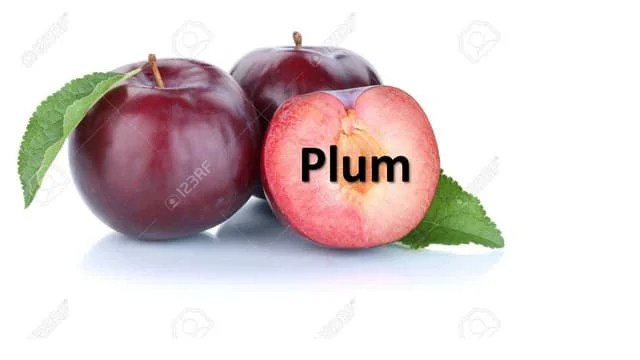
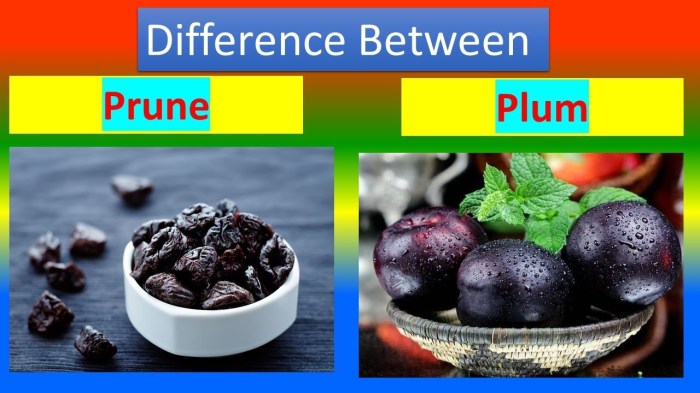
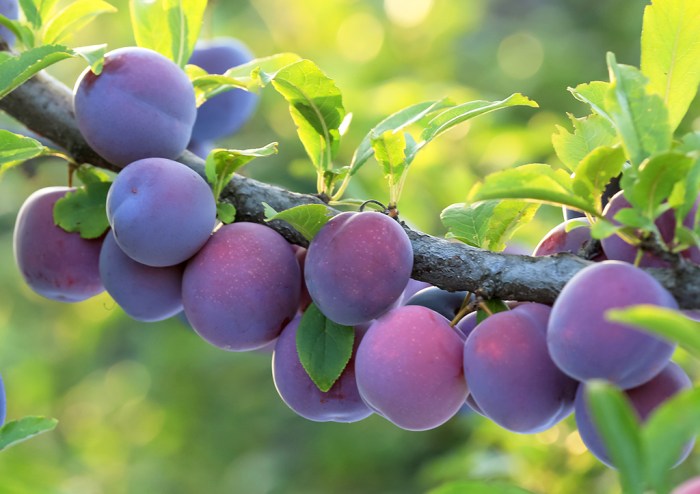
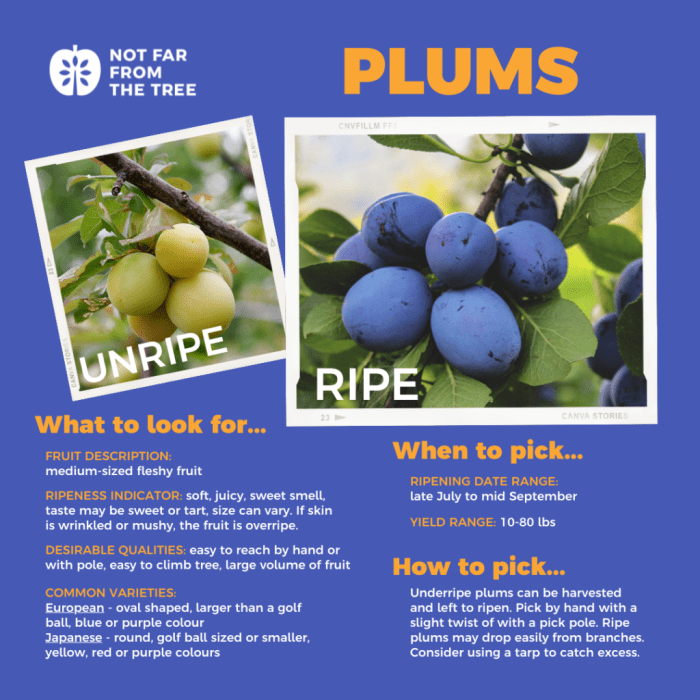
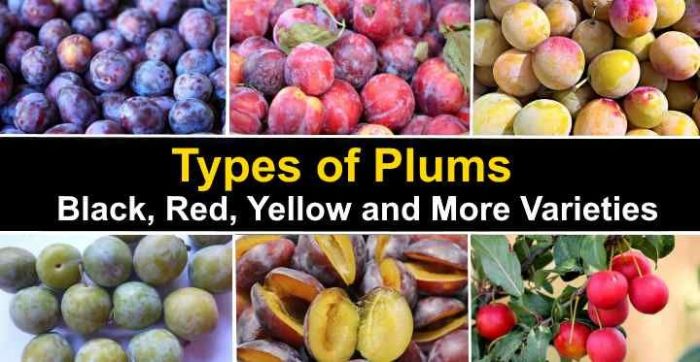
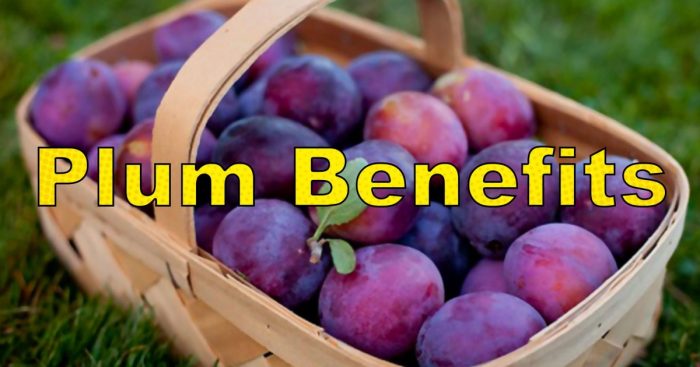
Hope you are keeping well as usual. Today I am writing about Plums and Prunes as some of you had asked!
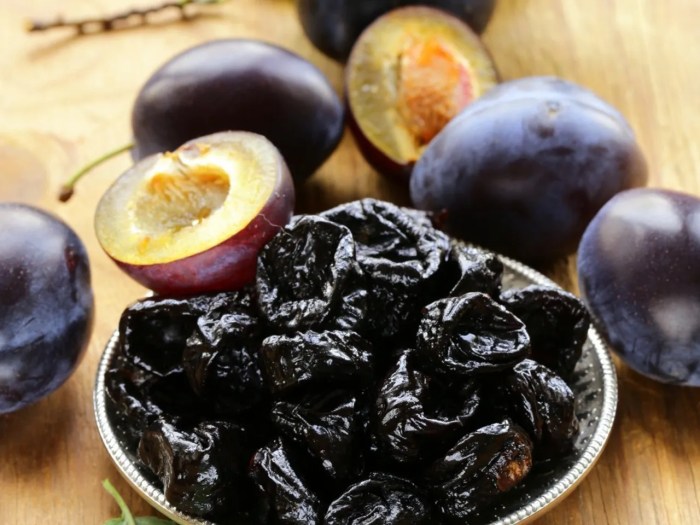
Plums and prunes are impressively high in nutrients. They contain over 15 different vitamins and minerals, in addition to fiber and antioxidants. Prunes are also high in magnesium and vitamin B6. Overall, the vitamin and mineral content of one serving of plums and prunes differs slightly. Prunes contain more vitamin K than plums and are somewhat higher in B vitamins and minerals.
If you don’t have a dehydrator, you can also use your oven at its lowest setting. Be sure to prepare a few baking sheets with parchment paper or a very light coating of quality oil. A solar oven can also be used for making prunes if it is properly vented. Clean the solar oven thoroughly and prepare baking sheets accordingly.
If you have any concern that your prunes may not be completely dry, store your softer batches in the fridge and eat them inside a month. It’s a fine line between still wet and just soft, so do your best to judge and just keep practicing until you get a feel for it. I
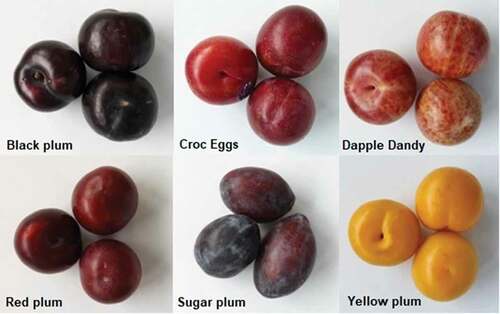
I love sugar plums smaller and very tasty excellent for digestion. Don’t have to make prunes unless those like to preserve and into liking cookery as a hobby 🙂
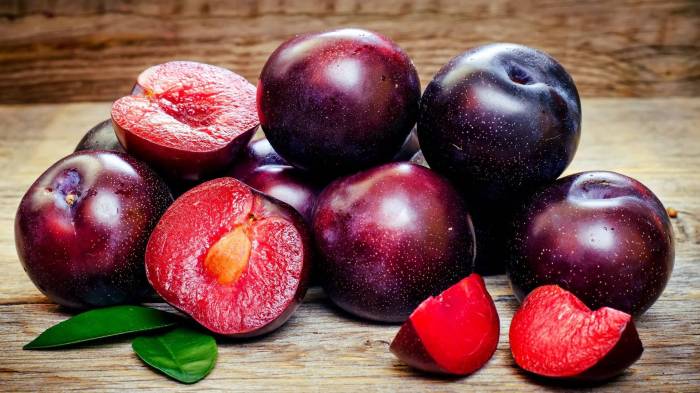
Both fresh and dried plums contain fiber and antioxidants. They may help reduce constipation and benefit your overall health. Plums contain many vitamins and minerals, in addition to fiber and antioxidants that may help reduce your risk of several chronic diseases. You can consume plums fresh or dried. Dried plums, or prunes, are known for improving several health conditions, including constipation.
Plums are a healthy, low-calorie snack. But what happens when your backyard tree produces more fresh plums than your family can consume? One solution is drying plums in the oven or a food dehydrator to make prunes. If you’ve never tried making prunes, don’t fret. Follow the simple instructions below and your family will be enjoying dried plums all winter long.
Growing Prunes in the Home Garden
Before jumping in and learning how to make prunes, first consider whether or not you have a suitable type of plum for drying. Not all plums make good prunes.
How to Make Prunes
Learning how to dry prunes safely is not difficult. For the best results, start with freshly-harvested, mature plums in good condition (no mold, bruising or decay). Wash and dry the plums gently.
Small plums can be dried whole, but the resulting prunes will contain pits. In order for whole plums to dehydrate properly, the skins must be cracked by dipping the plums in boiling water for 1-2 minutes. Cool the fruit quickly by submerging in ice water, then continue with the following instructions for how to dry prunes:
Pre-treat plums to retain color – Soak whole or pitted, halved plums in a pretreatment solution for 3-5 minutes. This solution can be made by mixing equal parts of lemon juice and water.
Arrange the plums on drying trays – Remove the plums from the pre-treatment solution and drain thoroughly. Then place the plums (skin side down to prevent sticking) in a single layer on the drying racks. Leave space around each plum for air to circulate.
Select the drying temperature and time – Place the drying racks in the oven or dehydrator and set the thermostat to 140 degrees F. (60 C.) Pitted, halved plums will take 24 to 36 hours to dry in a dehydrator. Expect longer times for whole plums or when drying plums in the oven.
Test for doneness – To promote even drying, turn or rotate the fruit every 3 to 4 hours. Properly dried fruit will feel leathery and be pliable. Check for doneness by squeezing a few pieces of cooled fruit in your hand. If they stick together or ooze moisture, continue drying.
Condition – This conditioning process evenly distributes the residual moisture throughout the prunes and prevents spoilage when stored. To condition prunes, place them in a lightly-covered glass or plastic bowl for 4 to 10 days. Stir or shake daily. If droplets of moisture appear inside the container, repeat the drying and conditioning process.
To store prunes, place small portions of dried and conditioned plums into vapor-tight jars, containers or plastic bags. Store them in a cool, dry, dark place and use within 6 to 12 months.
I hope you learnt some goot tips to eat plums and or prunes. If by chance some of you can’t get fresh You can Eat fresh or make juice at home:
Date 30 NOVEMBER r 2025: I am in Very Good Health. This is “The 340 Post” and with the “Introductory Page this will be all in Total up to date, 341 articles https://iammypath.com/who-i-am-why-i-am-writing/
What I am doing is, “Taken the Therapists Voices with me and have been Moving forward Telling “My Own Journey in Good Health and Healing” in Helping Others to have “Faith, Hope and to Heal” and Lead a Life of Good Health, Happiness and Joy, and it is in this post if you click on the Link: The Therapists
Take Home Message We all have the capacity to adapt and to achieve our personal expectations. we raise the bar in relation to our own potential and push ourselves to achieve Higher things. The therapeutic alliance has been shown to affect treatment outcomes across a range of conditions, therapeutic modalities, and contexts. In other words, a greater sense of social connectedness rooted in caring for others, connecting with the community, and finding a sense of purpose is linked to improved mental health and well-being. Lots of picture Quotes about lot of things you can do. Happy Reading
The coloured Topics in Green, if you “Click” on them “Will take you to other different posts of Mine which you will be able to find more information and even Pronunciation”. I have another website with “My own little Poems and Pictures of some of My Hobbies” if you are interested on seeing, “What else I am doing” you can have a look at: https://deepanilamani.com/
As always, it is all free”. You can share and pass it on also for others who can benefit from this post. I hope All those who Read will be able to make the maximum use of all these facts and make, “Your Lives More Healthy and able to Lead Better lives in Happiness and Peace”. I wish it to be so as,” Peace which is our Ultimate Goal ❤
As always, it is all free”. You can share and pass it on also for others who can benefit from this post. I hope All those who Read will be able to make the maximum use of all these facts and make, “Your Lives More Healthy and able to Lead Better lives in Happiness and Peace”. I wish it to be so as,” Peace which is our Ultimate Goal ❤
Hello To, All My Dear Readers, My Followers and My Blogging Friends ❤
Hope all of you are in Good Health and getting on in your lives well. Year 2024 has zoomed past and almost coming on to 2026. Today I want to write about a topic most of you have not even heard its about Japanese Paper craft 🙂
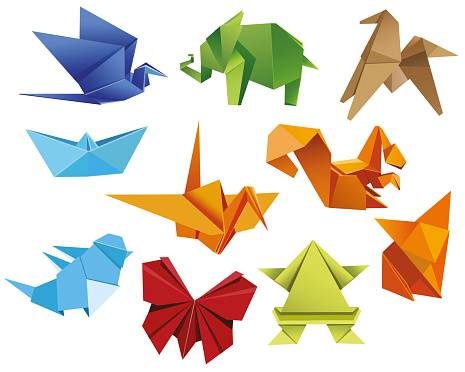
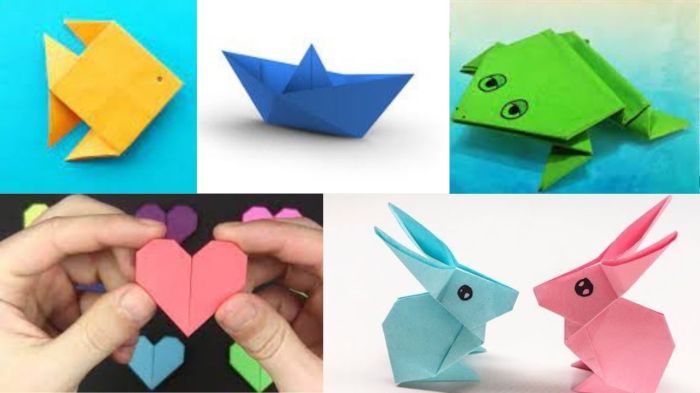
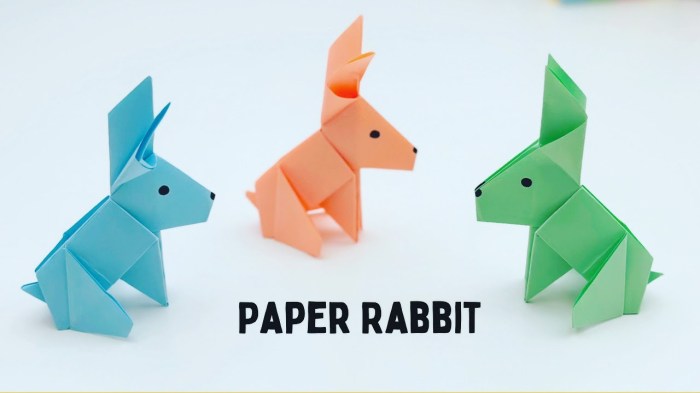
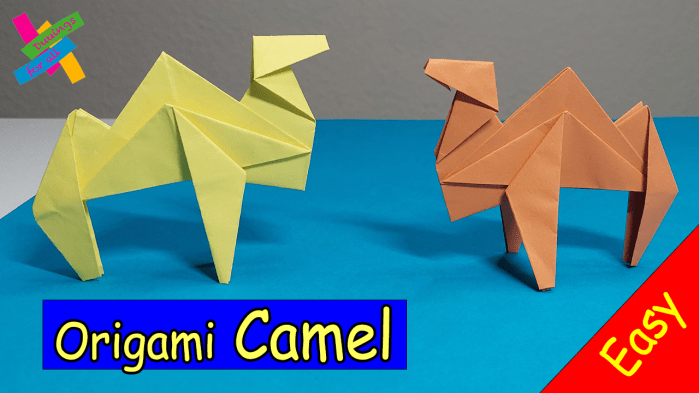
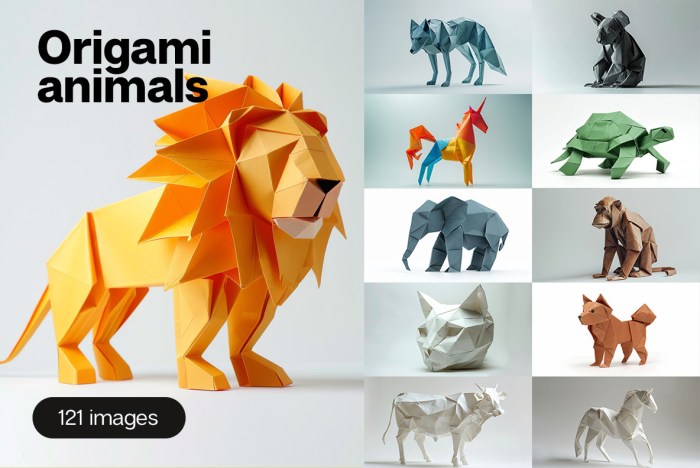
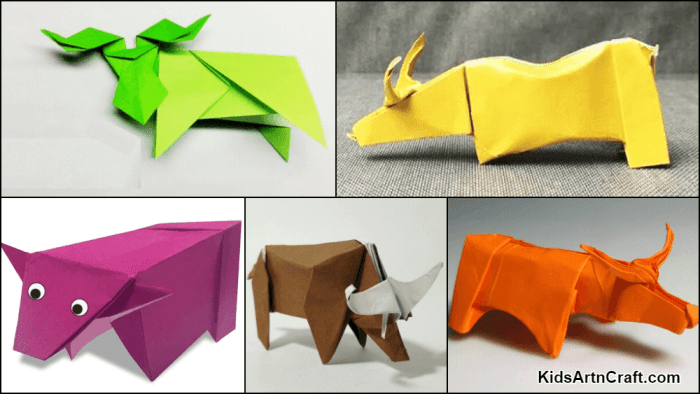
Origami (折り紙) is the Japanese art of paper folding. In modern usage, the word origami is often used as an inclusive term for all folding practices, regardless of their culture of origin. The goal is to transform a flat square sheet of paper into a finished sculpture through folding and sculpting techniques. Modern origami practitioners generally discourage the use of cuts, glue, or markings on the paper. Origami folders often use the Japanese word kirigami to refer to designs which use cuts.
In the detailed Japanese classification, origami is divided into stylized ceremonial origami (儀礼折り紙, girei origami) and recreational origami (遊戯折り紙, yūgi origami), and only recreational origami is generally recognized as origami. In Japan, ceremonial origami is generally called “origata” (ja:折形) to distinguish it from recreational origami. The term “origata” is one of the old terms for origami.
The small number of basic origami folds can be combined in a variety of ways to make intricate designs. The best-known origami model is the Japanese paper crane. In general, these designs begin with a square sheet of paper whose sides may be of different colors, prints, or patterns. Traditional Japanese origami, which has been practiced since the Edo period (1603–1868), has often been less strict about these conventions, sometimes cutting the paper or using nonsquare shapes to start with. The principles of origami are also used in stents, packaging, and other engineering applications.
Etymology
The word “origami” is a compound of two smaller words: “ori” (root verb “oru”), meaning to fold, and “kami”, meaning paper. Until recently, not all forms of paper folding were grouped under the word origami. Before that, paper folding for play was known by a variety of names, including “orikata” or “origata” (折形), “orisue” (折据), “orimono” (折物), “tatamigami” (畳紙) and others.
Distinct paperfolding traditions arose in Europe, China, and Japan which have been well-documented by historians. These seem to have been mostly separate traditions, until the 20th century.
Ceremonial origami (origata)
By the 7th century, paper had been introduced to Japan from China via the Korean Peninsula, and the Japanese developed washi by improving the method of making paper in the Heian period. The papermaking technique developed in Japan around 805 to 809 was called nagashi-suki (流し漉き), a method of adding mucilage to the process of the conventional tame-suki (溜め漉き) technique to form a stronger layer of paper fibers With the development of Japanese papermaking technology and the widespread use of paper, folded paper began to be used for decorations and tools for religious ceremonies such as gohei, ōnusa (ja:大麻 (神道)) and shide at Shinto shrines. Religious decorations made of paper and the way gifts were wrapped in folded paper gradually became stylized and established as ceremonial origami.] During the Heian period, the Imperial court established a code of etiquette for wrapping money and goods used in ceremonies with folded paper, and a code of etiquette for wrapping gifts.
Almost any laminar (flat) material can be used for folding; the only requirement is that it should hold a crease. Origami paper, often referred to as “kami” (Japanese for paper), is sold in prepackaged squares of various sizes or more. It is commonly colored on one side and white on the other; however, dual coloured and patterned versions exist and can be used effectively for color-changed models. Origami paper weighs slightly less than copy paper, making it suitable for a wider range of models.
Normal copy paper can be used for simple folds, such as the crane and waterbomb. Heavier weight papers of or more can be wet-folded. This technique allows for a more rounded sculpting of the model, which becomes rigid and sturdy when it is dry.
Foil-backed paper, as its name implies, is a sheet of thin foil glued to a sheet of thin paper. Related to this is tissue foil, which is made by gluing a thin piece of tissue paper to kitchen aluminium foil. A second piece of tissue can be glued onto the reverse side to produce a tissue/foil/tissue sandwich. Foil-backed paper is available commercially, but not tissue foil; it must be handmade. Both types of foil materials are suitable for complex models.
Washi (和紙) is the traditional origami paper used in Japan. Washi is generally tougher than ordinary paper made from wood pulp, and is used in many traditional arts. Washi is commonly made using fibres from the bark of the gampi tree, the mitsumata shrub (Edgeworthia papyrifera), or the paper mulberry but can also be made using bamboo, hemp, rice, and wheat.
Artisan papers such as unryu, lokta, hanji gampi, kozo, saa, and abaca have long fibers and are often extremely strong. As these papers are floppy to start with, they are often backcoated or resized with methylcellulose or wheat paste before folding. Also, these papers are extremely thin and compressible, allowing for thin, narrowed limbs as in the case of insect models.
Date 22 Nd NOVEMBER r 2025: I am in Very Good Health. This is “The 338 Post” and with the “Introductory Page this will be all in Total up to date, 339 articles https://iammypath.com/who-i-am-why-i-am-writing/
What I am doing is, “Taken the Therapists Voices with me and have been Moving forward Telling “My Own Journey in Good Health and Healing” in Helping Others to have “Faith, Hope and to Heal” and Lead a Life of Good Health, Happiness and Joy, and it is in this post if you click on the Link: The Therapists Voice Forwar
🎉 Congrats! I am My Path! is getting noticed. Natural Wellness Boost and 382 others have subscribed to your site.
Take Home Message We all have the capacity to adapt and to achieve our personal expectations. we raise the bar in relation to our own potential and push ourselves to achieve Higher things. The therapeutic alliance has been shown to affect treatment outcomes across a range of conditions, therapeutic modalities, and contexts. In other words, a greater sense of social connectedness rooted in caring for others, connecting with the community, and finding a sense of purpose is linked to improved mental health and well-being. Lots of picture Quotes about lot of things you can do. Happy Reading
The coloured Topics in Green, if you “Click” on them “Will take you to other different posts of Mine which you will be able to find more information and even Pronunciation”. I have another website with “My own little Poems and Pictures of some of My Hobbies” if you are interested on seeing, “What else I am doing” you can have a look at: https://deepanilamani.com/ As always, it is all free”. You can share and pass it on also for others who can benefit from this post. I hope All those who Read will be able to make the maximum use of all these facts and make, “Your Lives More Healthy and able to Lead Better lives in Happiness and Peace”. I wish it to be so as,” Peace which is our Ultimate Goal
As always, it is all free”. You can share and pass it on also for others who can benefit from this post. I hope All those who Read will be able to make the maximum use of all these facts and make, “Your Lives More Healthy and able to Lead Better lives in Happiness and Peace”. I wish it to be so as,” Peace which is our Ultimate Goal
Hello to, All My Dear Readers, Followers and My Blogging Friends ❤
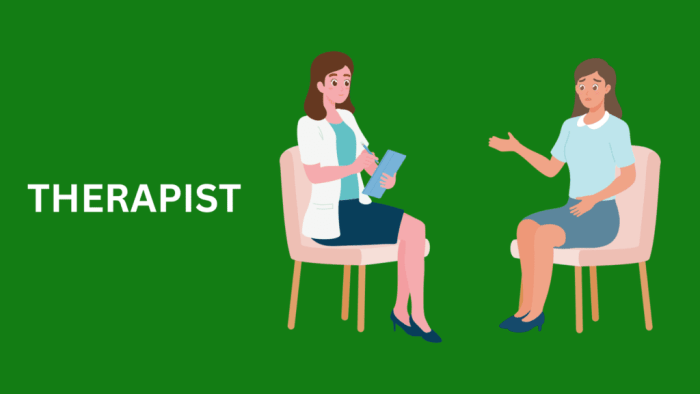
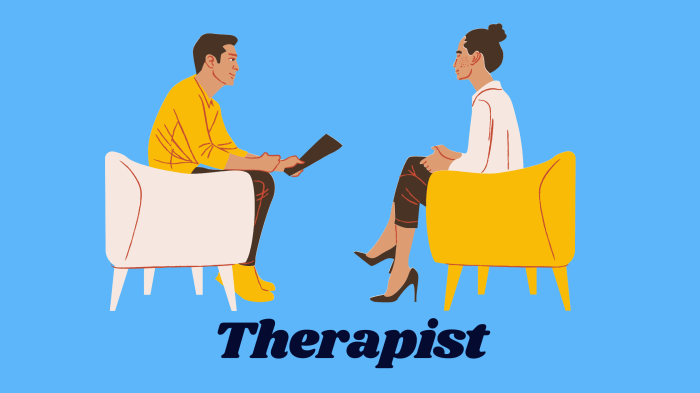
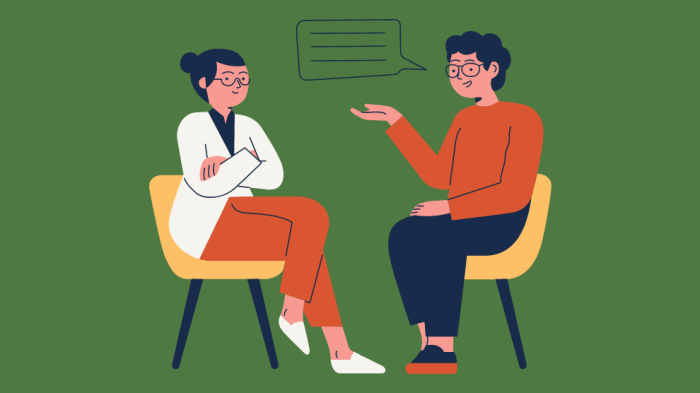
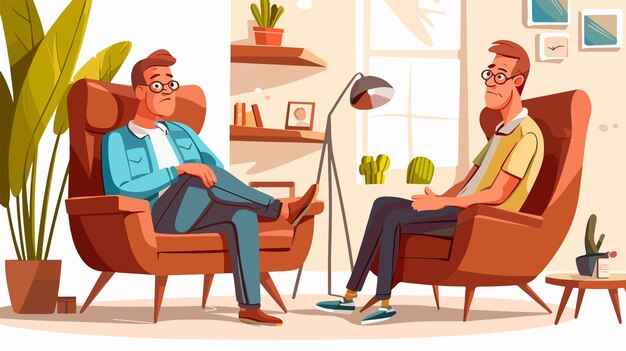
Hope All of You are keeping well and Happy. As usual I am keeping in Good Health and moving forward doing my usual, activities. I decided to rewrite some of the old articles with added knowledge and the changes The world has gone through. and I wrote about what Therapy is about and now “What you need to know Before You start Therapy!
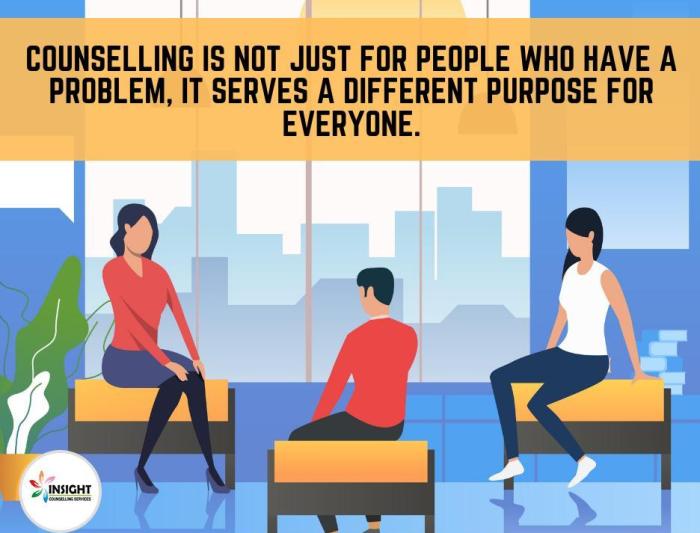
This is only for those who are new readers and only for those think they need Counselling. It can be actually for advice on some Daily issues. Not necessarily any mental issues or even for some others to give as knowledge 🙂
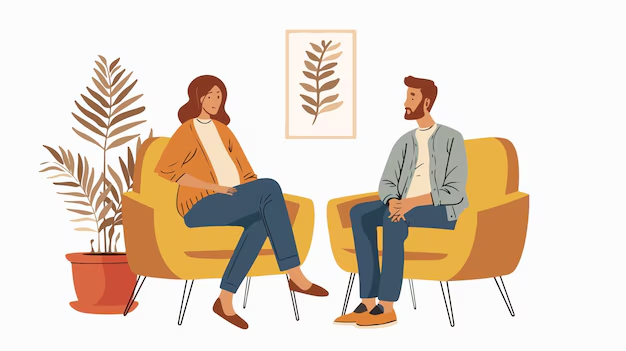
If you’re thinking about starting therapy, you may feel excited about the opportunity to work on yourself … but also a bit stressed. The choices can feel overwhelming — deciding what type of therapy you need or who’s going to be the perfect therapist for you. You may not be sure where to start. So, let’s take the first step together and navigate the various information that can help make the decision to start therapy simpler.
Know that it’s not a sign of weakness
Sometimes, even admitting you need to start therapy can be the hardest step. This may be because you’re letting certain stigmas against therapy hold you back. For example, maybe you’ve been taught that seeking any sort of counseling is a sign of weakness. Or maybe your instinct is to bottle up difficult emotions instead of letting them out.
If you’re still on the fence about whether or not you need to start therapy, know that each session (no matter how many you need) will be focused on any or stressors you’re dealing with. For example, if you’re having a some problem day-to-day life, a therapist can help find the root cause of that issue and then gradually give you the tools to work at it.
Find the right type of therapy for you
Therapy isn’t a one-size-fits-all process. From psychotherapy to cognitive behavioral therapy (CBT), psychologist explains how each type uses different approaches and strategies. If you’re just starting out, take time to understand the types that are out there to help you decide which one is right for you.
So, where do I start?
Luckily, there are many ways you can start your search for a therapist. going through a healthcare provider, a referral from a friend or just start by looking around online. Even before you set up your first appointment, you can ask any questions about the therapist beforehand — like whether they’re specialized in the type of care you’re looking for or if they fit your schedule.
Taking steps to start therapy can be little worried but allow yourself patience and grace — after all, you’ve made the brave decision to take the first step — and with these tips and a little patience, you can find the therapist who’s right for you.
How to decide what’s best for you
To help find the best type of therapy for you, starting out with what problems or issues you’d like to discuss.
Ask yourself:
What do I want to change?
What is getting in the way of me making that change?
How much structure do I want in my sessions?
It’s also important to note that many health professionals use an integrative approach, meaning they are trained in a variety of therapies and will often use multiple approaches into their patient’s treatment.
Ask any potential therapists the following questions to help make the best decision:
Do you have experience treating people with similar problems?
How do you think that I can get better?
What kind of approaches do you use for problems like this?
It can be just Guidance on What Subjects Best to study, what sort of Job will Suits You, even where to live, House or flat. Because they will look and Listen in a different way. And advice on what they will think Best for your personality 🙂
From WordPress You’ve posted 4 days in a row on I am My Path!! Keep up the good work.
Latest Update: Today is the 12 th of October 2025: This is “The 328 Post” and with the “Introductory Page this will be all in Total up to date, 329 posts :).
Take Home Message We all have the capacity to adapt and to achieve our personal expectations. we raise the bar in relation to our own potential and push ourselves to achieve Higher things. The therapeutic alliance has been shown to affect treatment outcomes across a range of conditions, therapeutic modalities, and contexts. In other words, a greater sense of social connectedness rooted in caring for others, connecting with the community, and finding a sense of purpose is linked to improved mental health and well-being. Lots of picture Quotes about lot of things you can do. Happy Reading 🙂
The coloured Topics in Green, if you “Click” on them “Will take you to other different posts of Mine which you will be able to find more information and even Pronunciation”. I have another website with “My own little Poems and Pictures of some of My Hobbies” if you are interested on seeing, “What else I am doing” you can have a look at: https://deepanilamani.com/
As always, it is all free”. You can share and pass it on also for others who can benefit from this post. I hope All those who Read will be able to make the maximum use of all these facts and make, “Your Lives More Healthy and able to Lead Better lives in Happiness and Peace”. I wish it to be so as,” Peace which is our Ultimate Goal ❤





 I am My Path!
You must be logged in to post a comment.