Just Thinking!

Hello to, All My Dear Readers, Followers and My Blogging Friends ❤

Hope All of You are keeping well and Happy. As usual I am keeping in Good Health and moving forward doing my usual, activities. I decided to rewrite some of the old articles with added knowledge and the changes The world has gone through. This is a Topic I have not written before and I like to write new posts so this is about Thinking 🙂

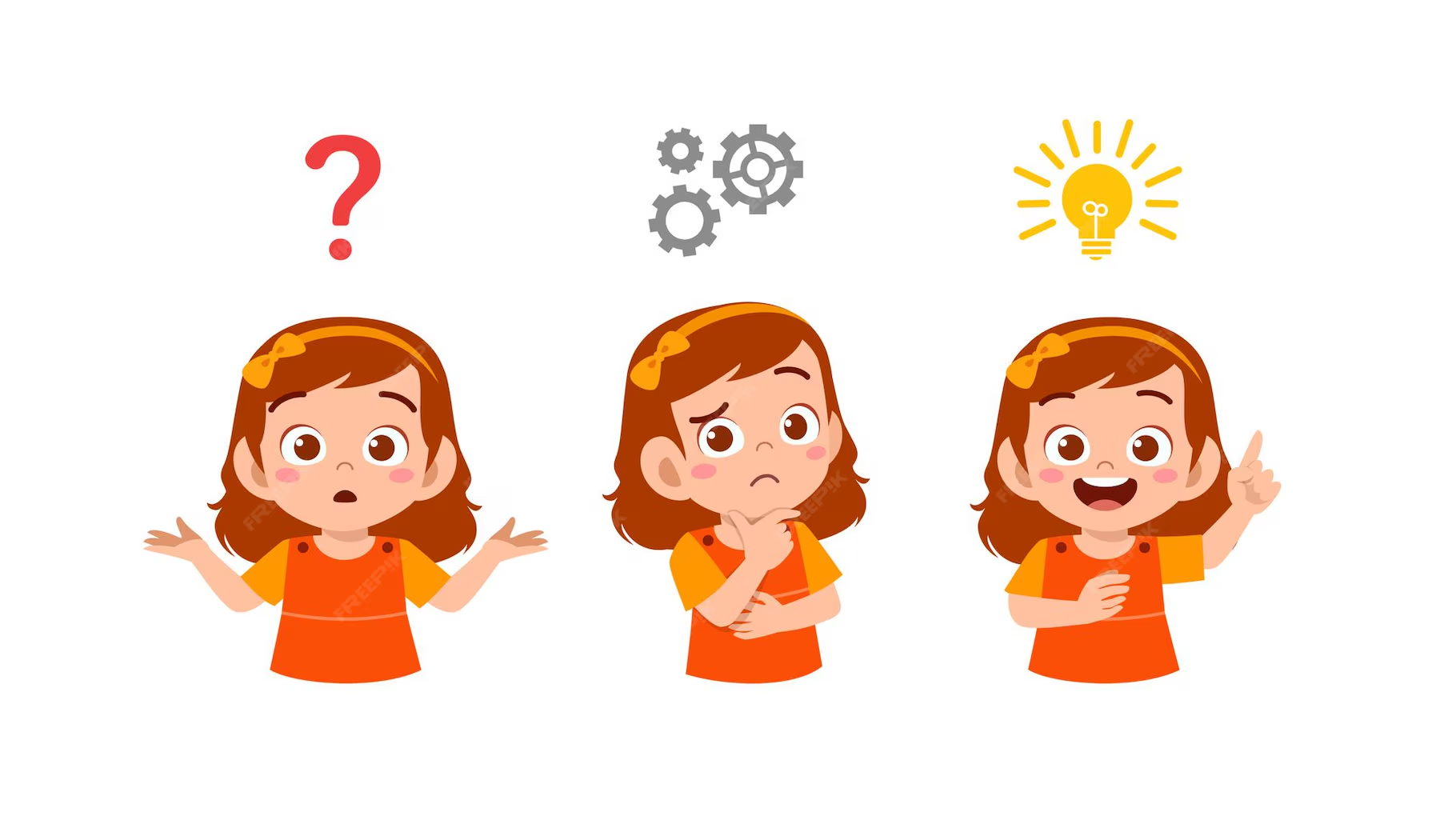
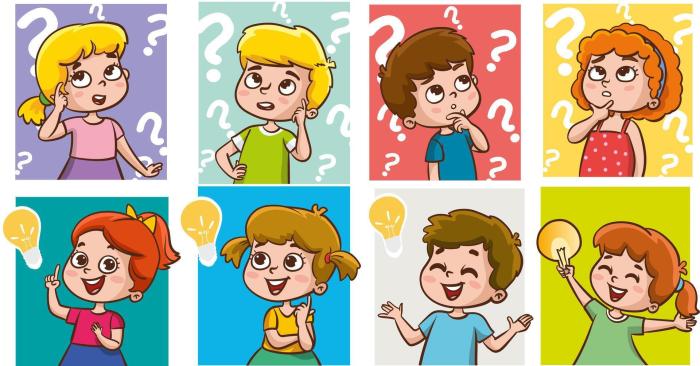
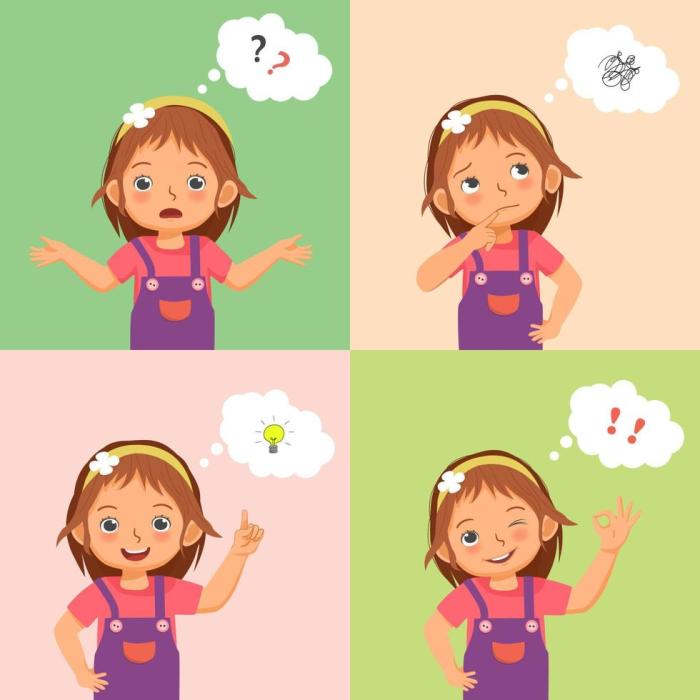
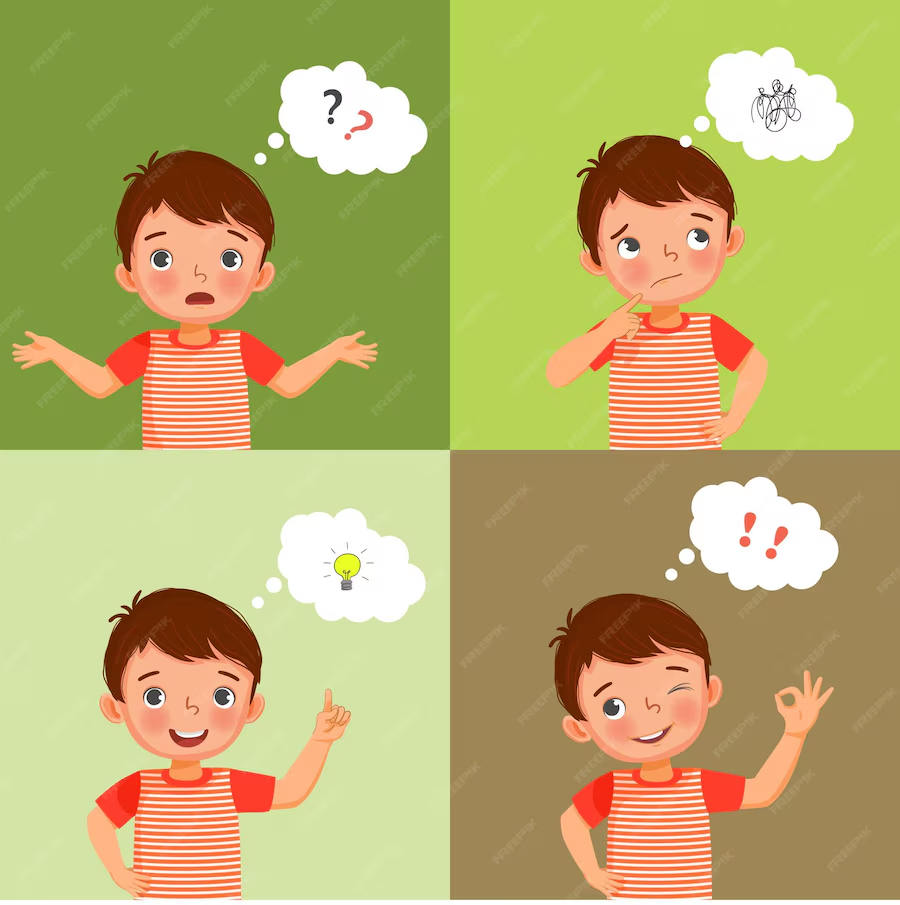
Just thinking in my words is also something like “Dy Dreaming “Thinking from the Mind can be on some topic or what to do next planning how to go about. Without speaking and staying quietly.

Thought, covert symbolic responses to stimuli that are (arising from within) or arising from the environment Thought, or thinking, is considered to mediate between inner activity and external stimuli.

In everyday language, the word thinking covers several distinct psychological activities. It is sometimes for “tending to believe,” especially with less than full confidence (“I think that it will rain, but I am not sure”). At other times it denotes the degree of attentiveness (“I did it without thinking”) or whatever is in consciousness, especially if it refers to something outside the immediate environment (“It made me think of my grandmother”). Psychologists have concentrated on thinking aimed at finding an answer to a question or the solution of a practical problem.

The process of thought

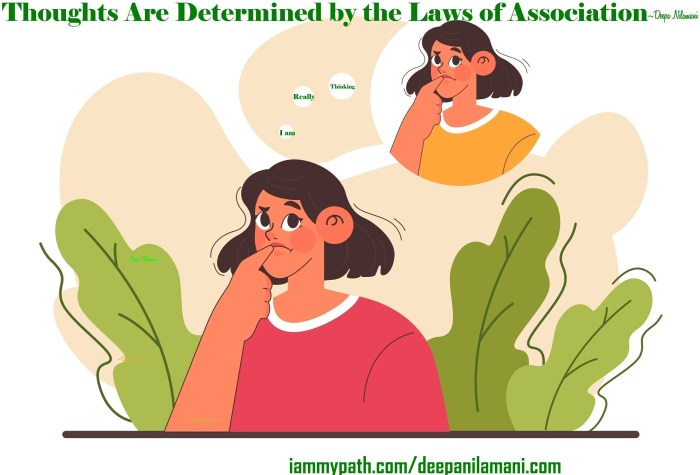
According to the classical view, the succession of ideas or images in a train of thought is determined by the laws of association. Although additional associative laws were proposed from time to time, two invariably were recognized. The law states that the sensation or idea of a particular object tends to evoke the idea of something that has often been encountered together with it. The law of association by similarity states that the sensation or idea of a particular object tends to evoke the idea of something that is similar to it.

Creative thinking

As discussed above, creative) thinking is an activity that leads to new information, or previously undiscovered solutions. Some problems demand flexibility, originality, fluency, and inventiveness, especially those for which the individual must supply a unique solution. creativity. Creative thinking is a matter of using intrinsic resources to produce tangible results. This process is markedly influenced by early experience and training. Thus, school and work situations that encourage individual expression and that tolerate thinking seem to foster the development of creativity.

Computer science has been very important in cognitive science for two reasons. First, the notion of computation has been invaluable for developing ideas about how thinking might be a natural process. Previously, scientific theories of the mind relied on clumsy and unproductive analogies with mechanical devices such as clocks and electronic switchboards. The advent of computer programs made it possible to see how a mechanical device could solve complex problems by manipulating symbols, or representations, according to procedures (computations), for how minds might work in similar ways. Standard programming languages, instructions, which suggest a model of how people make plans. Second, computers themselves have been useful for testing scientific organization and functioning. The program is then run on a computer, and if the computer’s output is similar in appropriate ways to real performance,

Positive thinking

Positive thinking is an important topic in positive psychology. It involves focusing one’s attention on the positive aspects of one’s situation and thereby withdrawing one’s attention from its negative sides.[mThis is usually seen as a global outlook that applies especially to thinking but includes othe processes, like feeling, as well. In this sense, it is closely related to positive things to happen in the future. This positive outlook makes it more likely for people to seek to attain new goals. It also increases the probability of continuing to strive towards pre-existing goals that seem difficult to reach instead of just giving up.

The effects of positive thinking are not yet thoroughly researched, but some studies suggest that there is a correlation between positive thinking and well-being. For example, students with a positive outlook tend to be better at dealing with stressful situations. This is sometimes explained by pointing out that stress is not inherent in stressful situations but depends on the agent’s interpretation of the situation. Reduced stress may therefore be found in positive thinkers because they tend to see such situations in a more positive light. that positive thinkers tend to employ healthier coping strategies when faced with difficult situations.

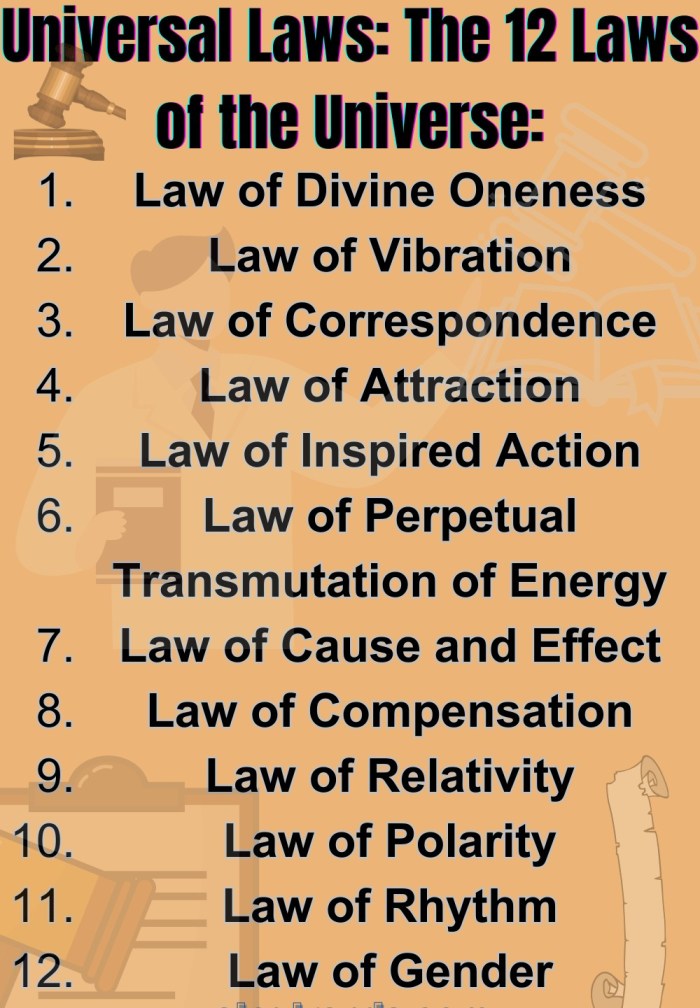
But it has been argued that whether positive thinking actually leads to positive outcomes depends on various other factors. Without these factors, it may lead to negative results. to make a positive practical contribution, Positive thinking is a topic in the self-help literature. Here, often the claim is made that one can significantly improve one’s life by trying to think positively, New Thought movement, positive thinking figures in the law of attraction, that positive thoughts can directly influence the external world by attracting positive outcomes.

Psychology

Main article: Cognitive psychology

Psychologists have concentrated on thinking as an intellectual exertion aimed at finding an answer to a question or the solution of a practical problem. Cognitive psychology is a branch of psychology that investigates internal mental processes such as problem solving, memory, and language; all of which are used in thinking. The school of thought arising from this approach is known as cognitivism, which is interested in how people mentally represent information processing.

Thought experiments

Thought experiments involve thinking about imaginary situations, often with the aim of investigating the possible consequences of a change to the actual sequence of events. It is a controversial issue to what extent thought experiments should be understood as actual experiments. They are experiments in the sense that a certain situation is set up and one tries to learn from this situation by understanding what follows from it. They differ from regular experiments in that imagination is used to set up the situation and what follows from it, instead of setting it up physically and observing thinking, therefore, plays a central role in thought experiments. how to reply to any possible message, similar to how a computer would react to messages.

Thought experiments are employed for various purposes, for example, for entertainment, education This use is found in fields like philosophy, the natural sciences, and history. It is controversial since there is a lot of disagreement concerning the epistemic status of thought experiments, of this usage is the fact that they pretend to be a source of knowledge without the need to leave one’s armchair in search of any new data.

Laws of thought

Traditionally, the term “laws of thought” how the laws of thought are to be understood.

You’re on a 5-day streak on I am My Path!! From WordPress You’ve posted 5 days in a row on I am My Path!! Keep up the good work.

Latest Update: Today is the 15 th of October 2025: This is “The 329Post” and with the “Introductory Page this will be all in Total up to date, 330 posts :).

Take Home Message
We all have the capacity to adapt and to achieve our personal expectations. we raise the bar in relation to our own potential and push ourselves to achieve Higher things. The therapeutic alliance has been shown to affect treatment outcomes across a range of conditions, therapeutic modalities, and contexts. In other words, a greater sense of social connectedness rooted in caring for others, connecting with the community, and finding a sense of purpose is linked to improved mental health and well-being. Lots of picture Quotes about lot of things you can do. Happy Reading 🙂

The coloured Topics in Green, if you “Click” on them “Will take you to other different posts of Mine which you will be able to find more information and even Pronunciation”. I have another website with “My own little Poems and Pictures of some of My Hobbies” if you are interested on seeing, “What else I am doing” you can have a look at: https://deepanilamani.com/

As always, it is all free”. You can share and pass it on also for others who can benefit from this post. I hope All those who Read will be able to make the maximum use of all these facts and make, “Your Lives More Healthy and able to Lead Better lives in Happiness and Peace”. I wish it to be so as,” Peace which is our Ultimate Goal ❤

May Gods Blessings Be Upon You ❤

Thanking The i net for the pictures ❤

Deepa Nilamani ❤
Flag Counter

Before Starting Therapy!

Hello to, All My Dear Readers, Followers and My Blogging Friends ❤

Hope All of You are keeping well and Happy. As usual I am keeping in Good Health and moving forward doing my usual, activities. I decided to rewrite some of the old articles with added knowledge and the changes The world has gone through. and I wrote about what Therapy is about and now “What you need to know Before You start Therapy!

This is only for those who are new readers and only for those think they need Counselling. It can be actually for advice on some Daily issues. Not necessarily any mental issues or even for some others to give as knowledge 🙂

If you’re thinking about starting therapy, you may feel excited about the opportunity to work on yourself … but also a bit stressed. The choices can feel overwhelming — deciding what type of therapy you need or who’s going to be the perfect therapist for you. You may not be sure where to start. So, let’s take the first step together and navigate the various information that can help make the decision to start therapy simpler.

Know that it’s not a sign of weakness

Sometimes, even admitting you need to start therapy can be the hardest step. This may be because you’re letting certain stigmas against therapy hold you back. For example, maybe you’ve been taught that seeking any sort of counseling is a sign of weakness. Or maybe your instinct is to bottle up difficult emotions instead of letting them out.

If you’re still on the fence about whether or not you need to start therapy, know that each session (no matter how many you need) will be focused on any or stressors you’re dealing with. For example, if you’re having a some problem day-to-day life, a therapist can help find the root cause of that issue and then gradually give you the tools to work at it.

Find the right type of therapy for you

Therapy isn’t a one-size-fits-all process. From psychotherapy to cognitive behavioral therapy (CBT), psychologist explains how each type uses different approaches and strategies. If you’re just starting out, take time to understand the types that are out there to help you decide which one is right for you.

So, where do I start?

Luckily, there are many ways you can start your search for a therapist. going through a healthcare provider, a referral from a friend or just start by looking around online. Even before you set up your first appointment, you can ask any questions about the therapist beforehand — like whether they’re specialized in the type of care you’re looking for or if they fit your schedule.

Taking steps to start therapy can be little worried but allow yourself patience and grace — after all, you’ve made the brave decision to take the first step — and with these tips and a little patience, you can find the therapist who’s right for you.

How to decide what’s best for you

To help find the best type of therapy for you, starting out with what problems or issues you’d like to discuss.

Ask yourself:

  • What do I want to change?
  • What is getting in the way of me making that change?
  • How much structure do I want in my sessions?

It’s also important to note that many health professionals use an integrative approach, meaning they are trained in a variety of therapies and will often use multiple approaches into their patient’s treatment.

Ask any potential therapists the following questions to help make the best decision:

  • Do you have experience treating people with similar problems?
  • How do you think that I can get better?
  • What kind of approaches do you use for problems like this?

It can be just Guidance on What Subjects Best to study, what sort of Job will Suits You, even where to live, House or flat. Because they will look and Listen in a different way. And advice on what they will think Best for your personality 🙂

From WordPress You’ve posted 4 days in a row on I am My Path!! Keep up the good work.

Latest Update: Today is the 12 th of October 2025: This is “The 328 Post” and with the “Introductory Page this will be all in Total up to date, 329 posts :).

Take Home Message
We all have the capacity to adapt and to achieve our personal expectations. we raise the bar in relation to our own potential and push ourselves to achieve Higher things. The therapeutic alliance has been shown to affect treatment outcomes across a range of conditions, therapeutic modalities, and contexts. In other words, a greater sense of social connectedness rooted in caring for others, connecting with the community, and finding a sense of purpose is linked to improved mental health and well-being. Lots of picture Quotes about lot of things you can do. Happy Reading 🙂

The coloured Topics in Green, if you “Click” on them “Will take you to other different posts of Mine which you will be able to find more information and even Pronunciation”. I have another website with “My own little Poems and Pictures of some of My Hobbies” if you are interested on seeing, “What else I am doing” you can have a look at: https://deepanilamani.com/

As always, it is all free”. You can share and pass it on also for others who can benefit from this post. I hope All those who Read will be able to make the maximum use of all these facts and make, “Your Lives More Healthy and able to Lead Better lives in Happiness and Peace”. I wish it to be so as,” Peace which is our Ultimate Goal ❤

May Gods Blessings Be Upon You ❤

Thanking The i net for the pictures ❤

Deepa Nilamani ❤

Flag Counter

Music Therapy!

Hello to, All My Dear Readers, Followers and My Blogging Friends ❤

Hope All of You are keeping well and Happy. As usual I am keeping in Good Health and moving forward doing my usual, activities. I began Writing an article on Publishing as I am an Author and also a Publisher. That I decided to rewrite some of the old articles with added knowledge and the changes The world has gone through and I wrote about “Languages and that went on to quite a few posts on that and I came upon Speech Therapy Because of that I wrote about CBT Therapy. And now a lighter subject “”Music Therapy!

Music therapy is a form of treatment that uses music within the therapeutic relationship to help accomplish the patient’s individualized goals. This evidence-based approach involves techniques such as listening to, reflecting on, and creating music under the guidance of a trained music therapist. It’s not necessary to have a musical background to benefit from music therapy. People of all ages, from children to adults, may find it is a good fit for their therapeutic needs.


When It’s Used

Music therapy is often practiced one-on-one, but it can also be used in group settings, such as a correctional facility, It is generally most effective when used in combination with other therapies. Music therapy can help people manage variety of health conditions.

Music can also have powerful effects on a person’s psychological health. It can influence anyone’s mood, causing a range of effects from providing comfort to soothing to boosting energy. Studies have shown that music therapy can be particularly helpful for people who have stress.

Other psychological benefits of music therapy include:

  • Lifting one’s mood
  • Increasing joy
  • Reducing anxiety
  • Regulating emotions, particularly difficult ones
  • Facilitating self-reflection

How It Works

People have long appreciated the healing power of music. Music therapy continues to feel more confident, joyful, and connected. people can still enjoy these benefits, as music can stir emotion, prompt discussion, facilitate expression, and lower stress. Music is processed and produced through a different pathway than verbal speech; bypassing that pathway allows patients to express themselves, communicate with loved ones, and experience the world more vibrantly.


What to Expect

After an initial assessment, a therapist will tailor techniques to fit a client’s musical ability, interests, and specific needs. One approach is to create music—humming a nostalgic tune from one’s childhood, singing as part of a choir, or improvising on instruments such as the drums, piano, guitar, or chimes.

If the client is able to discuss the experience, a therapist might ask what memories the sounds provoke or what they’re feeling. The pair might listen to a song together and discuss the emotions and memories the song. Or the client might write a song, which can illuminate a character or issue in their lives. The therapist could engage the client in breathing exercises, with or without music, to release tension and calm anxiety.

All of these exercises allow the therapist and client to explore the psychological, familial, social, cultural, and spiritual components of the person’s inner world. And clients don’t need to have any musical training or talent; the practice doesn’t focus on technical skills but employs music as a tool for reflection and communication.

What to Look for in a Music Therapist

While music therapy may not be a helpful approach for everyone, many people have found it beneficial Seeking out a therapist with whom the client feels a connection is also valuable. Creating a strong foundation of trust and appreciation can help an individual embrace the process and find success in therapy.

You may want to ask the music therapist a few questions before getting started:

  • How would they help with your particular concerns?
  • Have they dealt with this type of problem before?
  • What is their process?
  • What is their timeline for treatment?

Meanwhile from WordPress: You’ve posted 3 days in a row on I am My Path!! Keep up the good work

Latest Update: Today is the 11th of October 2025: This is “The 326 Post” and with the “Introductory Page this will be all in Total up to date, 327 posts :).

Take Home Message
We all have the capacity to adapt and to achieve our personal expectations. we raise the bar in relation to our own potential and push ourselves to achieve Higher things. The therapeutic alliance has been shown to affect treatment outcomes across a range of conditions, therapeutic modalities, and contexts. In other words, a greater sense of social connectedness rooted in caring for others, connecting with the community, and finding a sense of purpose is linked to improved mental health and well-being. Lots of picture Quotes about lot of things you can do. Happy Reading 🙂

The coloured Topics in Green, if you “Click” on them “Will take you to other different posts of Mine which you will be able to find more information and even Pronunciation”. I have another website with “My own little Poems and Pictures of some of My Hobbies” if you are interested on seeing, “What else I am doing” you can have a look at: https://deepanilamani.com/

As always, it is all free”. You can share and pass it on also for others who can benefit from this post. I hope All those who Read will be able to make the maximum use of all these facts and make, “Your Lives More Healthy and able to Lead Better lives in Happiness and Peace”. I wish it to be so as,” Peace which is our Ultimate Goal ❤

May Gods Blessings Be Upon You ❤

Thanking The i net for the pictures ❤

Deepa Nilamani ❤

Flag Counter

Cognitive Behavioral Therapy!

Hello to, All My Dear Readers, Followers and My Blogging Friends ❤

Hope All of You are keeping well and Happy. As usual I am keeping in Good Health and moving forward doing my usual, activities. I began Writing an article on Publishing as I am an Author and also a Publisher. That I decided to rewrite some of the old articles with added knowledge and the changes The world has gone through and I wrote about “Languages and that went on to quite a few posts on that and I came upon Speech Therapy Because of that I am going to first write what Therapy is about and now about CBT Therapy!

Cognitive behavioral therapy (CBT) is a short-term form of psychotherapy based on the idea that the way someone thinks and feels affects the way he or she behaves. CBT aims to help clients resolve present-day challenges like depression or anxiety, relationship problems, anger issues, stress, or other common concerns that negatively affect mental health and quality of life. The goal of treatment is to help clients identify, challenge, and change thought patterns in order to change their responses to difficult situations.

Originally called simply “cognitive therapy,” what is now CBT helping depressed patients recognize and challenge their automatic negative thoughts had a positive impact on their symptoms. Though it was originally designed to treat depression, since its inception CBT has been found to be effective for a wide range of mental health conditions and day-to-day psychological challenges, and is recommended as the first-line treatment for disorders including depression, anxiety, and insomnia.

When It’s Used

CBT is appropriate for children, adolescents, and adults and for individuals, families, and couples. A large body of research has found it to be either highly or moderately effective in the treatment of depression, generalized anxiety disorder, post-traumatic stress disorder, general stress, anger issues, panic disorders, agoraphobia, social phobia, eating disorders, and childhood anxiety and depressive disorders. CBT may also be effective as an intervention for chronic pain conditions and associated distress. CBT can be used alone or in conjunction with psychiatric medication. Some studies have found that CBT and medication are equally effective in treating depression.

Specialized forms of CBT may also be used to treat specific conditions. For example, cognitive behavioral therapy for insomnia, or CBT-I, has been found to be a highly effective short-term treatment for chronic insomnia; it is now the recommended first-line treatment for individuals struggling with insomnia. Another example is enhanced cognitive behavioral therapy, or CBT-E, a form of CBT specifically designed to treat eating disorders. Brief cognitive behavioral therapy, or BCBT, is a shortened form of CBT used in situations where the client is not able to undergo a longer course of therapy.

What to Expect

CBT is a structured form of psychotherapy that can occur in a relatively short period of time—often between 5 and 20 weekly sessions, generally around 45 to 50 minutes each. CBT usually starts with one or two sessions focused on assessment, during which the therapist will help the client identify the symptoms or behavior patterns that are causing them the most problems and set goals for treatment. In subsequent sessions, the client will identify the negative or maladaptive thoughts they have about their current problems and determine whether or not these thoughts are realistic. If these thoughts are deemed unrealistic, the client will learn skills that help them challenge and ultimately change their thinking patterns so they are more accurate with respect to a given situation. Once the client’s perspective is more realistic, the therapist can help them determine an appropriate course of action.

CBT usually concludes with a session or two of recapping, reassessing, and reinforcing what was learned. If necessary, someone may return to therapy for periodic maintenance sessions. Along the way, clients will most likely be given “homework” to do between sessions. That work will typically include exercises that will help them learn to apply the skills and solutions they came up with in therapy to real-world situations in their day-to-day life.

While cognitive behavioral therapy may sound simple it can be quite challenging in practice. Our patterns of thinking are often deeply entrenched and habitual—and as with any long-standing habit, it can be a process to replace one thought pattern with a new, healthier one. And while clients undergoing CBT will likely not spend a large amount of time exploring their childhood or past, they may still be asked to examine thoughts and behavior patterns that they may find not that pleasant. As in all types of therapy, it is important to work with a therapist with whom one can be open and honest 🙂

How It Works

CBT integrates behavioral theories and cognitive theories to conclude that the way people perceive a situation determines their reaction more than the actual reality of the situation does. When a person is distressed or discouraged, his or her view of an experience may not be realistic. Changing the way clients think and see the world can change their responses to circumstances.

CBT often targets cognitive distortions, or irrational patterns of thought that can negatively affect behavior. Common cognitive distortions include all-or-nothing thinking (seeing everything in black-and-white terms and ignoring nuance), catastrophizing (always assuming the worst will happen), and personalization (believing that the individual is responsible for everything that happens around them, whether good or bad).

For example, someone who is prone to catastrophizing may assume that a friend who doesn’t text them back right away is angry at them, potentially leading them to withdraw socially, lash out at the friend, ruminate, or otherwise behave in a non-productive way. Using CBT, they may learn to recognize their tendency to jump to the worst possible conclusion—and the next time their friend does not return their text, they can remind themselves that the friend has always returned texts in the past and may simply be busy. Such reframing can help someone refrain from engaging in counterproductive behavior.

CBT is rooted in the present, so the therapist will initially ask clients to identify life situations, thoughts, and feelings that cause acute or chronic distress. The therapist will then explore whether or not these thoughts and feelings are productive or even valid. The goal of CBT is to get clients actively involved in their own treatment plan so that they understand that the way to improve their lives is to adjust their thinking and their approach to everyday situations.

What to Look for in a Cognitive Behavioral Therapist

CBT is among the most widely-utilized therapeutic approaches, so many people are able to locate a therapist in their area who practices it, but CBT has also been found to be effective when delivered online. There is no particular certification or license required to practice CBT, but clients are advised to look for a credentialed mental health professional with specialized training and experience in cognitive behavioral therapy. In addition to confirming these credentials, it is important to find a therapist with whom one feels comfortable, as CBT is a collaborative process and a strong therapeutic alliance is critical to its success.

How to Ask for Help

While being resourceful is an important part of resilience, it is also essential to know when to ask for help. During a crisis, everyone can benefit from the help of psychologists and counselors specially trained to deal with crisis situations. Other potential sources of assistance include:

  • Books: Reading about people who have experienced and overcome a similar problem can be motivating and suggest ideas on how to cope.
  • Online message boards: Online communities can provide continual support and a place to talk about issues with people who have been in a similar situation.

Meanwhile from WordPress: You’ve posted 3 days in a row on I am My Path!! Keep up the good work 🙂

Latest Update: Today is the 11th of October 2025: This is “The 325 Post” and with the “Introductory Page this will be all in Total up to date, 326 posts :).

Take Home Message
We all have the capacity to adapt and to achieve our personal expectations. we raise the bar in relation to our own potential and push ourselves to achieve Higher things. The therapeutic alliance has been shown to affect treatment outcomes across a range of conditions, therapeutic modalities, and contexts. In other words, a greater sense of social connectedness rooted in caring for others, connecting with the community, and finding a sense of purpose is linked to improved mental health and well-being. Lots of picture Quotes about lot of things you can do. Happy Reading 🙂

The coloured Topics in Green, if you “Click” on them “Will take you to other different posts of Mine which you will be able to find more information and even Pronunciation”. I have another website with “My own little Poems and Pictures of some of My Hobbies” if you are interested on seeing, “What else I am doing” you can have a look at: https://deepanilamani.com/

As always, it is all free”. You can share and pass it on also for others who can benefit from this post. I hope All those who Read will be able to make the maximum use of all these facts and make, “Your Lives More Healthy and able to Lead Better lives in Happiness and Peace”. I wish it to be so as,” Peace which is our Ultimate Goal ❤

May Gods Blessings Be Upon You ❤

Thanking The i net for the pictures ❤

Deepa Nilamani ❤
Flag Counter