Hello to My Dear Readers Followers and Blogging Friends ❤
Hope all of you keeping well and looking forward to year 2025. I am amazed at how 2024 has flown by. Well, I started as a Writer and an Author and an Independent Publisher. After I have been writing on “My Blog for about 10 years I have become an “Author, A writer and an “Independent Publisher”
To gain more knowledge, I did some courses through Monash University, on “Personal development and Natural Health and Healing”. And also studied “A Diploma Course on Theory and Practice of Counseling and Psychotherapy” under Health Academy Australia.
And then finally done my Thesis and Earned A Doctorate to be A fully Qualified Professional Psychologist in Counselling and Psychotherapy. Deepa Nilamani has been awarded The (Master of All Sciences) M.Sc. Master of Science: an advanceduniversitydegree in science and Ph.D. Doctor of Philosophy as the most Distinguished Professional Psychologist in the field of Counselling and Psychotherapy, I Have Qualified!
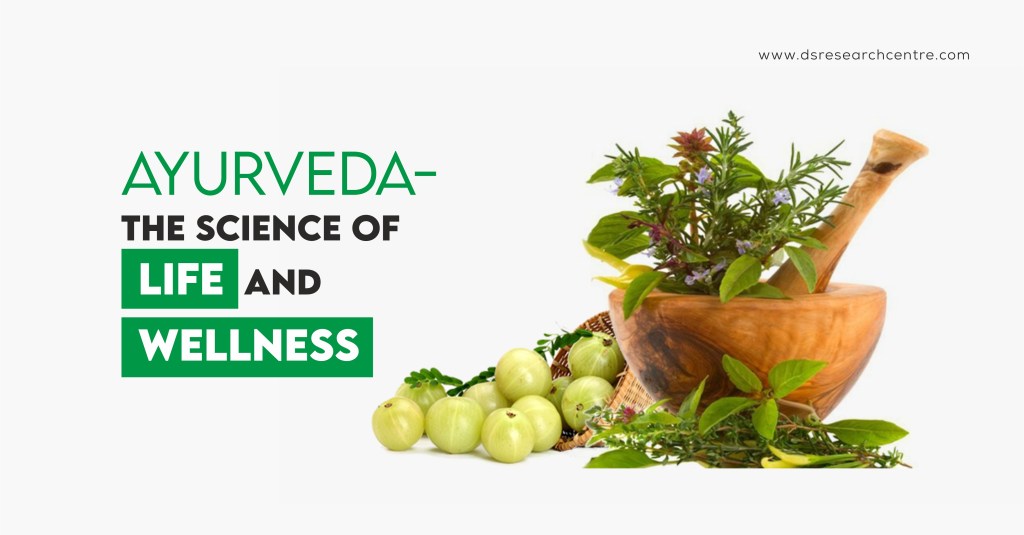
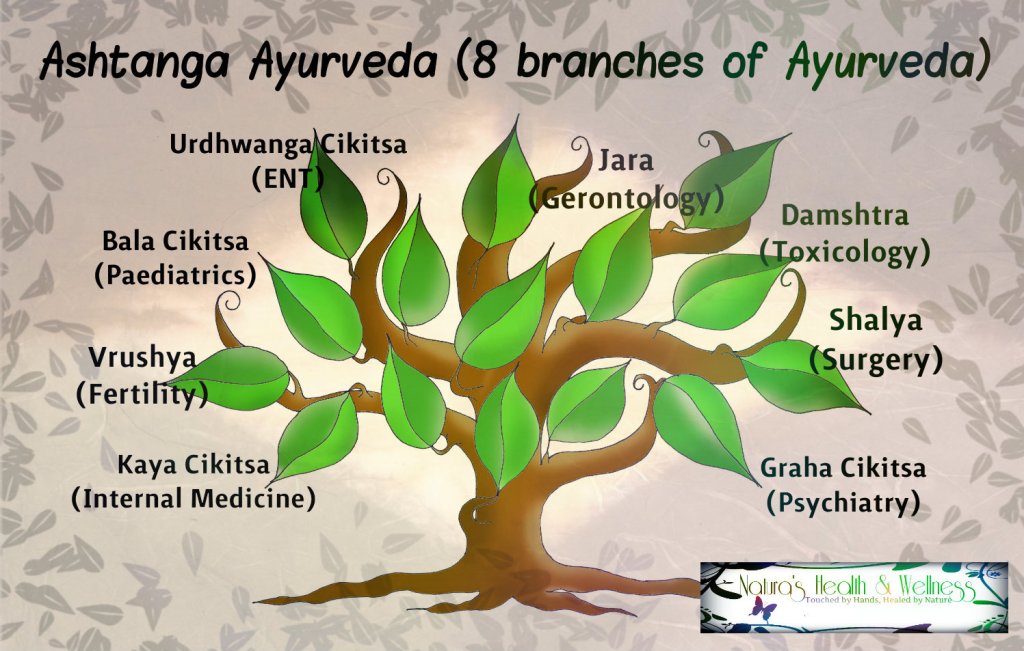
Somehow, I have been very keen and interested on Ayurveda as I was aware of so many Medicinal plants and trees around my grandfather’s estate when He used to go for early walks when I was there during my school holidays as the eldest of the grandchildren. And in the house where some special medicines were made at home by a special person to give free when he went to the clinic Ayurveda ~1!Ayurveda ~ 2!Ayurveda ~ 3!
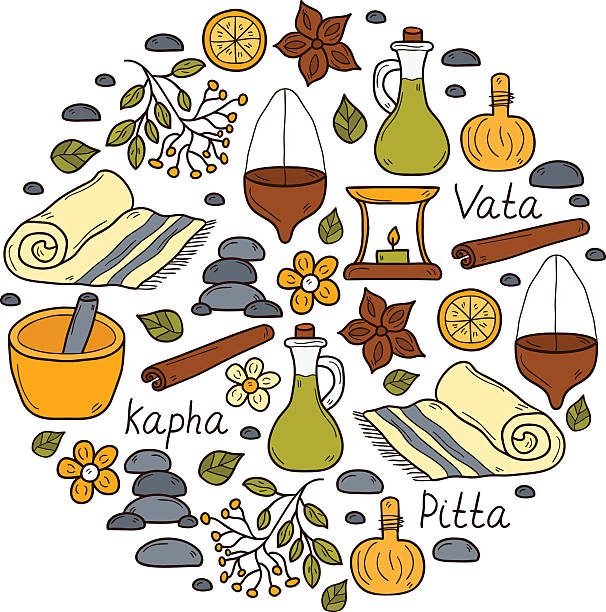
Round ayurveda background in hand drawn style: herbs, stones, oil, spices, aromatherapy, towel. Ayur-Veda healthcare and treatment.
Also, I was interested in Botany and got top marks for Botany in my Advanced Level as a subject at that time I did not pursue any further. Ayurveda is Natural and has almost no unnecessary aftereffects, I took like “Duck to water”. And now through some of Their Assets have been released to follow their footsteps in “Pure Service”” in the field of Good Health and Healing in “Mind and Body” it is going Hand in Hand towards Good Health and Healing 🙂
Latest Update: 17th January 2025. The website continues for the New and old Readers and Followers. Hope what I have written is useful that helps you to feel more Positive and Happier This is “The 263 Post” and with the “Introductory Page this will be all in Total up to date, 264 posts. On Top Right-Hand side, you are able to see: The word “Menu” when you click on it. You will see the word “Home” All the posts from “The Very Beginning comes ~ Under “Home”. Which is The Introductory Page about: Who I am & Why I am Writing!
The new Topics “On the Left-Hand side “Under the Recent Posts, with “The latest Topics adding up” Happy Reading ❤
The coloured Topics in Green, if you “Click” on them “Will take you to My other posts which you will be able to find more information”. I have another website with “My own little Poems and Pictures of some of My Hobbies” if you are interested on seeing, “What else I am doing” 🙂 you can have a look at :https://deepanilamani.com/
As always, it is all free”. You can share and pass it on also for others who can benefit from this post. I hope All those who Read will be able to make the maximum use of all these facts and make, “Your Lives More Healthy and able to Lead Better lives in Happiness and Peace”. I wish it to be so as,” Peace which is our Ultimate Goal in Life ❤
This site has been doing good, and I am so Happy. I have been getting, 🎉 Congrats! I am My Path is getting noticed. By 370 many other websites Thanking the I net for the Picture Quotes I have shared 🙂
Many Blessings for Good Health, Happiness and Prosperity! ❤
Hello to My Readers, Followers and Blogging Friends ❤
In the new year I am going to expand on what I wrote on “” New Year Resolutions” as I have written so many topics, I want to write different posts, but they will have some of the older knowledge also.
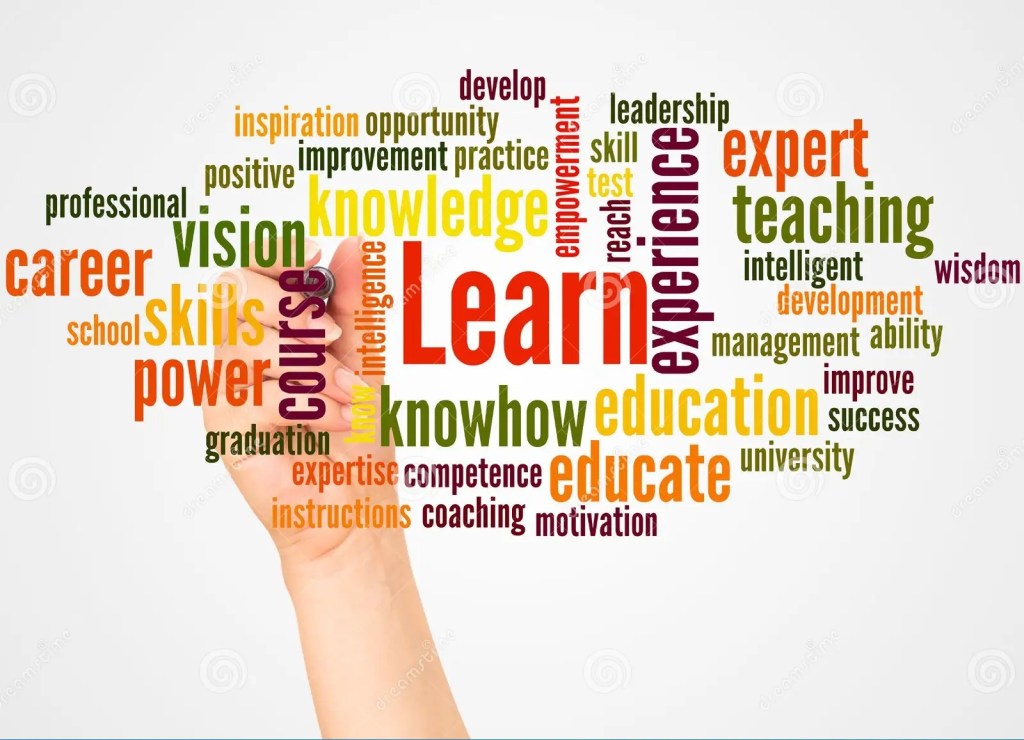
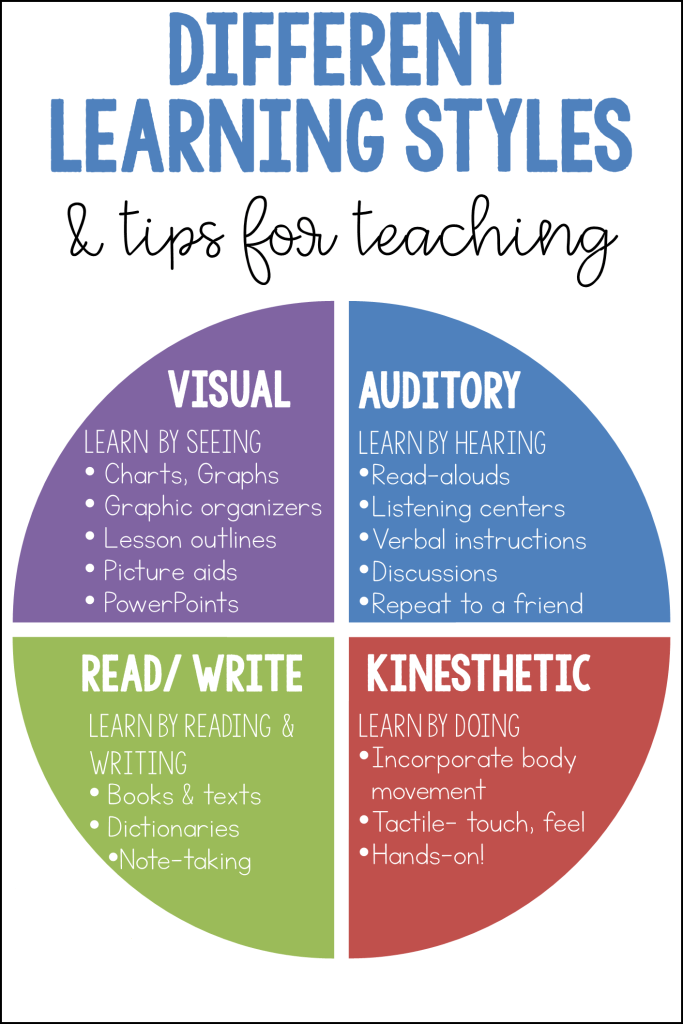
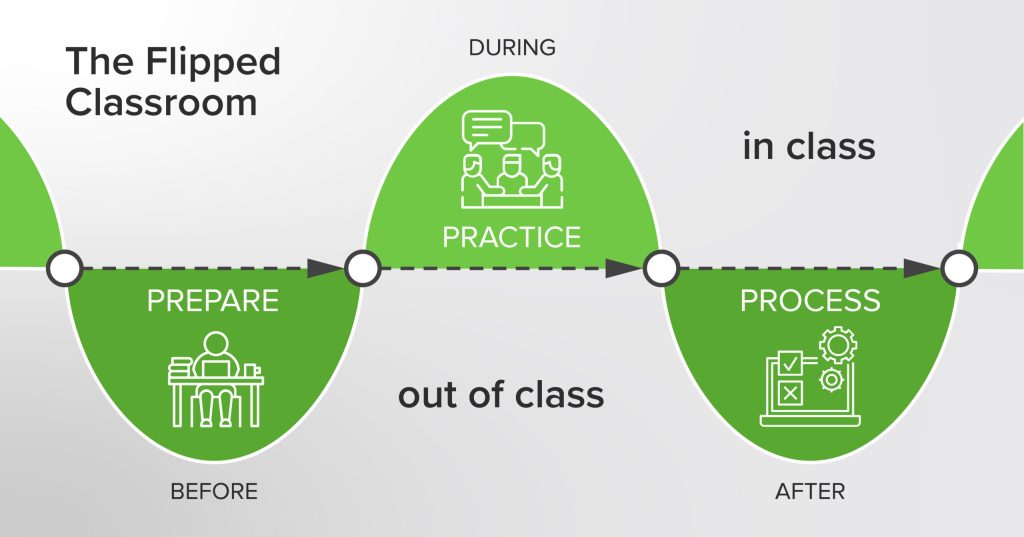
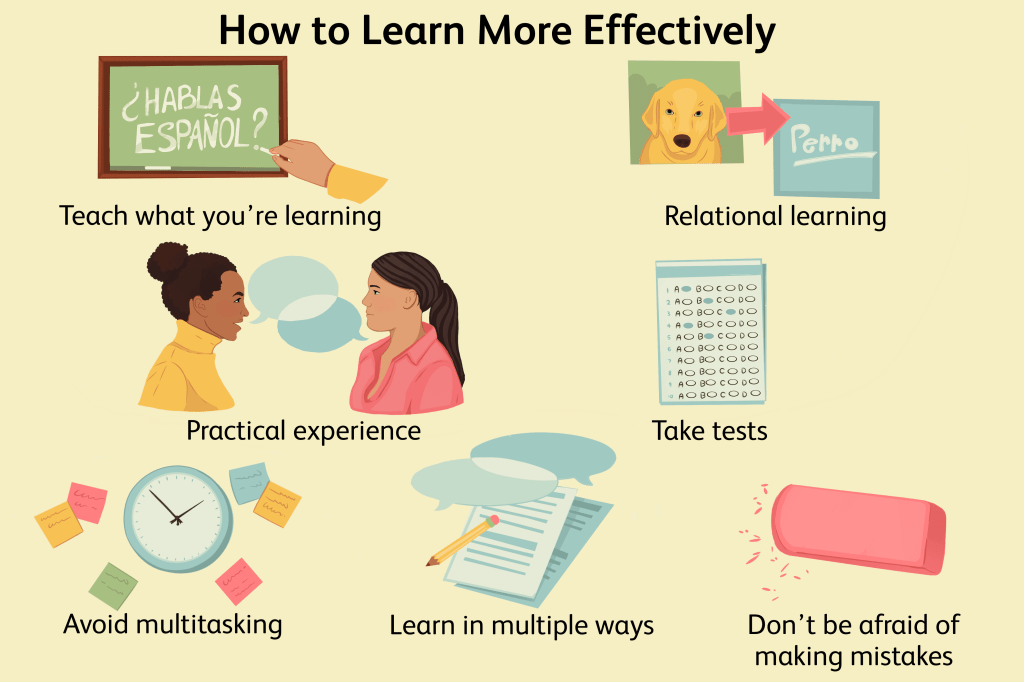
Learning is a “”Natural Pleasure inborn and instinctive one of the essential pleasures of human race”” Learning means keeping the mind open and active to receive all kinds of experiences. There are different ways to leanr, In this modern time there is the old methods of through books and also through the Internet. See the chart below.
So much can be learnt during classroom as well as outside in Libraries and Papers and books. As for reading books this contains many new dimensions. A new Author who will have a new vision of the world. Now see me what a different world it is to be writing on computers and compared to school age and also my Grandparents and my parents it is the old information as well as new changes and instead of writing by hand and typewriters now at the present in the 20th century, through computers and laptops completely new ways 🙂
Learning extends our lives into new dimensions. instead of diminishing in time it returns go on on increasing throughout your life.
Learning means Learning to practice and appreciate a new art, which opens a new door not only to the whole world but a doorway to the Universe!
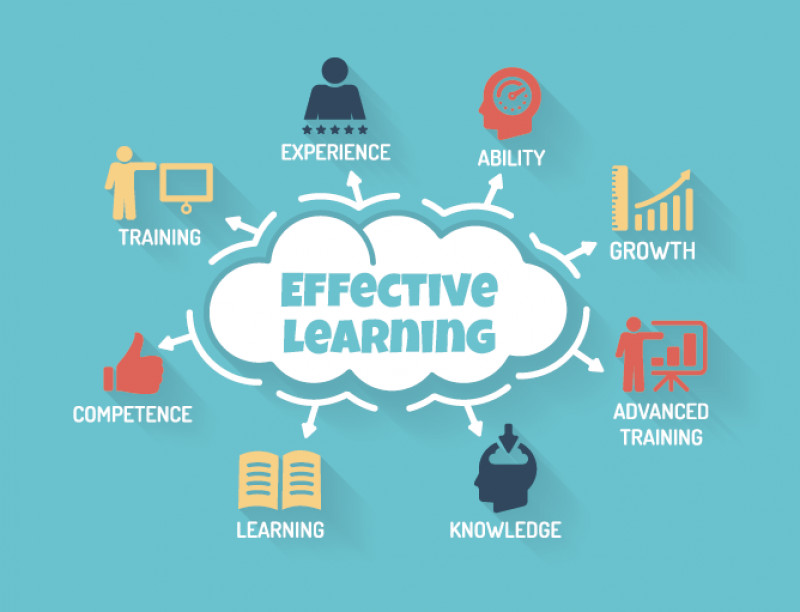
No learner has ever run short of subjects to explore. See the post below there is Traing and going on to new subjects as well as advanced Knowledge. The pleasures of learning are indeed pleasures. The true meaning is Happiness. The happiness of learning 🙂
Latest Update: 11th January 2025. The website continues for the New and old Readers and Followers. Hope what I have written is useful that helps you to feel more Positive and Happier This is “The 263 Post” and with the “Introductory Page this will be all in Total up to date, 264 posts. On Top Right-Hand side, you are able to see: The word “Menu” when you click on it. You will see the word “Home” All the posts from “The Very Beginning comes ~ Under “Home”. Which is The Introductory Page about: Who I am & Why I am Writing!
The new Topics “On the Left-Hand side “Under the Recent Posts, with “The latest Topics adding up” Happy Reading ❤
The coloured Topics in Green, if you “Click” on them “Will take you to My other posts which you will be able to find more information”. I have another website with “My own little Poems and Pictures of some of My Hobbies” if you are interested on seeing, “What else I am doing” 🙂 you can have a look at :https://deepanilamani.com/ ❤
As always, it is all free”. You can share and pass it on also for others who can benefit from this post. I hope All those who Read will be able to make the maximum use of all these facts and make, “Your Lives More Healthy and able to Lead Better lives in Happiness and Peace”. I wish it to be so as,” Peace which is our Ultimate Goal in Life
This site has been doing good, and I am so Happy. I have been getting, 🎉 Congrats! I am My Path is getting noticed. By 370 many other websites 🙂
Many Blessings for Good Health, Happiness and Prosperity!
Hello To, All My Dear Readers Followers and Blogging Friends ❤
How are you all. I Hope you all will have a good year ahead. I have been writing since “September 2015” and covered so many Topics, and This being “The 263 Post! And beginning of the Year I am making small changes Like not posting “The Yellow Star at the Bottom ” Other than that the Website is almost the same with Different Topics. Can be More Advanced also as by now so many of you have followed from the Very Beginning and Improved from 2015 to 2025! I feel it is good to Think of “Being Thankful” for “All the Good and Positive Things That has happened and what We have in our lives now ❤
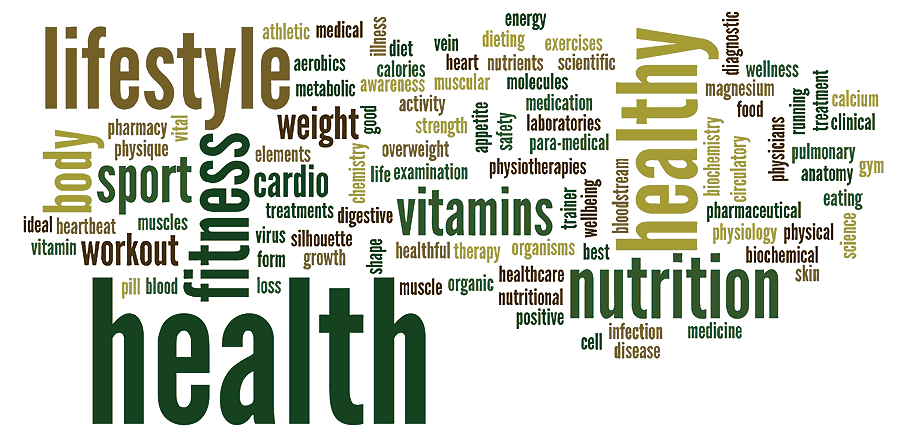
Below is different ways of being Healthy!
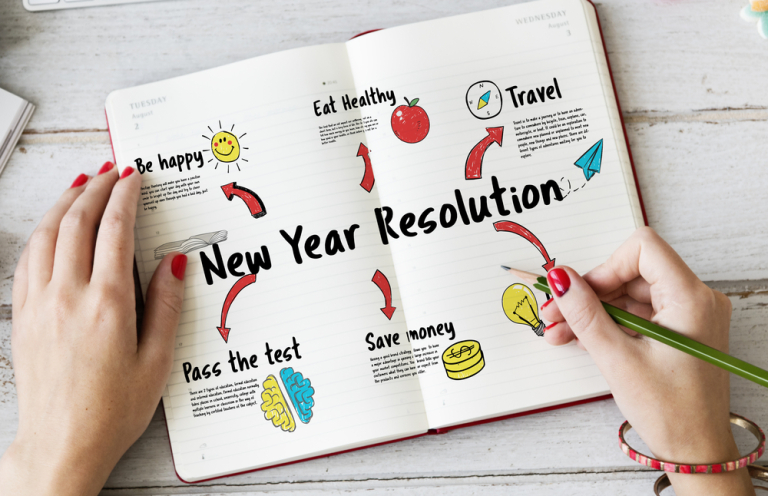
Each person makes their own like promises to make them more Healthy and Happier in different ways. I think in my way first can come: 1. Eat Healthy 2. Save Money 3. Pass the test 4. Travel 5. Be Happy
he Nutritional Remedies of Different Nations!
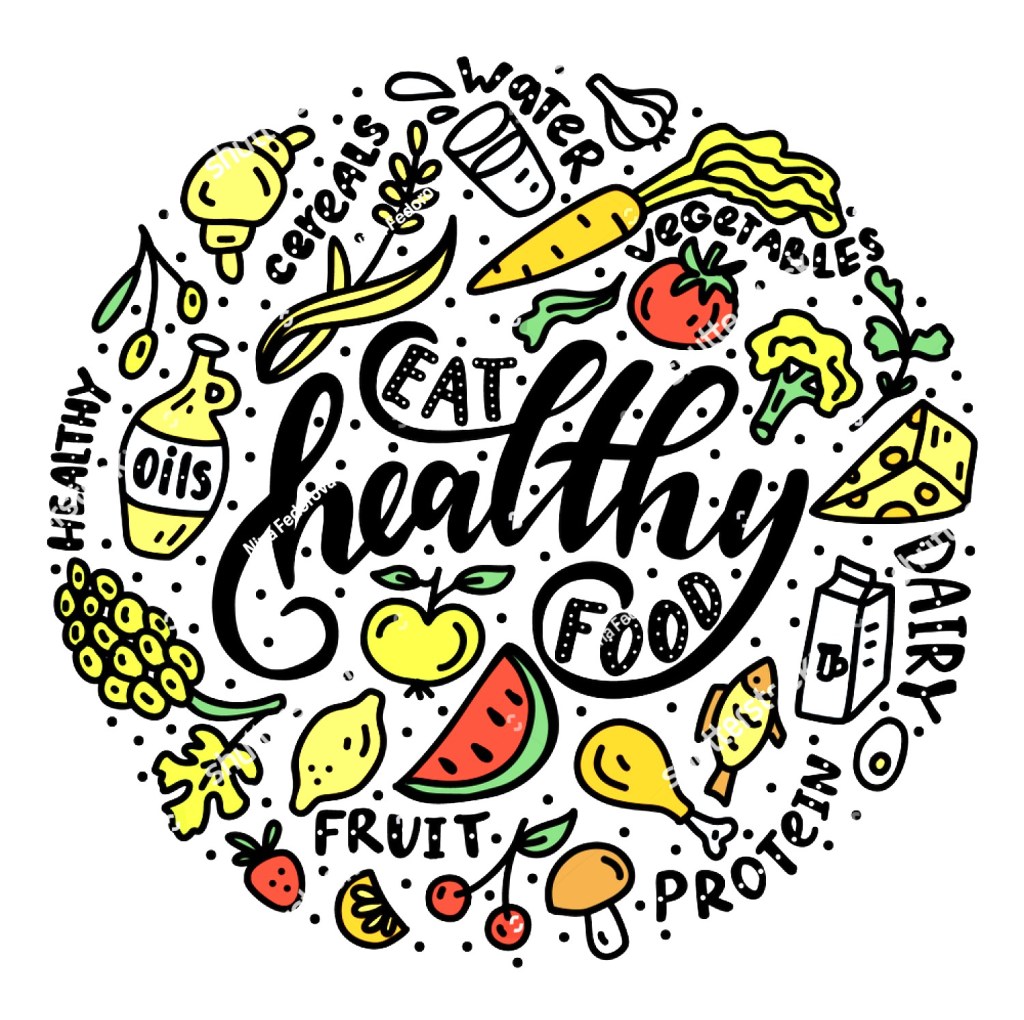
Each country has its own wisdom, collected through centuries. It can be wisdom regarding literature, the ways of human interaction, or about how to make the best pasta. It can also be about medicine. Each nation, each people, have their own remedies in which they put stock, and today, we bring you that wisdom, How to Be Healthy: Below is a picture that you can eat what is there and possible to eat 🙂
Save Money: Saving money sounds like a no-brainer, so why is it hard for so many people? Part of the problem is that many don’t understand the “Why” behind saving money. Some don’t have a reason to save and can’t relate to vague terms like financial security or building wealth. We need to know how saving money will improve our lives. Collage ~ New Year Resolutions!
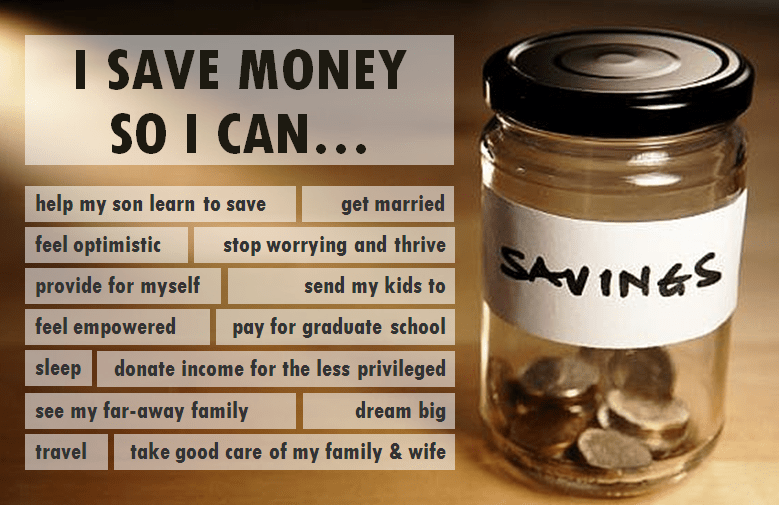
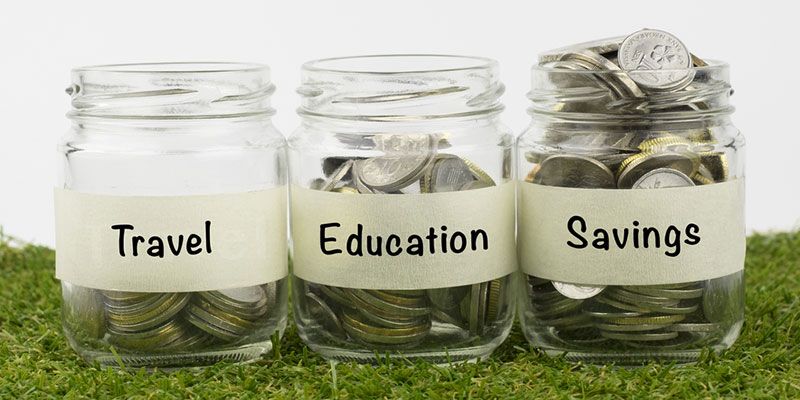
1. Build an Emergency Fund: Below is a way of saving little by little. Need not be coins and jars but you will be surprised how they add up for in the end!
If you currently have no cash reserves, your first savings goal should be to build an emergency fund. Too many people lack the savings to cover a financial emergency.
2. Freedom in Your Career
Switching occupations can seem impossible unless you’ve built a savings nest egg. Saving enough money to cover your living expenses for an extended period means you have options if you no longer want to stay in your job. You may be able to start your own business or take time off to consider your options.
3. Save for a Down Payment Making a payment like a deposit for some important needs.
4. Save For a Major Purchase:
Many people charge entire vacations to their credit card, with no plan as to how they will pay for it. If you’re planning a vacation in the next year, figure out the total cost, create a monthly savings plan, and start setting the money aside now. That way, you can enjoy a guilt-free vacation, knowing it’s fully paid for when you leave.
5. Save for Your Education You can save towards education. It’s never too late to start saving for education, but the sooner the better.
6. Save for Retirement
It’s never been more important to focus on retirement savings. Places offering pension plans, gone are the days when you could rely on an employer-sponsored retirement plan as a primary source of retirement income and Old Age Security, but they don’t offer enough income to live on in retirement.
7. Financial Independence Financial independence is a worthy savings goal, but what does it mean? The most common definition is reaching a point where you no longer have to work to cover your income needs. This could mean having enough money saved so that you can live off the passive income generated by your investments. Or it could mean that generate enough income to cover your monthly expenses.
Does this sound good to you? Financial independence has its own benefits. save large percentages of their monthly income to achieve a work-optional lifestyle in a short period, sometimes within ten years. I think of financial independence as a journey rather than a destination. The truth is, you can gain a measure of financial independence while continuing to work by having a well-funded emergency fund, enough money to pay for major purchases, and being on track to meet your retirement savings goals.
How to Start Saving Money
Once you know your “why,” you must figure out how to save money. It’s a big topic but start by opening a basic savings account for your emergency fund and automating your contributions. It’s also a good idea to familiarize yourself with important savings concepts, including which is an easy way to calculate the doubling period of money.
Final Thoughts on Saving Money:
Reducing Stress
There’s nothing like financial stress to keep you up at night; (If you’ve ever experienced it, you know how unsettling that feeling can be.) The good news is that there’s a great way to eliminate financial stress… just have more money. You might be thinking, “Umm…duh!”, but it’s the truth. You see, everybody wants more money, yet very few people work hard to save it up. the only way to have more money is to save it over time. It’s as simple as that. And when your money grows, your opportunity to help others grows with it. Remember, money is just a tool you can use to accomplish your goals. And if your goal is to help others as much as possible also, you need to be saving and investing your money consistently.
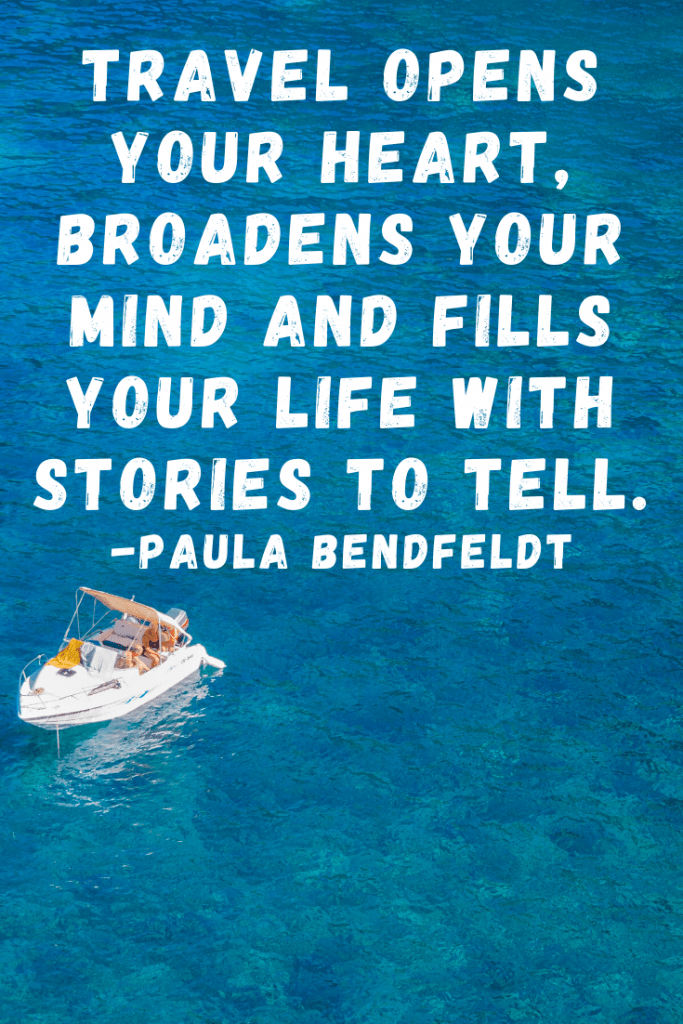
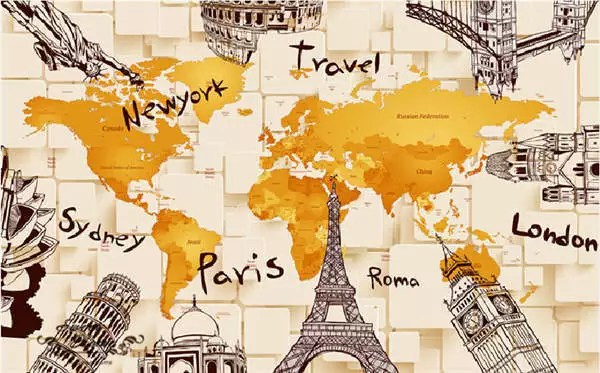
4. Travel: Travelling can be done in easy ways and not at very expensive ways. It can be within your own country too. And now that with Television one can sit and see so many countries and places. I used to think of seeing other places and now with Health issues in the world, also and I don’t like to stay in strange hotels or places that I prefer to seeing places from Home itself in comfort. But it is good to go for walks and picnics to different places, one can get fresh air and get fresh air and renew your energy 🙂
Below is different countries in the world:
Then of course To Be Happy 🙂 Which I have to think hard as easy to say but to be really Happy Takes Time effort and many other facts. Don’t you think so? Happiness: In my view is when One is feeling Very Positive, Relaxed, Calm and at Peace with oneself most of the time. There are various ways and explanations said by different people.
Happiness, in the context of mental or emotional states, is positive or pleasant emotions ranging from contentment to intense joy. Other forms include life satisfaction, well-being, subjective well-being, Happiness: Has been sought after and discussed throughout time. Research has concluded that happiness can be thought of in the way we act and how we think in relative terms to it.
Some describe as Joyfulness. The current experience of the feeling of an emotion such as pleasure: Pleasure refers to experience that feels good, that involves the enjoyment of something joyful, or of a more general sense of ’emotional condition as a whole’. It has defined happiness as “overall appreciation of one’s life with Satisfaction 🙂
Latest Update: 9th January 2025. The website continues for the New and old Readers and Followers. Hope what I have written is useful that helps you to feel more Positive and Happier This is “The 262 Post” and with the “Introductory Page this will be all in Total up to date, 263 posts. On Top Right-Hand side, you are able to see: The word “Menu” when you click on it. You will see the word “Home” All the posts from “The Very Beginning comes ~ Under “Home”. Which is The Introductory Page about: Who I am & Why I am Writing!
The new Topics “On the Left-Hand side “Under the Recent Posts, with “The latest Topics adding up” Happy Reading ❤
The coloured Topics in Green, if you “Click” on them “Will take you to My other posts which you will be able to find more information”. I have another website with “My own little Poems and Pictures of some of My Hobbies” if you are interested on seeing, “What else I am doing” 🙂 you can have a look at :https://deepanilamani.com/ ❤
It is all free”. You can “Download. Take print outs” “share and pass it on also” for others who can benefit from this article and all the other posts. The websites continue for the new Readers and Followers with new articles also if any of you want information on new topics or more information can write on the comment box below. You need not have a website itself. Also, from now I will not be posting the “”Yellow Star “” as getting too many stars and not picture Quotes on Google<3
This site has been doing good, and I am so Happy. I have been getting, 🎉 Congrats! I am My Path is getting noticed. By 370 many other websites 🙂
Many Blessings for Good Health, Happiness and Prosperity!
Hello to All My Raders, Followers and Blogging Friends ❤
Wishing All My Readers, Followers, and All My Blogging Friends “A Very Happy New Year ❤
Hope Christmas time was good to those who “Celebrated Christmas” I hope those of you who celebrated Christmas, did so with joy and happiness among your family and friends, as well as with those who are needy and less fortunate than yourselves. As that is how to celebrate “God Almighty Lord Jesus Christ’s Birth” the correct way. And still its New Year So hope all of you are getting on well and at Peace ❤
Just thought of posting and article to make you all in good spirits as some may have had not celebrated so much. I wish them Good Health with All my Heart and getting Healing Energies in my hands now so you all will be getting Positive Energy and that means You all will have Good Luck and Joy all year round and after also ❤
Latest Update: 1st January 2025. The website continues for the New Reader and Followers. Hope what I have written is useful that helps you to feel more Positive and Happier This is “The 261 th Post” and with the “Introductory Page this will be all in Total up to date, 262 posts. On Top Right-Hand side, you are able to see: The word “Menu” when you click on it. You will see the word “Home” All the posts from “The Very Beginning comes ~ Under “Home”. Which is The Introductory Page about: Who I am & Why I am Writing!
The new Topics “On the Left-Hand side “Under the Recent Posts, with “The latest Topics adding up” Happy Reading ❤
The coloured Topics in Green, if you “Click” on them “Will take you to My other posts which you will be able to find more information”. I have another website with “My own little Poems and Pictures of some of My Hobbies” if you are interested on seeing, “What else I am doing” 🙂 you can have a look at :https://deepanilamani.com/ ❤
This site has been doing good, and I am so Happy. I have been getting, 🎉 Congrats! I am My Path is getting noticed. By 370 many other websites 🙂
And always it is Free to share take print outs and pass on to others who can make use of what I white ❤
Many Blessings for Good Health, Happiness and Prosperity!




 I am My Path!
You must be logged in to post a comment.