Hello To, All My Dear Readers, My Followers and My Blogging Friends. ❤
Hope all of you are in Good Health and getting on in your lives well. Year 2024 has zoomed past and almost coming on to 2026. Today I want to write about Dictionaries. Just to say This is an introduction of Dictionaries for knowledge and not so much of Other Languages and to learn the words to use and speak day to day 🙂
:1. a reference source in print or electronic form containing words usually alphabetically arranged along with information about their forms, pronunciations, functions, etymologies, meanings, and syntactic and idiomatic uses
2a reference book listing alphabetically terms or names important to a particular subject or activity along with discussion of their meanings and applications
3a reference book listing alphabetically the words of one language and showing their meanings or translations in another language
4a computerized list (as of items of data or words) used for reference (as for information retrieval or word processing)
book or electronic resource that lists the words of a language (typically in alphabetical order) and gives their meaning, or gives the equivalent words in a different language, often also providing information about pronunciation, origin, and usage:
What are the most important words to learn?
Oxford Learner’s Dictionaries can help.
From a / anto zone, the Oxford 3000 is a list of the 3,000 core words that every learner of English needs to know. Every word is aligned to the CEFR, to guide learners to learnthe most importantwords and meanings at A1-B2 levels.
And from the Oxford 5000 adds an extra 2,000 words for advanced learners at level to supplementtheir vocabulary and their learning goals!
Date 17 th NOVEMBER r 2025: I am in Very Good Health. This is “The 336 Post” and with the “Introductory Page this will be all in Total up to date, 337 articles https://iammypath.com/who-i-am-why-i-am-writing/
What I am doing is, “Taken the Therapists Voices with me and have been Moving forward Telling “My Own Journey in Good Health and Healing” in Helping Others to have “Faith, Hope and to Heal” and Lead a Life of Good Health, Happiness and Joy, and it is in this post if you click on the Link: The Therapists Voice Forwar
Take Home Message We all have the capacity to adapt and to achieve our personal expectations. we raise the bar in relation to our own potential and push ourselves to achieve Higher things. The therapeutic alliance has been shown to affect treatment outcomes across a range of conditions, therapeutic modalities, and contexts. In other words, a greater sense of social connectedness rooted in caring for others, connecting with the community, and finding a sense of purpose is linked to improved mental health and well-being. Lots of picture Quotes about lot of things you can do. Happy Reading 🙂
The coloured Topics in Green, if you “Click” on them “Will take you to other different posts of Mine which you will be able to find more information and even Pronunciation”. I have another website with “My own little Poems and Pictures of some of My Hobbies” if you are interested on seeing, “What else I am doing” you can have a look at: https://deepanilamani.com/
As always, it is all free”. You can share and pass it on also for others who can benefit from this post. I hope All those who Read will be able to make the maximum use of all these facts and make, “Your Lives More Healthy and able to Lead Better lives in Happiness and Peace”. I wish it to be so as,” Peace which is our Ultimate Goal ❤
Hello to, All My Dear Readers, Followers and My Blogging Friends ❤
Hope All of You are keeping well and Happy. As usual I am keeping in Good Health and moving forward doing my usual, activities. I began Writing an article on Publishing as I am an Author and also a Publisher. That I decided to rewrite some of the old articles with added knowledge and the changes The world has gone through and I wrote about “Languages and that went on to quite a few posts on that and I came upon Speech Therapy Because of that I wrote about CBT Therapy. And now on lighter subjects after Music Therapy It is Art Therapy 🙂
When It’s Used
Art therapists work with individuals, couples, and groups in a variety of settings, including private counseling, wellness centers, correctional institutions, senior centers, and other community settings. No artistic talent is necessary for art therapy to succeed, because the therapeutic process is not about the artistic value of the work, but rather about finding associations between the creative choices made and a client’s inner life. The artwork can be used as a springboard for reawakening memories and telling stories that may reveal messages.
While art therapy is helpful for many people, the research is mixed; some studies have demonstrated its efficacy while others have found little benefit.
How It Works
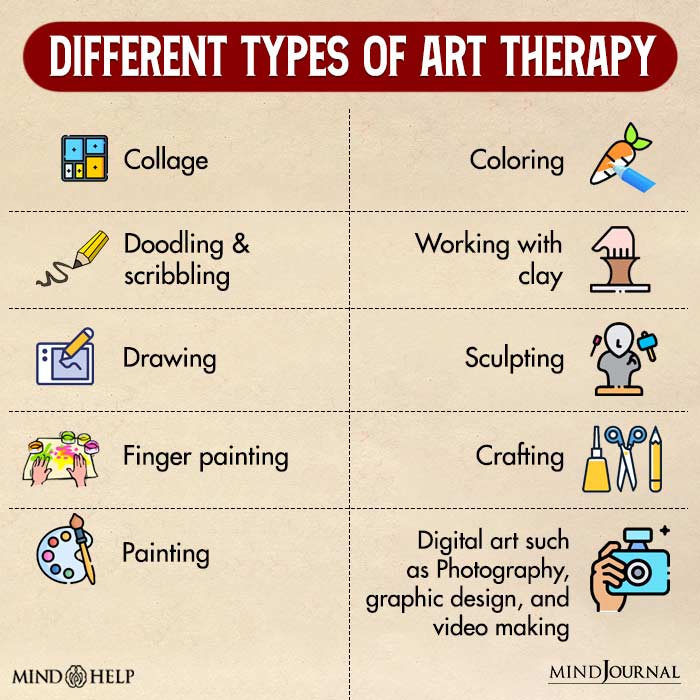
Art therapy is founded on the belief that self-expression through artistic creation has therapeutic value for those who are healing or seeking a deeper understanding of themselves and their behaviors. According to the American Art Therapy Association, art therapists are trained to understand the roles that color, texture, and various art media can play in the therapeutic process and how these tools can help reveal one’s thoughts, feelings, and psychological disposition. Art therapy integrates psychotherapy and some form of visual arts as a specific, stand-alone form of therapy, but it is also used in combination with other types of therapy.
Perception and self-perception: Art helped the participants focus on the present moment, identify their emotional responses, and connect their emotions and body awareness.
Personal integration: They strengthened their identity and self-image.
Emotion and impulse regulation: They improved the ability to regulate and control emotions.
Behavior change: They learned to change their behavioral responses to themselves and others, perhaps through the self-directed nature of art-making.
Insight and comprehension: They verbalized their emotions and experiences
What to Expect
As with any form of therapy, your first session will consist of talking to the therapist about why you want to find help and learning what the therapist has to offer. Together, you will come up with a treatment plan that involves creating some form of artwork.
Once you begin creating, the therapist may, at times, simply observe your process as you work, without interference or judgment. When you have finished a piece of artwork—and sometimes while you are still working on it—the therapist will ask you questions along the lines of how you feel about the artistic process, what was easy or difficult about creating your artwork, and what thoughts or memories you may have had while you were working. Generally, the therapist will ask about your experience and feelings before providing any observations.
An art therapist has the minimum of a master’s degree, generally from an integrated program in psychotherapy and visual arts at an educational institution accredited by the Council for Higher Education Accreditation (CHEA). The initials ATR after a therapist’s name means he or she is registered with the Art Therapy Credentials Board (ATCB). The initials ATR-BC means the therapist is not only registered but has passed an examination to become board-certified by the ATCB.
It’s also important to find a therapist with whom you feel comfortable. You may want to ask the therapist a few questions before committing to work with them. Questions may include:
How would they help with your particular concerns?
Have they dealt with this type of problem before?
What is their process?
What is their timeline for treatment?
Meanwhile from WordPress Your blog, I am My Path!, appears to be getting more traffic than usual! hourly views A spike in your stats Double Congratulations 🙂
Latest Update: Today is the 11th of October 2025: This is “The 327 Post” and with the “Introductory Page this will be all in Total up to date, 328 posts :).
Take Home Message We all have the capacity to adapt and to achieve our personal expectations. we raise the bar in relation to our own potential and push ourselves to achieve Higher things. The therapeutic alliance has been shown to affect treatment outcomes across a range of conditions, therapeutic modalities, and contexts. In other words, a greater sense of social connectedness rooted in caring for others, connecting with the community, and finding a sense of purpose is linked to improved mental health and well-being. Lots of picture Quotes about lot of things you can do. Happy Reading 🙂
The coloured Topics in Green, if you “Click” on them “Will take you to other different posts of Mine which you will be able to find more information and even Pronunciation”. I have another website with “My own little Poems and Pictures of some of My Hobbies” if you are interested on seeing, “What else I am doing” you can have a look at: https://deepanilamani.com/
As always, it is all free”. You can share and pass it on also for others who can benefit from this post. I hope All those who Read will be able to make the maximum use of all these facts and make, “Your Lives More Healthy and able to Lead Better lives in Happiness and Peace”. I wish it to be so as,” Peace which is our Ultimate Goal ❤
Hello to, All My Dear Readers, Followers and My Blogging Friends ❤
Hope All of You are keeping well and Happy. As usual I am keeping in Good Health and moving forward doing my usual, activities. I began Writing an article on Publishing as I am an Author and also a Publisher. That I decided to rewrite some of the old articles with added knowledge and the changes The world has gone through and I wrote about “Languages and that went on to quite a few posts on that and I came upon Speech Therapy Because of that I wrote about CBT Therapy. And now a lighter subject “”Music Therapy!
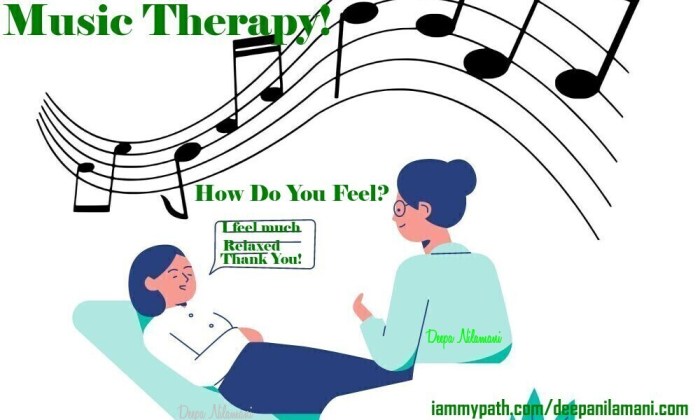
Music therapy is a form of treatment that uses music within the therapeutic relationship to help accomplish the patient’s individualized goals. This evidence-based approach involves techniques such as listening to, reflecting on, and creating music under the guidance of a trained music therapist. It’s not necessary to have a musical background to benefit from music therapy. People of all ages, from children to adults, may find it is a good fit for their therapeutic needs.
When It’s Used
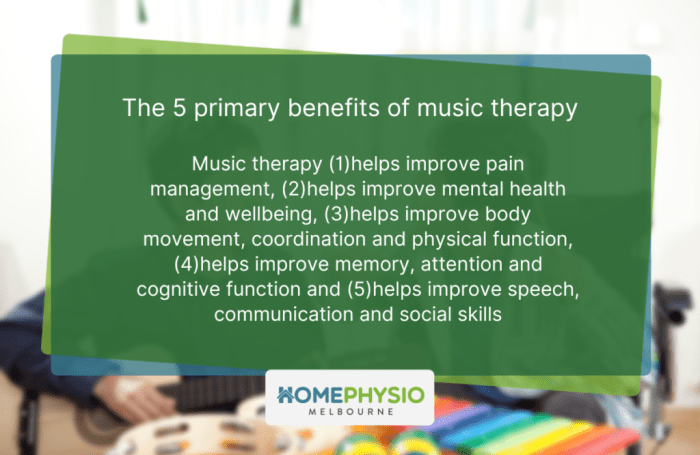
Music therapy is often practiced one-on-one, but it can also be used in group settings, such as a correctional facility, It is generally most effective when used in combination with other therapies. Music therapy can help people manage variety of health conditions.
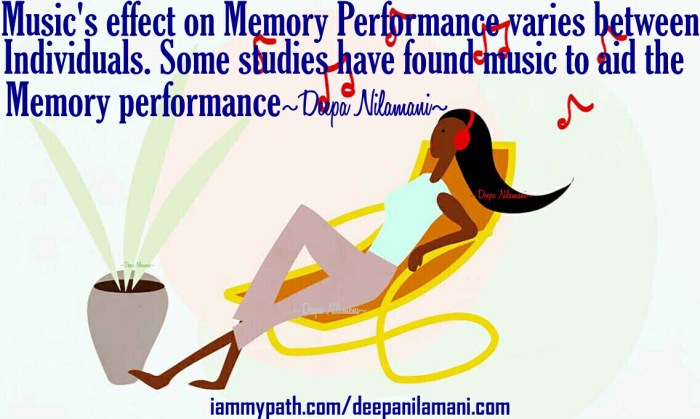
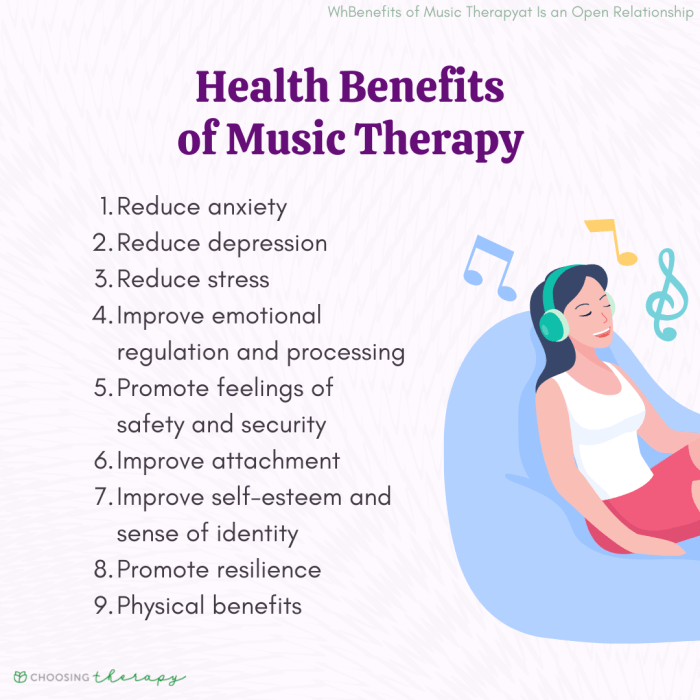
Music can also have powerful effects on a person’s psychological health. It can influence anyone’s mood, causing a range of effects from providing comfort to soothing to boosting energy. Studies have shown that music therapy can be particularly helpful for people who have stress.
People have long appreciated the healing power of music. Music therapy continues to feel more confident, joyful, and connected. people can still enjoy these benefits, as music can stir emotion, prompt discussion, facilitate expression, and lower stress. Music is processed and produced through a different pathway than verbal speech; bypassing that pathway allows patients to express themselves, communicate with loved ones, and experience the world more vibrantly.
What to Expect
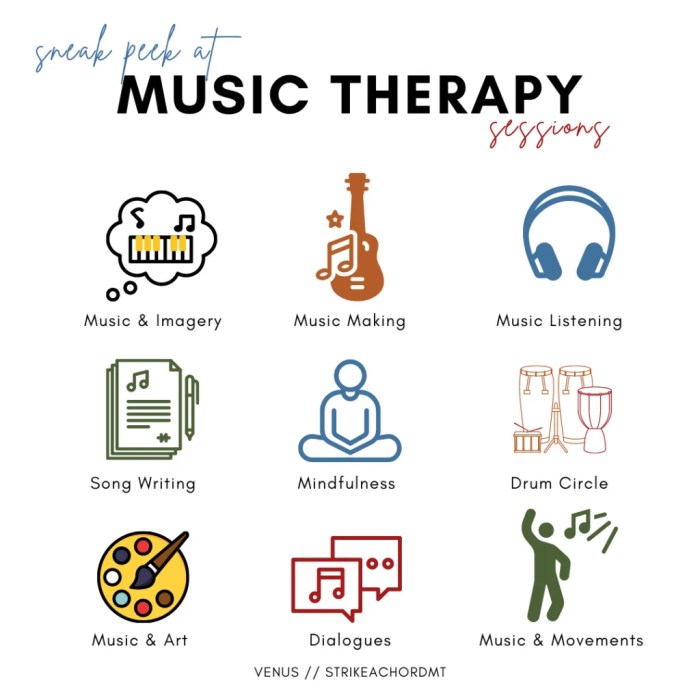
After an initial assessment, a therapist will tailor techniques to fit a client’s musical ability, interests, and specific needs. One approach is to create music—humming a nostalgic tune from one’s childhood, singing as part of a choir, or improvising on instruments such as the drums, piano, guitar, or chimes.
If the client is able to discuss the experience, a therapist might ask what memories the sounds provoke or what they’re feeling. The pair might listen to a song together and discuss the emotions and memories the song. Or the client might write a song, which can illuminate a character or issue in their lives. The therapist could engage the client in breathing exercises, with or without music, to release tension and calm anxiety.
All of these exercises allow the therapist and client to explore the psychological, familial, social, cultural, and spiritual components of the person’s inner world. And clients don’t need to have any musical training or talent; the practice doesn’t focus on technical skills but employs music as a tool for reflection and communication.
What to Look for in a Music Therapist
While music therapy may not be a helpful approach for everyone, many people have found it beneficial Seeking out a therapist with whom the client feels a connection is also valuable. Creating a strong foundation of trust and appreciation can help an individual embrace the process and find success in therapy.
You may want to ask the music therapist a few questions before getting started:
How would they help with your particular concerns?
Have they dealt with this type of problem before?
What is their process?
What is their timeline for treatment?
Meanwhile from WordPress: You’ve posted 3 days in a row on I am My Path!! Keep up the good work
Latest Update: Today is the 11th of October 2025: This is “The 326 Post” and with the “Introductory Page this will be all in Total up to date, 327 posts :).
Take Home Message We all have the capacity to adapt and to achieve our personal expectations. we raise the bar in relation to our own potential and push ourselves to achieve Higher things. The therapeutic alliance has been shown to affect treatment outcomes across a range of conditions, therapeutic modalities, and contexts. In other words, a greater sense of social connectedness rooted in caring for others, connecting with the community, and finding a sense of purpose is linked to improved mental health and well-being. Lots of picture Quotes about lot of things you can do. Happy Reading 🙂
The coloured Topics in Green, if you “Click” on them “Will take you to other different posts of Mine which you will be able to find more information and even Pronunciation”. I have another website with “My own little Poems and Pictures of some of My Hobbies” if you are interested on seeing, “What else I am doing” you can have a look at: https://deepanilamani.com/
As always, it is all free”. You can share and pass it on also for others who can benefit from this post. I hope All those who Read will be able to make the maximum use of all these facts and make, “Your Lives More Healthy and able to Lead Better lives in Happiness and Peace”. I wish it to be so as,” Peace which is our Ultimate Goal ❤
Hello to, All My Dear Readers, Followers and My Blogging Friends ❤
Hope All of You are keeping well and Happy. As usual I am keeping in Good Health and moving forward doing my usual, activities. I began Writing an article on Publishing as I am an Author and also a Publisher. That I decided to rewrite some of the old articles with added knowledge and the changes The world has gone through and I wrote about “Languages and that went on to quite a few posts on that and I came upon Speech Therapy Because of that I am going to first write what Therapy is about and now about CBT Therapy!
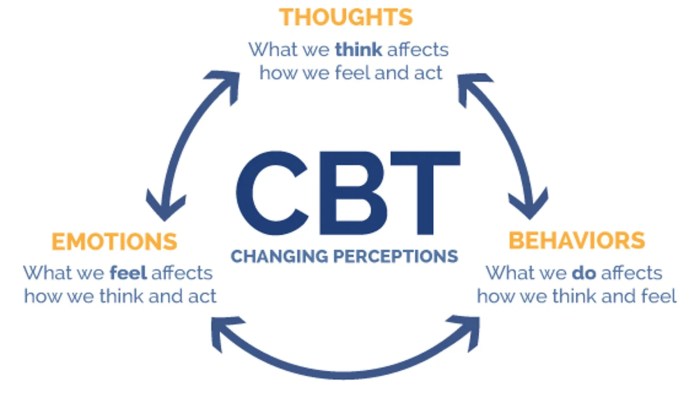
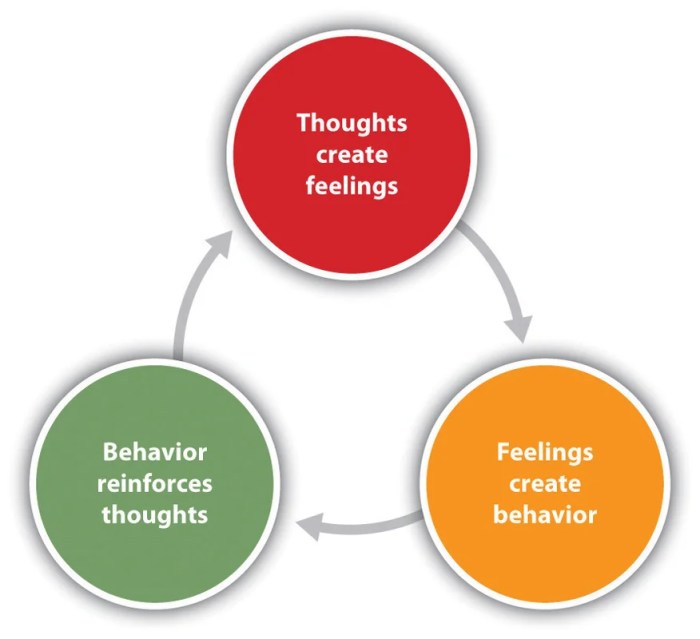
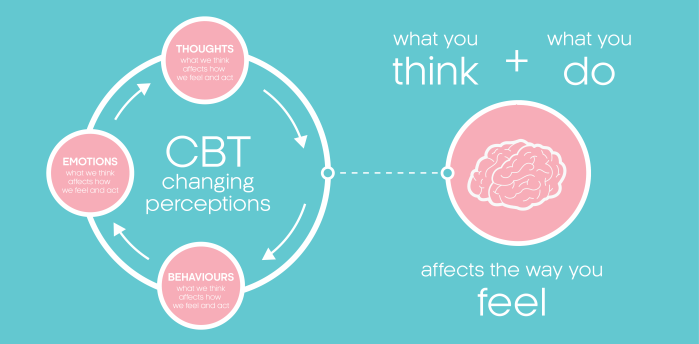
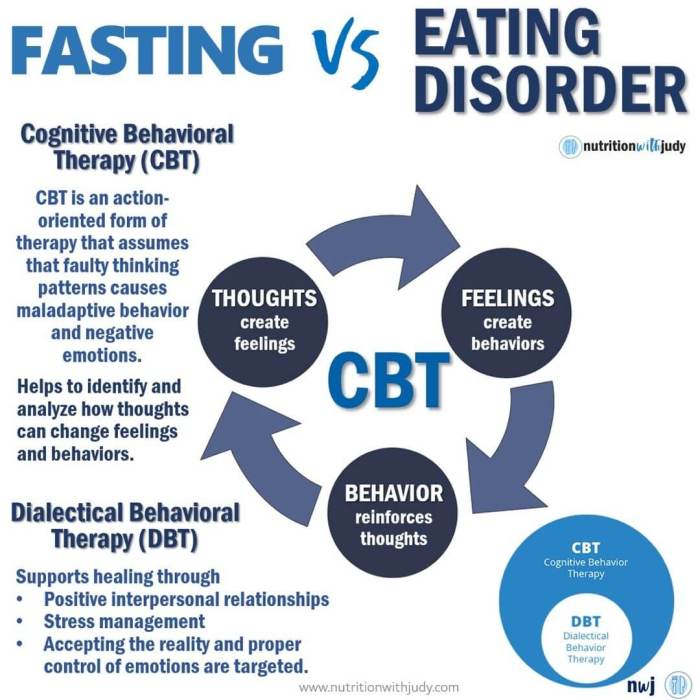
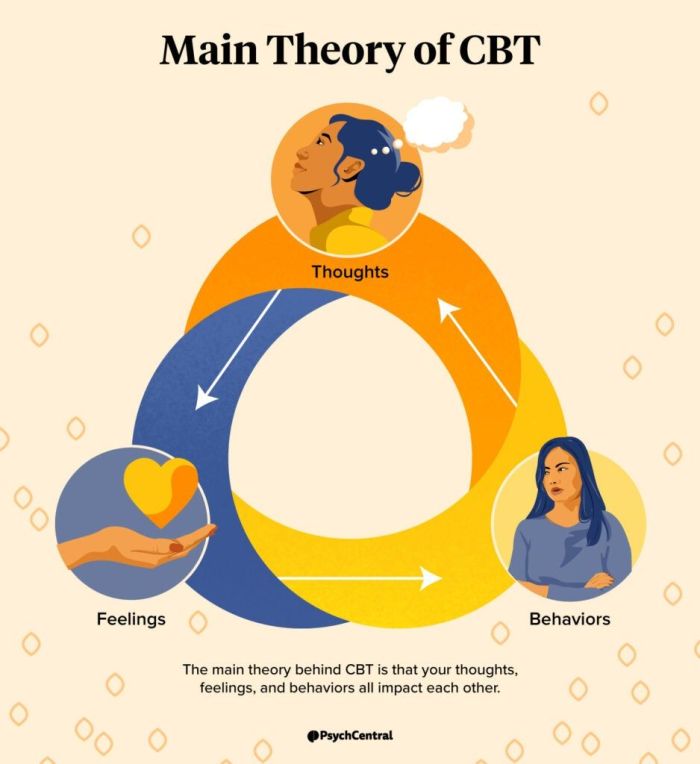
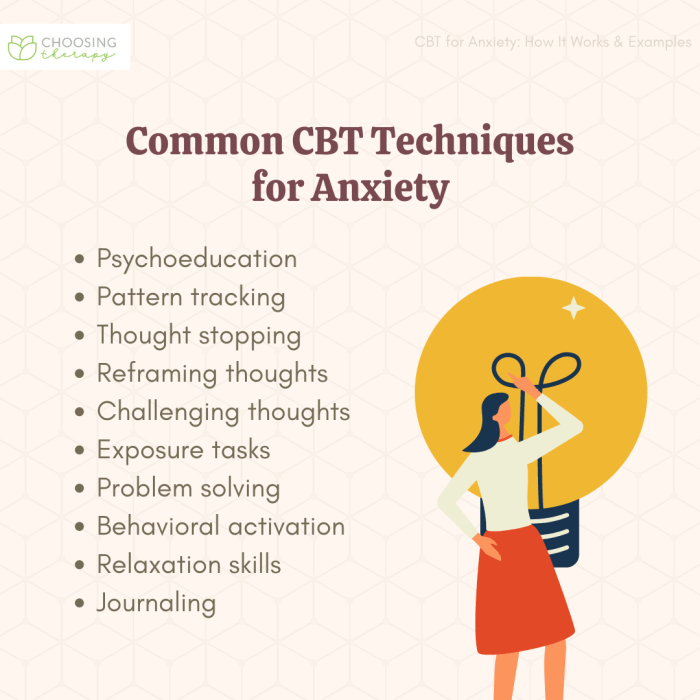
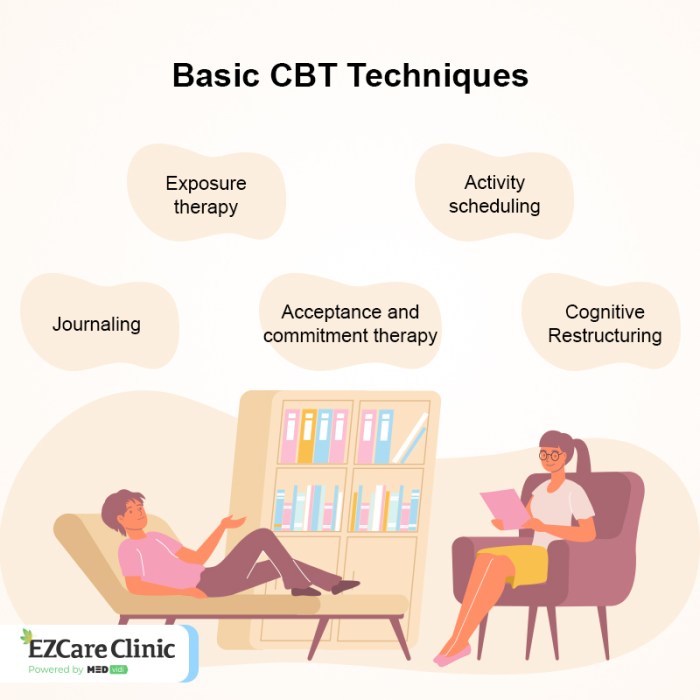
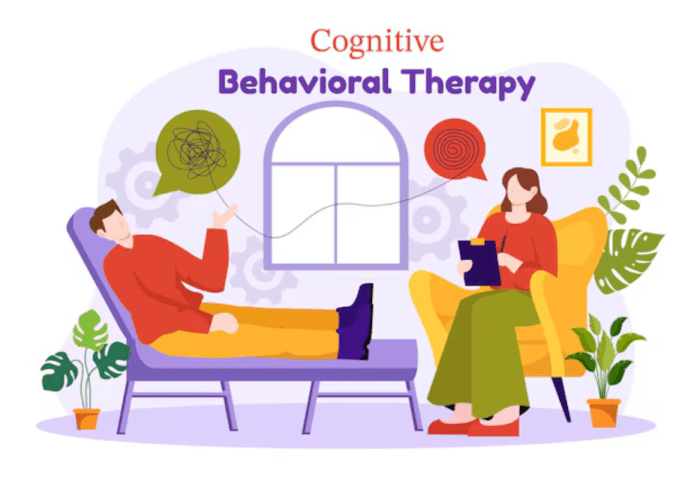
Cognitive behavioral therapy (CBT) is a short-term form of psychotherapy based on the idea that the way someone thinks and feels affects the way he or she behaves. CBT aims to help clients resolve present-day challenges like depression or anxiety, relationship problems, anger issues, stress, or other common concerns that negatively affect mental health and quality of life. The goal of treatment is to help clients identify, challenge, and change thought patterns in order to change their responses to difficult situations.
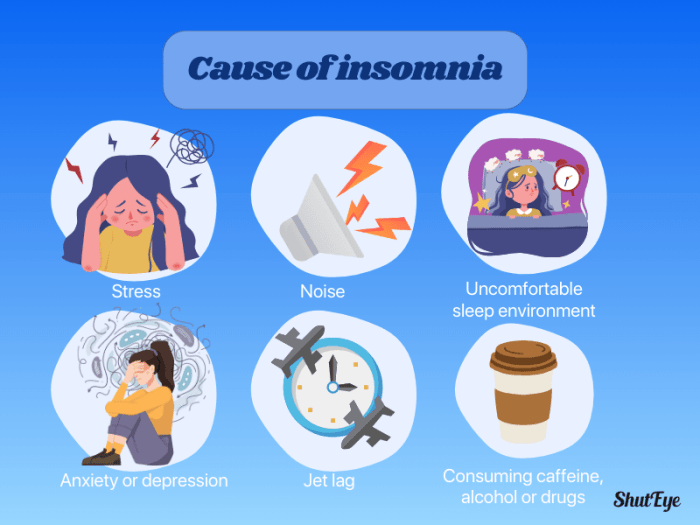
Originally called simply “cognitive therapy,” what is now CBT helping depressed patients recognize and challenge their automatic negative thoughts had a positive impact on their symptoms. Though it was originally designed to treat depression, since its inception CBT has been found to be effective for a wide range of mental health conditions and day-to-day psychological challenges, and is recommended as the first-line treatment for disorders including depression, anxiety, and insomnia.
When It’s Used
CBT is appropriate for children, adolescents, and adults and for individuals, families, and couples. A large body of research has found it to be either highly or moderately effective in the treatment of depression, generalized anxiety disorder, post-traumaticstress disorder, general stress, anger issues, panic disorders, agoraphobia, social phobia, eating disorders, and childhood anxiety and depressive disorders. CBT may also be effective as an intervention for chronic pain conditions and associated distress. CBT can be used alone or in conjunction with psychiatricmedication. Some studies have found that CBT and medication are equally effective in treating depression.
Specialized forms of CBT may also be used to treat specific conditions. For example, cognitive behavioral therapy for insomnia, or CBT-I, has been found to be a highly effective short-term treatment for chronic insomnia; it is now the recommended first-line treatment for individuals struggling with insomnia. Another example is enhanced cognitive behavioral therapy, or CBT-E, a form of CBT specifically designed to treat eating disorders. Brief cognitive behavioral therapy, or BCBT, is a shortened form of CBT used in situations where the client is not able to undergo a longer course of therapy.
What to Expect
CBT is a structured form of psychotherapy that can occur in a relatively short period of time—often between 5 and 20 weekly sessions, generally around 45 to 50 minutes each. CBT usually starts with one or two sessions focused on assessment, during which the therapist will help the client identify the symptoms or behavior patterns that are causing them the most problems and set goals for treatment. In subsequent sessions, the client will identify the negative or maladaptive thoughts they have about their current problems and determine whether or not these thoughts are realistic. If these thoughts are deemed unrealistic, the client will learn skills that help them challenge and ultimately change their thinking patterns so they are more accurate with respect to a given situation. Once the client’s perspective is more realistic, the therapist can help them determine an appropriate course of action.
CBT usually concludes with a session or two of recapping, reassessing, and reinforcing what was learned. If necessary, someone may return to therapy for periodic maintenance sessions. Along the way, clients will most likely be given “homework” to do between sessions. That work will typically include exercises that will help them learn to apply the skills and solutions they came up with in therapy to real-world situations in their day-to-day life.
While cognitive behavioral therapy may sound simple it can be quite challenging in practice. Our patterns of thinking are often deeply entrenched and habitual—and as with any long-standing habit, it can be a process to replace one thought pattern with a new, healthier one. And while clients undergoing CBT will likely not spend a large amount of time exploring their childhood or past, they may still be asked to examine thoughts and behavior patterns that they may find not that pleasant. As in all types of therapy, it is important to work with a therapist with whom one can be open and honest 🙂
How It Works
CBT integrates behavioral theories and cognitive theories to conclude that the way people perceive a situation determines their reaction more than the actual reality of the situation does. When a person is distressed or discouraged, his or her view of an experience may not be realistic. Changing the way clients think and see the world can change their responses to circumstances.
CBT often targets cognitive distortions, or irrational patterns of thought that can negatively affect behavior. Common cognitive distortions include all-or-nothing thinking (seeing everything in black-and-white terms and ignoring nuance), catastrophizing (always assuming the worst will happen), and personalization (believing that the individual is responsible for everything that happens around them, whether good or bad).
For example, someone who is prone to catastrophizing may assume that a friend who doesn’t text them back right away is angry at them, potentially leading them to withdraw socially, lash out at the friend, ruminate, or otherwise behave in a non-productive way. Using CBT, they may learn to recognize their tendency to jump to the worst possible conclusion—and the next time their friend does not return their text, they can remind themselves that the friend has always returned texts in the past and may simply be busy. Such reframing can help someone refrain from engaging in counterproductive behavior.
CBT is rooted in the present, so the therapist will initially ask clients to identify life situations, thoughts, and feelings that cause acute or chronic distress. The therapist will then explore whether or not these thoughts and feelings are productive or even valid. The goal of CBT is to get clients actively involved in their own treatment plan so that they understand that the way to improve their lives is to adjust their thinking and their approach to everyday situations.
What to Look for in a Cognitive Behavioral Therapist
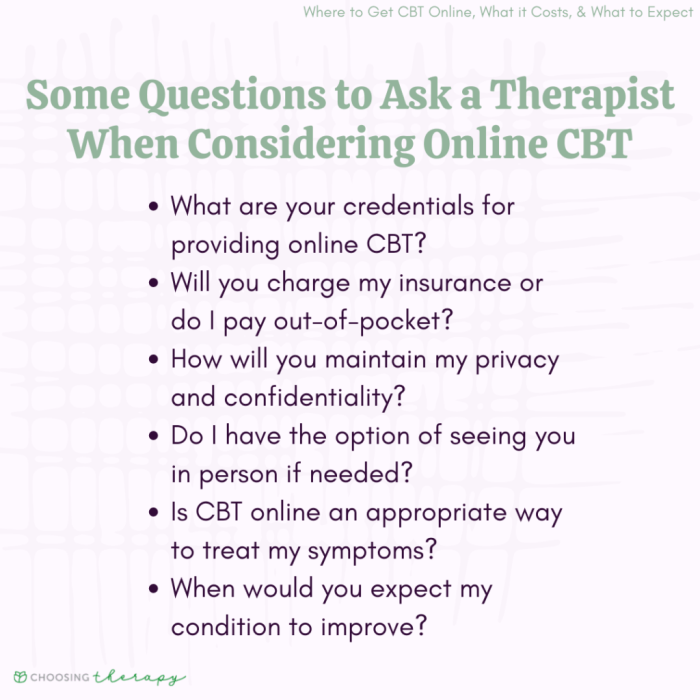
CBT is among the most widely-utilized therapeutic approaches, so many people are able to locate a therapist in their area who practices it, but CBT has also been found to be effective when delivered online. There is no particular certification or license required to practice CBT, but clients are advised to look for a credentialed mental health professional with specialized training and experience in cognitive behavioral therapy. In addition to confirming these credentials, it is important to find a therapist with whom one feels comfortable, as CBT is a collaborative process and a strong therapeutic alliance is critical to its success.
How to Ask for Help
While being resourceful is an important part of resilience, it is also essential to know when to ask for help. During a crisis, everyone can benefit from the help of psychologists and counselors specially trained to deal with crisis situations. Other potential sources of assistance include:
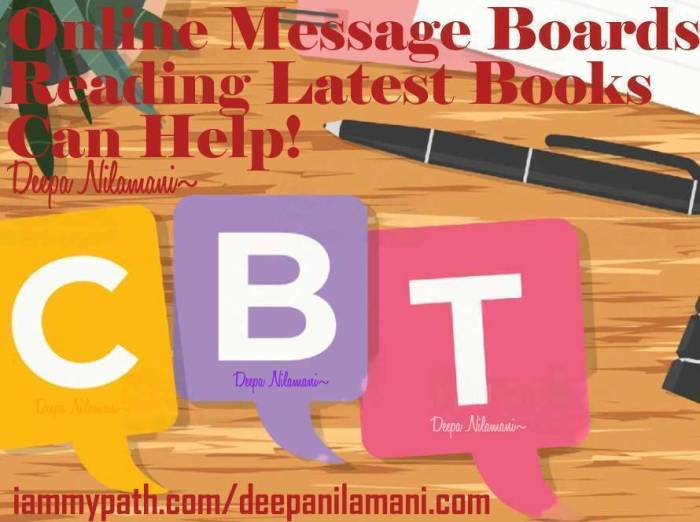
Books: Reading about people who have experienced and overcome a similar problem can be motivating and suggest ideas on how to cope.
Online message boards: Online communities can provide continual support and a place to talk about issues with people who have been in a similar situation.
Meanwhile from WordPress: You’ve posted 3 days in a row on I am My Path!! Keep up the good work 🙂
Latest Update: Today is the 11th of October 2025: This is “The 325 Post” and with the “Introductory Page this will be all in Total up to date, 326 posts :).
Take Home Message We all have the capacity to adapt and to achieve our personal expectations. we raise the bar in relation to our own potential and push ourselves to achieve Higher things. The therapeutic alliance has been shown to affect treatment outcomes across a range of conditions, therapeutic modalities, and contexts. In other words, a greater sense of social connectedness rooted in caring for others, connecting with the community, and finding a sense of purpose is linked to improved mental health and well-being. Lots of picture Quotes about lot of things you can do. Happy Reading 🙂
The coloured Topics in Green, if you “Click” on them “Will take you to other different posts of Mine which you will be able to find more information and even Pronunciation”. I have another website with “My own little Poems and Pictures of some of My Hobbies” if you are interested on seeing, “What else I am doing” you can have a look at: https://deepanilamani.com/
As always, it is all free”. You can share and pass it on also for others who can benefit from this post. I hope All those who Read will be able to make the maximum use of all these facts and make, “Your Lives More Healthy and able to Lead Better lives in Happiness and Peace”. I wish it to be so as,” Peace which is our Ultimate Goal ❤









 I am My Path!
You must be logged in to post a comment.