Music Therapy!

Hello to, All My Dear Readers, Followers and My Blogging Friends ❤

Hope All of You are keeping well and Happy. As usual I am keeping in Good Health and moving forward doing my usual, activities. I began Writing an article on Publishing as I am an Author and also a Publisher. That I decided to rewrite some of the old articles with added knowledge and the changes The world has gone through and I wrote about “Languages and that went on to quite a few posts on that and I came upon Speech Therapy Because of that I wrote about CBT Therapy. And now a lighter subject “”Music Therapy!
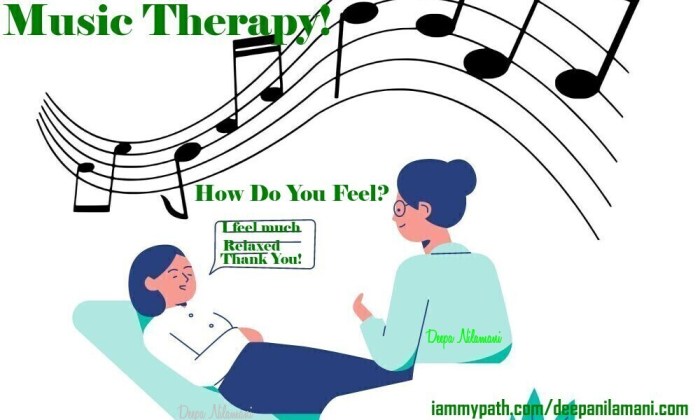
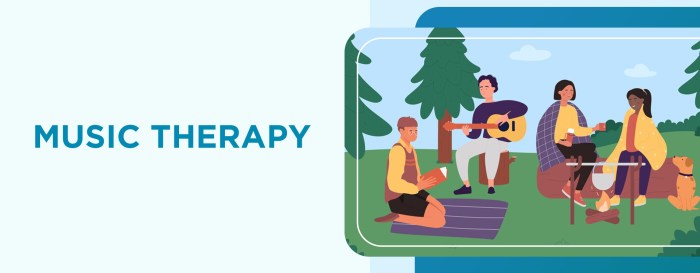
Music therapy is a form of treatment that uses music within the therapeutic relationship to help accomplish the patient’s individualized goals. This evidence-based approach involves techniques such as listening to, reflecting on, and creating music under the guidance of a trained music therapist. It’s not necessary to have a musical background to benefit from music therapy. People of all ages, from children to adults, may find it is a good fit for their therapeutic needs.

When It’s Used

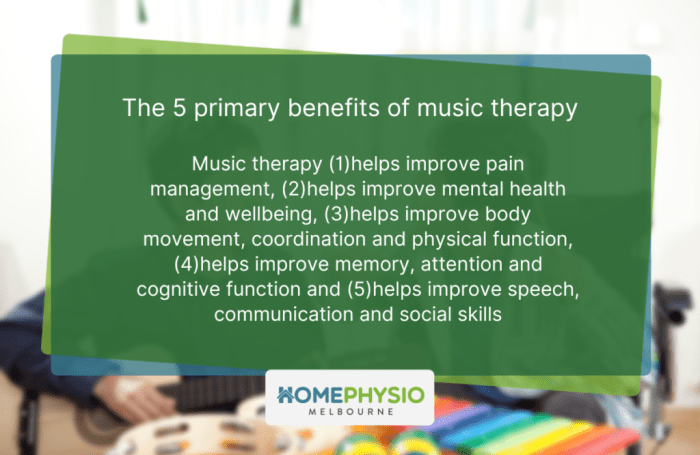
Music therapy is often practiced one-on-one, but it can also be used in group settings, such as a correctional facility, It is generally most effective when used in combination with other therapies. Music therapy can help people manage variety of health conditions.

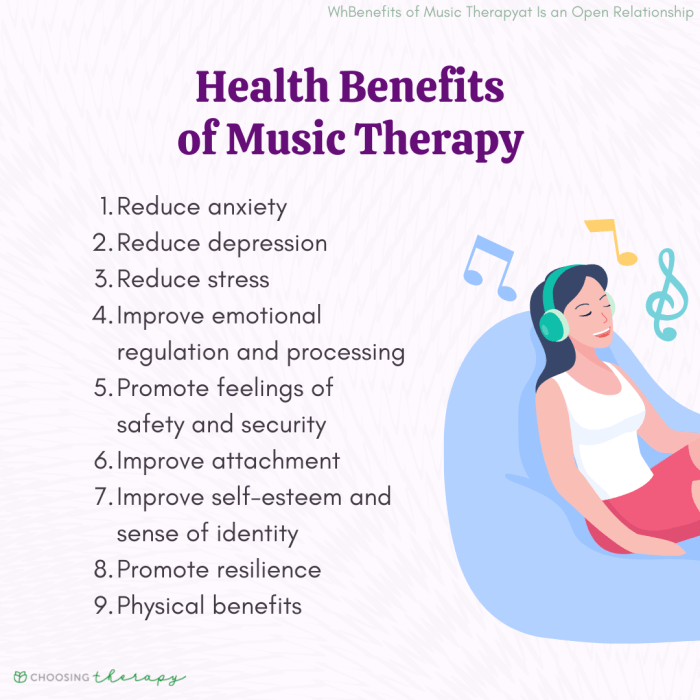
Music can also have powerful effects on a person’s psychological health. It can influence anyone’s mood, causing a range of effects from providing comfort to soothing to boosting energy. Studies have shown that music therapy can be particularly helpful for people who have stress.
Other psychological benefits of music therapy include:

  • Lifting one’s mood
  • Increasing joy
  • Reducing anxiety
  • Regulating emotions, particularly difficult ones
  • Facilitating self-reflection

How It Works

People have long appreciated the healing power of music. Music therapy continues to feel more confident, joyful, and connected. people can still enjoy these benefits, as music can stir emotion, prompt discussion, facilitate expression, and lower stress. Music is processed and produced through a different pathway than verbal speech; bypassing that pathway allows patients to express themselves, communicate with loved ones, and experience the world more vibrantly.

What to Expect

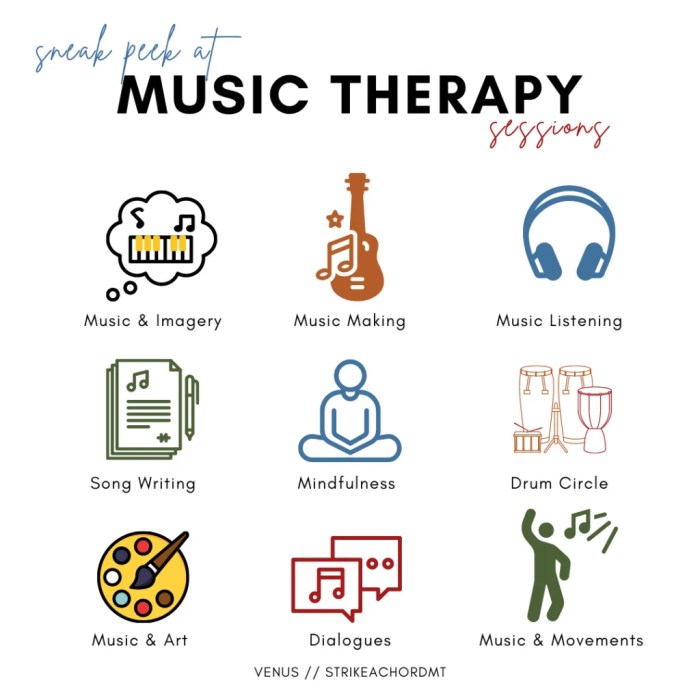
After an initial assessment, a therapist will tailor techniques to fit a client’s musical ability, interests, and specific needs. One approach is to create music—humming a nostalgic tune from one’s childhood, singing as part of a choir, or improvising on instruments such as the drums, piano, guitar, or chimes.

If the client is able to discuss the experience, a therapist might ask what memories the sounds provoke or what they’re feeling. The pair might listen to a song together and discuss the emotions and memories the song. Or the client might write a song, which can illuminate a character or issue in their lives. The therapist could engage the client in breathing exercises, with or without music, to release tension and calm anxiety.
All of these exercises allow the therapist and client to explore the psychological, familial, social, cultural, and spiritual components of the person’s inner world. And clients don’t need to have any musical training or talent; the practice doesn’t focus on technical skills but employs music as a tool for reflection and communication.
What to Look for in a Music Therapist

While music therapy may not be a helpful approach for everyone, many people have found it beneficial Seeking out a therapist with whom the client feels a connection is also valuable. Creating a strong foundation of trust and appreciation can help an individual embrace the process and find success in therapy.

You may want to ask the music therapist a few questions before getting started:

  • How would they help with your particular concerns?
  • Have they dealt with this type of problem before?
  • What is their process?
  • What is their timeline for treatment?
Meanwhile from WordPress: You’ve posted 3 days in a row on I am My Path!! Keep up the good work

Latest Update: Today is the 11th of October 2025: This is “The 326 Post” and with the “Introductory Page this will be all in Total up to date, 327 posts :).

Take Home Message
We all have the capacity to adapt and to achieve our personal expectations. we raise the bar in relation to our own potential and push ourselves to achieve Higher things. The therapeutic alliance has been shown to affect treatment outcomes across a range of conditions, therapeutic modalities, and contexts. In other words, a greater sense of social connectedness rooted in caring for others, connecting with the community, and finding a sense of purpose is linked to improved mental health and well-being. Lots of picture Quotes about lot of things you can do. Happy Reading 🙂

The coloured Topics in Green, if you “Click” on them “Will take you to other different posts of Mine which you will be able to find more information and even Pronunciation”. I have another website with “My own little Poems and Pictures of some of My Hobbies” if you are interested on seeing, “What else I am doing” you can have a look at: https://deepanilamani.com/

As always, it is all free”. You can share and pass it on also for others who can benefit from this post. I hope All those who Read will be able to make the maximum use of all these facts and make, “Your Lives More Healthy and able to Lead Better lives in Happiness and Peace”. I wish it to be so as,” Peace which is our Ultimate Goal ❤

May Gods Blessings Be Upon You ❤

Thanking The i net for the pictures ❤

Deepa Nilamani ❤

Flag Counter

Writing!

Hello To, All My Dear Readers, Followers and Blogging Friends ❤

Hope All of You are keeping well and Happy. As usual I am keeping in Good Health and moving forward doing my usual, activities. I thought of Writing an article on Publishing as I am an Author and also a Publisher. After writing from 2015 to 2025 I have written 318 posts up to now! That I decided to write some of the old articles with added knowledge and the changes The world has gone through!


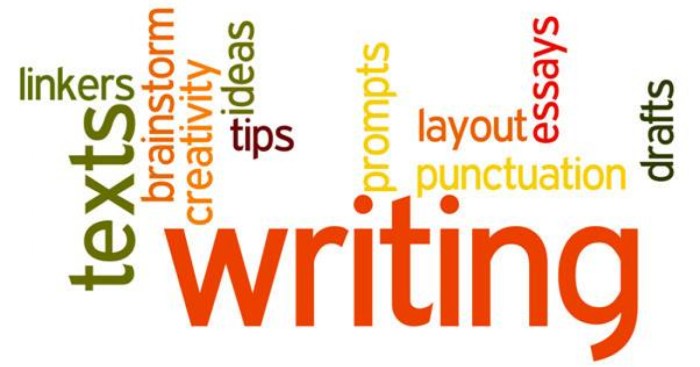
Writing is the act of creating a persistent representation of language. A writing system includes a particular set of symbols called a script, as well as the rules by which they encode a particular spoken language. Every written language arises from a corresponding spoken language; while the use of language is universal across societies, most spoken languages are not written. Writing is a cognitive and social activity involving physical processes. The outcome of this activity, also called writing (or a text) is a series of physicallymechanically transferred, or digitally represented symbols. Reading is the corresponding process of interpreting a written text, with the interpreter referred to as a reader.

In general, writing systems do not constitute languages in and of themselves, but rather a means of making it simple language such that it can be read by others across time and space. While not all languages use a writing system, those that do can complement and extend the capacities of spoken language by creating durable forms of language that can be transmitted (taken) across space (written correspondence) and stored over time (libraries). Writing can also impact what knowledge people acquire, since it allows them to change their thinking in forms that are easier to reflect on, elaborate (describe) on, reconsider, and revise.

Motivations and purposes

Historically, writing emerged to address the needs of societies growing in economic and social complexity. Once developed, potential applications included tracking produce and other wealth, recording history, maintaining culture, as well as lists of texts deemed to contain foundational knowledge or artistic value (literary). Aids to keep records, contractsdeeds of ownership, taxationtrade agreements,, the “marking of signs on stones, clay, paper, and now digital memories—each more portable and rapidly traveling than the previous (before) provided means for increasingly coordinated and extended action as well as memory across larger groups of people over time and space. Further innovations included more uniform, predictable, and widely dispersed legal systems, the distribution of accessible versions of texts, and furthering practices of scientific inquiry and knowledge management, all of which were largely on portable and easily reproducible forms of inscribed language. The history of writing is co-extensive with uses of writing activity systems that give rise to writing.

Individual motivations for writing include the ability to operate beyond the limitations of one’s own memor o listsrecipes, reminders, logbooksmaps, directions for complicated tasks or rituals), dissemination of ideas and coordination (essays, plans,), creativity and storytelling, maintaining other social networks, business correspondence regarding goods and services, and life writing (a diary or journal).The global spread of digital communication systems such as email and social media has made writing an increasingly important feature of daily life, where these systems mix with older technologies like paper, pencils, whiteboards, printers, and copiers. Substantial amounts of everyday writing characterize most workplaces in developed countries. In many occupations (law, accountingsoftware design,), written documentation is not only the main deliverable but also the mode of work itself. Even in occupations not typically associated with writing, routine records management has most employees writing at least some of the time.

Some professions are typically associated with writing, such as literary authors, journalists, and technical writers, but writing is pervasive in most modern forms of work, civic participation, household management, and leisure activities.

Journalism

News and news reporting are central to citizen engagement and knowledge of many spheres of activity people may be interested in about the state of their community, including the actions and integrity of their officials, economic trends, and responses to them, international events, including sports, entertainment, books, and other leisure activities. While news and newspapers have grown rapidly from the twentieth centuries, the changing economics and ability to produce and distribute news have brought about radical and rapid challenges to journalism and the organization of knowledge and engagement. These changes have also created challenges for journalism that have been developed over the past century.

The typewriter, (up) as well as the digital word processor, allow individual writers to produce visually consistent text mechanically from a keyboard. (computer)

Latest Update: Today is the 1st of October 2025: This is “The 317 Post” and with the “Introductory Page this will be all in Total up to date, 318 posts.

Take Home Message
We all have the capacity to adapt and to achieve our personal expectations. we raise the bar in relation to our own potential and push ourselves to achieve Higher things. The therapeutic alliance has been shown to affect treatment outcomes across a range of conditions, therapeutic modalities, and contexts. In other words, a greater sense of social connectedness rooted in caring for others, connecting with the community, and finding a sense of purpose is linked to improved mental health and well-being. Lots of picture Quotes about lot of things you can do. Happy Reading 🙂

The coloured Topics in Green, if you “Click” on them “Will take you to other different posts of Mine which you will be able to find more information and even Pronunciation”. I have another website with “My own little Poems and Pictures of some of My Hobbies” if you are interested on seeing, “What else I am doing” you can have a look at: https://deepanilamani.com/

As always, it is all free”. You can share and pass it on also for others who can benefit from this post. I hope All those who Read will be able to make the maximum use of all these facts and make, “Your Lives More Healthy and able to Lead Better lives in Happiness and Peace”. I wish it to be so as,” Peace which is our Ultimate Goal ❤

May God’s Blessings Be Upon You ❤

Deepa Nilamani ❤
Flag Counter

A Book Corner!

Hello to All My Dear Readers, Followers and Blogging Friends ❤

Hope All of You are keeping well and Happy. As usual I am keeping in Good Health and moving forward doing my usual, activities. Today I thought of Writing an article on Publishing as I am an Author and also a Publisher. And Now I have got this Topic “”A Book Corner””

reading corner is a space dedicated to developing and fostering love for books and the habit of reading. Reading plays a fundamental role in the cognitive, emotional, and social growth of young children, which is why it’s so important to provide spaces like these.

In this article, I will explore the importance of reading, provide guidance on reading to children, and share tips for creating a reading corner in the classroom. Discover how this environment can benefit children’s learning and development!

  1. Fostering a Love for Reading: Reading corners provide a sanctuary where the joy of reading can be discovered and nurtured. Away from the pressures of structured learning, these cosy areas, filled with a variety of books, invite students to explore different genres at their own pace. The comfort and tranquility of the space make reading a pleasurable activity, helping students develop a lifelong love for literature.
  2. Enhancing Literacy and Language Skills: Regular exposure to books in reading corners significantly boosts literacy. Children who spend time reading independently expand their vocabulary, improve their understanding of grammar, and develop better comprehension skills. This exposure is crucial in the early years when students are mastering the basics of reading and writing.
  3. Encouraging Independent Learning: Reading corners promote self-directed learning. In these spaces, students choose what they want to read, setting their own pace without direct supervision or rigid guidelines. This autonomy builds their confidence in making choices and fosters a sense of responsibility for their own learning.
  4. Supporting Emotional and Social Development: Books can be windows into different worlds and experiences, aiding in the emotional and social development of children. Reading stories about diverse cultures, situations, and characters helps students develop empathy and a broader understanding of the world around them. Furthermore, reading corners can be communal spaces where students share books and discuss ideas, enhancing their social skills.
  1. Providing a Haven for Struggling Readers: For students who find reading challenging, the non-judgmental and inviting atmosphere of a reading corner can be particularly beneficial. These students can practice reading in a relaxed environment, free from the anxiety of being judged or falling behind, which is crucial for building their confidence and skills.
  2. Enhancing Concentration and Focus: In our digital age, where attention spans are constantly challenged, reading corners offer a much-needed respite. The act of sitting down with a book requires concentration and focus, skills that are transferable to other areas of academic and personal life.
  3. Cultivating Imagination and Creativity: Books open up worlds of imagination, sparking creativity in young minds. Reading corners, often decorated to inspire and ignite curiosity, provide the perfect backdrop for students to explore and dream, nurturing creative thinking that is invaluable in their overall development.

In conclusion, reading corners are more than just a quiet spot to read; they are essential spaces that contribute significantly to the intellectual, emotional, and social development of students. They help cultivate a love for reading, build essential literacy skills, and support independent and imaginative thinking. In the dynamic world of education, reading corners stand as a testament to the timeless power of books and the endless possibilities they hold for young learners. Every school should consider them an integral part of their educational offering, a simple yet powerful tool in shaping the minds of future generations.

Latest Update: Today is 28th of September 2025: This is “The 314Post” and with the “Introductory Page this will be all in Total up to date, 315 posts.

Take Home Message
We all have the capacity to adapt and to achieve our personal expectations. we raise the bar in relation to our own potential and push ourselves to achieve Higher things. The therapeutic alliance has been shown to affect treatment outcomes across a range of conditions, therapeutic modalities, and contexts. In other words, a greater sense of social connectedness rooted in caring for others, connecting with the community, and finding a sense of purpose is linked to improved mental health and well-being. Lots of picture Quotes about lot of things you can do. Happy Reading 🙂

As always, it is all free”. You can share and pass it on also for others who can benefit from this post. I hope All those who Read will be able to make the maximum use of all these facts and make, “Your Lives More Healthy and able to Lead Better lives in Happiness and Peace”. I wish it to be so as,” Peace which is our Ultimate Goal ❤

The Topics in Green, if you “Click” on them “Will take you to My other different posts which you will be able to find more information and even Pronunciation”. I have another website with “My own little Poems and Pictures of some of My Hobbies” if you are interested on seeing, “What else I am doing” during my spare time you can have a look at: https://deepanilamani.com/

May God’s Blessings Be Upon You ❤

Deepa Nilamani ❤
Flag Counter

Mentoring!

Hello To, All My Readers, Followers and Blogging Friends ❤

Hope All of You are keeping in Good Health as possible. And Positive and Motivated. Well, I have been writing quite a bit about Therapies and Food. Taking after PURPOSE IN LIFE my students are very keen and interested studying. They wanted to study PSYCHOLOGY I am flattered and so HAPPY. And posted as unlike simple articles very Advanced Topics. And now back to my usual Life topics I thought of writing about Mentoring 🙂

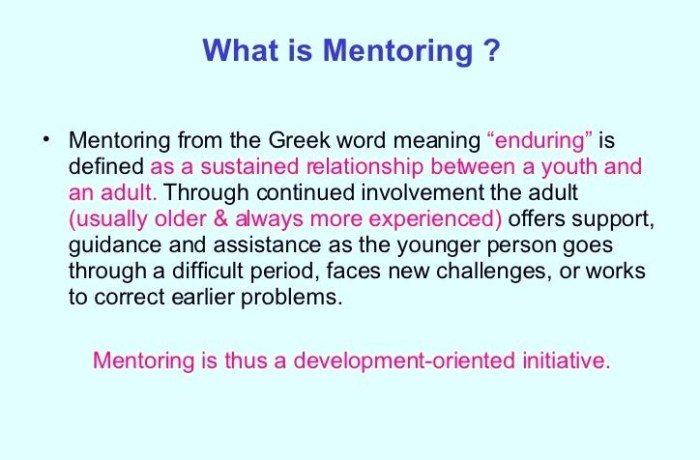
WHAT IS MENTORING?
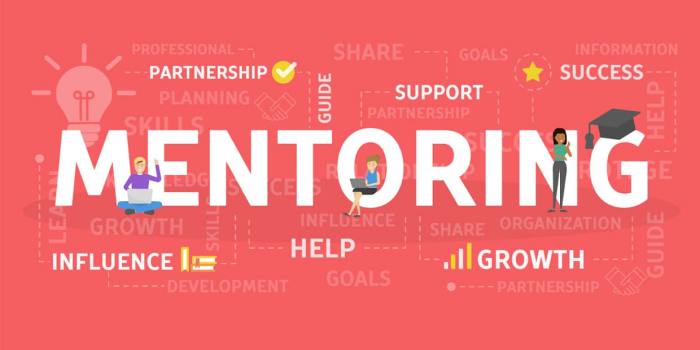
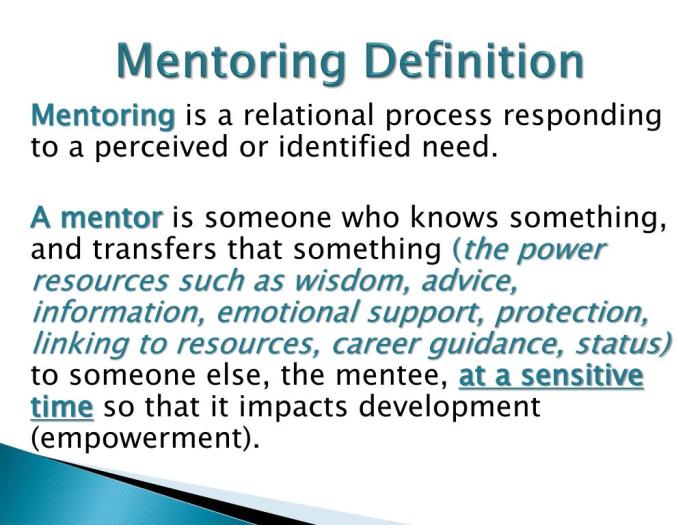
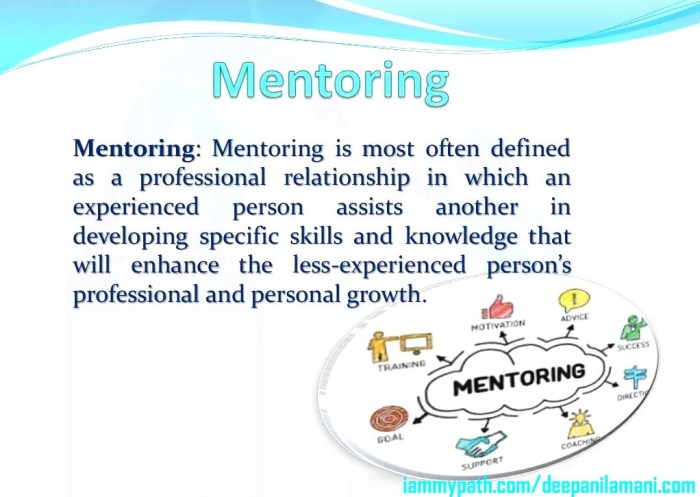
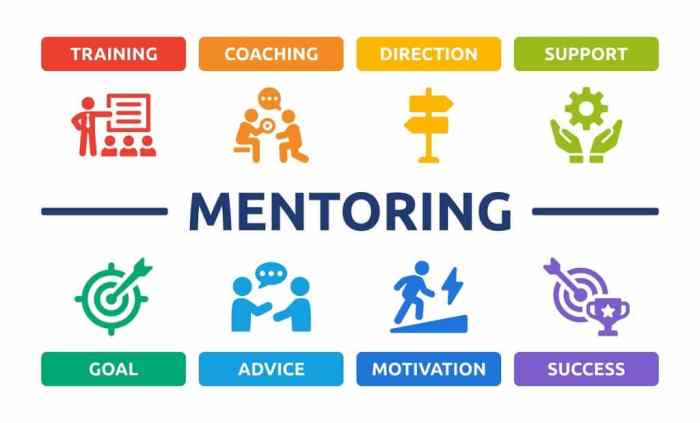
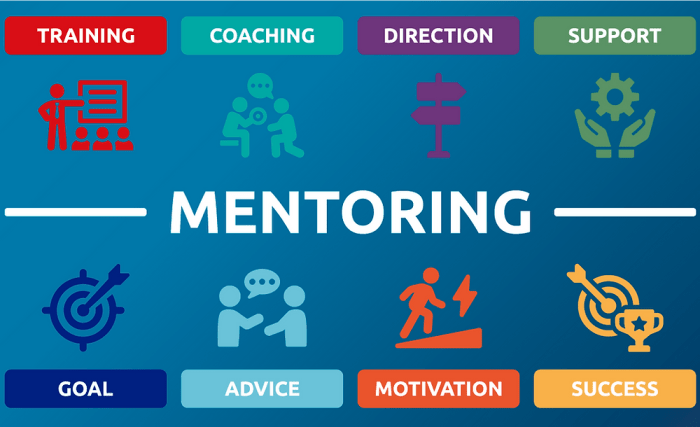
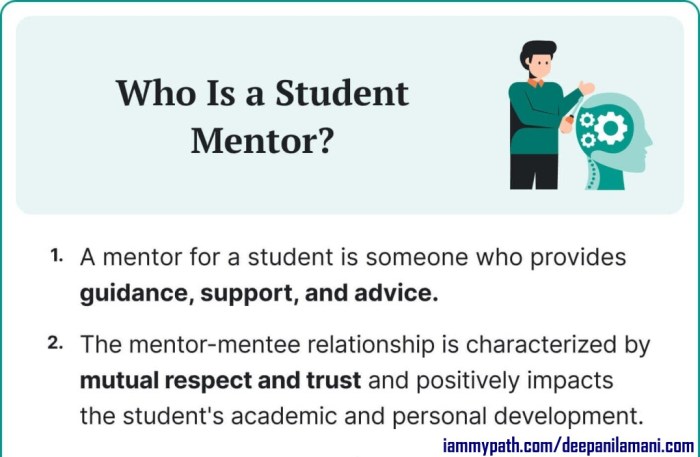
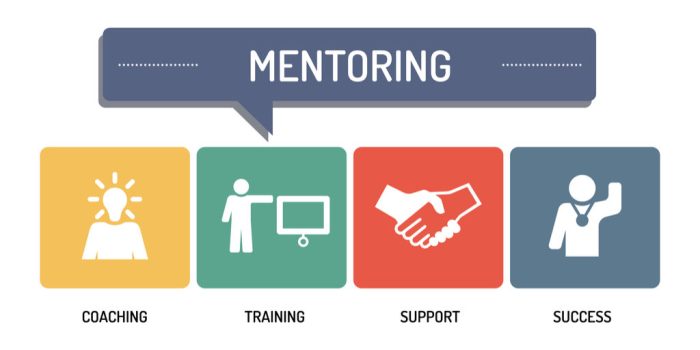
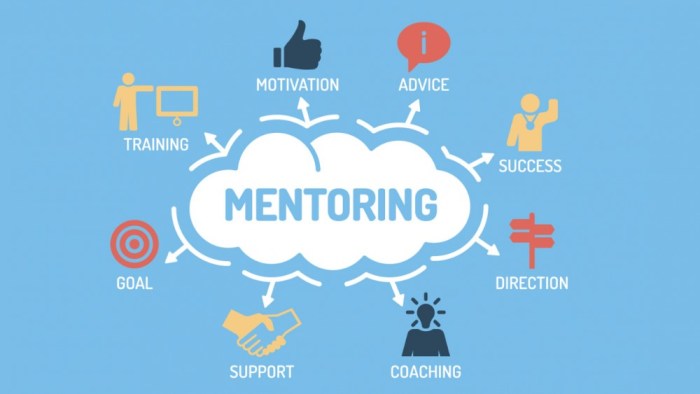
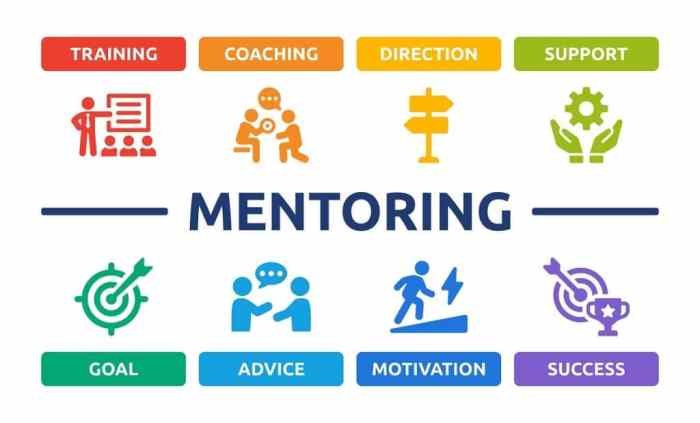
Mentoring is a developmental relationship where a more experienced individual (mentor) provides guidance, support, and knowledge to a less experienced individual (mentee) to foster their personal and professional growth.

Definition and Purpose

Types of Mentoring

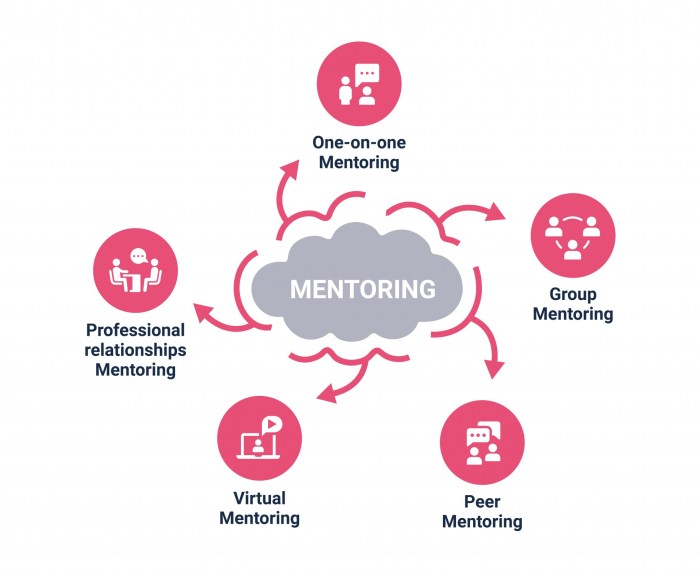
Mentoring can take various forms, including: One-on-One Mentoring: The traditional model where one mentor works with one mentee.
Group Mentoring: One or several mentors work with a group of mentees, often used in educational settings.
Peer Mentoring: Individuals at similar levels support each other, sharing experiences and advice.
Distance or E-Mentoring: Mentoring relationships conducted online, allowing for flexibility and broader reach.

Reverse Mentoring: A junior employee mentors a senior professional, often to share new skills or perspectives. 

Benefits of Mentoring

Mentoring provides numerous benefits, including:
Professional Development: Helps mentees acquire new skills and knowledge relevant to their careers.
Networking Opportunities: Mentors can introduce mentees to valuable contacts within their industry.

Types of Mentoring

Mentoring can take various forms, including:

WHAT IS A MENTOR?

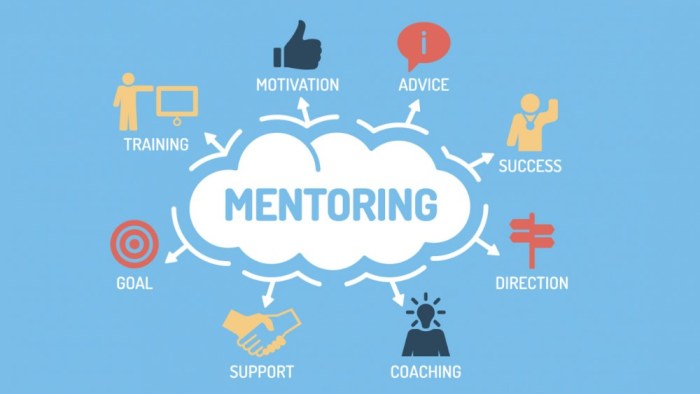
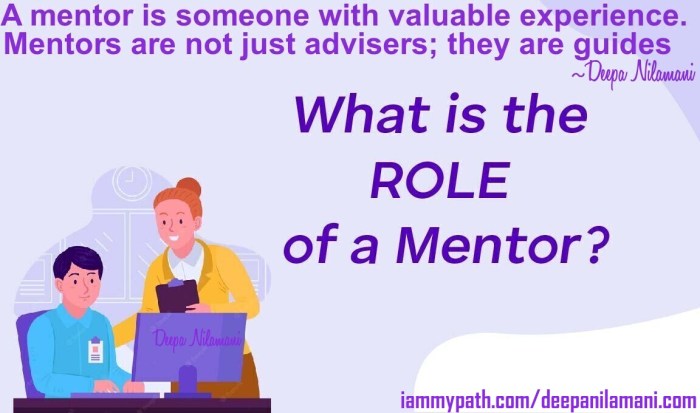
A mentor is someone with valuable experience and knowledge who offers guidance and support. In mentoring programs, mentors are not just advisers; they are guides that help promote professional growth and skill development within the company. They share insights and are able to open doors that might otherwise remain closed to a mentee. A mentor’s role is diverse, and often extends beyond simple advice-giving. They may perform various mentoring functions, sometimes acting as a coach, a connector, or even a challenger, to help their mentees reach their full potential. It’s not unusual for a mentee to have more than one mentor, as each can provide unique, invaluable perspectives and expertise

WHAT IS A MENTEE?

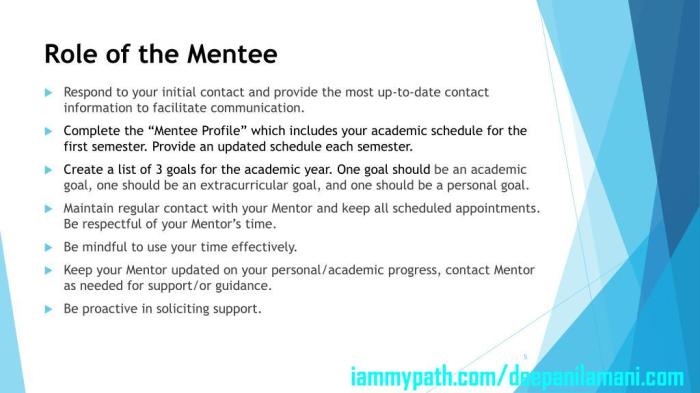
A mentee is someone who is eager to grow, learn, and develop professionally or personally, and who engages with a mentor for this purpose. They are not passive recipients of a mentor’s wisdom, but rather active participants in their own development journey. The mentee’s role is to be open, curious, and ready to transform the knowledge and advice they receive into meaningful progress in their career or personal life.

HOW DOES MENTORING DIFFER FROM COACHING?

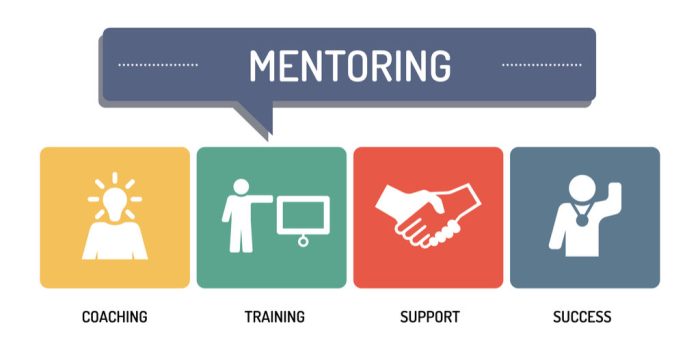
Coaching in a business environment is primarily focused on assisting people with their current performance to “get them fit” for either their current role or their next position. Mentoring, however, is a learning relationship, and is generally focused on long term career development. The primary purpose is to drive personal growth, building skills, knowledge, and understanding. Mentors may use coaching skills in their conversations, but typically the mentor role is wider than that of a coach and may include opening doors, making connections and sharing experiences

WHEN TO USE MENTORING

Many organizations have found that a strong mentor-mentee program means staff are more likely to interact with and retain the information they are being taught. choosing the right application for mentoring, it has been found to be particularly appropriate for increasing employee retention facilitating cultural shifts, and encouraging organizational diversity explores). It is often used to support talent programs, so that participants get the most they can from their involvement by using a mentor to help them embed learning. Mentoring can also be used to encourage ethical behaviour within an organization when compared against other possible Learning & Development program areas.

HOW TO FIND A MENTOR

Identifying the Right Mentor

Finding the right mentor is a key step in your professional journey. Start by identifying what you want to achieve in your career or personal development. This clarity helps in pinpointing the kind of mentor who can guide you effectively. Look for someone whose expertise aligns with your goals and who exhibits qualities that resonate with your values.

INITIATING THE RELATIONSHIP

Once you’ve identified a potential mentor, approach them with respect and clarity. Express your admiration for their work and explain why you believe they would be a great mentor. Be specific about what you’re hoping to learn and how you think they can help. Remember, mentoring is a two-way street. Be open to feedback and willing to invest time and effort into the relationship. It’s also important to respect their time and boundaries, as mentors often juggle their own responsibilities alongside mentoring.

SETTING EFFECTIVE MENTORING GOALS
Setting clear and achievable goals in your mentoring course not only guides the mentoring relationship, but also ensures that it aligns with the broader objectives of your organization. So, how do we define these goals? It begins with understanding what both the mentor and mentee aim to achieve. This could range from professional development to mastering specific skills.


In formal mentoring programs, goals are what keeps the relationship focused and meaningful. For example, if a mentee aims to improve leadership skills, the mentor’s role is to provide guidance and opportunities to develop these skills. It’s not just about one-on-one interactions, however; sometimes, group mentoring can be involved, which allows the mentee to learn from multiple mentors. This approach broadens the mentee’s learning horizon by offering diverse perspectives and experiences.
The beauty of mentoring lies in its flexibility. Whether it’s about career progression, skill enhancement, or personal growth, goals can be tailored to fit each unique mentoring relationship. By ensuring these goals resonate with your organisation’s vision, mentoring can become a powerful tool that fosters a culture of continuous learning and development.

HOW TO START A MENTORING PROGRAM

Want to find out if you’re ready to launch a mentoring program? Take a look at our Mentoring Program Readiness Self-Assessment tool to ensure you’re well-prepared. You can also take a look at our blog for more learning material. Alternatively, contact us. We will talk you through the whole process and help in developing a personalised mentoring program that meets the specific needs of your organisation.

Latest Update: Today is 15t th of September 2025: This is “The 306Post” and with the “Introductory Page this will be all in Total up to date, 307 posts.

Take Home Message
We all have the capacity to adapt and to achieve our personal expectations. we raise the bar in relation to our own potential and push ourselves to achieve Higher things. The therapeutic alliance has been shown to affect treatment outcomes across a range of conditions, therapeutic modalities, and contexts. In other words, a greater sense of social connectedness rooted in caring for others, connecting with the community, and finding a sense of purpose is linked to improved mental health and well-being. Lots of picture Quotes about lot of things you can do. Happy Reading

I hope what I have written and The Knowledge will be Useful and You have learnt new facts. And also You will be able to Enjoy going through The Picture Quotes as I have done quite bit of Making them more colourful and Attractive I am in Good Health and as, “I have been able to, “Receive Healing Energy into My Hands” since “Beginning of 2016” All my Hard work and Praying has been rewarded. Healing Energy can go to others too, and wherever it is needed to be received with a Clear Mind and Lot of Loving Kindness ❤

On Top Right Hand side you are able to see: The word “Menu” when you click on it, you will see the word “Home” All the posts from “The Very Beginning comes ~ Under “Home”. Which is The Introductory Page about: Who I am & Why I am Writing

The old Topics are, “On the Left-Hand side “Under the, “Recent Posts” with “The New Topics adding up. You can “Click and see all The older Topics” “Under “Archives” and “Under Categories”!

I am still “My Healthy self” and Writing “My Own Journey on Wellness and Healing”. So that Everyone can have “Faith, Hope and to Heal” To Lead a Better Life of Good Health, Happiness and Joy”. If you click on the Link You can Read This Post: The Therapists Voice Forward!

On Top Right Hand side you are able to see: The word “Menu” when you click on it, you will see the word “Home” All the posts from “The Very Beginning comes ~ Under “Home”. Which is The Introductory Page about: Who I am & Why I am Writing

The old Topics are, “On the Left-Hand side “Under the, “Recent Posts” with “The New Topics adding up. You can “Click and see all The older Topics” “Under “Archives” and “Under Categories”!

I am still “My Healthy self” and Writing “My Own Journey on Wellness and Healing”. So that Everyone can have “Faith, Hope and to Heal” To Lead a Better Life of Good Health, Happiness and Joy”. If you click on the Link You can Read This Post: The Therapists Voice Forward!

The Topics in Green, if you “Click” on them “Will take you to My other different posts which you will be able to find more information and even Pronunciation”. I have another website with “My own little Poems and Pictures of some of My Hobbies” if you are interested on seeing, “What else I am doing” during my spare time you can have a look at :https://deepanilamani.com/

It is all free”. You can share and pass it on also for others who can benefit from this post. I hope All those who Read will be able to make the maximum use of all what I post and write to make, “Your Lives More Healthy and able to Lead Better lives in Happiness and Peace”. I wish it to be so as,” Peace which is our Ultimate Goal in Life ❤

Sending Many Blessings of Love, Light and Healing Energies to You ❤

May Gods Blessings Be Upon You ❤

Deepa Nilamani ❤
Flag Counter