Cognitive Behavioral Therapy!

Hello to, All My Dear Readers, Followers and My Blogging Friends ❤

Hope All of You are keeping well and Happy. As usual I am keeping in Good Health and moving forward doing my usual, activities. I began Writing an article on Publishing as I am an Author and also a Publisher. That I decided to rewrite some of the old articles with added knowledge and the changes The world has gone through and I wrote about “Languages and that went on to quite a few posts on that and I came upon Speech Therapy Because of that I am going to first write what Therapy is about and now about CBT Therapy!
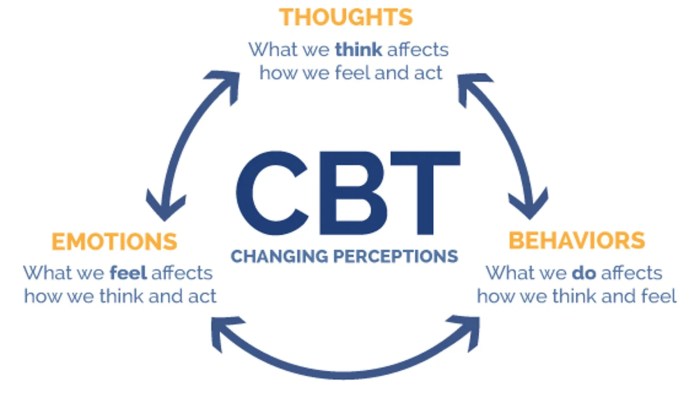
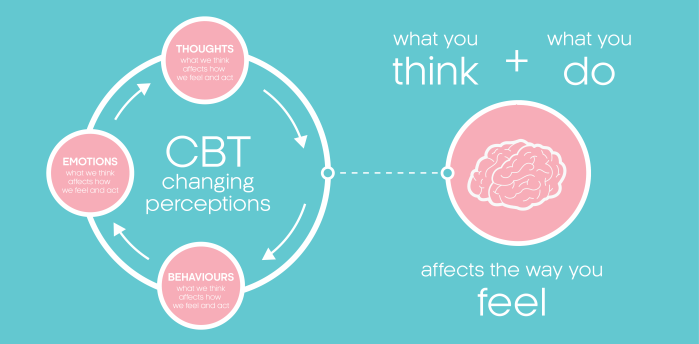
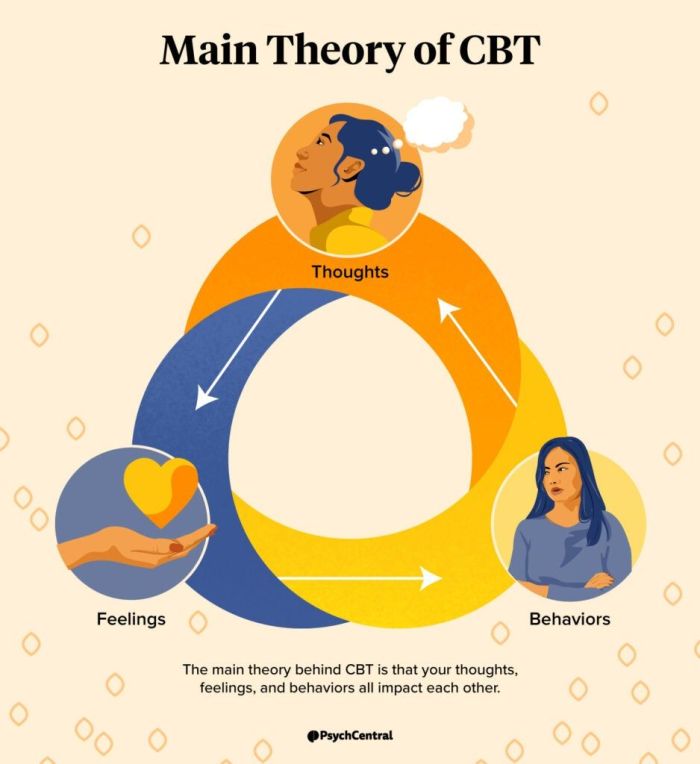
Cognitive behavioral therapy (CBT) is a short-term form of psychotherapy based on the idea that the way someone thinks and feels affects the way he or she behaves. CBT aims to help clients resolve present-day challenges like depression or anxiety, relationship problems, anger issues, stress, or other common concerns that negatively affect mental health and quality of life. The goal of treatment is to help clients identify, challenge, and change thought patterns in order to change their responses to difficult situations.
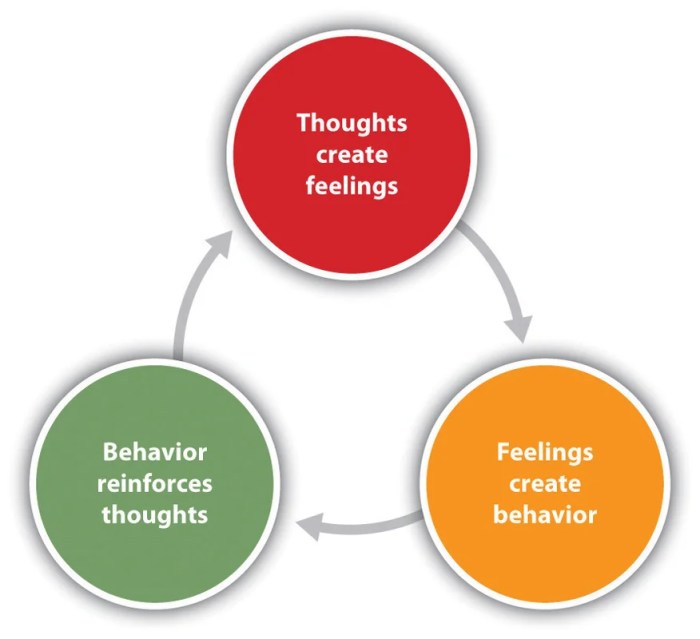
Originally called simply “cognitive therapy,” what is now CBT helping depressed patients recognize and challenge their automatic negative thoughts had a positive impact on their symptoms. Though it was originally designed to treat depression, since its inception CBT has been found to be effective for a wide range of mental health conditions and day-to-day psychological challenges, and is recommended as the first-line treatment for disorders including depression, anxiety, and insomnia.
When It’s Used

CBT is appropriate for children, adolescents, and adults and for individuals, families, and couples. A large body of research has found it to be either highly or moderately effective in the treatment of depression, generalized anxiety disorder, post-traumatic stress disorder, general stress, anger issues, panic disorders, agoraphobia, social phobia, eating disorders, and childhood anxiety and depressive disorders. CBT may also be effective as an intervention for chronic pain conditions and associated distress. CBT can be used alone or in conjunction with psychiatric medication. Some studies have found that CBT and medication are equally effective in treating depression.
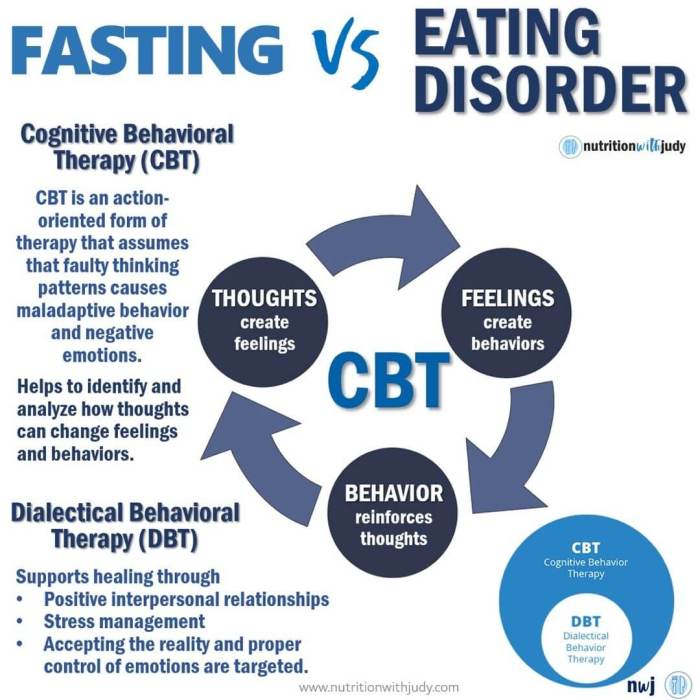
Specialized forms of CBT may also be used to treat specific conditions. For example, cognitive behavioral therapy for insomnia, or CBT-I, has been found to be a highly effective short-term treatment for chronic insomnia; it is now the recommended first-line treatment for individuals struggling with insomnia. Another example is enhanced cognitive behavioral therapy, or CBT-E, a form of CBT specifically designed to treat eating disorders. Brief cognitive behavioral therapy, or BCBT, is a shortened form of CBT used in situations where the client is not able to undergo a longer course of therapy.
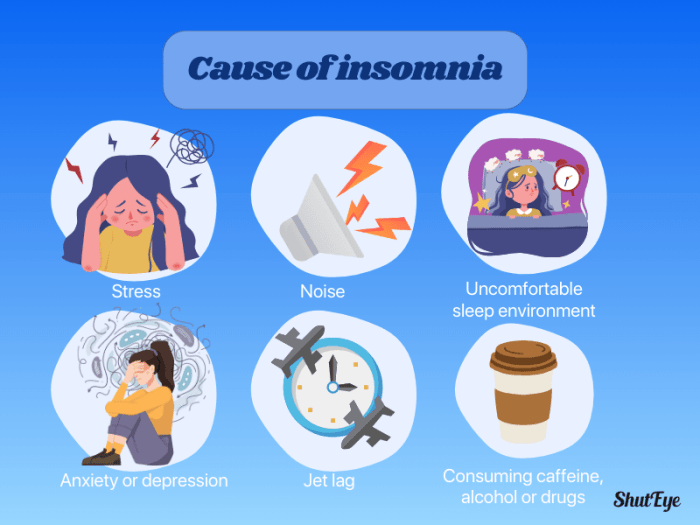
What to Expect

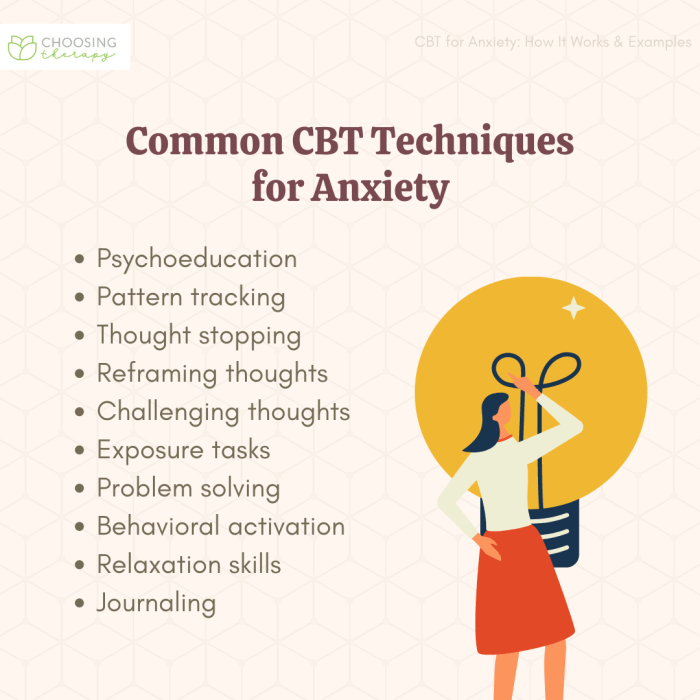
CBT is a structured form of psychotherapy that can occur in a relatively short period of time—often between 5 and 20 weekly sessions, generally around 45 to 50 minutes each. CBT usually starts with one or two sessions focused on assessment, during which the therapist will help the client identify the symptoms or behavior patterns that are causing them the most problems and set goals for treatment. In subsequent sessions, the client will identify the negative or maladaptive thoughts they have about their current problems and determine whether or not these thoughts are realistic. If these thoughts are deemed unrealistic, the client will learn skills that help them challenge and ultimately change their thinking patterns so they are more accurate with respect to a given situation. Once the client’s perspective is more realistic, the therapist can help them determine an appropriate course of action.
CBT usually concludes with a session or two of recapping, reassessing, and reinforcing what was learned. If necessary, someone may return to therapy for periodic maintenance sessions. Along the way, clients will most likely be given “homework” to do between sessions. That work will typically include exercises that will help them learn to apply the skills and solutions they came up with in therapy to real-world situations in their day-to-day life.
While cognitive behavioral therapy may sound simple it can be quite challenging in practice. Our patterns of thinking are often deeply entrenched and habitual—and as with any long-standing habit, it can be a process to replace one thought pattern with a new, healthier one. And while clients undergoing CBT will likely not spend a large amount of time exploring their childhood or past, they may still be asked to examine thoughts and behavior patterns that they may find not that pleasant. As in all types of therapy, it is important to work with a therapist with whom one can be open and honest 🙂

How It Works
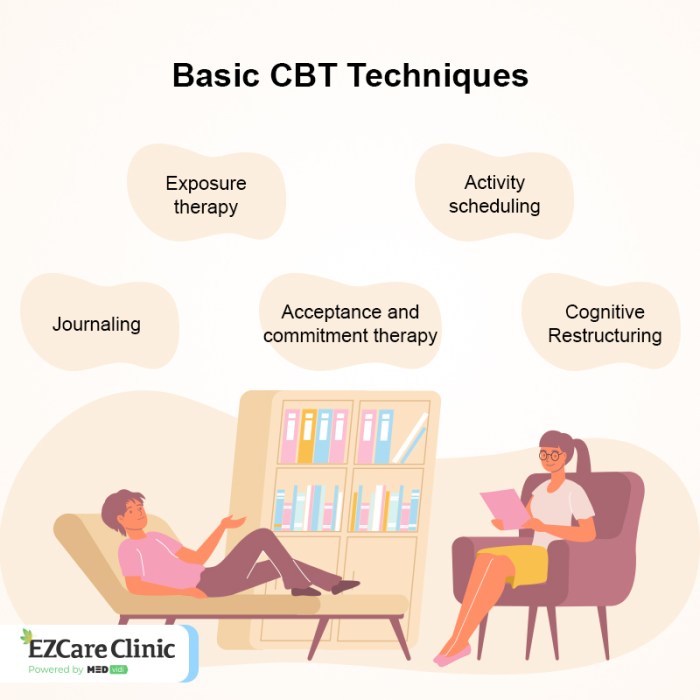
CBT integrates behavioral theories and cognitive theories to conclude that the way people perceive a situation determines their reaction more than the actual reality of the situation does. When a person is distressed or discouraged, his or her view of an experience may not be realistic. Changing the way clients think and see the world can change their responses to circumstances.

CBT often targets cognitive distortions, or irrational patterns of thought that can negatively affect behavior. Common cognitive distortions include all-or-nothing thinking (seeing everything in black-and-white terms and ignoring nuance), catastrophizing (always assuming the worst will happen), and personalization (believing that the individual is responsible for everything that happens around them, whether good or bad).
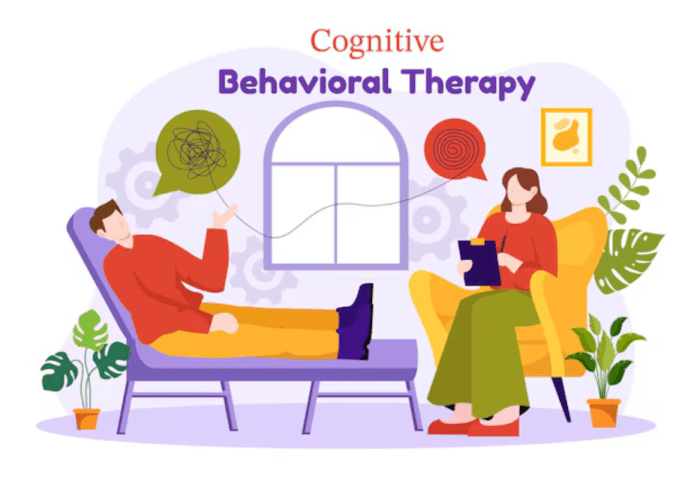
For example, someone who is prone to catastrophizing may assume that a friend who doesn’t text them back right away is angry at them, potentially leading them to withdraw socially, lash out at the friend, ruminate, or otherwise behave in a non-productive way. Using CBT, they may learn to recognize their tendency to jump to the worst possible conclusion—and the next time their friend does not return their text, they can remind themselves that the friend has always returned texts in the past and may simply be busy. Such reframing can help someone refrain from engaging in counterproductive behavior.

CBT is rooted in the present, so the therapist will initially ask clients to identify life situations, thoughts, and feelings that cause acute or chronic distress. The therapist will then explore whether or not these thoughts and feelings are productive or even valid. The goal of CBT is to get clients actively involved in their own treatment plan so that they understand that the way to improve their lives is to adjust their thinking and their approach to everyday situations.
What to Look for in a Cognitive Behavioral Therapist

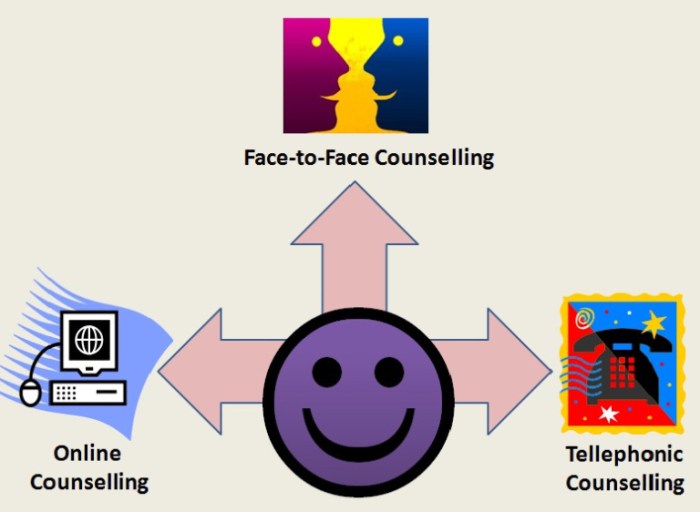
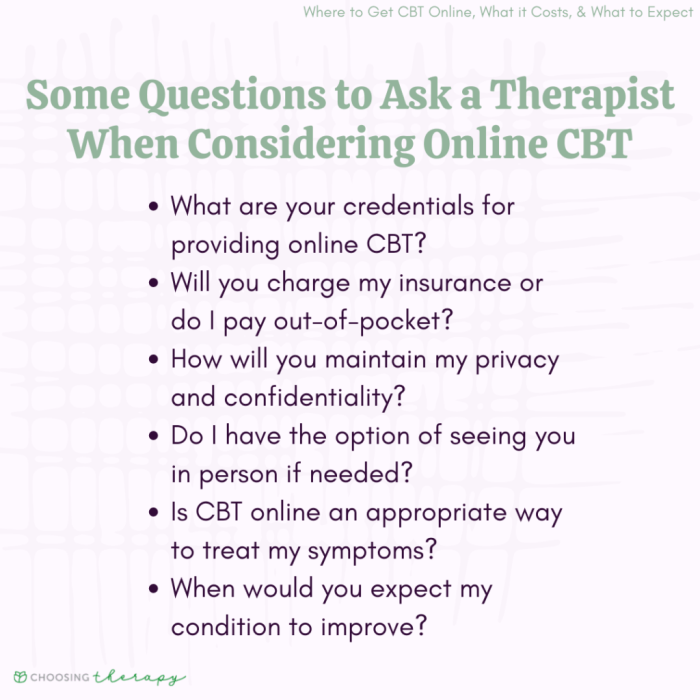
CBT is among the most widely-utilized therapeutic approaches, so many people are able to locate a therapist in their area who practices it, but CBT has also been found to be effective when delivered online. There is no particular certification or license required to practice CBT, but clients are advised to look for a credentialed mental health professional with specialized training and experience in cognitive behavioral therapy. In addition to confirming these credentials, it is important to find a therapist with whom one feels comfortable, as CBT is a collaborative process and a strong therapeutic alliance is critical to its success.
How to Ask for Help

While being resourceful is an important part of resilience, it is also essential to know when to ask for help. During a crisis, everyone can benefit from the help of psychologists and counselors specially trained to deal with crisis situations. Other potential sources of assistance include:

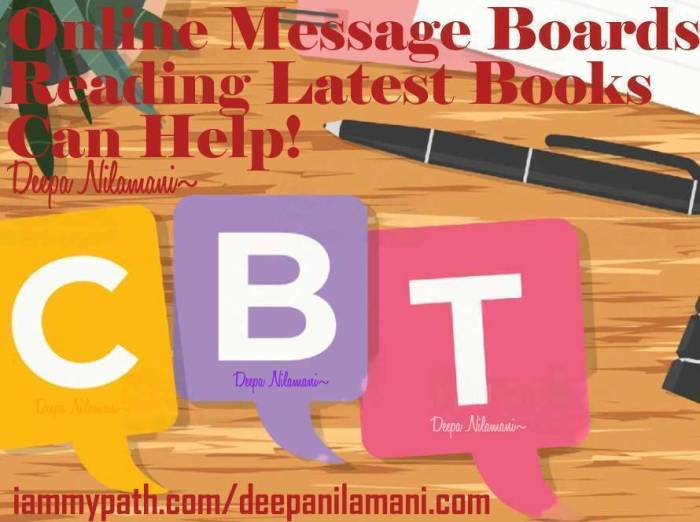
  • Books: Reading about people who have experienced and overcome a similar problem can be motivating and suggest ideas on how to cope.
  • Online message boards: Online communities can provide continual support and a place to talk about issues with people who have been in a similar situation.
Meanwhile from WordPress: You’ve posted 3 days in a row on I am My Path!! Keep up the good work 🙂

Latest Update: Today is the 11th of October 2025: This is “The 325 Post” and with the “Introductory Page this will be all in Total up to date, 326 posts :).

Take Home Message
We all have the capacity to adapt and to achieve our personal expectations. we raise the bar in relation to our own potential and push ourselves to achieve Higher things. The therapeutic alliance has been shown to affect treatment outcomes across a range of conditions, therapeutic modalities, and contexts. In other words, a greater sense of social connectedness rooted in caring for others, connecting with the community, and finding a sense of purpose is linked to improved mental health and well-being. Lots of picture Quotes about lot of things you can do. Happy Reading 🙂

The coloured Topics in Green, if you “Click” on them “Will take you to other different posts of Mine which you will be able to find more information and even Pronunciation”. I have another website with “My own little Poems and Pictures of some of My Hobbies” if you are interested on seeing, “What else I am doing” you can have a look at: https://deepanilamani.com/

As always, it is all free”. You can share and pass it on also for others who can benefit from this post. I hope All those who Read will be able to make the maximum use of all these facts and make, “Your Lives More Healthy and able to Lead Better lives in Happiness and Peace”. I wish it to be so as,” Peace which is our Ultimate Goal ❤

May Gods Blessings Be Upon You ❤

Thanking The i net for the pictures ❤

Deepa Nilamani ❤

Flag Counter

Therapy!

Hello to, All My Dear Readers, Followers and My Blogging Friends ❤

Hope All of You are keeping well and Happy. As usual I am keeping in Good Health and moving forward doing my usual, activities. I began Writing an article on Publishing as I am an Author and also a Publisher. That I decided to rewrite some of the old articles with added knowledge and the changes The world has gone through and I wrote about “Languages and that went on to quite a few posts on that and I came upon Speech Therapy Because of that I am going to first write what Therapy is about!

treatment that helps someone feel bettergrow stronger, etc., especially after an illness:

Therapy, in all its diverse offerings, has the goal of relieving or healing disorders, mental illness, and of rehabilitating individuals and helping them function better socially.

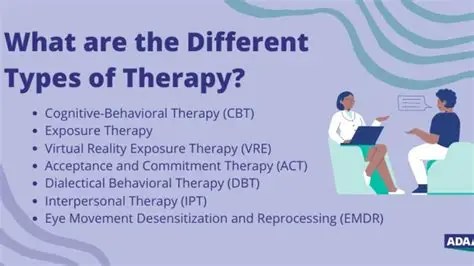
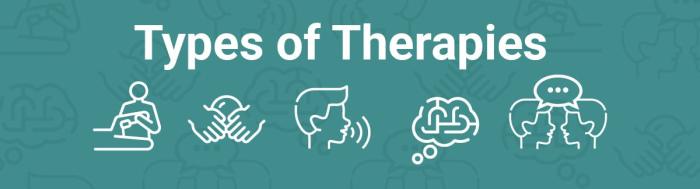
The following is a list of some of the common therapeutic approaches and their descriptions:

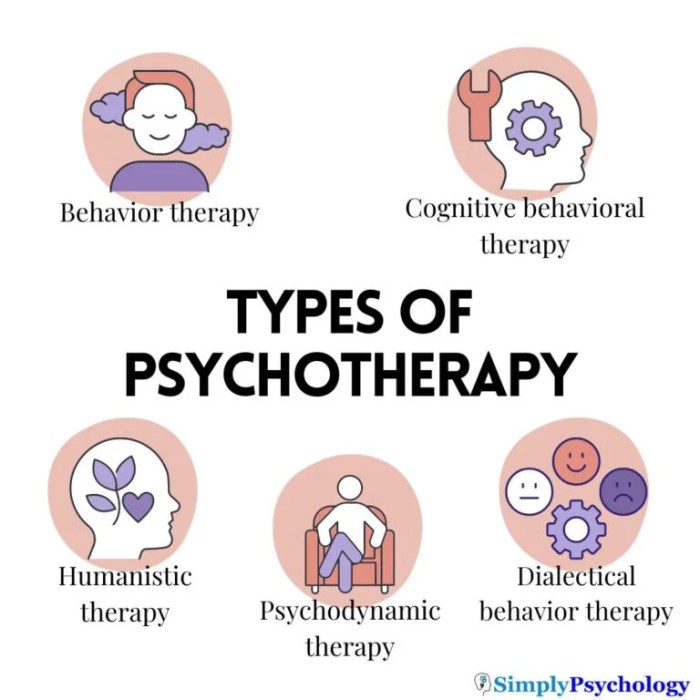
Eye Movement Desensitization and Reprocessing (EMDR): Uses bilateral eye movement stimulation to help people process and recover from the impact of traumatic memories. 

These therapies are just a few  of the many options available for mental health treatment. Each therapy type focuses on different aspects of psychological well-being and can be tailored to meet individual needs. 

Psychodynamic Therapy: Focuses on the roots of emotional issues and early experiences with caregivers. It aims to help clients increase self-reflection and self-examination. 

Cognitive Behavioral Therapy (CBT): Aims to challenge cognitive distortions and find better ways to cope and manage stress through problem-solving. 1

Dialectical Behavior Therapy (DBT): Incorporates acceptance, mindfulness, and emotional regulation strategies to help individuals manage strong emotions. 

Acceptance and Commitment Therapy (ACT): Focuses on helping people learn to accept their thoughts and feelings and commit to goals that support their values in life. 

Latest Update: Today is the 10th of October 2025: This is “The 324 Post” and with the “Introductory Page this will be all in Total up to date, 325 posts :).

Take Home Message
We all have the capacity to adapt and to achieve our personal expectations. we raise the bar in relation to our own potential and push ourselves to achieve Higher things. The therapeutic alliance has been shown to affect treatment outcomes across a range of conditions, therapeutic modalities, and contexts. In other words, a greater sense of social connectedness rooted in caring for others, connecting with the community, and finding a sense of purpose is linked to improved mental health and well-being. Lots of picture Quotes about lot of things you can do. Happy Reading 🙂

The coloured Topics in Green, if you “Click” on them “Will take you to other different posts of Mine which you will be able to find more information and even Pronunciation”. I have another website with “My own little Poems and Pictures of some of My Hobbies” if you are interested on seeing, “What else I am doing” you can have a look at: https://deepanilamani.com/

As always, it is all free”. You can share and pass it on also for others who can benefit from this post. I hope All those who Read will be able to make the maximum use of all these facts and make, “Your Lives More Healthy and able to Lead Better lives in Happiness and Peace”. I wish it to be so as,” Peace which is our Ultimate Goal ❤

May Gods Blessings Be Upon You ❤

Thanking The i net for the pictures ❤

Deepa Nilamani ❤
Flag Counter

Happy Birthday My Grandfather!

Hello to All My Dear Readers, Followers and Blogging Friends ❤

Hope All of You are keeping well and Happy. As usual I am keeping in Good Health and moving forward doing my usual, activities. As I have written that I have received, “The Gift of Healing” some were unable to really understand “Exactly from whom and how I have received “The Gift”! Although I shared My Grandfathers Link on Wikipedia, it is not all who are able to see the connection of myself to “My Grandfather, that I have had to share these details with some reluctance, “To make it clear, about My Grandfathers “Qualifications and Other details to Support, What The Gift of Healing is” Click This Link which will take to The page with All his Details: https://en.wikipedia.org/wiki/G._P._Wickramarachchi!

Early life and education:
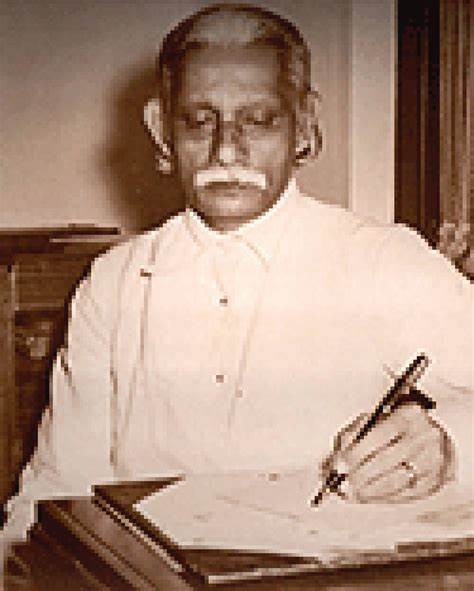
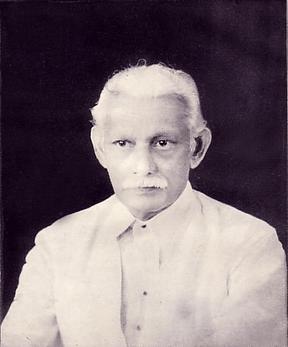
Gabriyal Perera Wickramarachchi (Sinhala: ජී. පී. වික්‍රමආරච්චි; 28 September 1889 – 29 March 1975) also known as Ayurveda Chakravarti Pandit Wickramarachchi was a distinguished eminent Ceylonese Ayurvedic physician, author, linguist, senator, lawyer (notary), lecturer and a philanthropist who founded Gampaha Siddhayurveda Vidyalaya which later became Gampaha Wickramarachchi Ayurveda Institute of University of Kelaniya.

Wickramarachchi was born on 28 September 1889 in Nadungamuwa Gampaha as the third son of the family to (above) Velum Perera Wickramarachchi, an indigenous medical practitioner and his wife Sara Nona Dharmawathi. He received his primary education at Henegama Government School and secondary education at Uttharamulla Pirivena. He entered the Vidyodaya Pirivena in circa.1909 and graduated in oriental languages in 1913 with the title Rajakiya Pandit. In 1917 he sat for the notary exam and became a notary, in that same year he won a scholarship to Jamini Bhushan Ray Ashtanga Ayurvedic Vidyalaya in Calcutta. After three years of studying there he earned his degree of LAMS (Hons) in 1920 and the degree of Kaviranjan from Kaliya Ayurveda Bavan in 1921.

Pandit Wickramarachchi started his professional career at Gampaha and became the most brilliant Ayurvedic Physician at that era. He established Gampaha Siddhayurveda Vidyalaya in 1929 and maintained the Vidyalaya at his own expenses and no fees were charged from the students even for lodging. Pandit Wickramarachchi started the medicine factory attached to the Vidyalaya in the 1930s (1932 or 1934). Ayurveda Chakravarthi Pandith G. P. Wickramarachchi, the founder of Siddhayurveda Medical College, was born on the 20th September 1889. In 1917, he proceeded to Calcuatta Ashtanga Ayurveda Vidyalaya and studied there under Kaviraj Jamini Bhūshana Roy, one of the most eminent scholars of Ayurveda in India. He was graduated with L.A.M.S. degree (Bhishagratna). He founded this institute in his personal land in Yakkala. This was his Saying: in Ola Leaf!

Latest Update: Today is 28th of September 2025: This is “The 311Post” and with the “Introductory Page this will be all in Total up to date, 312 posts.

Take Home Message
We all have the capacity to adapt and to achieve our personal expectations. we raise the bar in relation to our own potential and push ourselves to achieve Higher things. The therapeutic alliance has been shown to affect treatment outcomes across a range of conditions, therapeutic modalities, and contexts. In other words, a greater sense of social connectedness rooted in caring for others, connecting with the community, and finding a sense of purpose is linked to improved mental health and well-being. Lots of picture Quotes about lot of things you can do. Happy Reading 🙂

I hope what I have written, and The Knowledge will be Useful and You have learnt new facts. And also You will be able to Enjoy going through The Picture Quotes as I have done quite bit of Making them more colourful and Attractive I am in Good Health and as, “I have been able to, “Receive Healing Energy into My Hands” since “Beginning of 2016” All my Hard work and Praying has been rewarded. Healing Energy can go to others too, and wherever it is needed to be received with a Clear Mind and Lot of Loving Kindness ❤

As always, it is all free”. You can share and pass it on also for others who can benefit from this post. I hope All those who Read will be able to make the maximum use of all these facts and make, “Your Lives More Healthy and able to Lead Better lives in Happiness and Peace”. I wish it to be so as,” Peace which is our Ultimate Goal in Life ❤

The Topics in Green, if you “Click” on them “Will take you to My other different posts which you will be able to find more information and even Pronunciation”. I have another website with “My own little Poems and Pictures of some of My Hobbies” if you are interested on seeing, “What else I am doing” during my spare time you can have a look at: https://deepanilamani.com/

May God’s Blessings Be Upon You ❤

Deepa Nilamani ❤
Flag Counter

Mentoring!

Hello To, All My Readers, Followers and Blogging Friends ❤

Hope All of You are keeping in Good Health as possible. And Positive and Motivated. Well, I have been writing quite a bit about Therapies and Food. Taking after PURPOSE IN LIFE my students are very keen and interested studying. They wanted to study PSYCHOLOGY I am flattered and so HAPPY. And posted as unlike simple articles very Advanced Topics. And now back to my usual Life topics I thought of writing about Mentoring 🙂

WHAT IS MENTORING?
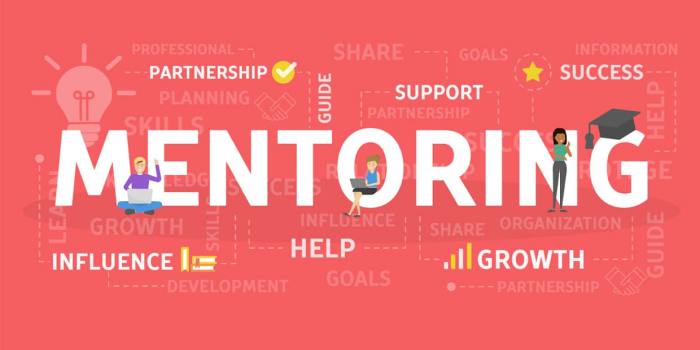
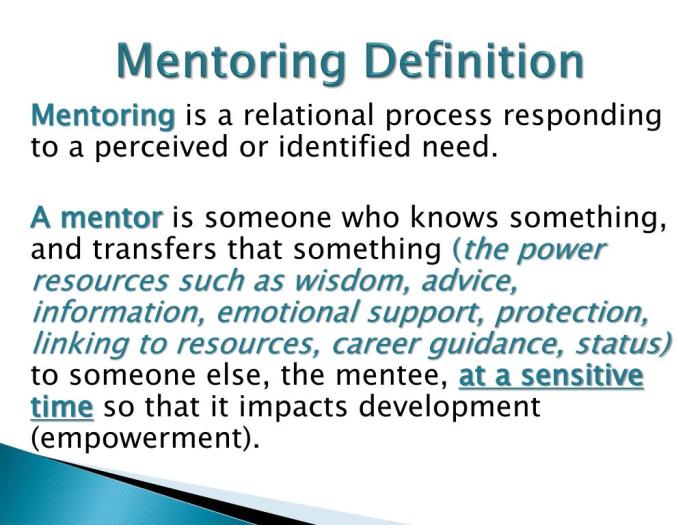
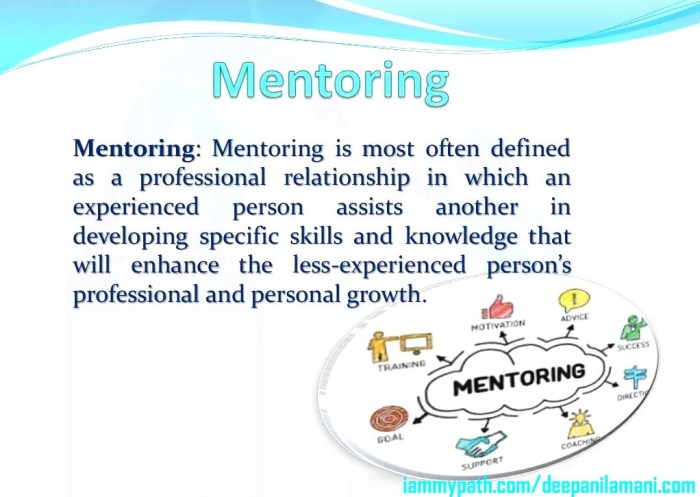
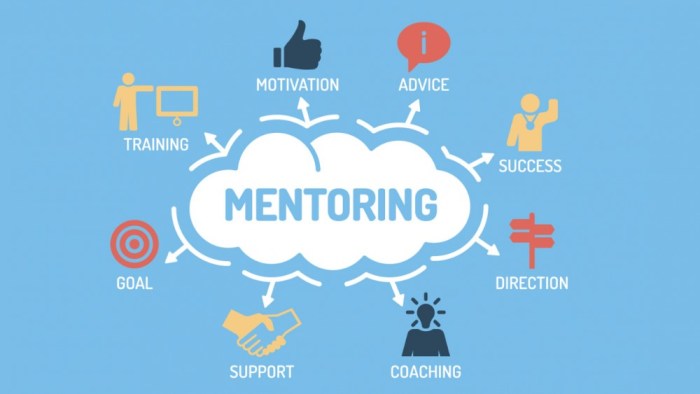
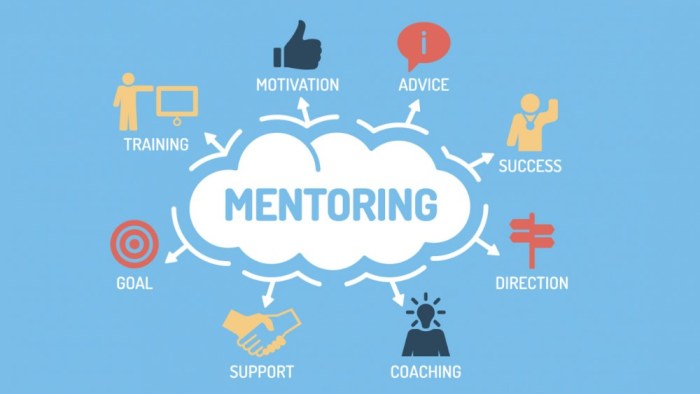
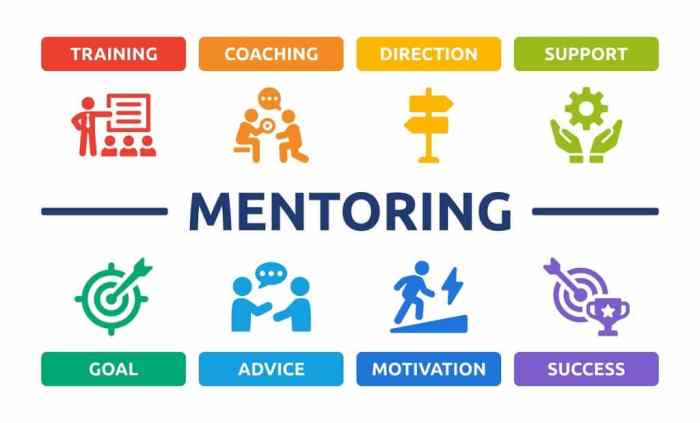
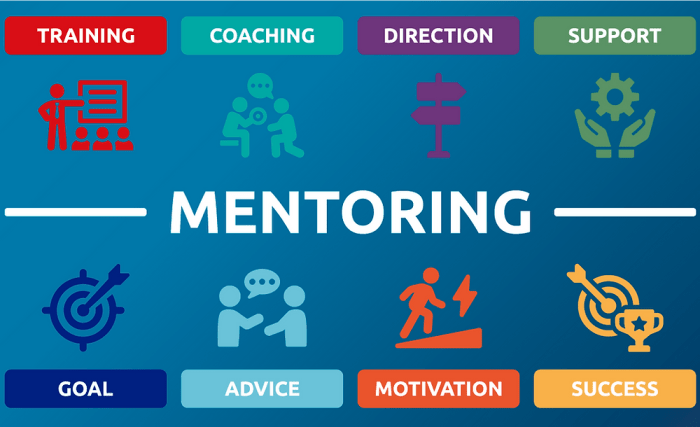
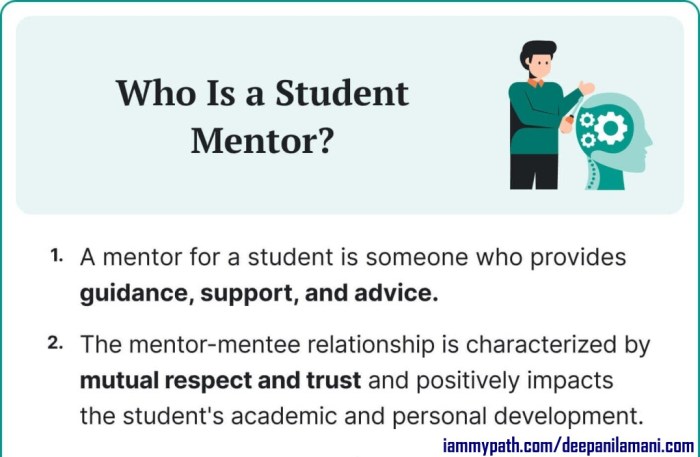
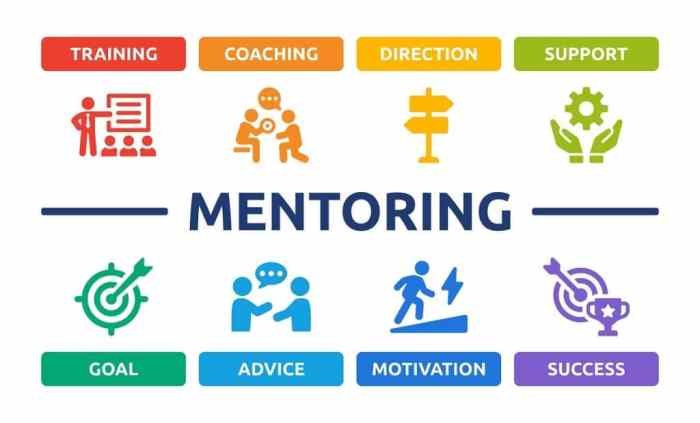
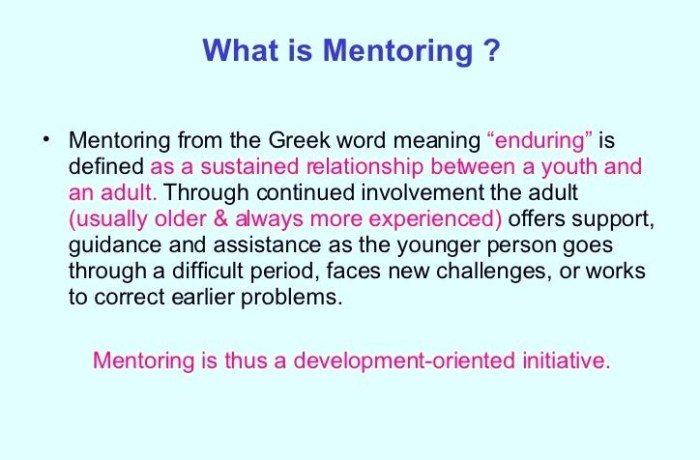
Mentoring is a developmental relationship where a more experienced individual (mentor) provides guidance, support, and knowledge to a less experienced individual (mentee) to foster their personal and professional growth.

Definition and Purpose

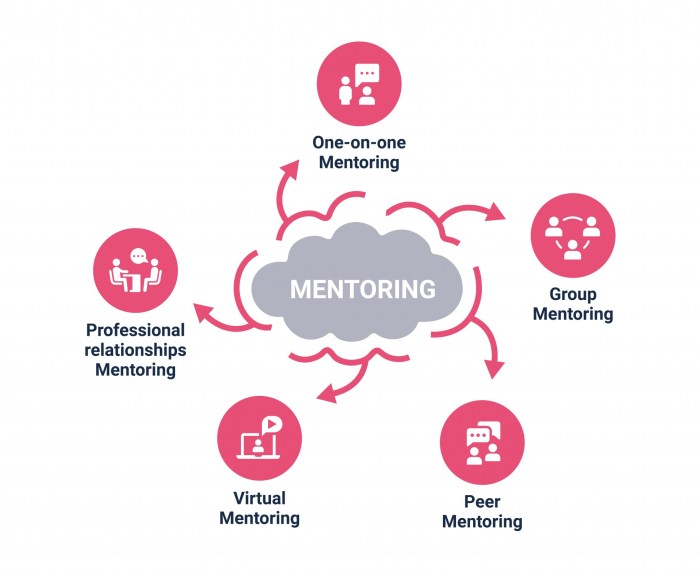
Types of Mentoring

Mentoring can take various forms, including: One-on-One Mentoring: The traditional model where one mentor works with one mentee.
Group Mentoring: One or several mentors work with a group of mentees, often used in educational settings.
Peer Mentoring: Individuals at similar levels support each other, sharing experiences and advice.
Distance or E-Mentoring: Mentoring relationships conducted online, allowing for flexibility and broader reach.

Reverse Mentoring: A junior employee mentors a senior professional, often to share new skills or perspectives. 

Benefits of Mentoring

Mentoring provides numerous benefits, including:
Professional Development: Helps mentees acquire new skills and knowledge relevant to their careers.
Networking Opportunities: Mentors can introduce mentees to valuable contacts within their industry.

Types of Mentoring

Mentoring can take various forms, including:

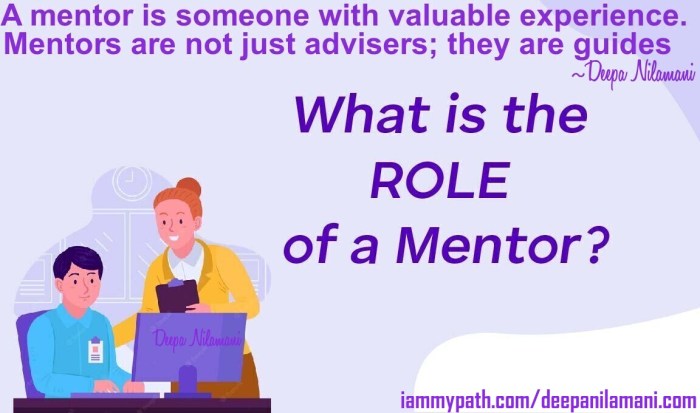
WHAT IS A MENTOR?

A mentor is someone with valuable experience and knowledge who offers guidance and support. In mentoring programs, mentors are not just advisers; they are guides that help promote professional growth and skill development within the company. They share insights and are able to open doors that might otherwise remain closed to a mentee. A mentor’s role is diverse, and often extends beyond simple advice-giving. They may perform various mentoring functions, sometimes acting as a coach, a connector, or even a challenger, to help their mentees reach their full potential. It’s not unusual for a mentee to have more than one mentor, as each can provide unique, invaluable perspectives and expertise

WHAT IS A MENTEE?

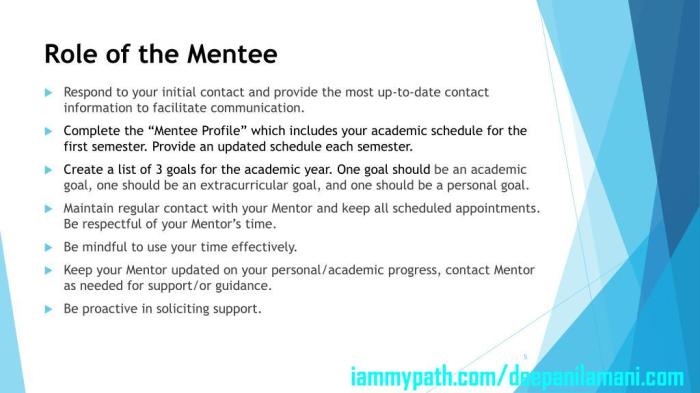
A mentee is someone who is eager to grow, learn, and develop professionally or personally, and who engages with a mentor for this purpose. They are not passive recipients of a mentor’s wisdom, but rather active participants in their own development journey. The mentee’s role is to be open, curious, and ready to transform the knowledge and advice they receive into meaningful progress in their career or personal life.

HOW DOES MENTORING DIFFER FROM COACHING?

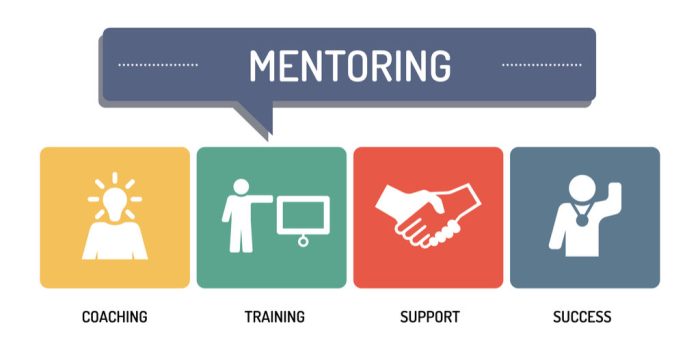
Coaching in a business environment is primarily focused on assisting people with their current performance to “get them fit” for either their current role or their next position. Mentoring, however, is a learning relationship, and is generally focused on long term career development. The primary purpose is to drive personal growth, building skills, knowledge, and understanding. Mentors may use coaching skills in their conversations, but typically the mentor role is wider than that of a coach and may include opening doors, making connections and sharing experiences

WHEN TO USE MENTORING

Many organizations have found that a strong mentor-mentee program means staff are more likely to interact with and retain the information they are being taught. choosing the right application for mentoring, it has been found to be particularly appropriate for increasing employee retention facilitating cultural shifts, and encouraging organizational diversity explores). It is often used to support talent programs, so that participants get the most they can from their involvement by using a mentor to help them embed learning. Mentoring can also be used to encourage ethical behaviour within an organization when compared against other possible Learning & Development program areas.

HOW TO FIND A MENTOR

Identifying the Right Mentor

Finding the right mentor is a key step in your professional journey. Start by identifying what you want to achieve in your career or personal development. This clarity helps in pinpointing the kind of mentor who can guide you effectively. Look for someone whose expertise aligns with your goals and who exhibits qualities that resonate with your values.

INITIATING THE RELATIONSHIP

Once you’ve identified a potential mentor, approach them with respect and clarity. Express your admiration for their work and explain why you believe they would be a great mentor. Be specific about what you’re hoping to learn and how you think they can help. Remember, mentoring is a two-way street. Be open to feedback and willing to invest time and effort into the relationship. It’s also important to respect their time and boundaries, as mentors often juggle their own responsibilities alongside mentoring.

SETTING EFFECTIVE MENTORING GOALS
Setting clear and achievable goals in your mentoring course not only guides the mentoring relationship, but also ensures that it aligns with the broader objectives of your organization. So, how do we define these goals? It begins with understanding what both the mentor and mentee aim to achieve. This could range from professional development to mastering specific skills.


In formal mentoring programs, goals are what keeps the relationship focused and meaningful. For example, if a mentee aims to improve leadership skills, the mentor’s role is to provide guidance and opportunities to develop these skills. It’s not just about one-on-one interactions, however; sometimes, group mentoring can be involved, which allows the mentee to learn from multiple mentors. This approach broadens the mentee’s learning horizon by offering diverse perspectives and experiences.
The beauty of mentoring lies in its flexibility. Whether it’s about career progression, skill enhancement, or personal growth, goals can be tailored to fit each unique mentoring relationship. By ensuring these goals resonate with your organisation’s vision, mentoring can become a powerful tool that fosters a culture of continuous learning and development.

HOW TO START A MENTORING PROGRAM

Want to find out if you’re ready to launch a mentoring program? Take a look at our Mentoring Program Readiness Self-Assessment tool to ensure you’re well-prepared. You can also take a look at our blog for more learning material. Alternatively, contact us. We will talk you through the whole process and help in developing a personalised mentoring program that meets the specific needs of your organisation.

Latest Update: Today is 15t th of September 2025: This is “The 306Post” and with the “Introductory Page this will be all in Total up to date, 307 posts.

Take Home Message
We all have the capacity to adapt and to achieve our personal expectations. we raise the bar in relation to our own potential and push ourselves to achieve Higher things. The therapeutic alliance has been shown to affect treatment outcomes across a range of conditions, therapeutic modalities, and contexts. In other words, a greater sense of social connectedness rooted in caring for others, connecting with the community, and finding a sense of purpose is linked to improved mental health and well-being. Lots of picture Quotes about lot of things you can do. Happy Reading

I hope what I have written and The Knowledge will be Useful and You have learnt new facts. And also You will be able to Enjoy going through The Picture Quotes as I have done quite bit of Making them more colourful and Attractive I am in Good Health and as, “I have been able to, “Receive Healing Energy into My Hands” since “Beginning of 2016” All my Hard work and Praying has been rewarded. Healing Energy can go to others too, and wherever it is needed to be received with a Clear Mind and Lot of Loving Kindness ❤

On Top Right Hand side you are able to see: The word “Menu” when you click on it, you will see the word “Home” All the posts from “The Very Beginning comes ~ Under “Home”. Which is The Introductory Page about: Who I am & Why I am Writing

The old Topics are, “On the Left-Hand side “Under the, “Recent Posts” with “The New Topics adding up. You can “Click and see all The older Topics” “Under “Archives” and “Under Categories”!

I am still “My Healthy self” and Writing “My Own Journey on Wellness and Healing”. So that Everyone can have “Faith, Hope and to Heal” To Lead a Better Life of Good Health, Happiness and Joy”. If you click on the Link You can Read This Post: The Therapists Voice Forward!

On Top Right Hand side you are able to see: The word “Menu” when you click on it, you will see the word “Home” All the posts from “The Very Beginning comes ~ Under “Home”. Which is The Introductory Page about: Who I am & Why I am Writing

The old Topics are, “On the Left-Hand side “Under the, “Recent Posts” with “The New Topics adding up. You can “Click and see all The older Topics” “Under “Archives” and “Under Categories”!

I am still “My Healthy self” and Writing “My Own Journey on Wellness and Healing”. So that Everyone can have “Faith, Hope and to Heal” To Lead a Better Life of Good Health, Happiness and Joy”. If you click on the Link You can Read This Post: The Therapists Voice Forward!

The Topics in Green, if you “Click” on them “Will take you to My other different posts which you will be able to find more information and even Pronunciation”. I have another website with “My own little Poems and Pictures of some of My Hobbies” if you are interested on seeing, “What else I am doing” during my spare time you can have a look at :https://deepanilamani.com/

It is all free”. You can share and pass it on also for others who can benefit from this post. I hope All those who Read will be able to make the maximum use of all what I post and write to make, “Your Lives More Healthy and able to Lead Better lives in Happiness and Peace”. I wish it to be so as,” Peace which is our Ultimate Goal in Life ❤

Sending Many Blessings of Love, Light and Healing Energies to You ❤

May Gods Blessings Be Upon You ❤

Deepa Nilamani ❤
Flag Counter