Hello To, All My Readers Follower and My Blogging Friends ❤
How are you all Hope all are keeping well and Positive Today I am writing about Creative is having the power to bring something new into being, as a creature, or to evolve something original from one’s own thought or imagination, as a work of art or invention: In the earliest societies, the predominant ideas about which was more important in reproduction may have determined the assigned to the universal creative force.
having the ability to create
characterized by originality of thought; having or showing imaginationa creative mind
designed to or tending to stimulate the imaginationcreative toys
characterized by sophisticated bending of the rules or conventionscreative accounting
Creative refers to the ability to imagine or invent something new, original, or innovative. It involves the use of imagination or original ideas to create something, or solving problems in new ways. Creative can also refer to any person, idea, or work that exhibits originality, expressiveness, or a high degree of skill in a certain field, particularly in artistic endeavors.
The English word “creativity” comes from the Latin term creare (meaning “to create”). It also comes from Latin, which means “to let things grow”. This aspect of creativity is emphasized more in and Eastern concepts of creativity. The word “create” appeared in English as early as the 14th century to indicate creation. The modern meaning of creativity in reference to creation did not emerge until after the Age of Enlightenment.
Meanwhile I am being Congratulated from WordPress 🙂
🎉 Congrats! I am My Path! is getting noticed. and 382 other websites have subscribed to your site 🙂
Take home message :We all have the capacity to adapt and to achieve our personal expectations. we raise the bar in relation to our own potential and conditions. In other words, a greater sense of social connectedness rooted in caring for others, connecting with the community, well-being. When we focus our Energy towards constructing a meaningful life, we are tossing a pebble into the world Creating a beautiful Ripple effect of Inspiration. When one person follows a Dream tries something new or take a daring leap Everyone feels that Energy. And before too long They are making their own leaps and Inspiring yet another circle!
Date 18th of March 2026: I am in Very Good Health. This is “The 350 Post” and with the “Introductory Page this will be all in Total up to date, 351articles https://iammypath.com/who-i-am-why-i-am-writing/
As always, it is all free”. You can share and pass it on also for others who can benefit from this post. I hope All those who Read will be able to make the maximum use of all these facts and make, “Your Lives More Healthy and able to Lead Better lives in Happiness and Peace”. I wish it to be so as,” Peace which is our Ultimate Goal ❤
The coloured Topics in Green, if you “Click” on them “Will take you to other different posts of Mine which you will be able to find more information and even Pronunciation”. I have another website with “My own little Poems and Pictures of some of My Hobbies” if you are interested on seeing, “What else I am doing” you can have a look at: https://deepanilamani.com/
Hello To, All My Dear Readers, My Followers and My Blogging Friends ❤
Hope you are keeping well as usual. Today I am writing and also asking your opinion and views about what I am writing 🙂
Ince recently I have been feeling I have been doing too much and going over the top. I really like to Give and share and do my Very Best I am having a feeling that not getting satisfaction of being appreciation. Its not been financially Bt not appreciated for all what I have done and doing.
Not only writing here and on Internet But in my day-to-day life also!
29th I had a Food Delivery and these two young boys delivered right in to my Kitchen. So that I didnt have to carry the heavy bags myself. Was and is a very great thing at a time I was feeling unappreciated. I Bless then very Much. My whole mood changed to the Better. How a little Kindness can do 🙂
What are your views. Not much to write! Any more comments?
Date 27 NOVEMBER r 2025: I am in Very Good Health. This is “The 339 Post” and with the “Introductory Page this will be all in Total up to date, 340 articles https://iammypath.com/who-i-am-why-i-am-writing/
What I am doing is, “Taken the Therapists Voices with me and have been Moving forward Telling “My Own Journey in Good Health and Healing” in Helping Others to have “Faith, Hope and to Heal” and Lead a Life of Good Health, Happiness and Joy, and it is in this post if you click on the Link: The Therapists
Take Home Message We all have the capacity to adapt and to achieve our personal expectations. we raise the bar in relation to our own potential and push ourselves to achieve Higher things. The therapeutic alliance has been shown to affect treatment outcomes across a range of conditions, therapeutic modalities, and contexts. In other words, a greater sense of social connectedness rooted in caring for others, connecting with the community, and finding a sense of purpose is linked to improved mental health and well-being. Lots of picture Quotes about lot of things you can do. Happy Reading 🙂
The coloured Topics in Green, if you “Click” on them “Will take you to other different posts of Mine which you will be able to find more information and even Pronunciation”. I have another website with “My own little Poems and Pictures of some of My Hobbies” if you are interested on seeing, “What else I am doing” you can have a look at: https://deepanilamani.com/ As always, it is all free”. You can share and pass it on also for others who can benefit from this post. I hope All those who Read will be able to make the maximum use of all these facts and make, “Your Lives More Healthy and able to Lead Better lives in Happiness and Peace”. I wish it to be so as,” Peace which is our Ultimate Goal
As always, it is all free”. You can share and pass it on also for others who can benefit from this post. I hope All those who Read will be able to make the maximum use of all these facts and make, “Your Lives More Healthy and able to Lead Better lives in Happiness and Peace”. I wish it to be so as,” Peace which is our Ultimate Goal ❤
Hello To, All My Dear Readers, My Followers and My Blogging Friends ❤
Hope all of you are in Good Health and getting on in your lives well. Year 2024 has zoomed past and almost coming on to 2026. Today I want to write about a topic most of you have not even heard its about Japanese Paper craft 🙂
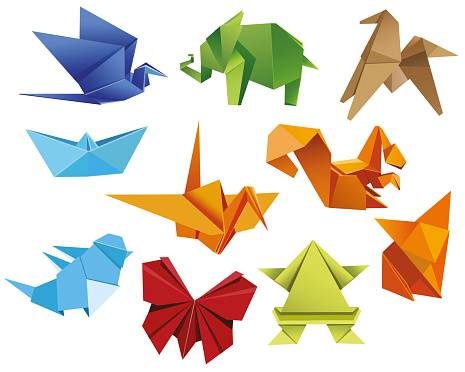
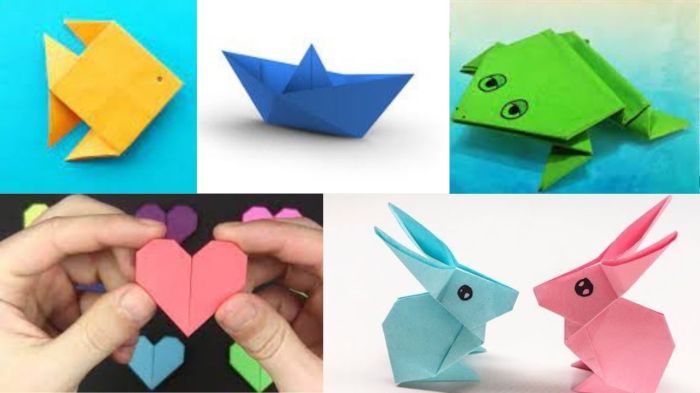
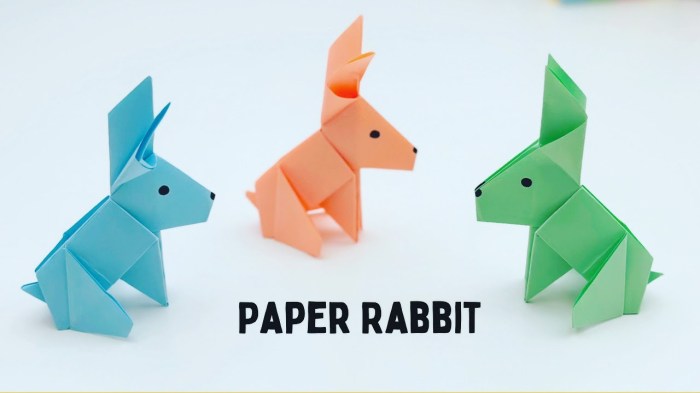
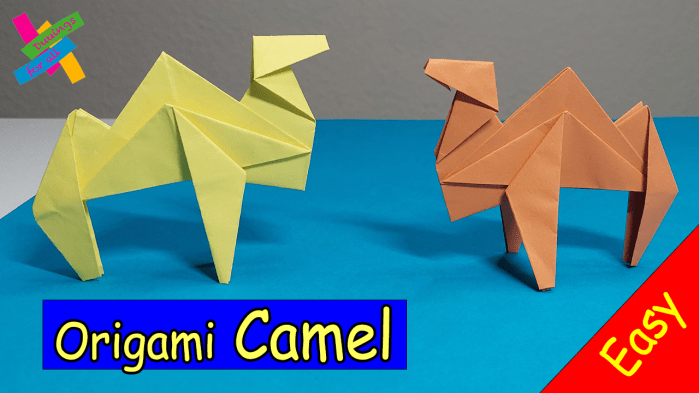
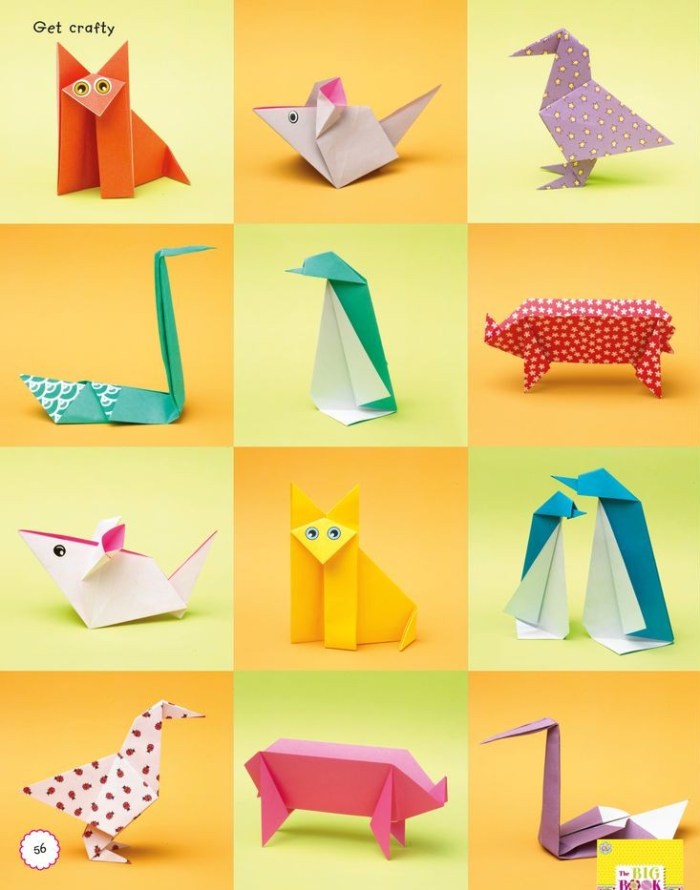
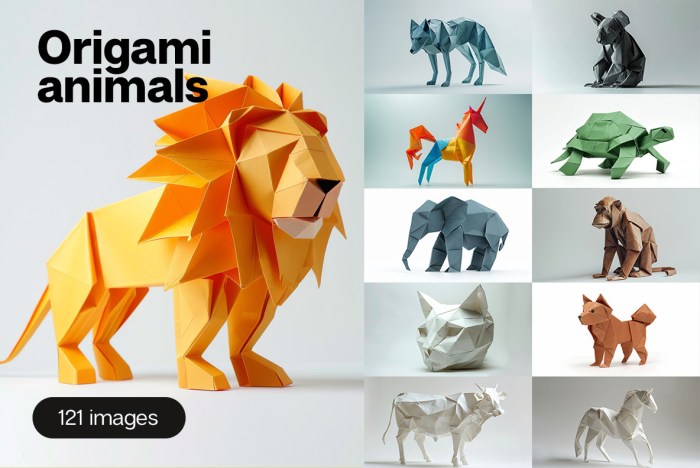
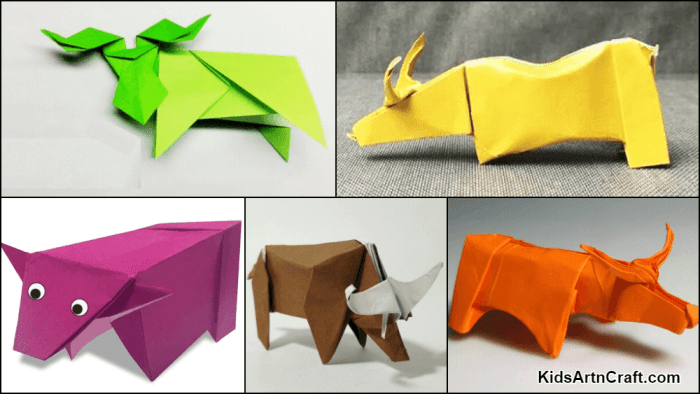
Origami (折り紙) is the Japanese art of paper folding. In modern usage, the word origami is often used as an inclusive term for all folding practices, regardless of their culture of origin. The goal is to transform a flat square sheet of paper into a finished sculpture through folding and sculpting techniques. Modern origami practitioners generally discourage the use of cuts, glue, or markings on the paper. Origami folders often use the Japanese word kirigami to refer to designs which use cuts.
In the detailed Japanese classification, origami is divided into stylized ceremonial origami (儀礼折り紙, girei origami) and recreational origami (遊戯折り紙, yūgi origami), and only recreational origami is generally recognized as origami. In Japan, ceremonial origami is generally called “origata” (ja:折形) to distinguish it from recreational origami. The term “origata” is one of the old terms for origami.
The small number of basic origami folds can be combined in a variety of ways to make intricate designs. The best-known origami model is the Japanese paper crane. In general, these designs begin with a square sheet of paper whose sides may be of different colors, prints, or patterns. Traditional Japanese origami, which has been practiced since the Edo period (1603–1868), has often been less strict about these conventions, sometimes cutting the paper or using nonsquare shapes to start with. The principles of origami are also used in stents, packaging, and other engineering applications.
Etymology
The word “origami” is a compound of two smaller words: “ori” (root verb “oru”), meaning to fold, and “kami”, meaning paper. Until recently, not all forms of paper folding were grouped under the word origami. Before that, paper folding for play was known by a variety of names, including “orikata” or “origata” (折形), “orisue” (折据), “orimono” (折物), “tatamigami” (畳紙) and others.
Distinct paperfolding traditions arose in Europe, China, and Japan which have been well-documented by historians. These seem to have been mostly separate traditions, until the 20th century.
Ceremonial origami (origata)
By the 7th century, paper had been introduced to Japan from China via the Korean Peninsula, and the Japanese developed washi by improving the method of making paper in the Heian period. The papermaking technique developed in Japan around 805 to 809 was called nagashi-suki (流し漉き), a method of adding mucilage to the process of the conventional tame-suki (溜め漉き) technique to form a stronger layer of paper fibers With the development of Japanese papermaking technology and the widespread use of paper, folded paper began to be used for decorations and tools for religious ceremonies such as gohei, ōnusa (ja:大麻 (神道)) and shide at Shinto shrines. Religious decorations made of paper and the way gifts were wrapped in folded paper gradually became stylized and established as ceremonial origami.] During the Heian period, the Imperial court established a code of etiquette for wrapping money and goods used in ceremonies with folded paper, and a code of etiquette for wrapping gifts.
Almost any laminar (flat) material can be used for folding; the only requirement is that it should hold a crease. Origami paper, often referred to as “kami” (Japanese for paper), is sold in prepackaged squares of various sizes or more. It is commonly colored on one side and white on the other; however, dual coloured and patterned versions exist and can be used effectively for color-changed models. Origami paper weighs slightly less than copy paper, making it suitable for a wider range of models.
Normal copy paper can be used for simple folds, such as the crane and waterbomb. Heavier weight papers of or more can be wet-folded. This technique allows for a more rounded sculpting of the model, which becomes rigid and sturdy when it is dry.
Foil-backed paper, as its name implies, is a sheet of thin foil glued to a sheet of thin paper. Related to this is tissue foil, which is made by gluing a thin piece of tissue paper to kitchen aluminium foil. A second piece of tissue can be glued onto the reverse side to produce a tissue/foil/tissue sandwich. Foil-backed paper is available commercially, but not tissue foil; it must be handmade. Both types of foil materials are suitable for complex models.
Washi (和紙) is the traditional origami paper used in Japan. Washi is generally tougher than ordinary paper made from wood pulp, and is used in many traditional arts. Washi is commonly made using fibres from the bark of the gampi tree, the mitsumata shrub (Edgeworthia papyrifera), or the paper mulberry but can also be made using bamboo, hemp, rice, and wheat.
Artisan papers such as unryu, lokta, hanji gampi, kozo, saa, and abaca have long fibers and are often extremely strong. As these papers are floppy to start with, they are often backcoated or resized with methylcellulose or wheat paste before folding. Also, these papers are extremely thin and compressible, allowing for thin, narrowed limbs as in the case of insect models.
Date 22 Nd NOVEMBER r 2025: I am in Very Good Health. This is “The 338 Post” and with the “Introductory Page this will be all in Total up to date, 339 articles https://iammypath.com/who-i-am-why-i-am-writing/
What I am doing is, “Taken the Therapists Voices with me and have been Moving forward Telling “My Own Journey in Good Health and Healing” in Helping Others to have “Faith, Hope and to Heal” and Lead a Life of Good Health, Happiness and Joy, and it is in this post if you click on the Link: The Therapists Voice Forwar
🎉 Congrats! I am My Path! is getting noticed. Natural Wellness Boost and 382 others have subscribed to your site.
Take Home Message We all have the capacity to adapt and to achieve our personal expectations. we raise the bar in relation to our own potential and push ourselves to achieve Higher things. The therapeutic alliance has been shown to affect treatment outcomes across a range of conditions, therapeutic modalities, and contexts. In other words, a greater sense of social connectedness rooted in caring for others, connecting with the community, and finding a sense of purpose is linked to improved mental health and well-being. Lots of picture Quotes about lot of things you can do. Happy Reading
The coloured Topics in Green, if you “Click” on them “Will take you to other different posts of Mine which you will be able to find more information and even Pronunciation”. I have another website with “My own little Poems and Pictures of some of My Hobbies” if you are interested on seeing, “What else I am doing” you can have a look at: https://deepanilamani.com/ As always, it is all free”. You can share and pass it on also for others who can benefit from this post. I hope All those who Read will be able to make the maximum use of all these facts and make, “Your Lives More Healthy and able to Lead Better lives in Happiness and Peace”. I wish it to be so as,” Peace which is our Ultimate Goal
As always, it is all free”. You can share and pass it on also for others who can benefit from this post. I hope All those who Read will be able to make the maximum use of all these facts and make, “Your Lives More Healthy and able to Lead Better lives in Happiness and Peace”. I wish it to be so as,” Peace which is our Ultimate Goal
Hello to, All My Dear Readers, Followers and My Blogging Friends ❤
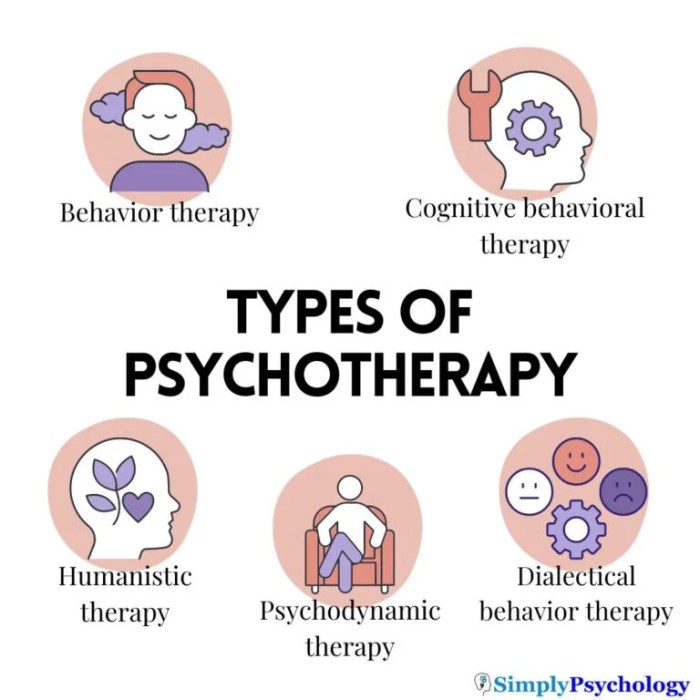
Hope All of You are keeping well and Happy. As usual I am keeping in Good Health and moving forward doing my usual, activities. I began Writing an article on Publishing as I am an Author and also a Publisher. That I decided to rewrite some of the old articles with added knowledge and the changes The world has gone through and I wrote about “Languages and that went on to quite a few posts on that and I came upon Speech Therapy Because of that I am going to first write what Therapy is about and now about CBT Therapy!
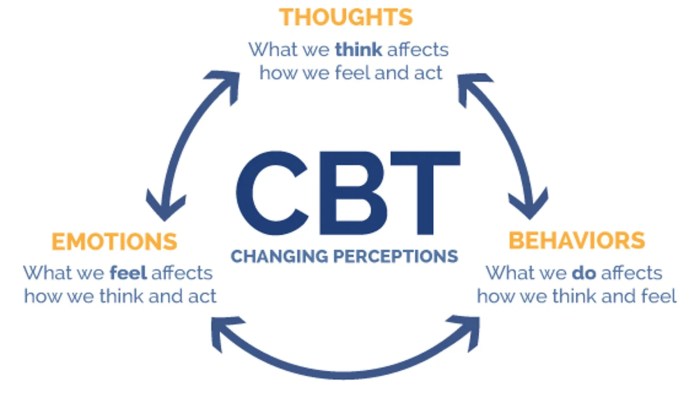
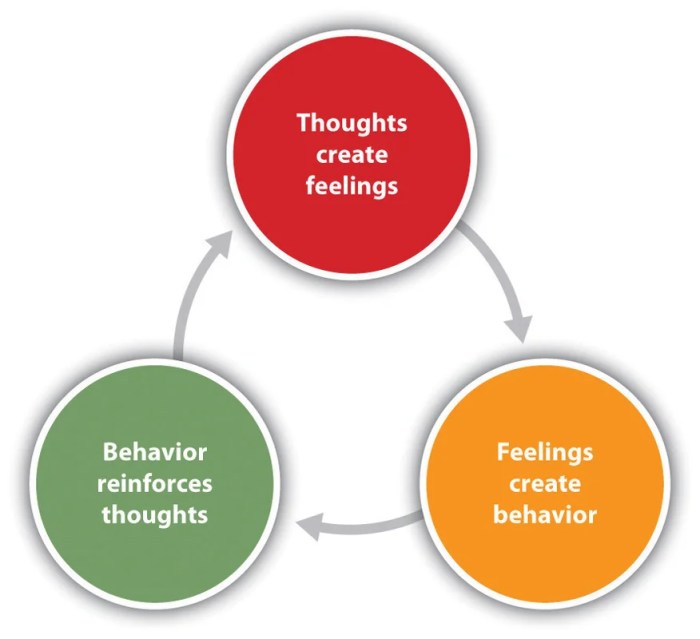
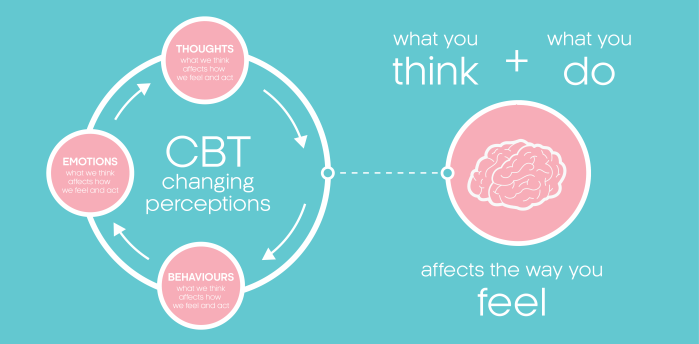
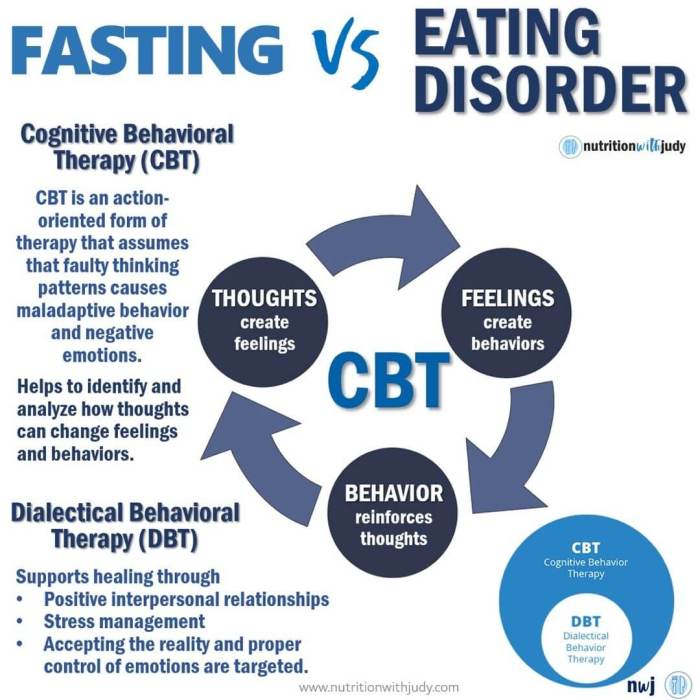
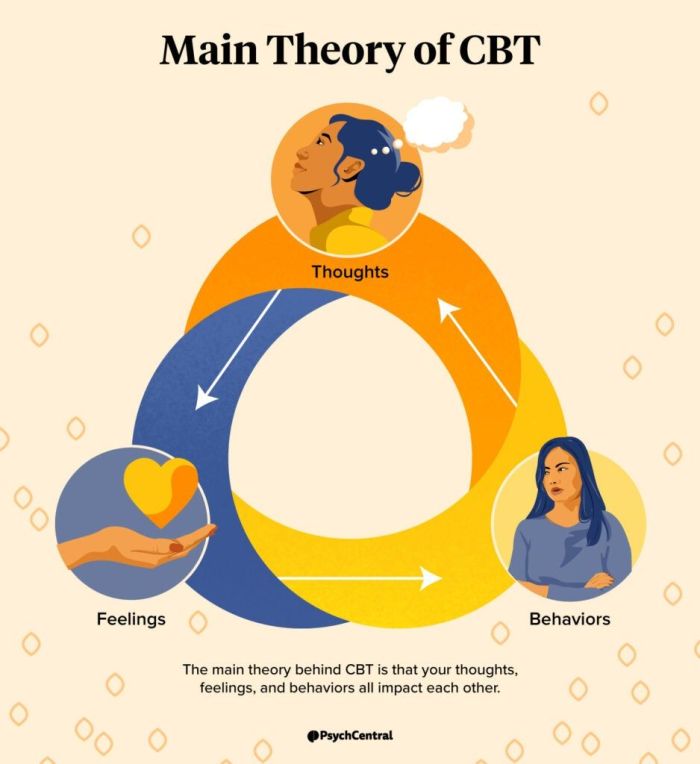
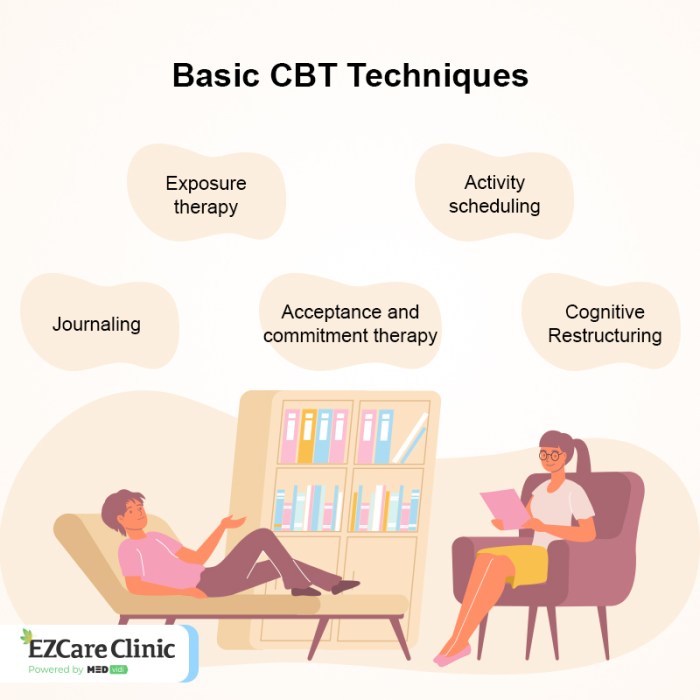
Cognitive behavioral therapy (CBT) is a short-term form of psychotherapy based on the idea that the way someone thinks and feels affects the way he or she behaves. CBT aims to help clients resolve present-day challenges like depression or anxiety, relationship problems, anger issues, stress, or other common concerns that negatively affect mental health and quality of life. The goal of treatment is to help clients identify, challenge, and change thought patterns in order to change their responses to difficult situations.
Originally called simply “cognitive therapy,” what is now CBT helping depressed patients recognize and challenge their automatic negative thoughts had a positive impact on their symptoms. Though it was originally designed to treat depression, since its inception CBT has been found to be effective for a wide range of mental health conditions and day-to-day psychological challenges, and is recommended as the first-line treatment for disorders including depression, anxiety, and insomnia.
When It’s Used
CBT is appropriate for children, adolescents, and adults and for individuals, families, and couples. A large body of research has found it to be either highly or moderately effective in the treatment of depression, generalized anxiety disorder, post-traumaticstress disorder, general stress, anger issues, panic disorders, agoraphobia, social phobia, eating disorders, and childhood anxiety and depressive disorders. CBT may also be effective as an intervention for chronic pain conditions and associated distress. CBT can be used alone or in conjunction with psychiatricmedication. Some studies have found that CBT and medication are equally effective in treating depression.
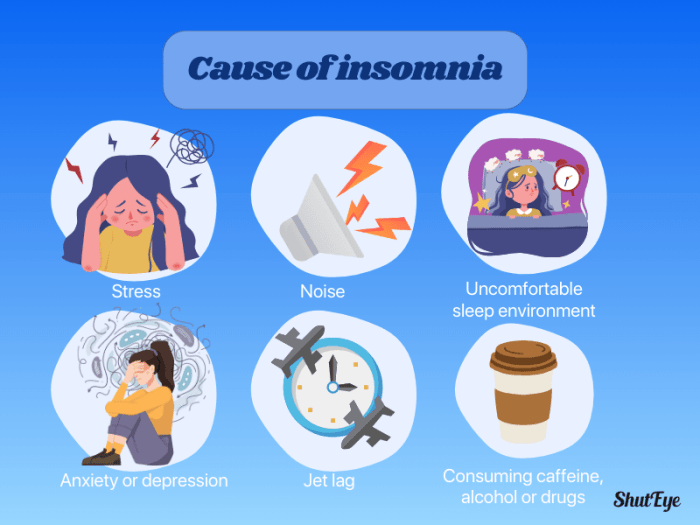
Specialized forms of CBT may also be used to treat specific conditions. For example, cognitive behavioral therapy for insomnia, or CBT-I, has been found to be a highly effective short-term treatment for chronic insomnia; it is now the recommended first-line treatment for individuals struggling with insomnia. Another example is enhanced cognitive behavioral therapy, or CBT-E, a form of CBT specifically designed to treat eating disorders. Brief cognitive behavioral therapy, or BCBT, is a shortened form of CBT used in situations where the client is not able to undergo a longer course of therapy.
What to Expect
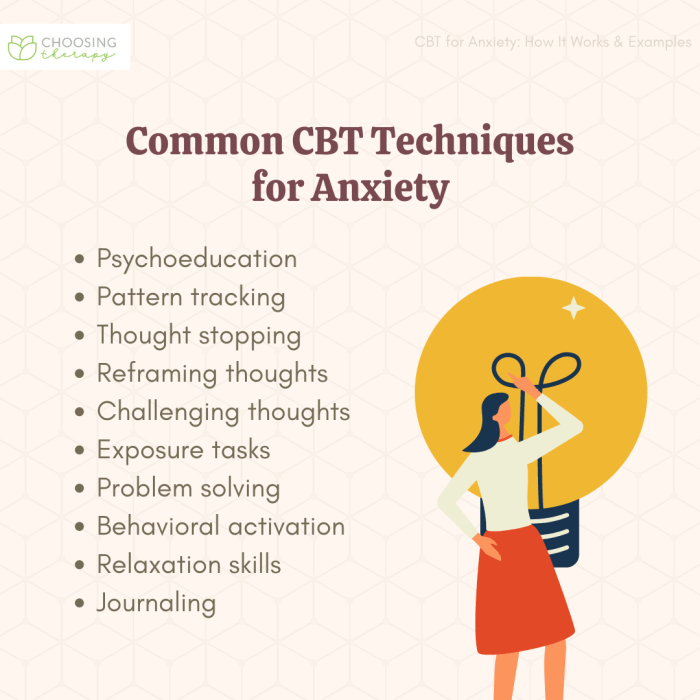
CBT is a structured form of psychotherapy that can occur in a relatively short period of time—often between 5 and 20 weekly sessions, generally around 45 to 50 minutes each. CBT usually starts with one or two sessions focused on assessment, during which the therapist will help the client identify the symptoms or behavior patterns that are causing them the most problems and set goals for treatment. In subsequent sessions, the client will identify the negative or maladaptive thoughts they have about their current problems and determine whether or not these thoughts are realistic. If these thoughts are deemed unrealistic, the client will learn skills that help them challenge and ultimately change their thinking patterns so they are more accurate with respect to a given situation. Once the client’s perspective is more realistic, the therapist can help them determine an appropriate course of action.
CBT usually concludes with a session or two of recapping, reassessing, and reinforcing what was learned. If necessary, someone may return to therapy for periodic maintenance sessions. Along the way, clients will most likely be given “homework” to do between sessions. That work will typically include exercises that will help them learn to apply the skills and solutions they came up with in therapy to real-world situations in their day-to-day life.
While cognitive behavioral therapy may sound simple it can be quite challenging in practice. Our patterns of thinking are often deeply entrenched and habitual—and as with any long-standing habit, it can be a process to replace one thought pattern with a new, healthier one. And while clients undergoing CBT will likely not spend a large amount of time exploring their childhood or past, they may still be asked to examine thoughts and behavior patterns that they may find not that pleasant. As in all types of therapy, it is important to work with a therapist with whom one can be open and honest 🙂
How It Works
CBT integrates behavioral theories and cognitive theories to conclude that the way people perceive a situation determines their reaction more than the actual reality of the situation does. When a person is distressed or discouraged, his or her view of an experience may not be realistic. Changing the way clients think and see the world can change their responses to circumstances.
CBT often targets cognitive distortions, or irrational patterns of thought that can negatively affect behavior. Common cognitive distortions include all-or-nothing thinking (seeing everything in black-and-white terms and ignoring nuance), catastrophizing (always assuming the worst will happen), and personalization (believing that the individual is responsible for everything that happens around them, whether good or bad).
For example, someone who is prone to catastrophizing may assume that a friend who doesn’t text them back right away is angry at them, potentially leading them to withdraw socially, lash out at the friend, ruminate, or otherwise behave in a non-productive way. Using CBT, they may learn to recognize their tendency to jump to the worst possible conclusion—and the next time their friend does not return their text, they can remind themselves that the friend has always returned texts in the past and may simply be busy. Such reframing can help someone refrain from engaging in counterproductive behavior.
CBT is rooted in the present, so the therapist will initially ask clients to identify life situations, thoughts, and feelings that cause acute or chronic distress. The therapist will then explore whether or not these thoughts and feelings are productive or even valid. The goal of CBT is to get clients actively involved in their own treatment plan so that they understand that the way to improve their lives is to adjust their thinking and their approach to everyday situations.
What to Look for in a Cognitive Behavioral Therapist
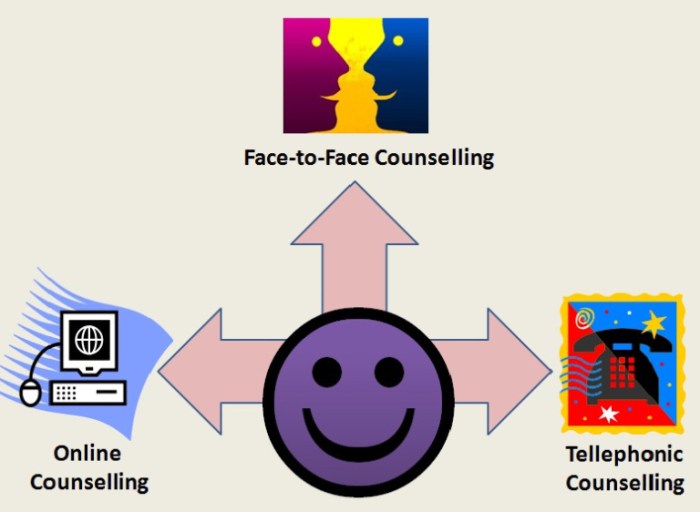
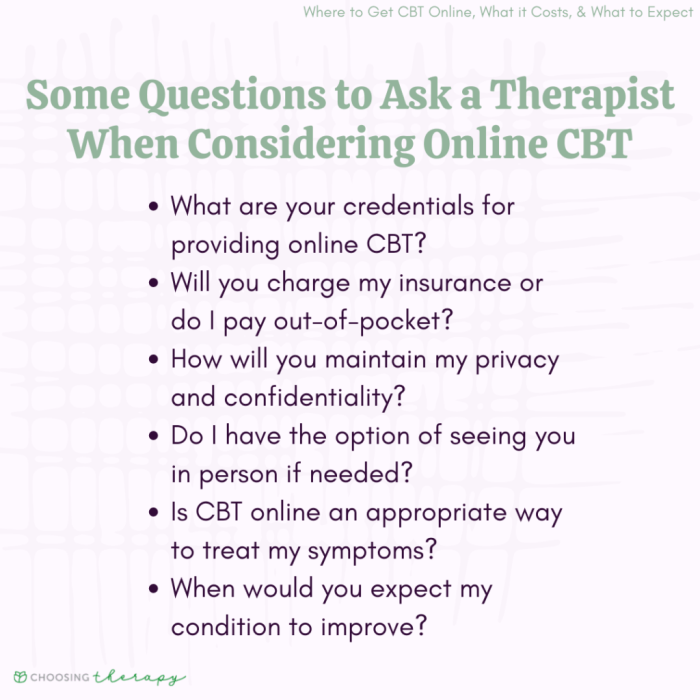
CBT is among the most widely-utilized therapeutic approaches, so many people are able to locate a therapist in their area who practices it, but CBT has also been found to be effective when delivered online. There is no particular certification or license required to practice CBT, but clients are advised to look for a credentialed mental health professional with specialized training and experience in cognitive behavioral therapy. In addition to confirming these credentials, it is important to find a therapist with whom one feels comfortable, as CBT is a collaborative process and a strong therapeutic alliance is critical to its success.
How to Ask for Help
While being resourceful is an important part of resilience, it is also essential to know when to ask for help. During a crisis, everyone can benefit from the help of psychologists and counselors specially trained to deal with crisis situations. Other potential sources of assistance include:
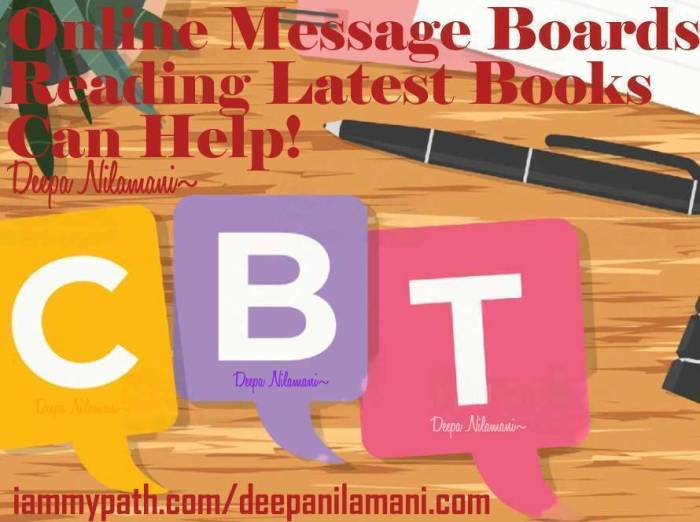
Books: Reading about people who have experienced and overcome a similar problem can be motivating and suggest ideas on how to cope.
Online message boards: Online communities can provide continual support and a place to talk about issues with people who have been in a similar situation.
Meanwhile from WordPress: You’ve posted 3 days in a row on I am My Path!! Keep up the good work 🙂
Latest Update: Today is the 11th of October 2025: This is “The 325 Post” and with the “Introductory Page this will be all in Total up to date, 326 posts :).
Take Home Message We all have the capacity to adapt and to achieve our personal expectations. we raise the bar in relation to our own potential and push ourselves to achieve Higher things. The therapeutic alliance has been shown to affect treatment outcomes across a range of conditions, therapeutic modalities, and contexts. In other words, a greater sense of social connectedness rooted in caring for others, connecting with the community, and finding a sense of purpose is linked to improved mental health and well-being. Lots of picture Quotes about lot of things you can do. Happy Reading 🙂
The coloured Topics in Green, if you “Click” on them “Will take you to other different posts of Mine which you will be able to find more information and even Pronunciation”. I have another website with “My own little Poems and Pictures of some of My Hobbies” if you are interested on seeing, “What else I am doing” you can have a look at: https://deepanilamani.com/
As always, it is all free”. You can share and pass it on also for others who can benefit from this post. I hope All those who Read will be able to make the maximum use of all these facts and make, “Your Lives More Healthy and able to Lead Better lives in Happiness and Peace”. I wish it to be so as,” Peace which is our Ultimate Goal ❤

 I am My Path!
You must be logged in to post a comment.