Hello To, All My Readers Follower and My Blogging Friends ❤
How are you all Hope all are keeping well and Positive Today I am writing about Creative is having the power to bring something new into being, as a creature, or to evolve something original from one’s own thought or imagination, as a work of art or invention: In the earliest societies, the predominant ideas about which was more important in reproduction may have determined the assigned to the universal creative force.
having the ability to create
characterized by originality of thought; having or showing imaginationa creative mind
designed to or tending to stimulate the imaginationcreative toys
characterized by sophisticated bending of the rules or conventionscreative accounting
Creative refers to the ability to imagine or invent something new, original, or innovative. It involves the use of imagination or original ideas to create something, or solving problems in new ways. Creative can also refer to any person, idea, or work that exhibits originality, expressiveness, or a high degree of skill in a certain field, particularly in artistic endeavors.
The English word “creativity” comes from the Latin term creare (meaning “to create”). It also comes from Latin, which means “to let things grow”. This aspect of creativity is emphasized more in and Eastern concepts of creativity. The word “create” appeared in English as early as the 14th century to indicate creation. The modern meaning of creativity in reference to creation did not emerge until after the Age of Enlightenment.
Meanwhile I am being Congratulated from WordPress 🙂
🎉 Congrats! I am My Path! is getting noticed. and 382 other websites have subscribed to your site 🙂
Take home message :We all have the capacity to adapt and to achieve our personal expectations. we raise the bar in relation to our own potential and conditions. In other words, a greater sense of social connectedness rooted in caring for others, connecting with the community, well-being. When we focus our Energy towards constructing a meaningful life, we are tossing a pebble into the world Creating a beautiful Ripple effect of Inspiration. When one person follows a Dream tries something new or take a daring leap Everyone feels that Energy. And before too long They are making their own leaps and Inspiring yet another circle!
Date 18th of March 2026: I am in Very Good Health. This is “The 350 Post” and with the “Introductory Page this will be all in Total up to date, 351articles https://iammypath.com/who-i-am-why-i-am-writing/
As always, it is all free”. You can share and pass it on also for others who can benefit from this post. I hope All those who Read will be able to make the maximum use of all these facts and make, “Your Lives More Healthy and able to Lead Better lives in Happiness and Peace”. I wish it to be so as,” Peace which is our Ultimate Goal ❤
The coloured Topics in Green, if you “Click” on them “Will take you to other different posts of Mine which you will be able to find more information and even Pronunciation”. I have another website with “My own little Poems and Pictures of some of My Hobbies” if you are interested on seeing, “What else I am doing” you can have a look at: https://deepanilamani.com/
Hello to, All My Dear Readers, Followers and My Blogging Friends ❤
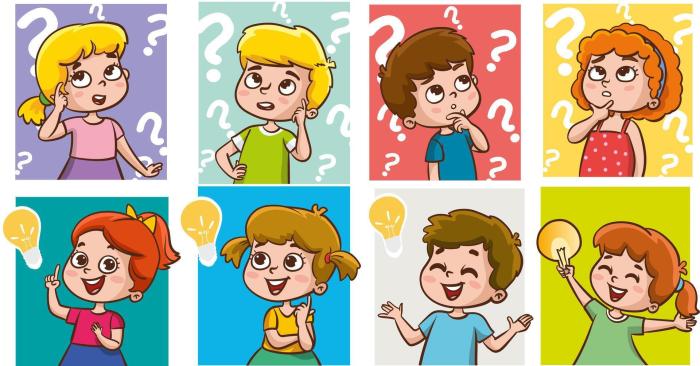
Hope All of You are keeping well and Happy. As usual I am keeping in Good Health and moving forward doing my usual, activities. I decided to rewrite some of the old articles with added knowledge and the changes The world has gone through. This is a Topic I have not written before and I like to write new posts so this is about Thinking 🙂
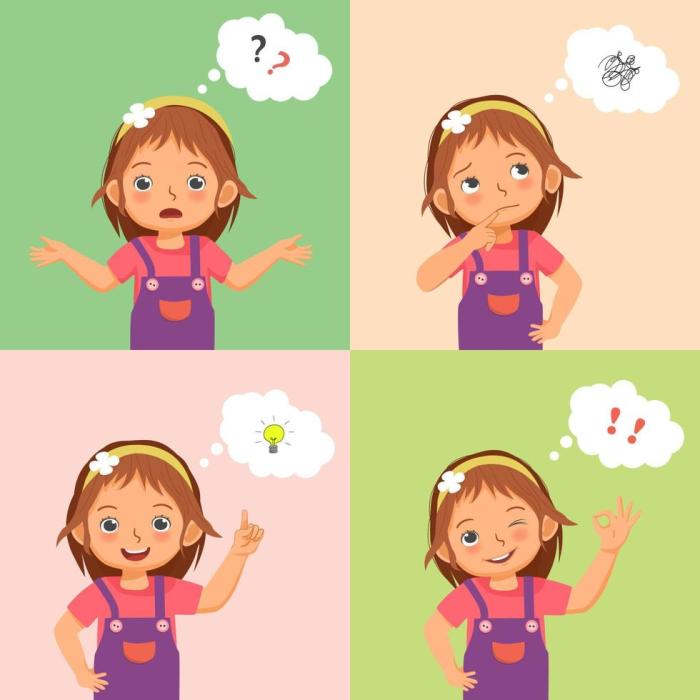
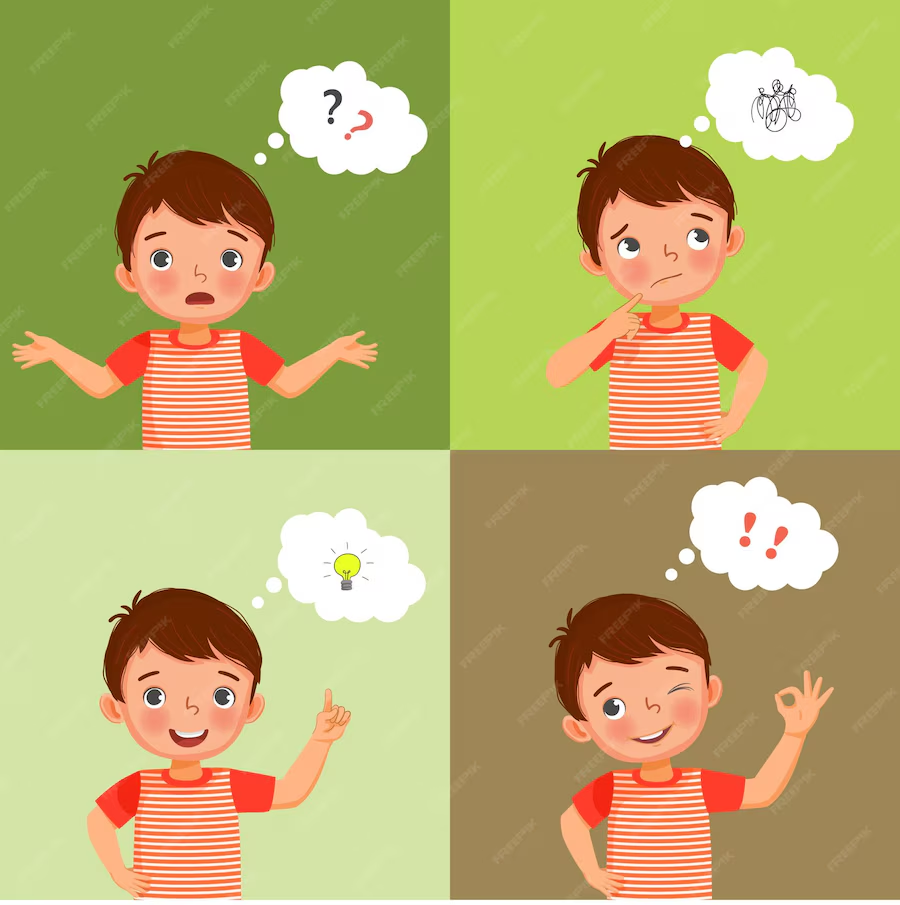
Just thinking in my words is also something like “Dy Dreaming “Thinking from the Mind can be on some topic or what to do next planning how to go about. Without speaking and staying quietly.
Thought, covert symbolic responses to stimuli that are (arising from within) or arising from the environment Thought, or thinking, is considered to mediate between inner activity and external stimuli.
In everyday language, the word thinking covers several distinct psychological activities. It is sometimes for “tending to believe,” especially with less than full confidence (“I think that it will rain, but I am not sure”). At other times it denotes the degree of attentiveness (“I did it without thinking”) or whatever is in consciousness, especially if it refers to something outside the immediate environment (“It made me think of my grandmother”). Psychologists have concentrated on thinking aimed at finding an answer to a question or the solution of a practical problem.
The process of thought
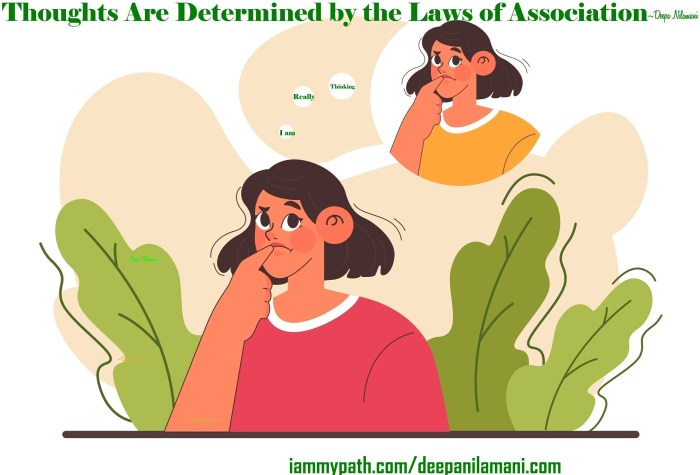
According to the classical view, the succession of ideas or images in a train of thought is determined by the laws of association. Although additional associative laws were proposed from time to time, two invariably were recognized. The law states that the sensation or idea of a particular object tends to evoke the idea of something that has often been encountered together with it. The law of association by similarity states that the sensation or idea of a particular object tends to evoke the idea of something that is similar to it.
As discussed above, creative) thinking is an activity that leads to new information, or previously undiscovered solutions. Some problems demand flexibility, originality, fluency, and inventiveness, especially those for which the individual must supply a unique solution. creativity. Creative thinking is a matter of using intrinsic resources to produce tangible results. This process is markedly influenced by early experience and training. Thus, school and work situations that encourage individual expression and that tolerate thinking seem to foster the development of creativity.
Computer science has been very important in cognitive science for two reasons. First, the notion of computation has been invaluable for developing ideas about how thinking might be a natural process. Previously, scientific theories of the mind relied on clumsy and unproductive analogies with mechanical devices such as clocks and electronic switchboards. The advent of computer programs made it possible to see how a mechanical device could solve complex problems by manipulating symbols, or representations, according to procedures (computations), for how minds might work in similar ways. Standard programming languages, instructions, which suggest a model of how people make plans. Second, computers themselves have been useful for testing scientific organization and functioning. The program is then run on a computer, and if the computer’s output is similar in appropriate ways to real performance,
Positive thinking
Positive thinking is an important topic in positive psychology. It involves focusing one’s attention on the positive aspects of one’s situation and thereby withdrawing one’s attention from its negative sides.[mThis is usually seen as a global outlook that applies especially to thinking but includes othe processes, like feeling, as well. In this sense, it is closely related to positive things to happen in the future. This positive outlook makes it more likely for people to seek to attain new goals. It also increases the probability of continuing to strive towards pre-existing goals that seem difficult to reach instead of just giving up.
The effects of positive thinking are not yet thoroughly researched, but some studies suggest that there is a correlation between positive thinking and well-being. For example, students with a positive outlook tend to be better at dealing with stressful situations. This is sometimes explained by pointing out that stress is not inherent in stressful situations but depends on the agent’s interpretation of the situation. Reduced stress may therefore be found in positive thinkers because they tend to see such situations in a more positive light. that positive thinkers tend to employ healthier coping strategies when faced with difficult situations.
But it has been argued that whether positive thinking actually leads to positive outcomes depends on various other factors. Without these factors, it may lead to negative results. to make a positive practical contribution, Positive thinking is a topic in the self-help literature. Here, often the claim is made that one can significantly improve one’s life by trying to think positively, New Thought movement, positive thinking figures in the law of attraction, that positive thoughts can directly influence the external world by attracting positive outcomes.
Psychologists have concentrated on thinking as an intellectual exertion aimed at finding an answer to a question or the solution of a practical problem. Cognitive psychology is a branch of psychology that investigates internal mental processes such as problem solving, memory, and language; all of which are used in thinking. The school of thought arising from this approach is known as cognitivism, which is interested in how people mentally represent information processing.
Thought experiments
Thought experiments involve thinking about imaginary situations, often with the aim of investigating the possible consequences of a change to the actual sequence of events. It is a controversial issue to what extent thought experiments should be understood as actual experiments. They are experiments in the sense that a certain situation is set up and one tries to learn from this situation by understanding what follows from it. They differ from regular experiments in that imagination is used to set up the situation and what follows from it, instead of setting it up physically and observing thinking, therefore, plays a central role in thought experiments. how to reply to any possible message, similar to how a computer would react to messages.
Thought experiments are employed for various purposes, for example, for entertainment, education This use is found in fields like philosophy, the natural sciences, and history. It is controversial since there is a lot of disagreement concerning the epistemic status of thought experiments, of this usage is the fact that they pretend to be a source of knowledge without the need to leave one’s armchair in search of any new data.
Laws of thought
Traditionally, the term “laws of thought” how the laws of thought are to be understood.
You’re on a 5-day streak on I am My Path!! From WordPress You’ve posted 5 days in a row on I am My Path!! Keep up the good work.
Latest Update: Today is the 15 th of October 2025: This is “The 329Post” and with the “Introductory Page this will be all in Total up to date, 330 posts :).
Take Home Message We all have the capacity to adapt and to achieve our personal expectations. we raise the bar in relation to our own potential and push ourselves to achieve Higher things. The therapeutic alliance has been shown to affect treatment outcomes across a range of conditions, therapeutic modalities, and contexts. In other words, a greater sense of social connectedness rooted in caring for others, connecting with the community, and finding a sense of purpose is linked to improved mental health and well-being. Lots of picture Quotes about lot of things you can do. Happy Reading 🙂
The coloured Topics in Green, if you “Click” on them “Will take you to other different posts of Mine which you will be able to find more information and even Pronunciation”. I have another website with “My own little Poems and Pictures of some of My Hobbies” if you are interested on seeing, “What else I am doing” you can have a look at: https://deepanilamani.com/
As always, it is all free”. You can share and pass it on also for others who can benefit from this post. I hope All those who Read will be able to make the maximum use of all these facts and make, “Your Lives More Healthy and able to Lead Better lives in Happiness and Peace”. I wish it to be so as,” Peace which is our Ultimate Goal ❤
Hello to, All My Dear Readers, Followers and My Blogging Friends ❤
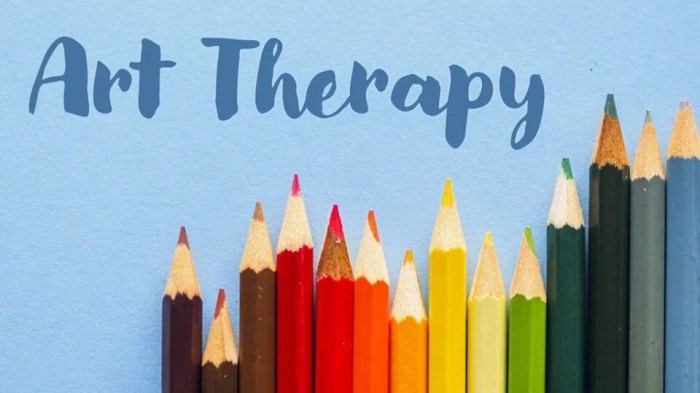
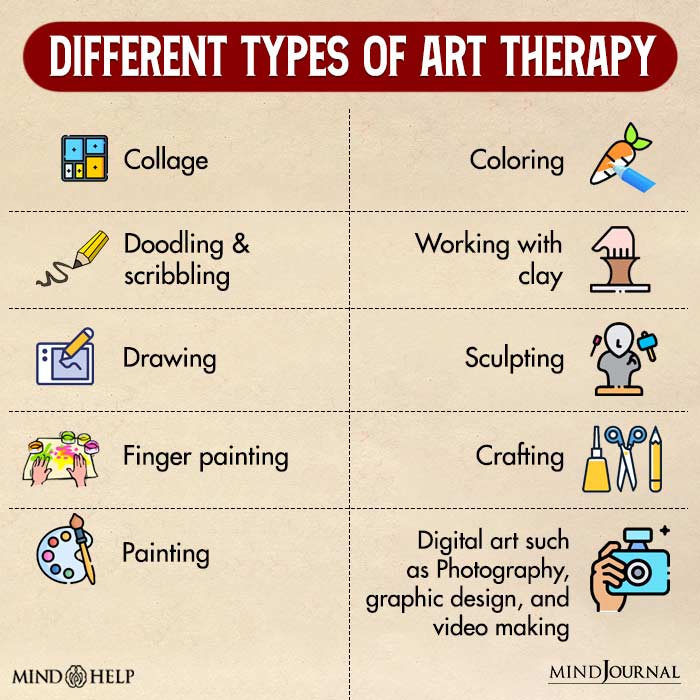
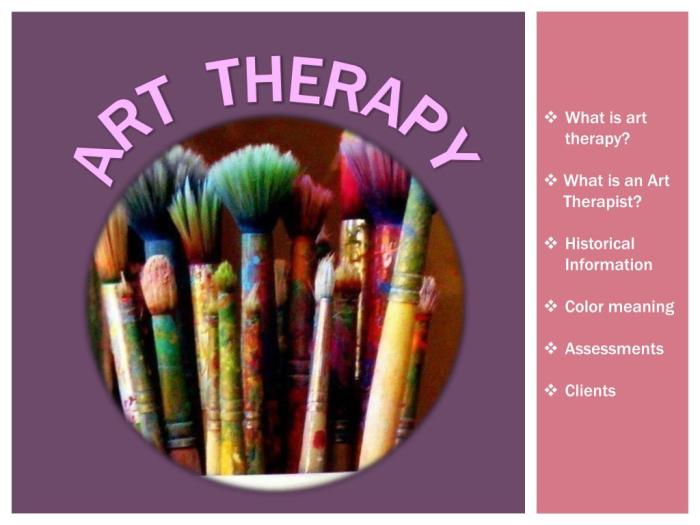
Hope All of You are keeping well and Happy. As usual I am keeping in Good Health and moving forward doing my usual, activities. I began Writing an article on Publishing as I am an Author and also a Publisher. That I decided to rewrite some of the old articles with added knowledge and the changes The world has gone through and I wrote about “Languages and that went on to quite a few posts on that and I came upon Speech Therapy Because of that I wrote about CBT Therapy. And now on lighter subjects after Music Therapy It is Art Therapy 🙂
When It’s Used
Art therapists work with individuals, couples, and groups in a variety of settings, including private counseling, wellness centers, correctional institutions, senior centers, and other community settings. No artistic talent is necessary for art therapy to succeed, because the therapeutic process is not about the artistic value of the work, but rather about finding associations between the creative choices made and a client’s inner life. The artwork can be used as a springboard for reawakening memories and telling stories that may reveal messages.
While art therapy is helpful for many people, the research is mixed; some studies have demonstrated its efficacy while others have found little benefit.
How It Works
Art therapy is founded on the belief that self-expression through artistic creation has therapeutic value for those who are healing or seeking a deeper understanding of themselves and their behaviors. According to the American Art Therapy Association, art therapists are trained to understand the roles that color, texture, and various art media can play in the therapeutic process and how these tools can help reveal one’s thoughts, feelings, and psychological disposition. Art therapy integrates psychotherapy and some form of visual arts as a specific, stand-alone form of therapy, but it is also used in combination with other types of therapy.
Perception and self-perception: Art helped the participants focus on the present moment, identify their emotional responses, and connect their emotions and body awareness.
Personal integration: They strengthened their identity and self-image.
Emotion and impulse regulation: They improved the ability to regulate and control emotions.
Behavior change: They learned to change their behavioral responses to themselves and others, perhaps through the self-directed nature of art-making.
Insight and comprehension: They verbalized their emotions and experiences
What to Expect
As with any form of therapy, your first session will consist of talking to the therapist about why you want to find help and learning what the therapist has to offer. Together, you will come up with a treatment plan that involves creating some form of artwork.
Once you begin creating, the therapist may, at times, simply observe your process as you work, without interference or judgment. When you have finished a piece of artwork—and sometimes while you are still working on it—the therapist will ask you questions along the lines of how you feel about the artistic process, what was easy or difficult about creating your artwork, and what thoughts or memories you may have had while you were working. Generally, the therapist will ask about your experience and feelings before providing any observations.
An art therapist has the minimum of a master’s degree, generally from an integrated program in psychotherapy and visual arts at an educational institution accredited by the Council for Higher Education Accreditation (CHEA). The initials ATR after a therapist’s name means he or she is registered with the Art Therapy Credentials Board (ATCB). The initials ATR-BC means the therapist is not only registered but has passed an examination to become board-certified by the ATCB.
It’s also important to find a therapist with whom you feel comfortable. You may want to ask the therapist a few questions before committing to work with them. Questions may include:
How would they help with your particular concerns?
Have they dealt with this type of problem before?
What is their process?
What is their timeline for treatment?
Meanwhile from WordPress Your blog, I am My Path!, appears to be getting more traffic than usual! hourly views A spike in your stats Double Congratulations 🙂
Latest Update: Today is the 11th of October 2025: This is “The 327 Post” and with the “Introductory Page this will be all in Total up to date, 328 posts :).
Take Home Message We all have the capacity to adapt and to achieve our personal expectations. we raise the bar in relation to our own potential and push ourselves to achieve Higher things. The therapeutic alliance has been shown to affect treatment outcomes across a range of conditions, therapeutic modalities, and contexts. In other words, a greater sense of social connectedness rooted in caring for others, connecting with the community, and finding a sense of purpose is linked to improved mental health and well-being. Lots of picture Quotes about lot of things you can do. Happy Reading 🙂
The coloured Topics in Green, if you “Click” on them “Will take you to other different posts of Mine which you will be able to find more information and even Pronunciation”. I have another website with “My own little Poems and Pictures of some of My Hobbies” if you are interested on seeing, “What else I am doing” you can have a look at: https://deepanilamani.com/
As always, it is all free”. You can share and pass it on also for others who can benefit from this post. I hope All those who Read will be able to make the maximum use of all these facts and make, “Your Lives More Healthy and able to Lead Better lives in Happiness and Peace”. I wish it to be so as,” Peace which is our Ultimate Goal ❤
Hello to, All My Dear Readers, Followers and My Blogging Friends ❤
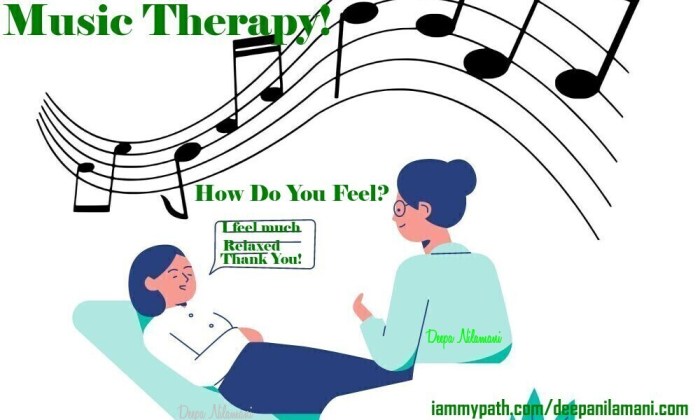
Hope All of You are keeping well and Happy. As usual I am keeping in Good Health and moving forward doing my usual, activities. I began Writing an article on Publishing as I am an Author and also a Publisher. That I decided to rewrite some of the old articles with added knowledge and the changes The world has gone through and I wrote about “Languages and that went on to quite a few posts on that and I came upon Speech Therapy Because of that I wrote about CBT Therapy. And now a lighter subject “”Music Therapy!
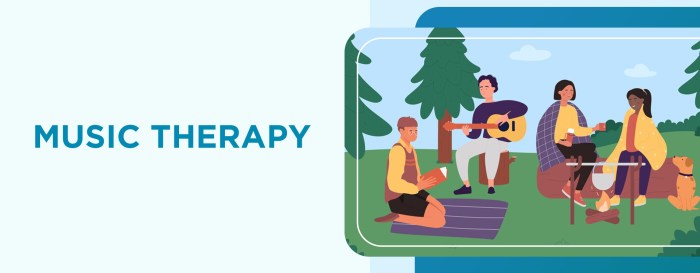
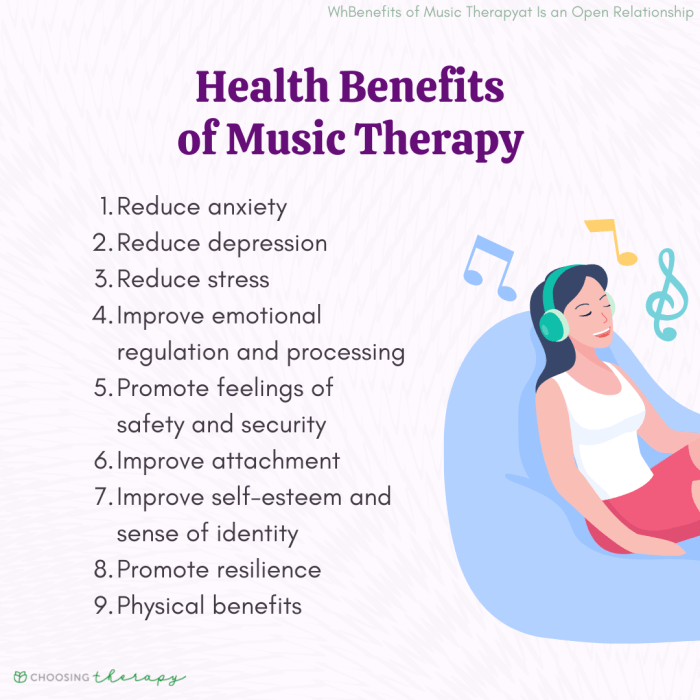
Music therapy is a form of treatment that uses music within the therapeutic relationship to help accomplish the patient’s individualized goals. This evidence-based approach involves techniques such as listening to, reflecting on, and creating music under the guidance of a trained music therapist. It’s not necessary to have a musical background to benefit from music therapy. People of all ages, from children to adults, may find it is a good fit for their therapeutic needs.
When It’s Used
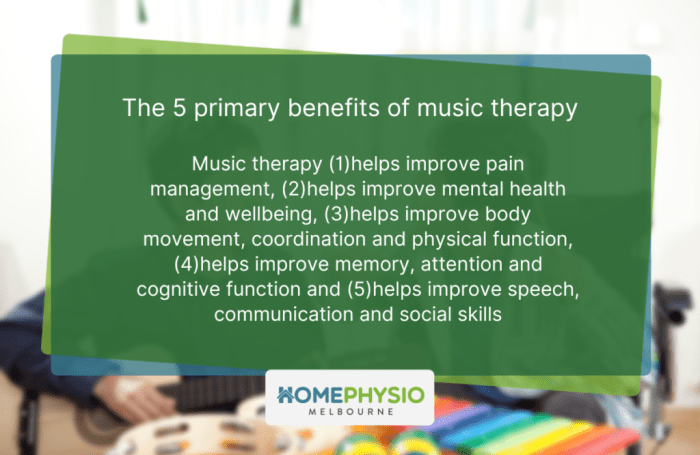
Music therapy is often practiced one-on-one, but it can also be used in group settings, such as a correctional facility, It is generally most effective when used in combination with other therapies. Music therapy can help people manage variety of health conditions.
Music can also have powerful effects on a person’s psychological health. It can influence anyone’s mood, causing a range of effects from providing comfort to soothing to boosting energy. Studies have shown that music therapy can be particularly helpful for people who have stress.
People have long appreciated the healing power of music. Music therapy continues to feel more confident, joyful, and connected. people can still enjoy these benefits, as music can stir emotion, prompt discussion, facilitate expression, and lower stress. Music is processed and produced through a different pathway than verbal speech; bypassing that pathway allows patients to express themselves, communicate with loved ones, and experience the world more vibrantly.
What to Expect
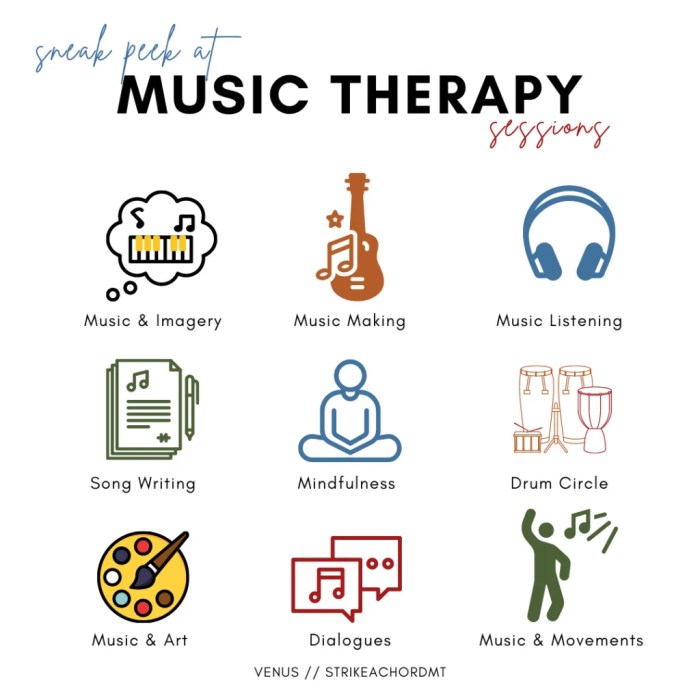
After an initial assessment, a therapist will tailor techniques to fit a client’s musical ability, interests, and specific needs. One approach is to create music—humming a nostalgic tune from one’s childhood, singing as part of a choir, or improvising on instruments such as the drums, piano, guitar, or chimes.
If the client is able to discuss the experience, a therapist might ask what memories the sounds provoke or what they’re feeling. The pair might listen to a song together and discuss the emotions and memories the song. Or the client might write a song, which can illuminate a character or issue in their lives. The therapist could engage the client in breathing exercises, with or without music, to release tension and calm anxiety.
All of these exercises allow the therapist and client to explore the psychological, familial, social, cultural, and spiritual components of the person’s inner world. And clients don’t need to have any musical training or talent; the practice doesn’t focus on technical skills but employs music as a tool for reflection and communication.
What to Look for in a Music Therapist
While music therapy may not be a helpful approach for everyone, many people have found it beneficial Seeking out a therapist with whom the client feels a connection is also valuable. Creating a strong foundation of trust and appreciation can help an individual embrace the process and find success in therapy.
You may want to ask the music therapist a few questions before getting started:
How would they help with your particular concerns?
Have they dealt with this type of problem before?
What is their process?
What is their timeline for treatment?
Meanwhile from WordPress: You’ve posted 3 days in a row on I am My Path!! Keep up the good work
Latest Update: Today is the 11th of October 2025: This is “The 326 Post” and with the “Introductory Page this will be all in Total up to date, 327 posts :).
Take Home Message We all have the capacity to adapt and to achieve our personal expectations. we raise the bar in relation to our own potential and push ourselves to achieve Higher things. The therapeutic alliance has been shown to affect treatment outcomes across a range of conditions, therapeutic modalities, and contexts. In other words, a greater sense of social connectedness rooted in caring for others, connecting with the community, and finding a sense of purpose is linked to improved mental health and well-being. Lots of picture Quotes about lot of things you can do. Happy Reading 🙂
The coloured Topics in Green, if you “Click” on them “Will take you to other different posts of Mine which you will be able to find more information and even Pronunciation”. I have another website with “My own little Poems and Pictures of some of My Hobbies” if you are interested on seeing, “What else I am doing” you can have a look at: https://deepanilamani.com/
As always, it is all free”. You can share and pass it on also for others who can benefit from this post. I hope All those who Read will be able to make the maximum use of all these facts and make, “Your Lives More Healthy and able to Lead Better lives in Happiness and Peace”. I wish it to be so as,” Peace which is our Ultimate Goal ❤


 I am My Path!
You must be logged in to post a comment.