Origami!

Hello To, All My Dear Readers, My Followers and My Blogging Friends ❤

Hope all of you are in Good Health and getting on in your lives well. Year 2024 has zoomed past and almost coming on to 2026. Today I want to write about a topic most of you have not even heard its about Japanese Paper craft 🙂
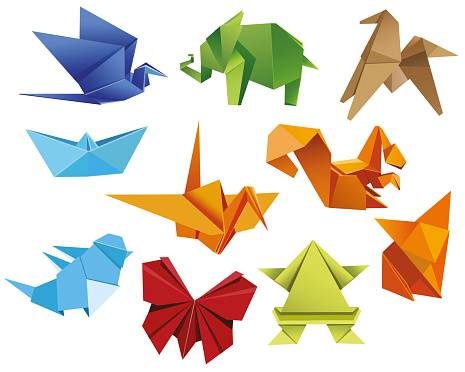
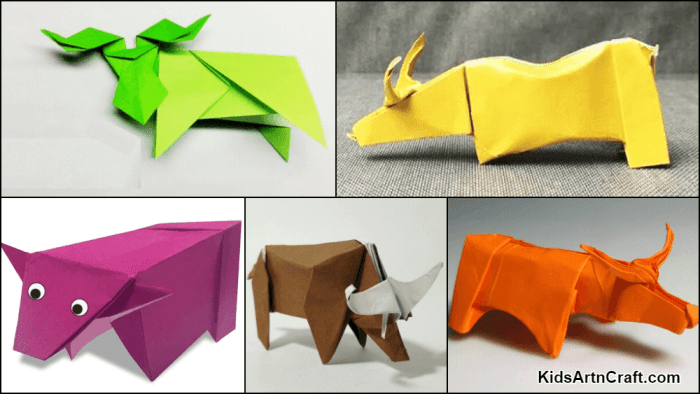
Origami (折り紙) is the Japanese art of paper folding. In modern usage, the word origami is often used as an inclusive term for all folding practices, regardless of their culture of origin. The goal is to transform a flat square sheet of paper into a finished sculpture through folding and sculpting techniques. Modern origami practitioners generally discourage the use of cuts, glue, or markings on the paper. Origami folders often use the Japanese word kirigami to refer to designs which use cuts.
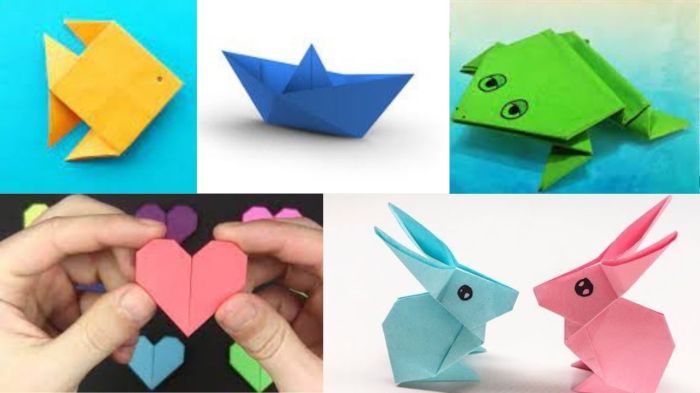
In the detailed Japanese classification, origami is divided into stylized ceremonial origami (儀礼折り紙, girei origami) and recreational origami (遊戯折り紙, yūgi origami), and only recreational origami is generally recognized as origami. In Japan, ceremonial origami is generally called “origata” (ja:折形) to distinguish it from recreational origami. The term “origata” is one of the old terms for origami.
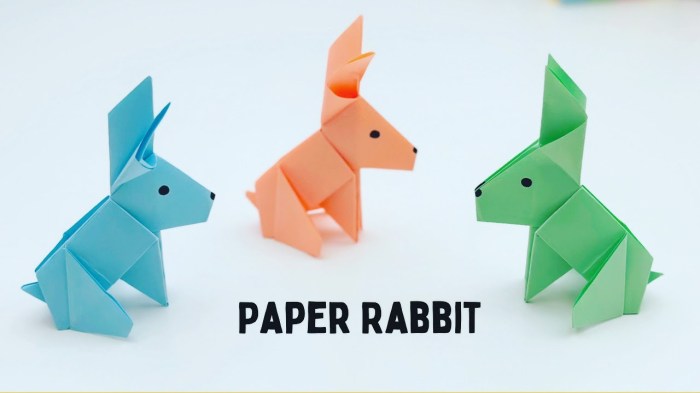
The small number of basic origami folds can be combined in a variety of ways to make intricate designs. The best-known origami model is the Japanese paper crane. In general, these designs begin with a square sheet of paper whose sides may be of different colors, prints, or patterns. Traditional Japanese origami, which has been practiced since the Edo period (1603–1868), has often been less strict about these conventions, sometimes cutting the paper or using nonsquare shapes to start with. The principles of origami are also used in stentspackaging, and other engineering applications.
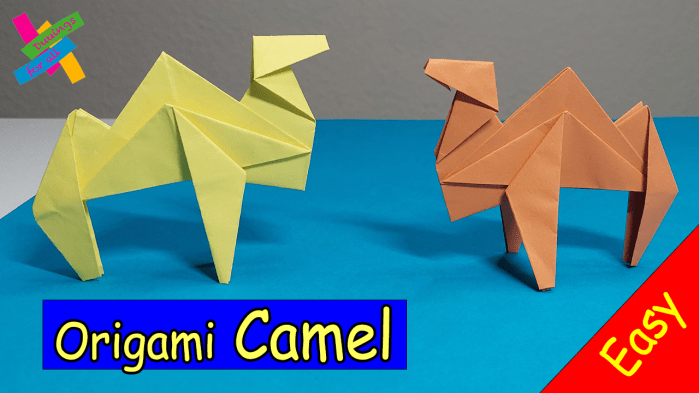
Etymology

The word “origami” is a compound of two smaller words: “ori” (root verb “oru”), meaning to fold, and “kami”, meaning paper. Until recently, not all forms of paper folding were grouped under the word origami. Before that, paper folding for play was known by a variety of names, including “orikata” or “origata” (折形), “orisue” (折据), “orimono” (折物), “tatamigami” (畳紙) and others.

History

Main article: History of origami

Distinct paperfolding traditions arose in Europe, China, and Japan which have been well-documented by historians. These seem to have been mostly separate traditions, until the 20th century.

Ceremonial origami (origata)

By the 7th century, paper had been introduced to Japan from China via the Korean Peninsula, and the Japanese developed washi by improving the method of making paper in the Heian period. The papermaking technique developed in Japan around 805 to 809 was called nagashi-suki (流し漉き), a method of adding mucilage to the process of the conventional tame-suki (溜め漉き) technique to form a stronger layer of paper fibers With the development of Japanese papermaking technology and the widespread use of paper, folded paper began to be used for decorations and tools for religious ceremonies such as goheiōnusa (ja:大麻 (神道)) and shide at Shinto shrines. Religious decorations made of paper and the way gifts were wrapped in folded paper gradually became stylized and established as ceremonial origami.] During the Heian period, the Imperial court established a code of etiquette for wrapping money and goods used in ceremonies with folded paper, and a code of etiquette for wrapping gifts.
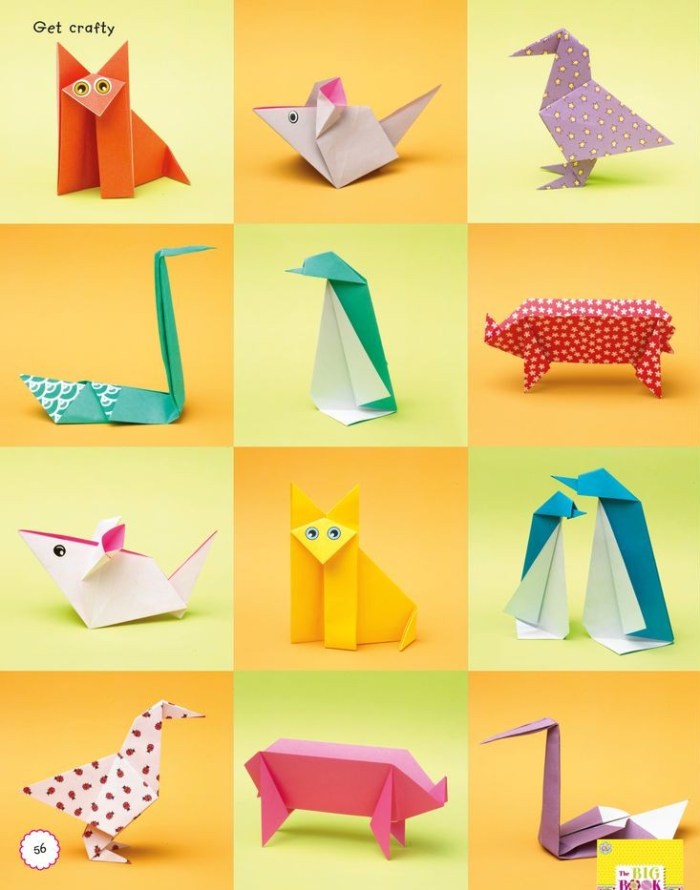
Origami paper

Main article: Origami paper

Almost any laminar (flat) material can be used for folding; the only requirement is that it should hold a crease. Origami paper, often referred to as “kami” (Japanese for paper), is sold in prepackaged squares of various sizes or more. It is commonly colored on one side and white on the other; however, dual coloured and patterned versions exist and can be used effectively for color-changed models. Origami paper weighs slightly less than copy paper, making it suitable for a wider range of models.

Normal copy paper can be used for simple folds, such as the crane and waterbomb. Heavier weight papers of or more can be wet-folded. This technique allows for a more rounded sculpting of the model, which becomes rigid and sturdy when it is dry.
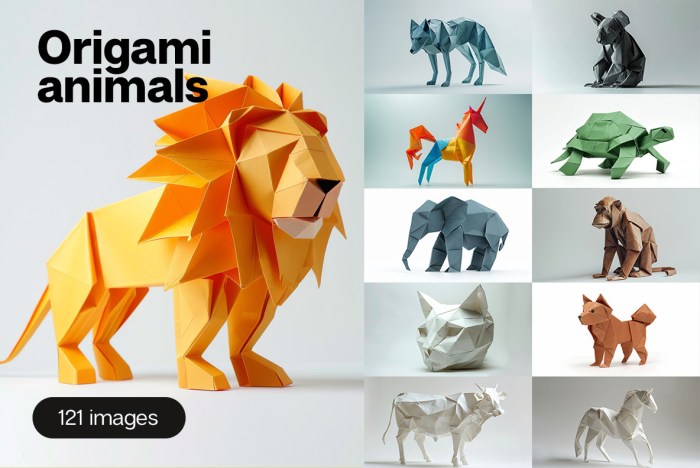
Foil-backed paper, as its name implies, is a sheet of thin foil glued to a sheet of thin paper. Related to this is tissue foil, which is made by gluing a thin piece of tissue paper to kitchen aluminium foil. A second piece of tissue can be glued onto the reverse side to produce a tissue/foil/tissue sandwich. Foil-backed paper is available commercially, but not tissue foil; it must be handmade. Both types of foil materials are suitable for complex models.

Washi (和紙) is the traditional origami paper used in Japan. Washi is generally tougher than ordinary paper made from wood pulp, and is used in many traditional arts. Washi is commonly made using fibres from the bark of the gampi tree, the mitsumata shrub (Edgeworthia papyrifera), or the paper mulberry but can also be made using bamboohemp, rice, and wheat.

Artisan papers such as unryu, lokta, hanji gampi, kozo, saa, and abaca have long fibers and are often extremely strong. As these papers are floppy to start with, they are often backcoated or resized with methylcellulose or wheat paste before folding. Also, these papers are extremely thin and compressible, allowing for thin, narrowed limbs as in the case of insect models.
Date 22 Nd NOVEMBER r 2025: I am in Very Good Health. This is “The 338 Post” and with the “Introductory Page this will be all in Total up to date, 339 articles https://iammypath.com/who-i-am-why-i-am-writing/

What I am doing is, “Taken the Therapists Voices with me and have been Moving forward Telling “My Own Journey in Good Health and Healing” in Helping Others to have “Faith, Hope and to Heal” and Lead a Life of Good Health, Happiness and Joy, and it is in this post if you click on the Link: The Therapists Voice Forwar

🎉 Congrats! I am My Path! is getting noticed. Natural Wellness Boost and 382 others have subscribed to your site.

Take Home Message
We all have the capacity to adapt and to achieve our personal expectations. we raise the bar in relation to our own potential and push ourselves to achieve Higher things. The therapeutic alliance has been shown to affect treatment outcomes across a range of conditions, therapeutic modalities, and contexts. In other words, a greater sense of social connectedness rooted in caring for others, connecting with the community, and finding a sense of purpose is linked to improved mental health and well-being. Lots of picture Quotes about lot of things you can do. Happy Reading 

The coloured Topics in Green, if you “Click” on them “Will take you to other different posts of Mine which you will be able to find more information and even Pronunciation”. I have another website with “My own little Poems and Pictures of some of My Hobbies” if you are interested on seeing, “What else I am doing” you can have a look at: https://deepanilamani.com/
As always, it is all free”. You can share and pass it on also for others who can benefit from this post. I hope All those who Read will be able to make the maximum use of all these facts and make, “Your Lives More Healthy and able to Lead Better lives in Happiness and Peace”. I wish it to be so as,” Peace which is our Ultimate Goal 

As always, it is all free”. You can share and pass it on also for others who can benefit from this post. I hope All those who Read will be able to make the maximum use of all these facts and make, “Your Lives More Healthy and able to Lead Better lives in Happiness and Peace”. I wish it to be so as,” Peace which is our Ultimate Goal 

May God’s Blessing Be Upon You ❤

Deepa Nilamani ❤
Flag Counter

Ikebana!

Hello To, All My Dear Readers, My Followers and My Blogging Friends

Hope all of you are in Good Health and getting on in your lives well. Year 2024 has zoomed past and almost coming on to 2026. Today I want to write about a topic most of you have not even heard its about Japanese Flower Arranging 🙂

Traditional Japanese art of flower arrangement

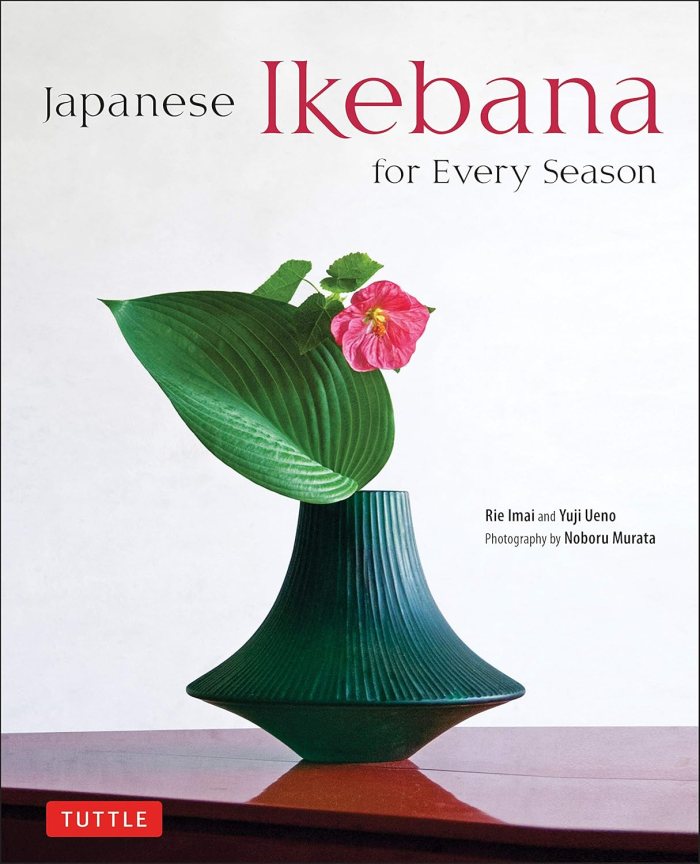
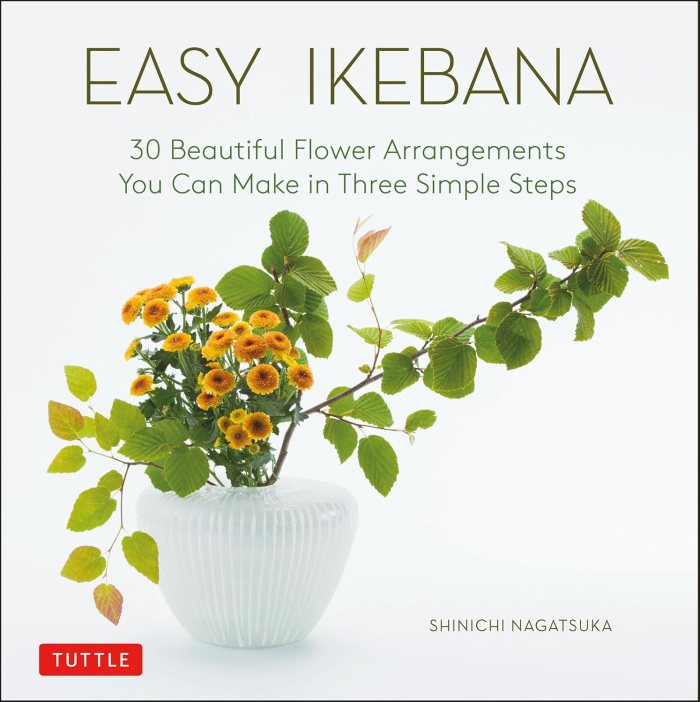
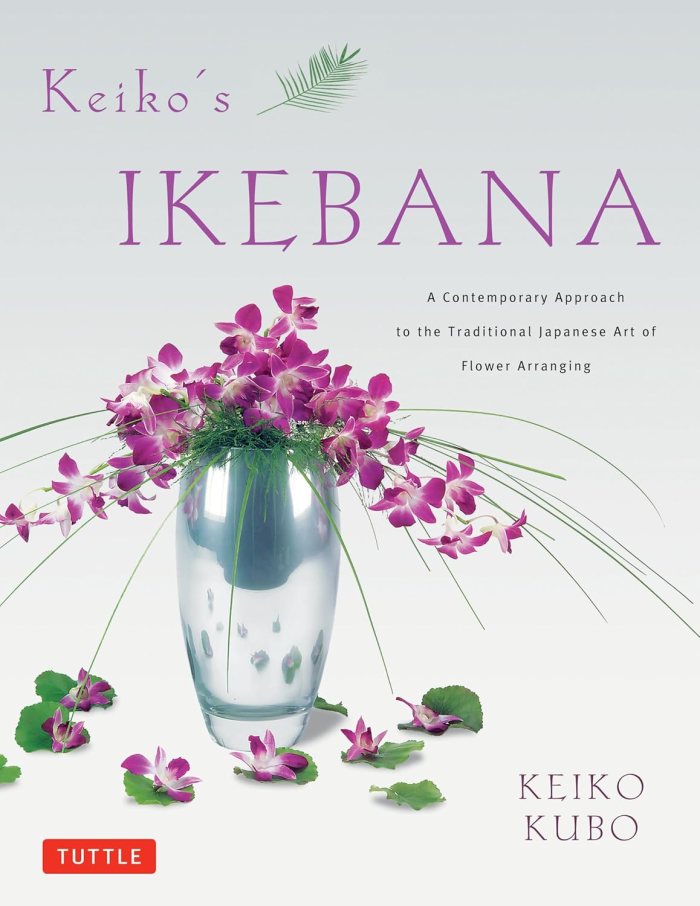
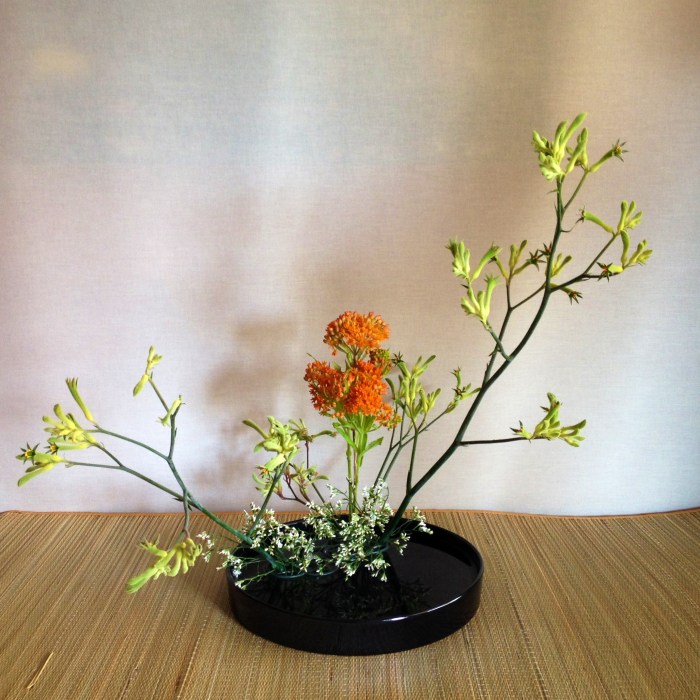
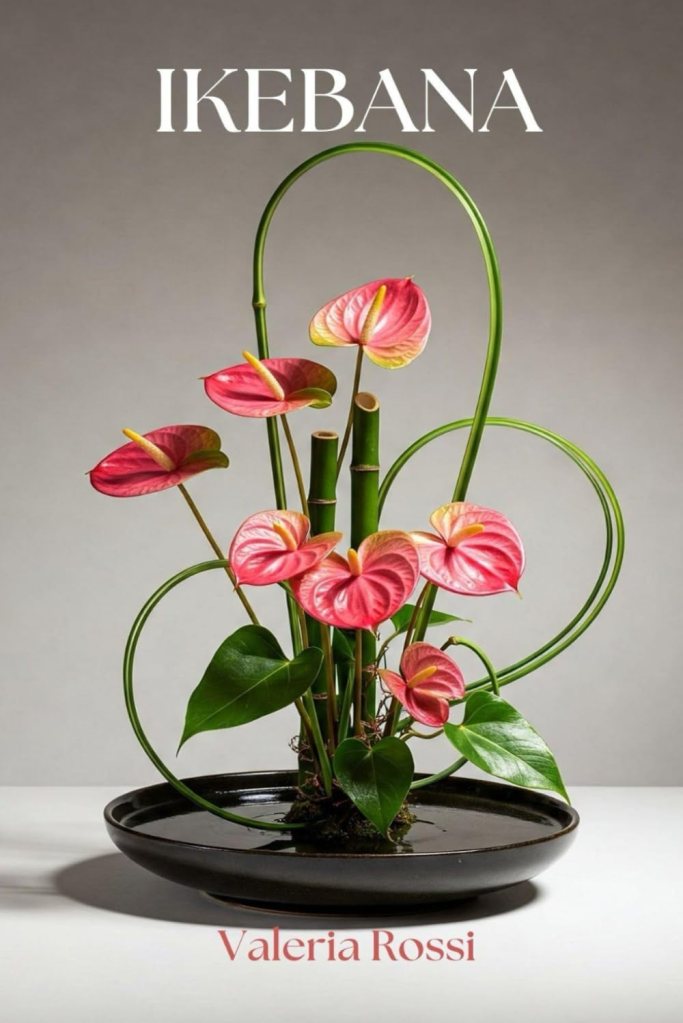
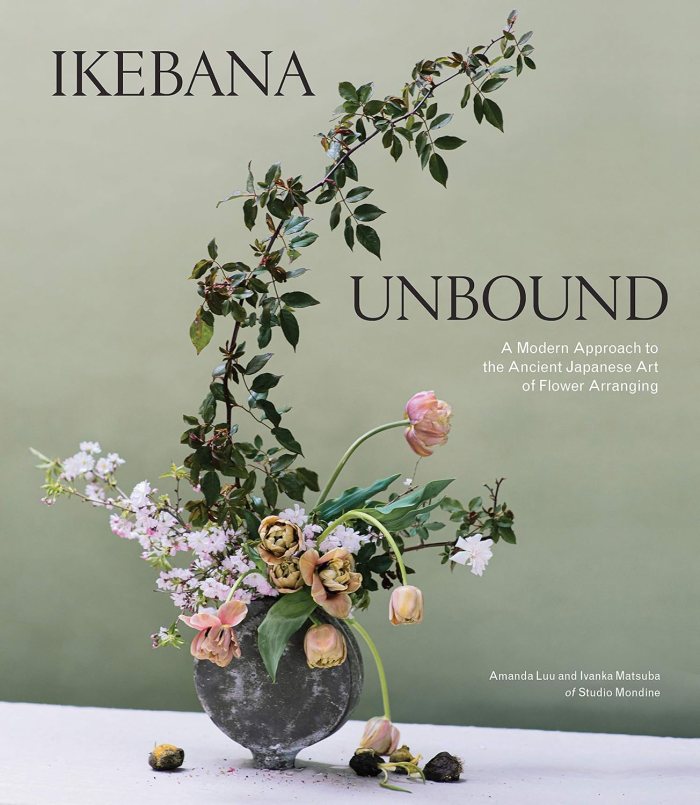
Ikebana is the traditional Japanese art of flower arrangement, meaning “making flowers come alive.” It originated in the Muromachi period and has evolved over centuries, connecting generations through creativity and a love for nature. Ikebana involves selecting flowers, greenery, and other plant materials to express specific emotions, similar to painting or sculpture. It is considered one of the three classical arts of Japan, alongside kōdō (incense appreciation) and chadō (tea ceremony). Ikebana is characterized by its use of asymmetrical forms, empty space, and a sense of harmony among materials and the setting. 

The term ikebana comes from the combination of the Japanese ikeru ‘to arrange (flowers), have life, be living’) and hana (, ‘flower’). Possible translations include ‘giving life to flowers’ and ‘arranging flowers’.

History

The pastime of viewing plants and appreciating flowers throughout the four seasons was established in Japan early on from the aristocracy. Waka poetry anthologies included many poems on the topic of flowers. With the introduction of Buddhism, offering flowers at Buddhist altars became common. Although the lotus is widely used in India where Buddhism originated, in Japan other native flowers for each season were selected for this purpose.

For a long time the art of flower arranging had no meaning, and functioned as merely the placing in vases the flowers to be used as temple offerings and before ancestral shrines, without system or meaningful structure. The first flower arrangements were composed using a system known as shin-no-hana, meaning ‘central flower arrangement’. A huge branch of pine stood in the middle, with three or five seasonable flowers placed around it. These branches and stems were put in vases in upright positions without attempting artificial curves. Generally symmetrical in form, these arrangements appeared in religious pictures in the 14th century, as the first attempt to represent natural scenery. The large tree in the centre represented distant scenery, plum or cherry blossoms middle distance, and little flowering plants the foreground. The lines of these arrangements were known as centre and sub-Centre.

The art of flower arranging developed with many schools only coming into existence at the end of the 15th century and ikebana, flower arrangement. one of the most important being that flowers offered on all ceremonial occasions, and placed as offerings should not be offered loosely, but should represent time and thought.

Ikebana has always been considered a dignified accomplishment. All of Japan’s most celebrated generals notably practised flower arranging, finding that it calmed their minds and made their decisions on the field of action clearer.

It was in the latter part of the 17th century that ikebana was most practiced and reached its highest degree of perfection as an art. only one branch of ikebana had been taught at a time,

I hope you have learnt new information on this type of flower arranging. You can use any type of flowers dried or even with pieces of just from bushes according to your imagination ❤

Date 22 Nd NOVEMBER r 2025: I am in Very Good Health. This is “The 338 Post” and with the “Introductory Page this will be all in Total up to date, 339 articles https://iammypath.com/who-i-am-why-i-am-writing/

What I am doing is, “Taken the Therapists Voices with me and have been Moving forward Telling “My Own Journey in Good Health and Healing” in Helping Others to have “Faith, Hope and to Heal” and Lead a Life of Good Health, Happiness and Joy, and it is in this post if you click on the Link: The Therapists Voice Forwar

Take Home Message
We all have the capacity to adapt and to achieve our personal expectations. we raise the bar in relation to our own potential and push ourselves to achieve Higher things. The therapeutic alliance has been shown to affect treatment outcomes across a range of conditions, therapeutic modalities, and contexts. In other words, a greater sense of social connectedness rooted in caring for others, connecting with the community, and finding a sense of purpose is linked to improved mental health and well-being. Lots of picture Quotes about lot of things you can do. Happy Reading 

The coloured Topics in Green, if you “Click” on them “Will take you to other different posts of Mine which you will be able to find more information and even Pronunciation”. I have another website with “My own little Poems and Pictures of some of My Hobbies” if you are interested on seeing, “What else I am doing” you can have a look at: https://deepanilamani.com/

As always, it is all free”. You can share and pass it on also for others who can benefit from this post. I hope All those who Read will be able to make the maximum use of all these facts and make, “Your Lives More Healthy and able to Lead Better lives in Happiness and Peace”. I wish it to be so as,” Peace which is our Ultimate Goal 

May God’s Blessing Be Upon You ❤

Deepa Nilamani ❤
Flag Counter

Just Thinking!

Hello to, All My Dear Readers, Followers and My Blogging Friends ❤

Hope All of You are keeping well and Happy. As usual I am keeping in Good Health and moving forward doing my usual, activities. I decided to rewrite some of the old articles with added knowledge and the changes The world has gone through. This is a Topic I have not written before and I like to write new posts so this is about Thinking 🙂

Just thinking in my words is also something like “Dy Dreaming “Thinking from the Mind can be on some topic or what to do next planning how to go about. Without speaking and staying quietly.

Thought, covert symbolic responses to stimuli that are (arising from within) or arising from the environment Thought, or thinking, is considered to mediate between inner activity and external stimuli.

In everyday language, the word thinking covers several distinct psychological activities. It is sometimes for “tending to believe,” especially with less than full confidence (“I think that it will rain, but I am not sure”). At other times it denotes the degree of attentiveness (“I did it without thinking”) or whatever is in consciousness, especially if it refers to something outside the immediate environment (“It made me think of my grandmother”). Psychologists have concentrated on thinking aimed at finding an answer to a question or the solution of a practical problem.

The process of thought

According to the classical view, the succession of ideas or images in a train of thought is determined by the laws of association. Although additional associative laws were proposed from time to time, two invariably were recognized. The law states that the sensation or idea of a particular object tends to evoke the idea of something that has often been encountered together with it. The law of association by similarity states that the sensation or idea of a particular object tends to evoke the idea of something that is similar to it.

Creative thinking

As discussed above, creative) thinking is an activity that leads to new information, or previously undiscovered solutions. Some problems demand flexibility, originality, fluency, and inventiveness, especially those for which the individual must supply a unique solution. creativity. Creative thinking is a matter of using intrinsic resources to produce tangible results. This process is markedly influenced by early experience and training. Thus, school and work situations that encourage individual expression and that tolerate thinking seem to foster the development of creativity.

Computer science has been very important in cognitive science for two reasons. First, the notion of computation has been invaluable for developing ideas about how thinking might be a natural process. Previously, scientific theories of the mind relied on clumsy and unproductive analogies with mechanical devices such as clocks and electronic switchboards. The advent of computer programs made it possible to see how a mechanical device could solve complex problems by manipulating symbols, or representations, according to procedures (computations), for how minds might work in similar ways. Standard programming languages, instructions, which suggest a model of how people make plans. Second, computers themselves have been useful for testing scientific organization and functioning. The program is then run on a computer, and if the computer’s output is similar in appropriate ways to real performance,

Positive thinking

Positive thinking is an important topic in positive psychology. It involves focusing one’s attention on the positive aspects of one’s situation and thereby withdrawing one’s attention from its negative sides.[mThis is usually seen as a global outlook that applies especially to thinking but includes othe processes, like feeling, as well. In this sense, it is closely related to positive things to happen in the future. This positive outlook makes it more likely for people to seek to attain new goals. It also increases the probability of continuing to strive towards pre-existing goals that seem difficult to reach instead of just giving up.

The effects of positive thinking are not yet thoroughly researched, but some studies suggest that there is a correlation between positive thinking and well-being. For example, students with a positive outlook tend to be better at dealing with stressful situations. This is sometimes explained by pointing out that stress is not inherent in stressful situations but depends on the agent’s interpretation of the situation. Reduced stress may therefore be found in positive thinkers because they tend to see such situations in a more positive light. that positive thinkers tend to employ healthier coping strategies when faced with difficult situations.

But it has been argued that whether positive thinking actually leads to positive outcomes depends on various other factors. Without these factors, it may lead to negative results. to make a positive practical contribution, Positive thinking is a topic in the self-help literature. Here, often the claim is made that one can significantly improve one’s life by trying to think positively, New Thought movement, positive thinking figures in the law of attraction, that positive thoughts can directly influence the external world by attracting positive outcomes.

Psychology

Main article: Cognitive psychology

Psychologists have concentrated on thinking as an intellectual exertion aimed at finding an answer to a question or the solution of a practical problem. Cognitive psychology is a branch of psychology that investigates internal mental processes such as problem solving, memory, and language; all of which are used in thinking. The school of thought arising from this approach is known as cognitivism, which is interested in how people mentally represent information processing.

Thought experiments

Thought experiments involve thinking about imaginary situations, often with the aim of investigating the possible consequences of a change to the actual sequence of events. It is a controversial issue to what extent thought experiments should be understood as actual experiments. They are experiments in the sense that a certain situation is set up and one tries to learn from this situation by understanding what follows from it. They differ from regular experiments in that imagination is used to set up the situation and what follows from it, instead of setting it up physically and observing thinking, therefore, plays a central role in thought experiments. how to reply to any possible message, similar to how a computer would react to messages.

Thought experiments are employed for various purposes, for example, for entertainment, education This use is found in fields like philosophy, the natural sciences, and history. It is controversial since there is a lot of disagreement concerning the epistemic status of thought experiments, of this usage is the fact that they pretend to be a source of knowledge without the need to leave one’s armchair in search of any new data.

Laws of thought

Traditionally, the term “laws of thought” how the laws of thought are to be understood.

You’re on a 5-day streak on I am My Path!! From WordPress You’ve posted 5 days in a row on I am My Path!! Keep up the good work.

Latest Update: Today is the 15 th of October 2025: This is “The 329Post” and with the “Introductory Page this will be all in Total up to date, 330 posts :).

Take Home Message
We all have the capacity to adapt and to achieve our personal expectations. we raise the bar in relation to our own potential and push ourselves to achieve Higher things. The therapeutic alliance has been shown to affect treatment outcomes across a range of conditions, therapeutic modalities, and contexts. In other words, a greater sense of social connectedness rooted in caring for others, connecting with the community, and finding a sense of purpose is linked to improved mental health and well-being. Lots of picture Quotes about lot of things you can do. Happy Reading 🙂

The coloured Topics in Green, if you “Click” on them “Will take you to other different posts of Mine which you will be able to find more information and even Pronunciation”. I have another website with “My own little Poems and Pictures of some of My Hobbies” if you are interested on seeing, “What else I am doing” you can have a look at: https://deepanilamani.com/

As always, it is all free”. You can share and pass it on also for others who can benefit from this post. I hope All those who Read will be able to make the maximum use of all these facts and make, “Your Lives More Healthy and able to Lead Better lives in Happiness and Peace”. I wish it to be so as,” Peace which is our Ultimate Goal ❤

May Gods Blessings Be Upon You ❤

Thanking The i net for the pictures ❤

Deepa Nilamani ❤
Flag Counter

Art Therapy!

Hello to, All My Dear Readers, Followers and My Blogging Friends ❤

Hope All of You are keeping well and Happy. As usual I am keeping in Good Health and moving forward doing my usual, activities. I began Writing an article on Publishing as I am an Author and also a Publisher. That I decided to rewrite some of the old articles with added knowledge and the changes The world has gone through and I wrote about “Languages and that went on to quite a few posts on that and I came upon Speech Therapy Because of that I wrote about CBT Therapy. And now on lighter subjects after Music Therapy It is Art Therapy 🙂

When It’s Used

Art therapists work with individuals, couples, and groups in a variety of settings, including private counseling, wellness centers, correctional institutions, senior centers, and other community settings. No artistic talent is necessary for art therapy to succeed, because the therapeutic process is not about the artistic value of the work, but rather about finding associations between the creative choices made and a client’s inner life. The artwork can be used as a springboard for reawakening memories and telling stories that may reveal messages.

Art therapy can help with many conditions and experiences, including:

While art therapy is helpful for many people, the research is mixed; some studies have demonstrated its efficacy while others have found little benefit.

How It Works

Art therapy is founded on the belief that self-expression through artistic creation has therapeutic value for those who are healing or seeking a deeper understanding of themselves and their behaviors. According to the American Art Therapy Association, art therapists are trained to understand the roles that color, texture, and various art media can play in the therapeutic process and how these tools can help reveal one’s thoughts, feelings, and psychological disposition. Art therapy integrates psychotherapy and some form of visual arts as a specific, stand-alone form of therapy, but it is also used in combination with other types of therapy.

For example, researchers interviewed art therapy patients with personality disorders and identified five benefits:

  1. Perception and self-perception: Art helped the participants focus on the present moment, identify their emotional responses, and connect their emotions and body awareness.
  2. Personal integration: They strengthened their identity and self-image.
  3. Emotion and impulse regulation: They improved the ability to regulate and control emotions.
  4. Behavior change: They learned to change their behavioral responses to themselves and others, perhaps through the self-directed nature of art-making.
  5. Insight and comprehension: They verbalized their emotions and experiences

What to Expect

As with any form of therapy, your first session will consist of talking to the therapist about why you want to find help and learning what the therapist has to offer. Together, you will come up with a treatment plan that involves creating some form of artwork.

Once you begin creating, the therapist may, at times, simply observe your process as you work, without interference or judgment. When you have finished a piece of artwork—and sometimes while you are still working on it—the therapist will ask you questions along the lines of how you feel about the artistic process, what was easy or difficult about creating your artwork, and what thoughts or memories you may have had while you were working. Generally, the therapist will ask about your experience and feelings before providing any observations.

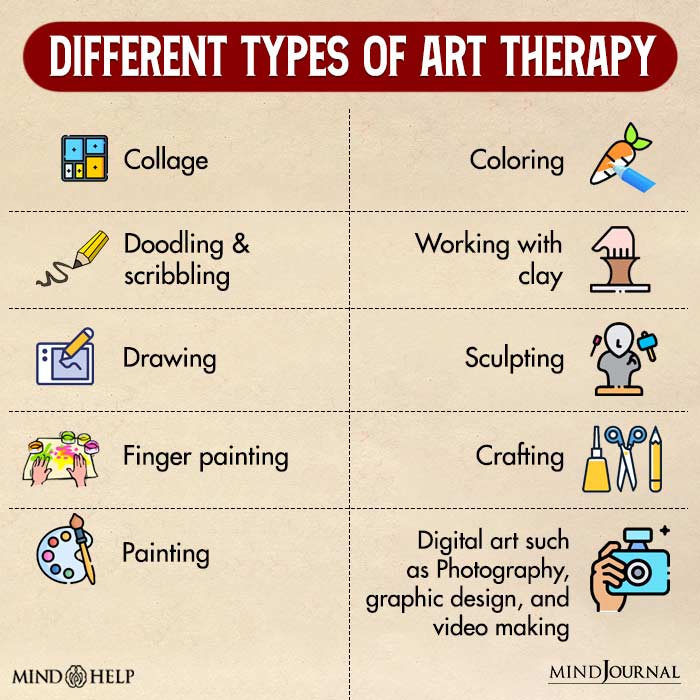
Art therapists use a variety of interventions; with creativity and innovation, they can tailor their techniques to each individual client. Art therapists leverage different mediums and modalities. For instance, an art therapist may guide patients to build clay structures of their family members, engage in free association about works of art, or tell a story through a photo collage.

What to Look for in an Art Therapist

An art therapist has the minimum of a master’s degree, generally from an integrated program in psychotherapy and visual arts at an educational institution accredited by the Council for Higher Education Accreditation (CHEA). The initials ATR after a therapist’s name means he or she is registered with the Art Therapy Credentials Board (ATCB). The initials ATR-BC means the therapist is not only registered but has passed an examination to become board-certified by the ATCB.

It’s also important to find a therapist with whom you feel comfortable. You may want to ask the therapist a few questions before committing to work with them. Questions may include:

  • How would they help with your particular concerns?
  • Have they dealt with this type of problem before?
  • What is their process?
  • What is their timeline for treatment?

Meanwhile from WordPress Your blog, I am My Path!, appears to be getting more traffic than usual! hourly views A spike in your stats Double Congratulations 🙂

Latest Update: Today is the 11th of October 2025: This is “The 327 Post” and with the “Introductory Page this will be all in Total up to date, 328 posts :).

Take Home Message
We all have the capacity to adapt and to achieve our personal expectations. we raise the bar in relation to our own potential and push ourselves to achieve Higher things. The therapeutic alliance has been shown to affect treatment outcomes across a range of conditions, therapeutic modalities, and contexts. In other words, a greater sense of social connectedness rooted in caring for others, connecting with the community, and finding a sense of purpose is linked to improved mental health and well-being. Lots of picture Quotes about lot of things you can do. Happy Reading 🙂

The coloured Topics in Green, if you “Click” on them “Will take you to other different posts of Mine which you will be able to find more information and even Pronunciation”. I have another website with “My own little Poems and Pictures of some of My Hobbies” if you are interested on seeing, “What else I am doing” you can have a look at: https://deepanilamani.com/

As always, it is all free”. You can share and pass it on also for others who can benefit from this post. I hope All those who Read will be able to make the maximum use of all these facts and make, “Your Lives More Healthy and able to Lead Better lives in Happiness and Peace”. I wish it to be so as,” Peace which is our Ultimate Goal ❤

May Gods Blessings Be Upon You ❤

Thanking The i net for the pictures ❤

Deepa Nilamani ❤

Flag Counter