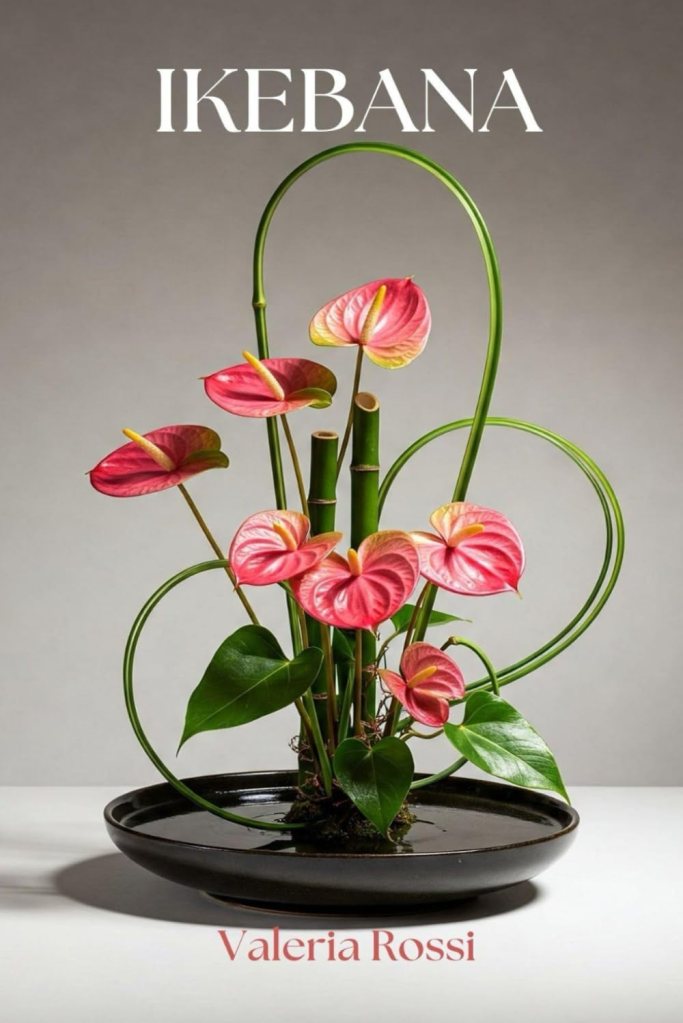
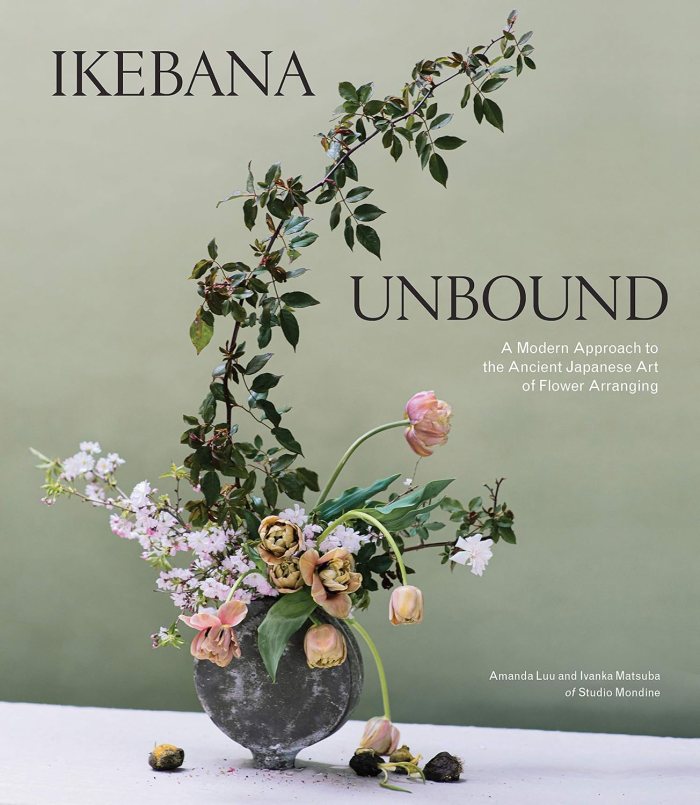
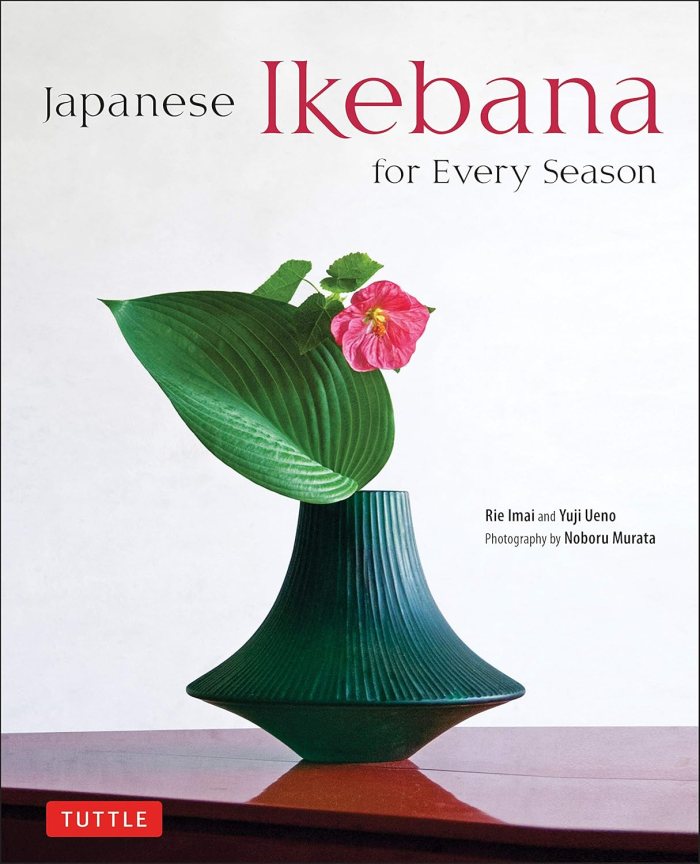
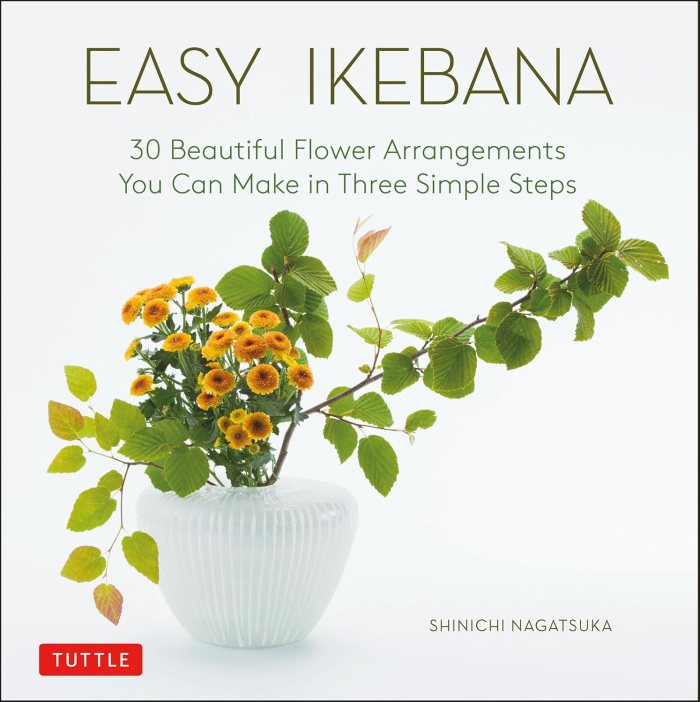
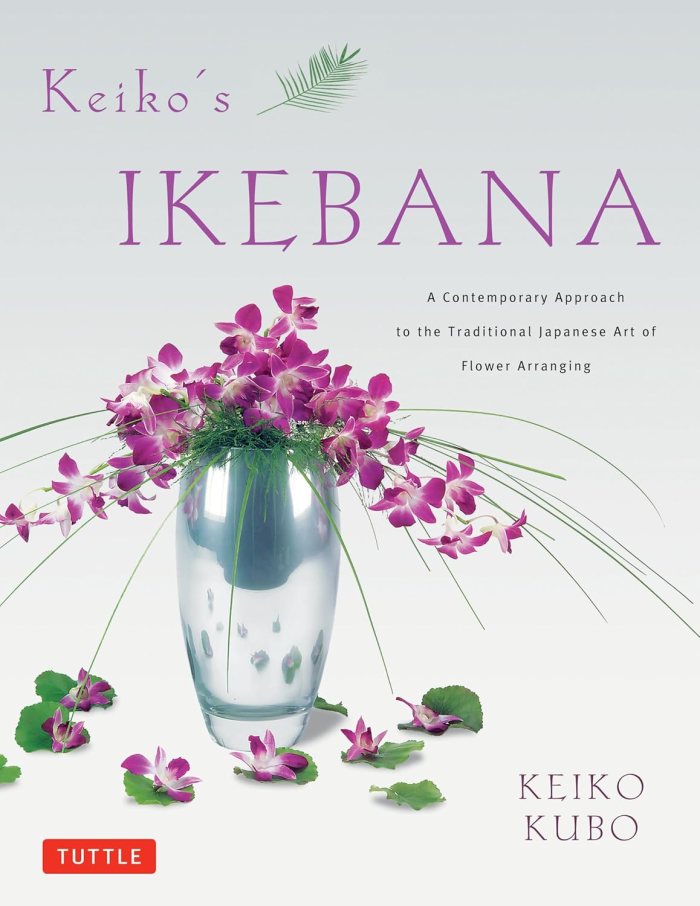
Ikebana!

Hello To, All My Dear Readers, My Followers and My Blogging Friends

Hope all of you are in Good Health and getting on in your lives well. Year 2024 has zoomed past and almost coming on to 2026. Today I want to write about a topic most of you have not even heard its about Japanese Flower Arranging 🙂

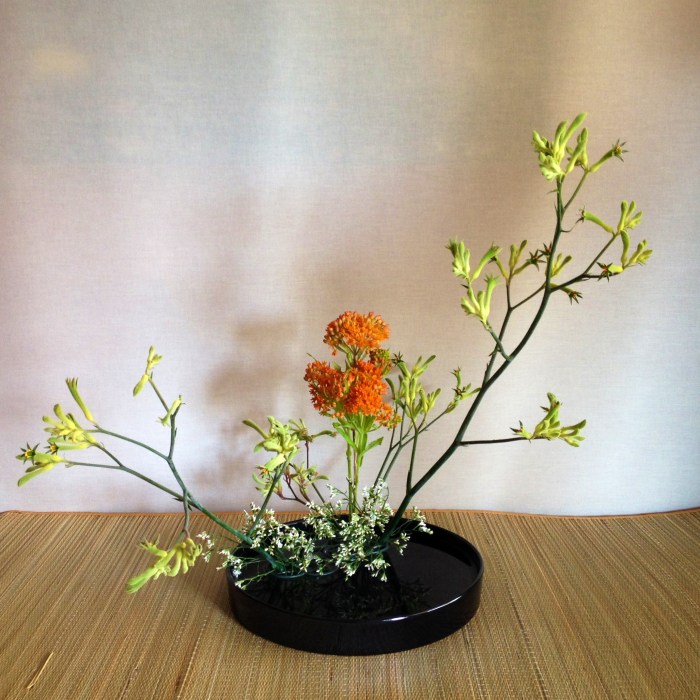
Traditional Japanese art of flower arrangement

Ikebana is the traditional Japanese art of flower arrangement, meaning “making flowers come alive.” It originated in the Muromachi period and has evolved over centuries, connecting generations through creativity and a love for nature. Ikebana involves selecting flowers, greenery, and other plant materials to express specific emotions, similar to painting or sculpture. It is considered one of the three classical arts of Japan, alongside kōdō (incense appreciation) and chadō (tea ceremony). Ikebana is characterized by its use of asymmetrical forms, empty space, and a sense of harmony among materials and the setting. 

The term ikebana comes from the combination of the Japanese ikeru ‘to arrange (flowers), have life, be living’) and hana (, ‘flower’). Possible translations include ‘giving life to flowers’ and ‘arranging flowers’.

History

The pastime of viewing plants and appreciating flowers throughout the four seasons was established in Japan early on from the aristocracy. Waka poetry anthologies included many poems on the topic of flowers. With the introduction of Buddhism, offering flowers at Buddhist altars became common. Although the lotus is widely used in India where Buddhism originated, in Japan other native flowers for each season were selected for this purpose.

For a long time the art of flower arranging had no meaning, and functioned as merely the placing in vases the flowers to be used as temple offerings and before ancestral shrines, without system or meaningful structure. The first flower arrangements were composed using a system known as shin-no-hana, meaning ‘central flower arrangement’. A huge branch of pine stood in the middle, with three or five seasonable flowers placed around it. These branches and stems were put in vases in upright positions without attempting artificial curves. Generally symmetrical in form, these arrangements appeared in religious pictures in the 14th century, as the first attempt to represent natural scenery. The large tree in the centre represented distant scenery, plum or cherry blossoms middle distance, and little flowering plants the foreground. The lines of these arrangements were known as centre and sub-Centre.

The art of flower arranging developed with many schools only coming into existence at the end of the 15th century and ikebana, flower arrangement. one of the most important being that flowers offered on all ceremonial occasions, and placed as offerings should not be offered loosely, but should represent time and thought.

Ikebana has always been considered a dignified accomplishment. All of Japan’s most celebrated generals notably practised flower arranging, finding that it calmed their minds and made their decisions on the field of action clearer.

It was in the latter part of the 17th century that ikebana was most practiced and reached its highest degree of perfection as an art. only one branch of ikebana had been taught at a time,

I hope you have learnt new information on this type of flower arranging. You can use any type of flowers dried or even with pieces of just from bushes according to your imagination ❤

Date 22 Nd NOVEMBER r 2025: I am in Very Good Health. This is “The 338 Post” and with the “Introductory Page this will be all in Total up to date, 339 articles https://iammypath.com/who-i-am-why-i-am-writing/

What I am doing is, “Taken the Therapists Voices with me and have been Moving forward Telling “My Own Journey in Good Health and Healing” in Helping Others to have “Faith, Hope and to Heal” and Lead a Life of Good Health, Happiness and Joy, and it is in this post if you click on the Link: The Therapists Voice Forwar

Take Home Message
We all have the capacity to adapt and to achieve our personal expectations. we raise the bar in relation to our own potential and push ourselves to achieve Higher things. The therapeutic alliance has been shown to affect treatment outcomes across a range of conditions, therapeutic modalities, and contexts. In other words, a greater sense of social connectedness rooted in caring for others, connecting with the community, and finding a sense of purpose is linked to improved mental health and well-being. Lots of picture Quotes about lot of things you can do. Happy Reading 

The coloured Topics in Green, if you “Click” on them “Will take you to other different posts of Mine which you will be able to find more information and even Pronunciation”. I have another website with “My own little Poems and Pictures of some of My Hobbies” if you are interested on seeing, “What else I am doing” you can have a look at: https://deepanilamani.com/

As always, it is all free”. You can share and pass it on also for others who can benefit from this post. I hope All those who Read will be able to make the maximum use of all these facts and make, “Your Lives More Healthy and able to Lead Better lives in Happiness and Peace”. I wish it to be so as,” Peace which is our Ultimate Goal 

May God’s Blessing Be Upon You ❤

Deepa Nilamani ❤

Flag Counter

Icy Weather ~ 2025!

Hello to, All My Dear Readers, Followers and My Blogging Friends ❤

Hope all of you are keeping well. It’s very cold but I am continuing to write, This is quite different from other days of winter having A series of cold fronts and northwest cloud bands will cause a mix of rain and snow across Australia this week, affecting parts of at least six states and territories.

The speckled cloud over Australia’s southeast is associated with a cold air mass that brought snow to several states over the last 24 hours. This included snow to low levels in Tasmania and a top-up of fresh snow in the mainland Alps.

While rain and snow are now clearing from southeastern Australia, the cloud band in the west is going to cause rain to spread over several states during the next two days. The thick band of cloud will also keep a cap on daytime temperatures across parts of SA and NSW on Tuesday. Broken Hill is only forecast to reach a top of 12°C on Tuesday, which is 4°C below average for this time of year. If the temperature stays below 11.8°C on Tuesday, it will be Broken Hill’s coldest day so far this year.

Sydney could also struggle to climb very far above 15°C on Tuesday as increased cloud cover restricts heating across the city.

An interesting feature associated with one of this week’s cold fronts will be a weak northwest cloudband forming over parts of Queensland and NSW on Thursday and Friday. This fleeting cloudband won’t bring widespread heavy rain, but it could deliver about 10 to 20 mm of rain to parts of central and southern Qld and northeast NSW.

This cloudband will also cause cool daytime temperatures over parts of southeast Qld and northern NSW. Brisbane is currently forecast to reach 22°C on Friday but it might struggle to get above 20°C if cloud cover gets thick enough.

This will be a week of fluctuating temperatures featuring periods of wet and cloudy weather for parts of southern and eastern Australia. Check the latest forecasts and warnings in your area throughout the week for the most up-to-date details Cold fronts and another cloud band on the way

Later this week, two cold fronts will sweep across southern Australia and cause bursts of wind and showers in parts of WA, SA, Tas, Vic and southern NSW, along with dustings of alpine snow.

The first front will move across southern Australia from west to east between Tuesday night and Thursday. The second front will push across the country’s south in a similar fashion between Thursday night and Sunday. Both fronts will cause wintry conditions as blustery winds combine with cold air and showers.


🎉 Congrats! I am My Path! is getting noticed. GP Group Poster and 379 others have subscribed to your site.

Latest Update: 15th of July 2025. The website continues for the New and old Readers, Followers and Blogging Friends. This is “The 281 Post” and with the “Introductory Page this will be all in Total up to date, 282 posts. On Top Right-Hand side, you are able to see: The word “Menu” when you click on it. You will see the word “Home” All the posts from “The Very Beginning comes ~ Under “Home”. Which is The Introductory Page about: Who I am & Why I am Writing!

The new Topics “On the Left-Hand side “Under the Recent Posts, with “The latest Topics adding up”

As always, it is all free”. You can share and pass it on also for others who can benefit from this post. I hope All those who Read will be able to make the maximum use of all these facts and make, “Your Lives More Healthy and able to Lead Better lives in Happiness and Peace”. I wish it to be so as,” Peace which is our Ultimate Goal in Life ❤

Thanking the I net for the pictures and weather reports and information shared ❤

Sending Many Blessings of Good Health and Healing Energies your way ❤

May Gods Blessings Be Upon You ❤

Deepa Nilamani ❤

Flag Counter

Ayurveda ~ Values of Ginger!

Hello to, All My Dear Readers, Followers and My Blogging Friends ❤

Hope all of you are keeping well. It’s very very cold but I am continuing to write, being on Ayurveda I thought of Enlightening on Values of Food for being in Good Health. As so many are not aware of the Values of Fruits and Vegetables and most importantly Herbs 🙂


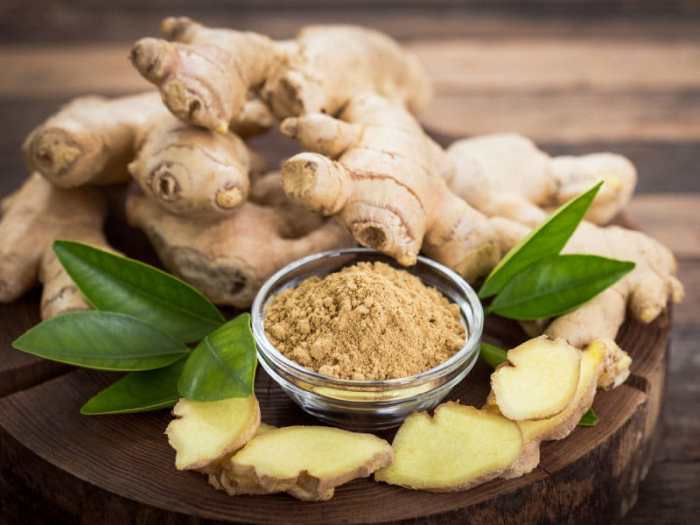
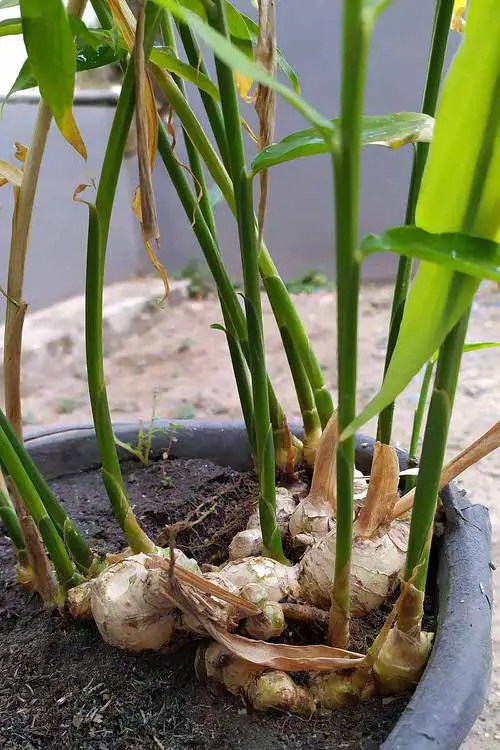
Botanical Name: Zingiber Officinale

Other Names: True Ginger, Jengibre, Jenjibre Dulce, Ginger, Adrak, and Kion

Common ginger is a world-famous herb, popular for its aromatic and pungent rhizomes. It has significant medicinal and culinary uses and needs.

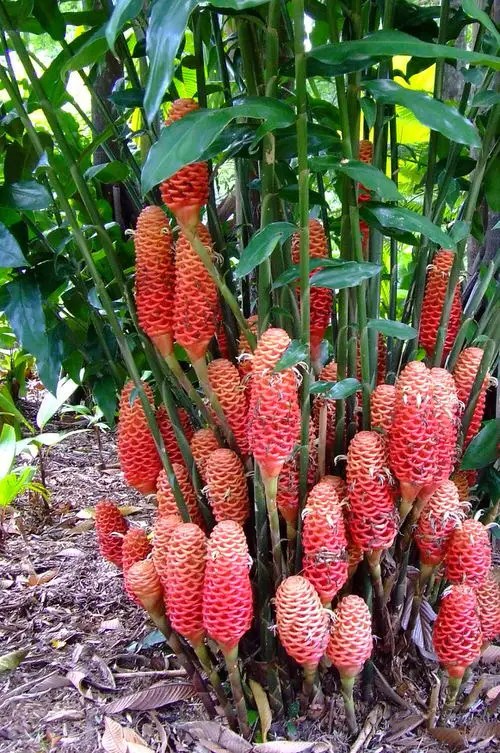
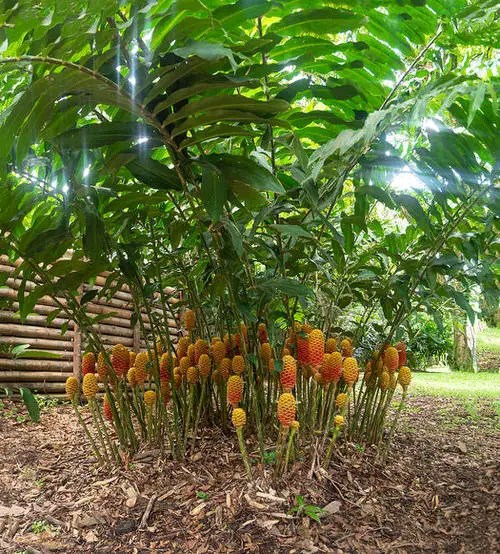
2. Beehive Ginger

Botanical Name: Zingiber spectabile

Other Names: Ginger Wort, Malaysian Ginger

Beehive Ginger is famous as an ornamental plant due to its unique beehive-like yellow inflorescences that become red once mature. All parts have a strong gingery fragrance, making local dishes and appetizers.

Growing Tips

  • Avoid placing it in full sun, as direct sunlight can burn this plant.
  • It grows best in a humid climate.

3. Bitter Ginger

Botanical Name: Zingiber zerumbet

Other Names: Pinecone Ginger, Itter Ginger, Broad-leaved Ginger, Martinique Ginger, Pinecone Lily, Lempoyang, and Wild Ginger

Also known as shampoo ginger, it tastes bitter compared to the common ginger and is added to food flavoring and appetizers. It’s used primarily in herbal medicines and making shampoos.

Growing Tips

Grow it in bright and filtered light in warm soil.

Feed the plant with 8-4-6 fertilizer every three months.

4. Myoga Ginger

Botanical Name: Zingiber mioga

Other Name: Japanese Ginger

In Japan, Myoga Ginger’s flowers and young shoots are used as a tasty garnish on various food. It has a zesty and spicy flavor with a strong, pungent aroma.

  • It is better to grow it in partial shade.
  • It thrives in moist soil.

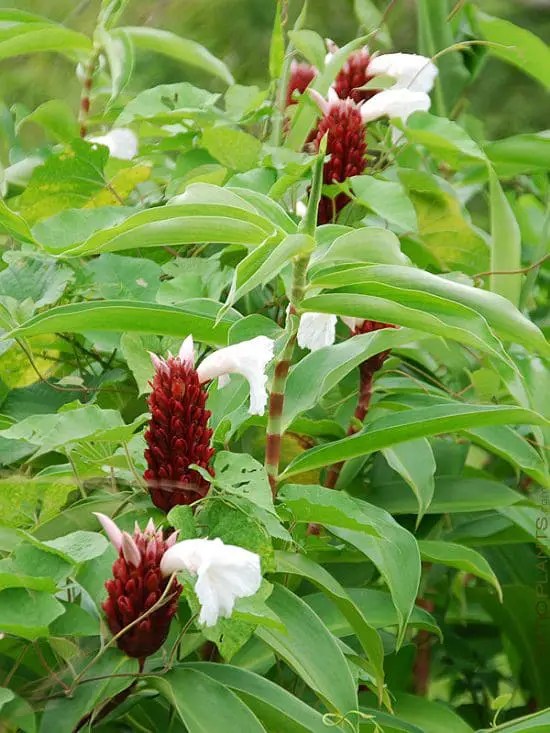
5. Crepe Ginger

Botanical Name: Cheilocostus speciosus

Other Names: Crape Ginger, Malay Ginger, and Cane Reed

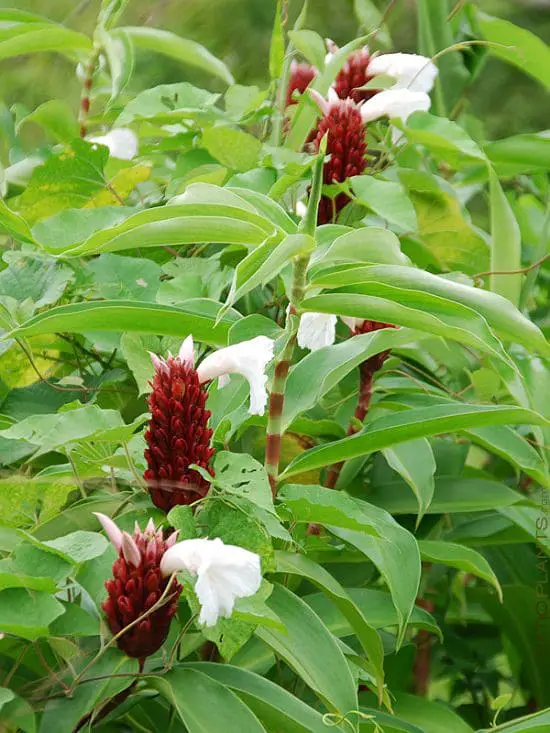
Known for its crepe-paper-like showy white flowers that emerge from reddish-burgundy spiraled inflorescences. It has a pungent taste with edible flowers and buds.

Growing Tips

  • It grows under the canopy of trees.
  • Warm and humid climates are best for its growth.

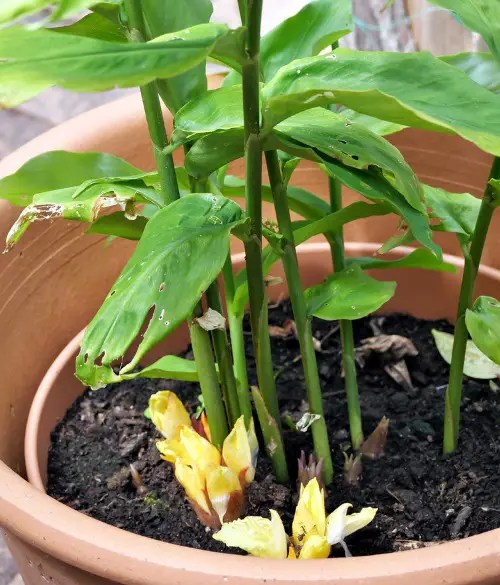
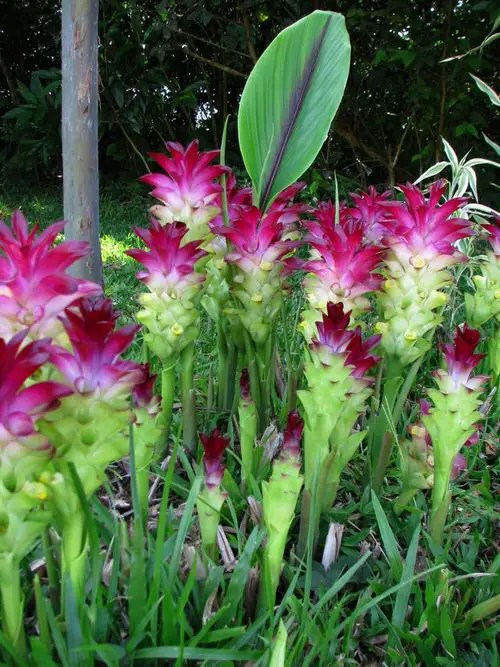
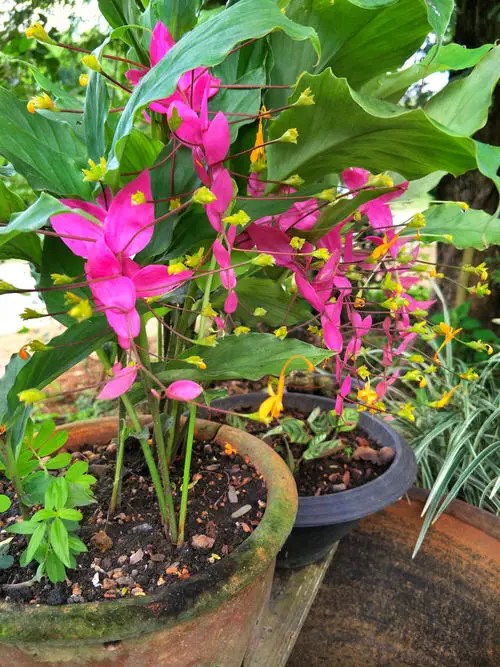
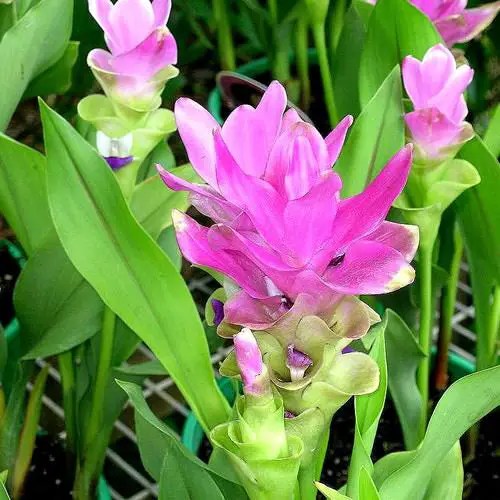
    6. Hidden Ginger

Botanical Name: Curcuma petiolata

Other Names: Queen Lily, Siam Tulip, Hidden Lily

Hidden Ginger is a Malaysian native with a spicy scent and a bitter taste. It produces beautiful flowers of bright purple, pink, or orange colors.

Growing Tips

  • This 2-3 feet tall plant becomes an excellent container specimen.
  • Growing it is similar to canna lilies.

7. Butterfly Lily Ginger

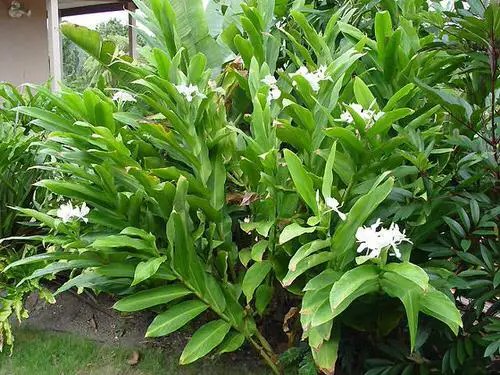
Botanical Name: Hedychium coronarium

Other Name: White Ginger, Flor De Mariposa, Mariposa Blanca, Dolan Champa

8. Shell Ginger

Botanical Name: Alpinia zerumbet

Other Name: Variegated Ginger, Sannin, Getto Plant

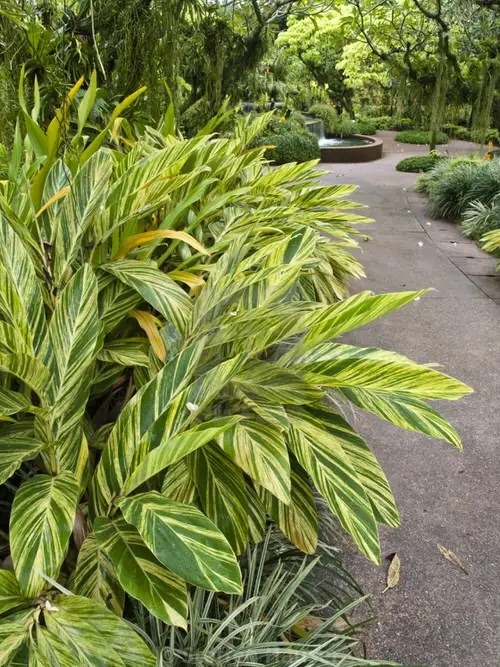
Shell ginger has ovate leaves with green stripes, making it an ornamental plant. It blooms clusters of pink buds, emitting a luscious aroma.

With a clove-like flavor, its edible leaves are the primary agents in noodles and teas in Okinawan cuisines.

  • While it can grow up to 8-10 feet tall, it doesn’t exceed above 3-4 feet in pots.
  • It can be a beautiful houseplant.

9. Dancing Ladies Ginger

Botanical Name: Globba winitii

Other Name: White Dragon Flower

This showy ginger family plant is rare to find. It has unique flowers that emit a sweet honeysuckle-like fragrance and resembles dancing ladies when they move in the wind.

Growing Tips

  • It can be grown in USDA zones 8-11.
  • A spot that receives part sun is best. You can also grow it in the shade.

10. Yellow Ginger

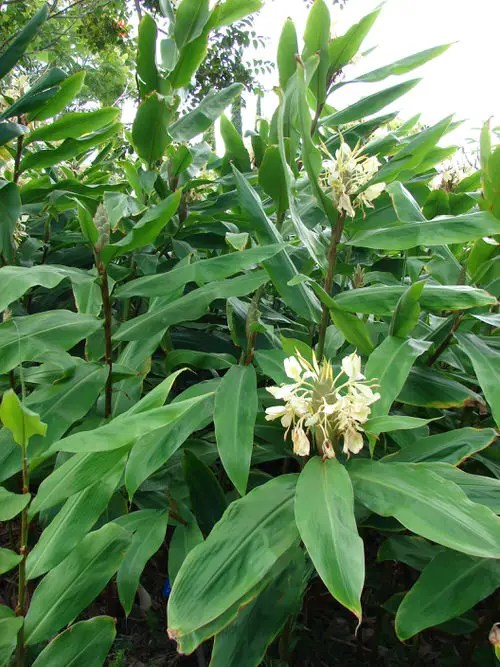
Botanical Name: Hedychium flavescens

Other Name: Cream Garland-Lily, Yellow Ginger Lily, Wild Ginger

Growing up to 5-6 feet tall, the fleshy rhizomes of yellow ginger are edible but not as flavorful as common ginger. Gardeners usually grow it for its highly fragrant flowers.

Growing Tips

  • Grow it in well-drained and moderately fertile soil.
  • It’s a shade-tolerant plant.

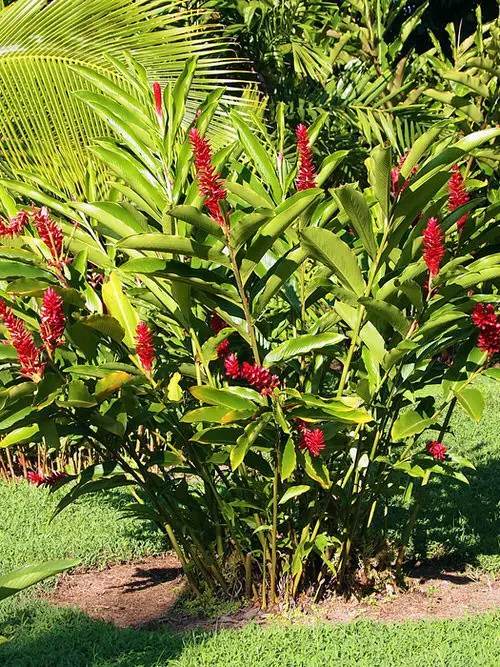
    11. Red Ginger

Rhizomes and stalks of this plant have a strong spicy scent. But what it’s famous for is the bright red or pink bracts that look stunning.

Growing Tips

  • The national flower of Samoa prefers warm and moist soil to thrive.
  • Grow it under diffused light, avoiding full sun.

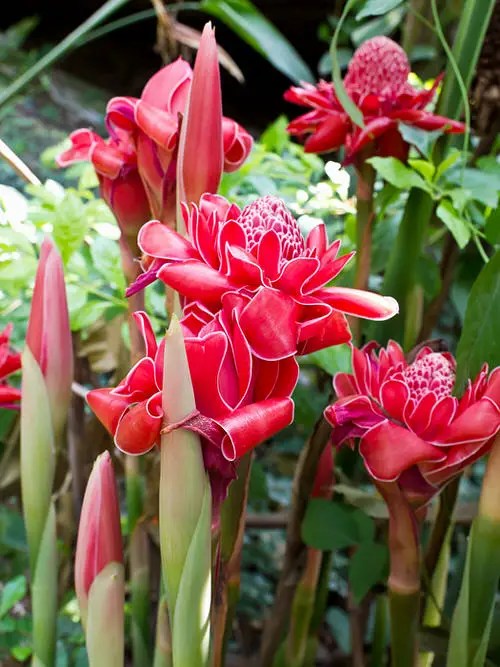
12. Torch Ginger

Botanical Name: Etlingera elatior

Other Names: Wild ginger, Combrang, Bunga Kantan, Philippine Waxflower, and Red Ginger Lily, Indonesian Tall Ginger, Boca De Dragón, Rose De Porcelaine

This tropical plant looks glorious with its big and vibrant flowers that appear in red, pink, or orange colors.

The whole plant is edible, and fruits, seed pods, seeds, and flowers stems are eaten in many countries. Flower buds taste piquant and are used in traditional Indonesian and Thai dishes.

Growing Tips

  • You can also grow it in a large pot.
  • Protect it from intense afternoon sunlight.

13. Mango Ginger

Botanical Name: Curcuma amada

Other Names: Mavina Shunti

Mango ginger is something between turmeric and ginger. The ginger-like rhizomes have a fragrant, spicy taste like common ginger with a hint of raw mango.

It is primarily used in Indian cooking in preparing pickles, chutneys, and soups.

Growing it is similar to common ginger.

In cold climates, you can grow it in warmer months.

14. Kahili Ginger

Botanical Name: Hedychium gardnerianum

Other Name: Fragrant Ginger Lily, Kahila Garland-Lily

This plant is native to Himalayan regions and grown primarily for ornamental purpose. Large dramatic foliage and showy, fragrant flowers make it a truly exotic tropical plant.

Growing Tips

  • It can be up to 8 feet tall. In containers, it doesn’t exceed above 3-4 feet.
  • You can grow it indoors, as well.

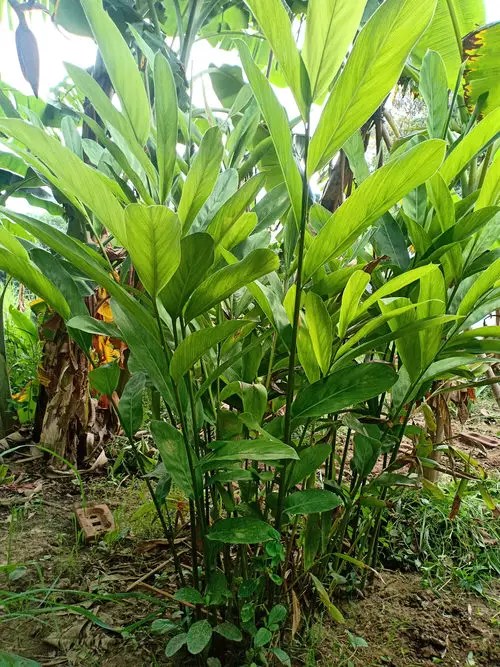
15. Thai Ginger

Botanical Name: Alpinia galanga

Other Names: Thai Ginseng Ginger, Krachai Dum Ginger, Lengkuas, Blue Ginger, and Greater Galangal

Rhizomes of Thai ginger have a pungent aroma with a flavor of pine needles and black pepper. Its rhizomes, flowers, and shoots have extensive uses in Thai curry, chili paste, and pickles.

  • Unlike other types of ginger plants, galanga can tolerate more sun and grows best in partial sunlight.
  • Grow it in rich and moist soil.

16. Pineapple Ginger

Botanical Name: Tapeinochilos ananassae

Other Names: Indonesian Wax Ginger, Lipstick Ginger

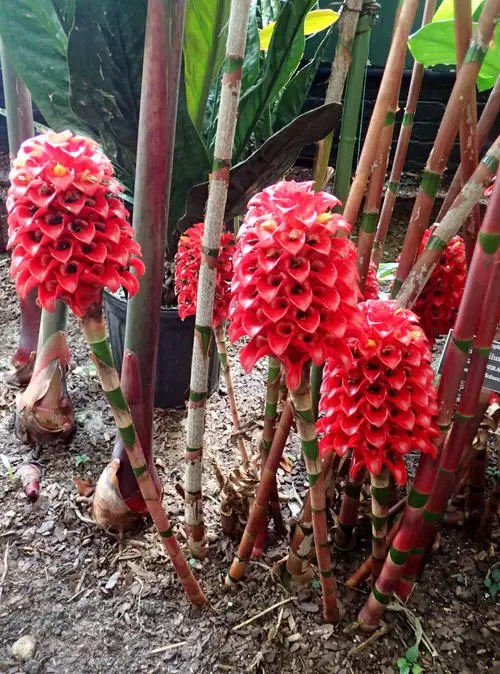
Pineapple ginger has inconspicuous orange-yellow flowers and deep red bracts that grow on long cone-shaped inflorescences that resemble pineapples.

It’s grown for ornamental purposes and used popularly in tropical cut flower arrangements.

Growing Tips

  • It grows well in filtered sunlight.
  • You can also place it indoors in a spot that receives several hours of morning sunlight.

Latest Update: 7th of July 2025. The website continues for the New and old Readers, Followers and Blogging Friends. Hope what I have written is useful that helps you to feel more Positive and Happier This is “The 279th Post” and with the “Introductory Page this will be all in Total up to date, 280 posts. On Top Right-Hand side, you are able to see: The word “Menu” when you click on it. You will see the word “Home” All the posts from “The Very Beginning comes ~ Under “Home”. Which is The Introductory Page about: Who I am & Why I am Writing!

The new Topics “On the Left-Hand side “Under the Recent Posts, with “The latest Topics adding up” Happy Reading ❤

The coloured Topics in Green, if you “Click” on them “Will take you to My other posts which you will be able to find more information”. I have another website with “My own little Poems and Pictures of some of My Hobbies” if you are interested on seeing, “What else I am doing” you can have a look at :https://deepanilamani.com/

As always, it is all free”. You can share and pass it on also for others who can benefit from this post. I hope All those who Read will be able to make the maximum use of all these facts and make, “Your Lives More Healthy and able to Lead Better lives in Happiness and Peace”. I wish it to be so as,” Peace which is our Ultimate Goal in Life ❤

This site has been doing good, and I am so Happy. I have been getting, 🎉 Congrats! I am My Path is getting noticed. Thanking the I net for the Picture Quotes I have shared from the I net ❤

Many Blessings for Good Health, Happiness and Prosperity! ❤

May God’s Blessings Be Upon You ❤

Deepa Nilamani 🙂

Flag Counter

March Birthstone ~ 2025!

Hello to, My Dear Readers Followers abd Blogging Friends ❤

Well, we have come to the third month also in 2025 and have you felt two months passing by? I thought of writing some details about the month of March. A person born under it surrounding yourself with it can help you experience additional advantages in multiple aspects of your life.

The birthstone color of March is aquamarine. Like other gemstones, the March birthstone color greatly complements the traits of those born in this month. The birthstone color of March is aquamarine. Like other gemstones, the March birthstone color greatly complements the traits of those born in this month.

March Birthstone Color and Meaning: Are you a March born? In today’s article, you will learn more about your birthstone and everything the March birthstone color means to you! According to ancient traditions, birthstones are a collection of gemstones representing a month and enhancing one’s personality. Every birthstone has unique traits and energies with a natural influence on the person born under it. That’s why surrounding yourself with it can help you experience additional advantages in multiple aspects of your life.

Aquamarine is a gorgeous gemstone derived from “aqua marina,” which means seawater. The color of seawater, namely the blue color, comes to one’s mind when you look into the gemstone of March. Like those born in March, the symbolism of aquamarine has been associated with the ocean since ancient(olden) times. The stone is a reflection of the calmness and serenity of the sea.

During Roman times, the march gemstone symbolizes healing and relaxation. Roman physicians (Doctors) used to soak aquamarine in water to aid treatment of overeating, bloating, and other stomach issues. The patient had to drink the water the march stone was soaked in March birthstone color is also connected to clear speech, higher intellect, and wisdom. In addition, seafarers (those who go in the sea) used to wear aquamarine for protection and safe voyages. According to legends, mermaids wear these blue stones as adornments hence the reason why it’s associated with good luck.

The most admired color of aquamarine is mostly the colour of the sea, and the symbolic meaning of this color is faithfulness and heavenly grace. Because the birthstone march shares colors with the sky and water, this gemstone embodies (long) eternal life. These March birthstones have been valued throughout history not just for their appearance but also for their associations with protection, healing, tranquility, and vitality. Sailors favored aquamarine as a talisman at sea.

The march stone harmonizes the wearer’s energies and is also connected to the throat chakra. Whether you are an Aries or a Pisces, all people born in March can wear the aquamarine stone to complement their zodiac sign.

If you are in a hot-tempered situation, keeping aquamarine gemstone close can keep you relaxed and calm.  You can also wear this stone during dates to spark feelings of love and help you understand your emotions better and you can wear your special birthstone for casual outings to improve your overall happiness and create a balance in your life. 

Today, we cherish not only for their unique beauty but also for their connection to vitality and courage. according to the International Gem Society, Healers still use them in practices aimed at purifying the body and boosting energy—qualities that make us appreciate our strength just a little more. Aquamarine is known as the “Stone of the Sea,” with its pale blue color reminiscent of the ocean. Its connections to March make it a popular choice for birthstone jewelry.

The Stone of the Sea

We call aquamarine the Stone of the Sea, and for good reason. Its sparkling blue and green hues (colours) whisk us away to thoughts of clear ocean waters under a summer sky. Sailors once believed this captivating gem offered protection on their voyages, creating an enduring link between aquamarine and the sea’s boundless mysteries. Aquamarine, the March birthstone, is often associated with tranquility due to its calming blue color. In ancient lore, it was believed that this gemstone’s connection to water could help sailors safely navigate through stormy seas.

Every shade of this beautiful stone tells its tale. From light blues that dance like daylight on the water to deeper tones reminiscent of the deep sea. Jewelers often seek out these gems for their versatility, crafting them into everything from sophisticated emerald-cut rings to simple pendants that capture the casual elegance of beachside living.

March Birthstones aquamarines hold significant value due to their rarity and unique properties. Aquamarine is a sought-after gemstone that is often found around the world, making it relatively rare.

It’s beautiful blue hue and connection to the sea contribute to its high value among fine gem enthusiasts.

Aquamarine is considered semi-precious gems, but their scarcity and individual characteristics make them valuable Aquamarine birthstones associated with March, are believed to embody the spirit of tranquility and vitality. Aquamarine’s serene blue color is reminiscent of calm waters, evoking a sense of peace and serenity in its wearers.

This gemstone is also thought to promote a clear mind and enhance communication skills, reflecting its association with tranquility. March is a time of renewal and change, just like the refreshing and revitalizing properties attributed to aquamarine. The stone’s cool blue hues also symbolize clarity and purity—qualities that align with the promise of new beginnings with the arrival of spring. March is a time of renewal and change, just like the refreshing and revitalizing properties attributed to aquamarine. The stone’s cool blue hues also symbolize clarity and purity—qualities that align with the promise of new beginnings with the arrival of spring.

Conclusion

In conclusion, March birthstones offer a beautiful array of options for those born in this month. Aquamarine has special significance and symbolism to wearers. These stones not only bring beauty but also carry a sense of history and tradition with them. Exploring the world of birthstones is an exciting adventure that offers unique insights into one’s personality and style.

Well, I hope you have got a very good idea of the Birthstone in March. Done a quite a bit of references also and I also learnt new facts in the process Being “My Birthstone itself as My Birthday is coming very soon which I will post on that day 🙂

Latest Update: 1st of March 2025. The website continues for the New and old Readers, Followers and Blogging Friends. Hope what I have written is useful that helps you to feel more Positive and Happier This is “The 268th Post” and with the “Introductory Page this will be all in Total up to date, 269 posts. On Top Right-Hand side, you are able to see: The word “Menu” when you click on it. You will see the word “Home” All the posts from “The Very Beginning comes ~ Under “Home”. Which is The Introductory Page about: Who I am & Why I am Writing!

The new Topics “On the Left-Hand side “Under the Recent Posts, with “The latest Topics adding up” Happy Reading ❤

The coloured Topics in Green, if you “Click” on them “Will take you to My other posts which you will be able to find more information”. I have another website with “My own little Poems and Pictures of some of My Hobbies” if you are interested on seeing, “What else I am doing” 🙂 you can have a look at :https://deepanilamani.com/

As always, it is all free”. You can share and pass it on also for others who can benefit from this post. I hope All those who Read will be able to make the maximum use of all these facts and make, “Your Lives More Healthy and able to Lead Better lives in Happiness and Peace”. I wish it to be so as,” Peace which is our Ultimate Goal in Life ❤

This site has been doing good, and I am so Happy. I have been getting, 🎉 Congrats! I am My Path is getting noticed. By 370 many other websites Thanking the I net for the Picture Quotes I have shared 🙂

Many Blessings for Good Health, Happiness and Prosperity! ❤

May God’s Blessings Be Upon You ❤

Deepa Nilamani 🙂

Flag Counter