Hello to My Dear Readers Followers and Blogging Friends ❤
Hope all of you keeping well and looking forward to year 2025. I am amazed at how 2024 has flown by. Well, I started as a Writer and an Author and an Independent Publisher. After I have been writing on “My Blog for about 10 years I have become an “Author, A writer and an “Independent Publisher”
To gain more knowledge, I did some courses through Monash University, on “Personal development and Natural Health and Healing”. And also studied “A Diploma Course on Theory and Practice of Counseling and Psychotherapy” under Health Academy Australia.
And then finally done my Thesis and Earned A Doctorate to be A fully Qualified Professional Psychologist in Counselling and Psychotherapy. Deepa Nilamani has been awarded The (Master of All Sciences) M.Sc. Master of Science: an advanceduniversitydegree in science and Ph.D. Doctor of Philosophy as the most Distinguished Professional Psychologist in the field of Counselling and Psychotherapy, I Have Qualified!
Somehow, I have been very keen and interested on Ayurveda as I was aware of so many Medicinal plants and trees around my grandfather’s estate when He used to go for early walks when I was there during my school holidays as the eldest of the grandchildren. And in the house where some special medicines were made at home by a special person to give free when he went to the clinic Ayurveda ~1!Ayurveda ~ 2!Ayurveda ~ 3!
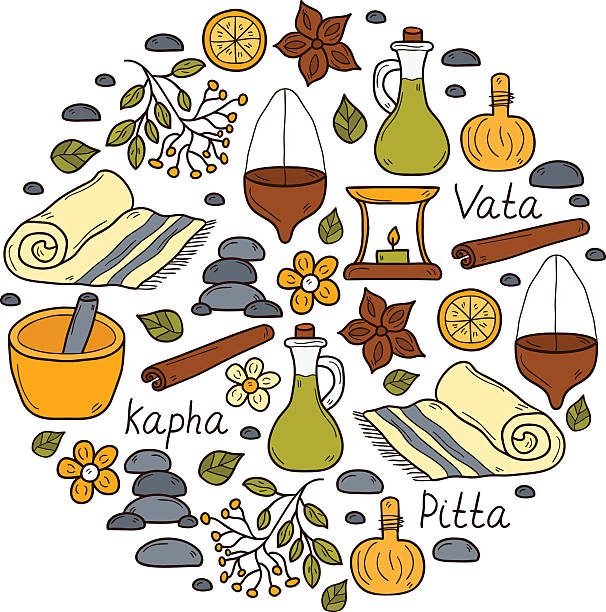
Round ayurveda background in hand drawn style: herbs, stones, oil, spices, aromatherapy, towel. Ayur-Veda healthcare and treatment.
Also, I was interested in Botany and got top marks for Botany in my Advanced Level as a subject at that time I did not pursue any further. Ayurveda is Natural and has almost no unnecessary aftereffects, I took like “Duck to water”. And now through some of Their Assets have been released to follow their footsteps in “Pure Service”” in the field of Good Health and Healing in “Mind and Body” it is going Hand in Hand towards Good Health and Healing 🙂
Latest Update: 17th January 2025. The website continues for the New and old Readers and Followers. Hope what I have written is useful that helps you to feel more Positive and Happier This is “The 263 Post” and with the “Introductory Page this will be all in Total up to date, 264 posts. On Top Right-Hand side, you are able to see: The word “Menu” when you click on it. You will see the word “Home” All the posts from “The Very Beginning comes ~ Under “Home”. Which is The Introductory Page about: Who I am & Why I am Writing!
The new Topics “On the Left-Hand side “Under the Recent Posts, with “The latest Topics adding up” Happy Reading ❤
The coloured Topics in Green, if you “Click” on them “Will take you to My other posts which you will be able to find more information”. I have another website with “My own little Poems and Pictures of some of My Hobbies” if you are interested on seeing, “What else I am doing” 🙂 you can have a look at :https://deepanilamani.com/
As always, it is all free”. You can share and pass it on also for others who can benefit from this post. I hope All those who Read will be able to make the maximum use of all these facts and make, “Your Lives More Healthy and able to Lead Better lives in Happiness and Peace”. I wish it to be so as,” Peace which is our Ultimate Goal in Life ❤
This site has been doing good, and I am so Happy. I have been getting, 🎉 Congrats! I am My Path is getting noticed. By 370 many other websites Thanking the I net for the Picture Quotes I have shared 🙂
Many Blessings for Good Health, Happiness and Prosperity! ❤
Hello To, My Readers Followers and Blogging Friends ❤
Hope you are all keeping well. Now that I have been able to carry on my Childhood Wish with my grandfathers and Great grandfathers assets coming down the generation I though it is only proper to write an article about Ayurveda from what I studied and know: I hope you enjoyed reading the first post. This is something lot of people will like especially Ladies about their complexion. There is so many Topics Under Ayur-Veda that I can write about, I have written two and now will write another about some common day to day, what is being done 🙂
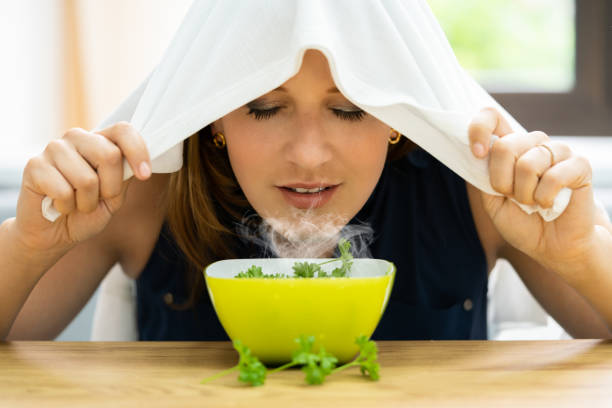
I am going to write about the day-to-day common things that happen to people. This is the common cold, cough and fever. Packed with some of the most incredible health benefits, coriander is a must-have in your diet. Steam inhalation is a common home remedy used to relieve congestion and respiratory symptoms associated with colds, flu, or sinus issues. The practice involves breathing in warm, moist air to help soothe the airways and loosen mucus. Steam inhalation is generally considered safe for most people.
Alternative Medicine Aromatherapy Inhalation.
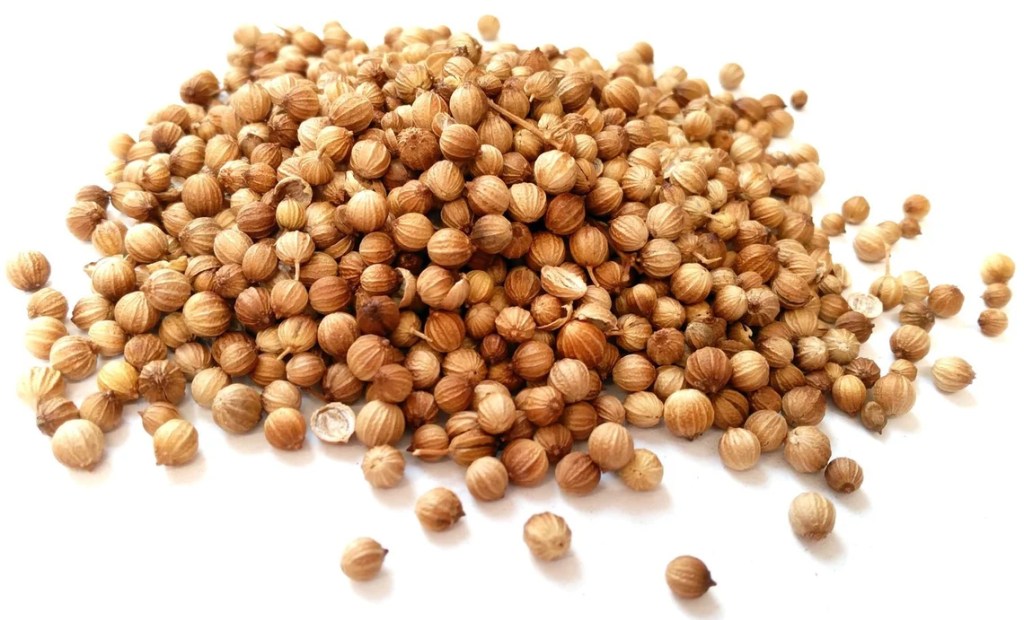
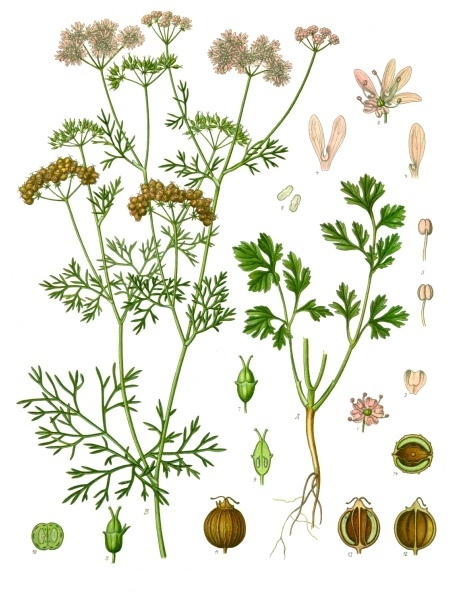
Coriander also known as cilantro is an annualherb. All parts of the plant are edible, but the fresh leaves and the dried seeds are the parts most traditionally used in cooking. Most people perceive coriander as having a tart, lemon or lime taste. Easy ways to incorporate coriander seeds into your daily routine.
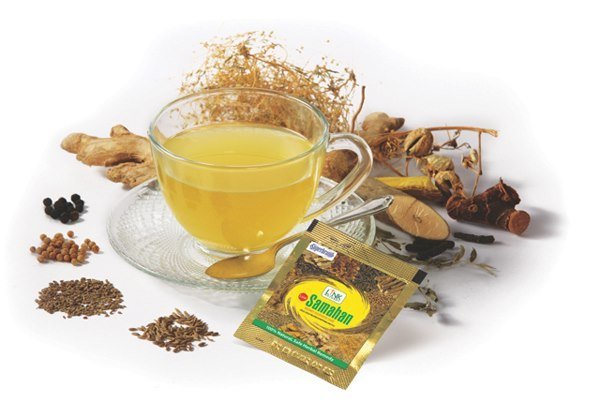
Hot tea (traditional preparation) Paspaguwa:, has five ingredients, namely ginger Pathpadagam Katuwalbatu Weniwelgeta and coriander.
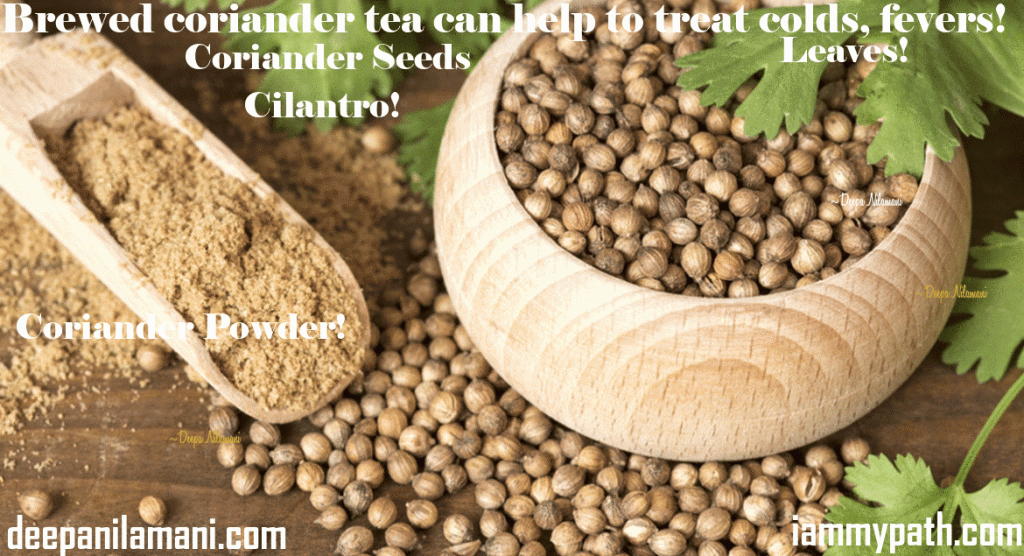
Brewed coriander tea can help treat colds, fevers, nausea, diarrhea, menstrual cramps.
Toast 1 cup of coriander seeds, just warm them without water a bit they smell nice and also tastier
Boil the seeds in 3 cups of water for 15 to 20 minutes.
Strain the liquid only, and drink.
You can also add ginger, paspanguwa, venivel and peppercorns to give your drink an extra boost. You can drink the tea with a small piece of jaggery
The “Paspanguwa” formulation has five ingredients, namely ginger Pathpadagam Katuwalbatu Weniwelgeta and coriander.
The Sri Lankan traditional medicinal system reaches back over 3000 years. The traditional medicines of Sri Lanka have gained an impressive level of acceptance, this is due mainly to cultural, folklore, habitual use. One well respected traditional formula, the ‘paspanguwa’ herbal formulation has found its way to modern times, due to its repositioning with a modern outlook in the current consumer market., but this void has not posed any threat to its position as a herbal beverage, which imparts health and wellness aspects in general. The ‘paspanguwa’ formulation consists of five ingredients, namely Ginger Pathpadagam’ ‘Katuwalbatu’ Veniwalgata’ and Coriander In some instances, other herbs such as ‘Thippili’ Black pepper and Pawatta Nevertheless, for potential acceptance of the herbal formula its standing as an effective medicine even for minor ailments such as the common cold cough and fever,
The Sri Lankan traditional medicinal system reaches back over 3000 years. The traditional medicines of Sri Lanka have gained an impressive level. This is due mainly to cultural, folklore, habitual use, and ethological reasoning. One well respected traditional formula, the ‘paspanguwa’ herbal formula it has found its way to modern times, due to its repositioning with a modern outlook in the current consumer market. investigations on its effectiveness against disease conditions are scarce, but this void has not posed any threat to its position as an herbal beverage, which imparts health and wellness aspects in general. The ‘paspanguwa’ formulation consists of five ingredients, namely Ginger Pathpadagam’ (Hedyotis corymbosa), ‘Katuwalbatu’ (Solanum xanthocarpum), ‘Veniwalgata’ and Coriander (Coriandrum sativum). In some instances, other herbs such as ‘Thippili’ (Piper longum), Thai Black pepper and Pawatta may also be used. to substantiate its standing as an effective medicine even for minor ailments such as the common cold. Ayurveda; Coriander; Paspanguwa; Sri Lanka.
Out of Ayurvedic medicinal plants, coriander and ginger play a significant role in Sri Lankans’ day-to-day life. So, the combined effect of coriander and ginger extract has better antibacterial and antiviral activity. …
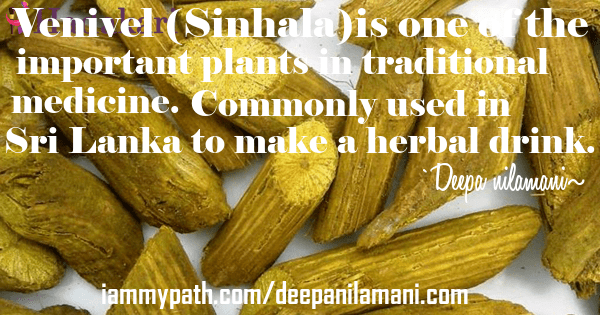
known as Venivel (Sinhala) Atturam /Kadari (Tamil), Calumba Wood/Tree Turmeric (English) is one of the most important plants used in traditional medicine. It has become very important in recent years due to its rarity and the growing demand in the medicinal plant sector. This critically endangered plant is a large woody creeper indigenous to the Indo-Malayan region. It is found in Sri Lanka, India, Malaysia, Vietnam, Myanmar, Singapore and Thailand. Venivel is found in abundance in the forest fringes and disturbed forests in the low country wet zone of Sri Lanka. Coscinium fenestratum has a long history as a medicinal plant in the various traditional medicines of the region where it grows. This includes Ayurveda, Unani and Siddha medicine in India, Sinhala medicine in Sri Lanka.
Dried root and stem are the important parts of this medicinal plant. Propagation of the Venivel plant is primarily through seeds. The plant takes around 15 years to mature and flower. Its critically endangered status is due the overexploitation of the plant for the supply of raw drug market and its relatively slow growth rate which results in depletion of the spices in the wild. The stem of the Venivel is cut into pieces and stored in bottles for future use. It is commonly used in Sri Lanka to make a herbal drink.
Katuwalbatu’ (Solanum xanthocarpum), ‘Veniwalgata’ (CosciniumFenestratum) and Coriander (Coriandrum sativum). In some instances, other herbs such as ‘Thippili’ Black pepper and Pawatta commercially available ‘paspanguwa’ package, and the ingredients used. The resulting herbal tea from this decoction is bitter in taste, thus, it is often taken together with sugar or juggery. one form of them‘paspanguwa’ herbal formula However, it should be noted that the major constituents in these herbsin this herbal formula have been systematically studied for their efficacy against a variety of ailments. Overall, the purpose of assess the ‘paspanguwa’ herbal formula and its constituents and| As previously mentioned, there are five ‘major’ constituents in the ‘paspanguwa’ formula, followed by minor ones which are incorporated primarily to boost the strength and effectiveness of the major components. The ‘major’ herbs are those, which are considered to contain the highest ability to prevent ailments such as coughs, colds, fever, and body aches. The rest do not necessarily target these diseases; however, as per traditional medicinal records, they are able to prevent these ailments when used in combination with another ‘major’ herb.
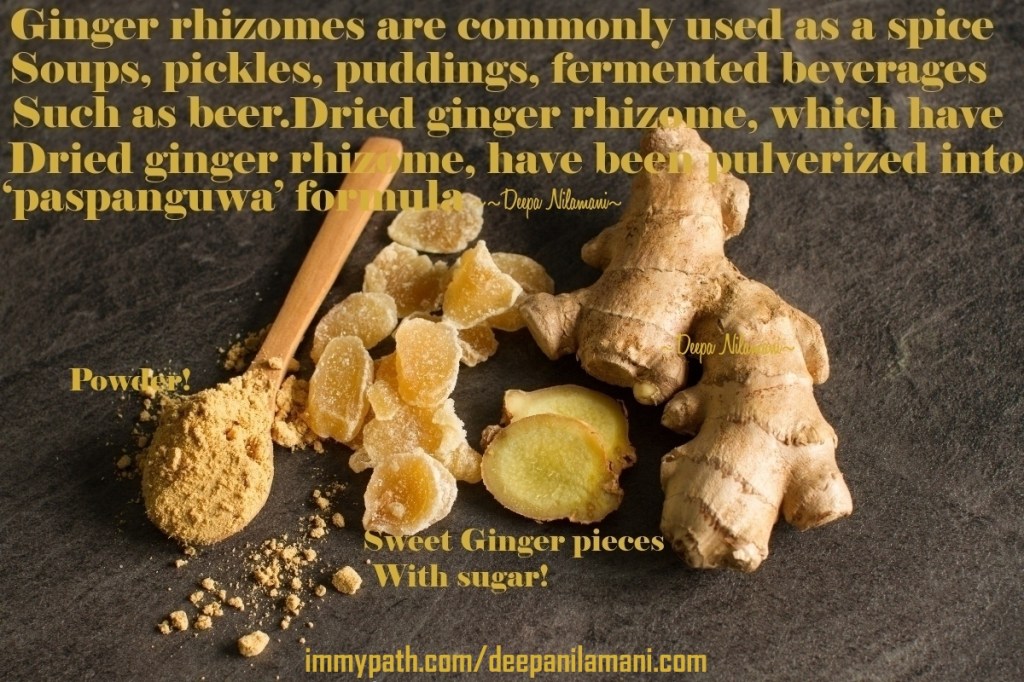
Ginger (Zingiber officinale) Ginger rhizomes are commonly used as a spice for preparing baked products, soups, pickles, puddings, and fermented beverages such as beer. In addition, it is used to obtain essential oil and oleoresin, which are internationally commercialized for use in the food and pharmaceutical industries In traditional medicinal the dried ginger rhizomes are widely used as a home remedy to act against diseases such as vomiting, nausea and morning sickness during pregnancy, and also are used in the treatment In Ayurveda, ginger is also mentioned as an appetizer and could be used as an ointment for pains and for the treatment of digestive disorders and arthritis Due to the versatility of ginger and its usage in many ailments, it is known as a universal treatment Dried ginger rhizome, which have been pulverized into powder is one of the five major ingredients of the ‘paspanguwa’ formula.
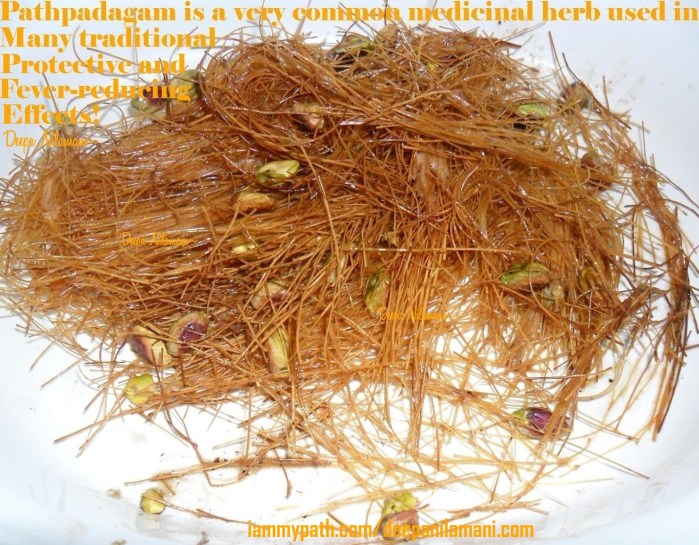
Pathpadagam (Hedyotis corymbosa) This is a very common medicinal herb used in traditional as well as modern medicinal systems throughout the world. A decoction of the aerial part of this plant is used in the treatment of diseases such as a cough, bronchitis, giddines Additionally, the herb is also known to possess anti-inflammatory, antioxidant, protective and fever-reducing effects The leaves of the plant are known to possess glucosides in the form of The leaves and stems of this herb are incorporated into the ‘paspanguwa’ recipe as one of the five major ingredients.
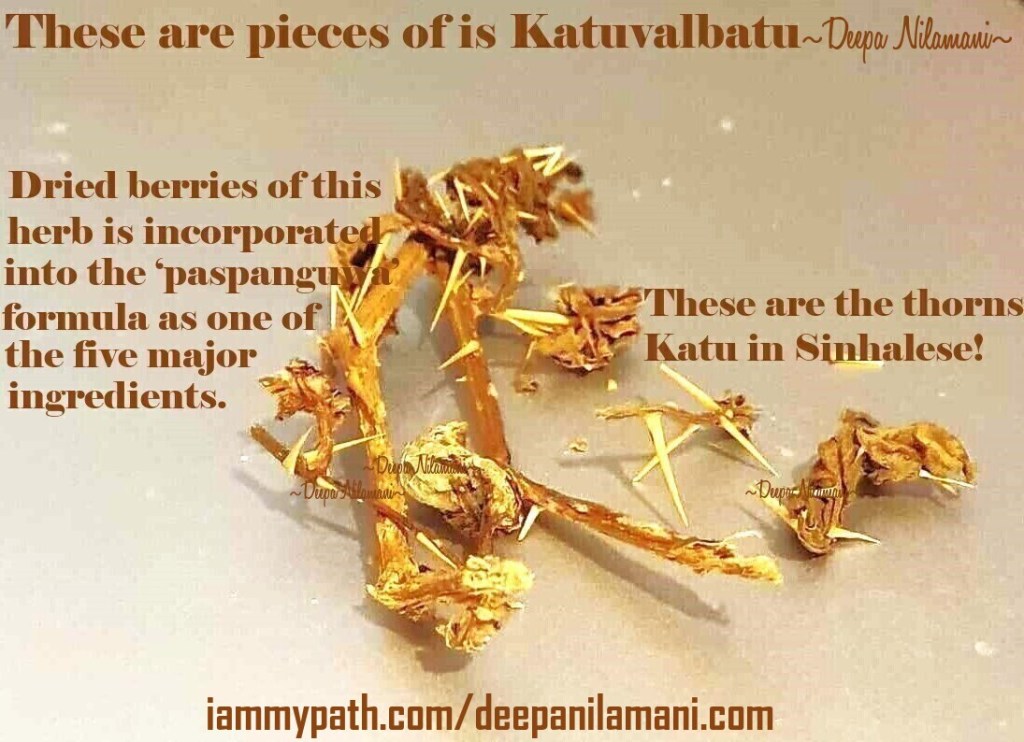
Katuwalbatu (Solanum xanthocarpum) This herb is commonly used in the traditional medicinal system in Sri Lanka for a variety of ailments. It is known to contain a high number of alkaloids and flavonoids It is known for its anti-asthmatic, protective, anti-inflammation, and properties and it is used for the treatment of fever, asthma, bronchitis, urinary disease, and reduce and physical pain. Dried berries of this herb is incorporated into the ‘paspanguwa’ formula as one of the five major ingredients.
Veniwalgata This is a flowering woody climber with a high amount of Berberine is one of the major bioactive compounds found in the stem which is known to possess a wide range of pharmacological activities. and antibacterial agent In the traditional ‘paspanguwa’ the dried stem of this plant is used as one of the five major ingredients.
Coriander (/ˌkɒriˈændər, ˈkɒriændər/;[1]Coriandrum sativum), also known as cilantro (/sɪˈlæntroʊ, -ˈlɑːn-/)[1]: 90 , is an annualherb in the family Apiaceae. All parts of the plant are edible, but the fresh leaves and the dried seeds are the parts most traditionally used in cooking.
Most people perceive coriander as having a tart, lemon/lime taste, but some individuals perceive the leaves to have a soapy, pungent, or rotten taste. The perception of a soapy taste in certain aldehydes is linked to variations in the geneOR6A2.[2]
Coriander (Coriandrum sativum) Coriander is one of the most common herbs used in many traditional systems In traditional medicinal systems, coriander is given to reduce the pain of rheumatism by pounding the seeds and combining them with hot water to make a paste and applied topicallyon the affected area The seeds are used for health attributes such as improving diseases. have demonstrated that Coriander seed powder protects. Another study demonstrated that the extract made from Coriander seeds has been used the powder of dried Coriander seeds is typically added to the ‘paspanguwa’ herbal formula as one of the five major ingredients.
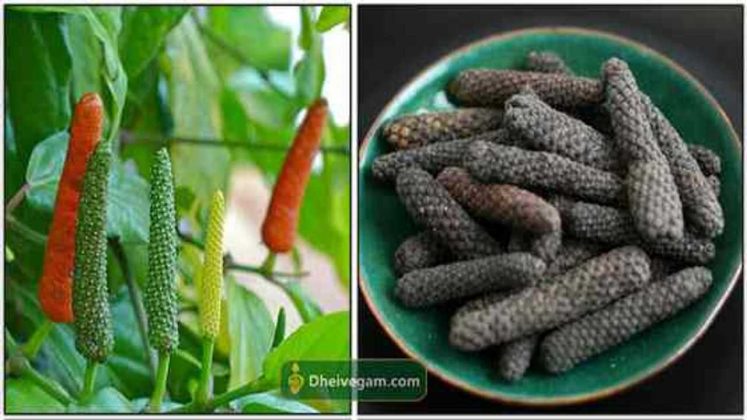
Thippili’ (Piper longum) P. longum is a medicinal herb commonly used in traditional medicine and has a distinct odor and a pungent bitter taste. It is known as a remedy against menstrual pain, chronic bronchitis, asthma, cough, arthritis in traditional Ayurvedic medicine, this is considered as a good rejuvenator, the dried fruit of P. longum is sometimes added to the ‘paspanguwa’ formulation and is not considered as one of the five major ingredients but rather a complementary agent.
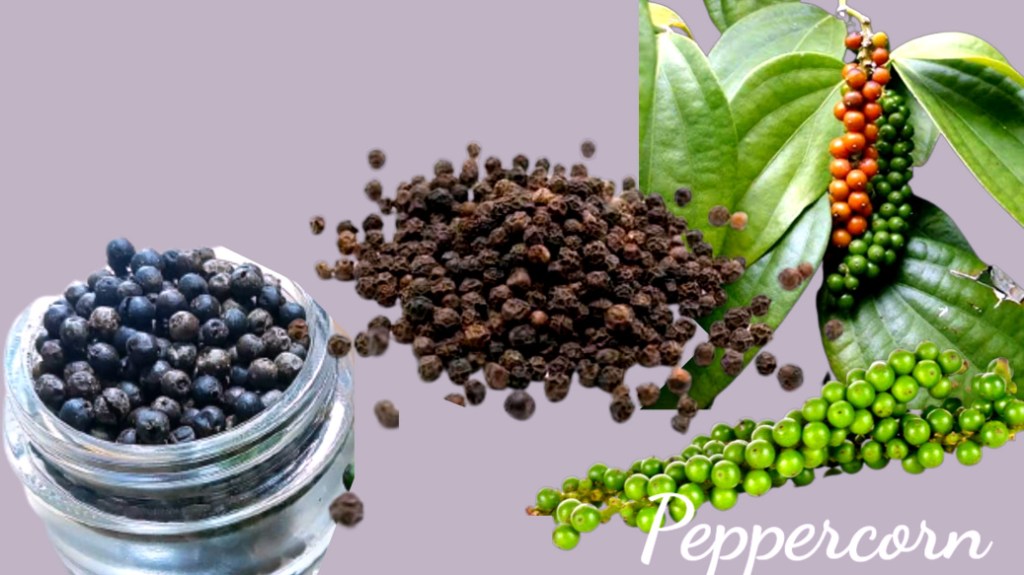
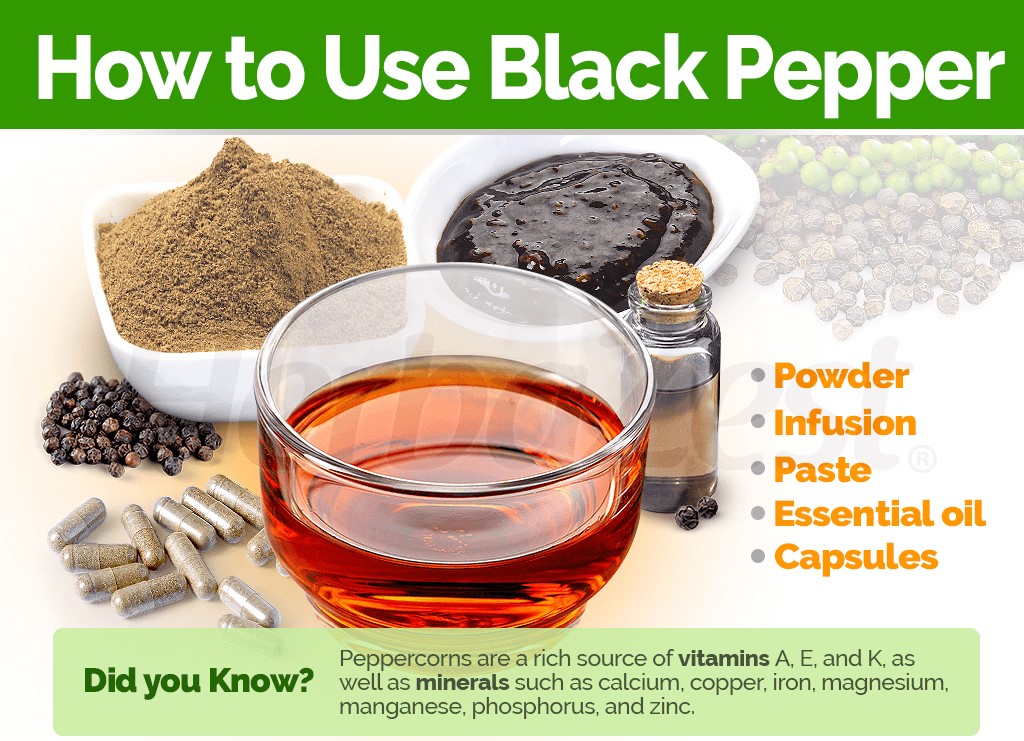
Black pepper (Piper nigrum) is a widely used spice, consisting of piperine as the main bioactive compound. Other biologically active compounds in the Sri Lankan traditional is used to treat chills, rheumatism, flu, muscular aches, colds, exhaustion and fevers as well as to increase circulation of blood, is also used as a boosting agent in the ‘paspanguwa’ herbal formula.
Samahan: Samahan is a concentrated, water soluble herbal preparation of selected medical herbs used over centuries in health care Samahan is a concentrated, water soluble herbal preparation of selected medical herbs used over centuries in health care. The activities of indivibined in such a manner to proved the best effect covering a range of activities where some act as synergists, and some as bio-enhancers and natural preservatives stabilizing the product. The preventive effect of Samahan is due to the effect of the combination of 14 herbs. Samahan is most effective for analgesic, antipyretic, expectorant, and anti-inflammatory thus accounting in immediate relief. Samahan provides a complete Health Shield if consumed daily. Samahan can be added with Tea, milk, Soup’s or plain old method of consuming if with hot water. Samahan provides a complete Health shield if consumed daily.
Detailed Description
Samahan contains an effective combination of 14 medicinal herbs and spices.
Strengthens the immune system. one sachet is drunk daily for longevity
Thanks to Ayurveda, the composition is designed so that the individual components of the spice work together synergistically and help each other increase their effects.
Samahan is not a medicine, it does not suppress the immune system or the symptoms of the disease. On the contrary, it helps the body fight intruders (bacilli, viruses …) and thus supports the immune system.
Samahan excels in its anti-inflammatory and analgesic effects.
It is effective in lowering the temperature, dissolves mucus and facilitates expectoration.
Helps with headaches, flu, colds, coughs, colds.
One a day is enough for prevention, two or more a day is against illness or fatigue.
Samahan is a great natural burner.
It contains cane sugar, so it is tasty. If you need, you can sweeten it with honey.
Package contents
Pour 100-250 ml of hot water into a mug (it must not be boiling, ideally less than 70 degrees). Pour one bag of Samahan into the water, mix and drink. You can also mix Samahan in another liquid, such as coffee, milk or a herbal drink.
If you have difficulty, you can also pour two bags into the cup, repeating this twice a day in case of difficulties.
Coriander or cilantro whole Plant Leaves Flowers Seeds and roots!
Coriander seed water
Cilantro is the Spanish word for coriander, also deriving from Coriandrum. It is the common term in for coriander leaves due to their extensive use in Mexican cuisine, but the seeds are referred to as coriander in American English.
To relieve pain and inflammation: Soak a tablespoon of coriander seeds in half a cup of hot water overnight. Drink this on an empty stomach in the morning, before tea, coffee or food.
To relieve irritation in the urinary tract infection: Soak 2 teaspoons of coriander seeds in a glass of water overnight and drink this with 1 teaspoon of fennel seeds, on an empty stomach.
Raw coriander leaves are 92% water, 4% carbohydrates, 2% protein, and less than and less than 1% fat. All parts of the plant are edible. Fresh leaves and dried seeds are the most commonly used in cooking. Coriander roots are an important element of Thai cooking. Coriander is used in cuisines throughout the world. Coriander is commonly found both as whole dried seeds and in ground form. Roasting or heating the seeds in a dry pan heightens the flavour, aroma, and pungency fat The nutritional profile of coriander seeds is different from that of fresh stems or leaves. In a 100-gram reference amount, leaves are particularly rich in vitamin A, vitamin C, and vitamin K, with moderate content of dietary minerals Although seeds generally have lower vitamin content, they do provide significant amounts of dietary fiber, calcium, selenium, iron, magnesium, and manganese.
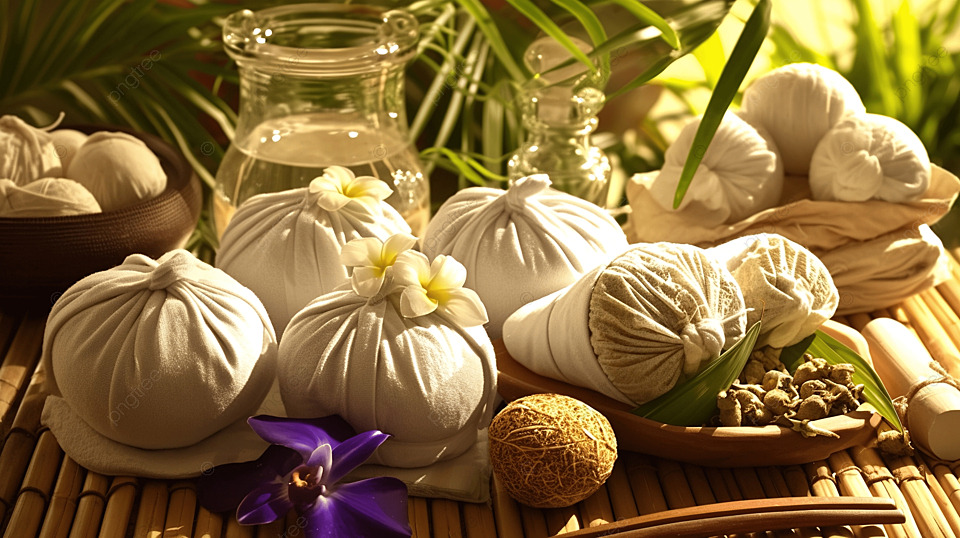
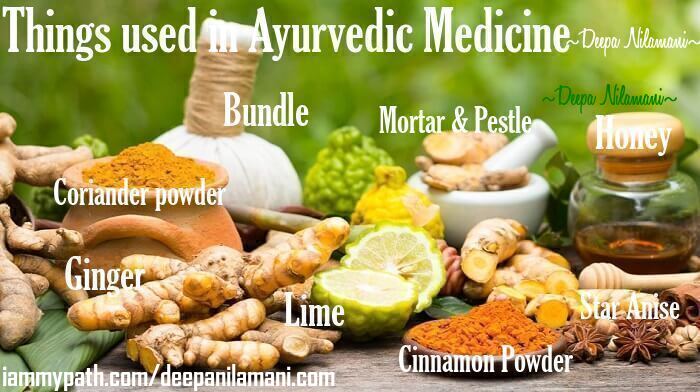
How to make a bundle moist cheese cloth or cotton gauze fabric and tie a knot in the bundle. to externally for cold or warm compress!
Poultice or warm compress Coriander seeds can be used externally as a poultice or compress to treat arthritis, joint pain, menstrual cramps and headaches
Warm 2-3 tablespoons of coriander seeds in 3 tablespoons of oil.
Crush the seeds with a mortar and pestle to make a paste
Scoop mixture into a warm, moist cheese cloth or cotton gauze fabric and tie a knot in the bundle.
Place on areas where pain relief is necessary.
Tips
Coriander is a member of the same plant family as caraway, dill weed, fennel If you are allergic to these types of spices, you may have some sensitivity or be allergic to coriander. Good-quality coriander seeds are yellow/brown and should release a pleasant, slightly peppery or spicy flavour when squeezed. Light green seeds are bitter in taste. Toasting coriander seeds brings out a richer flavor. Store seeds in a cool, dry, dark place, in airtight containers. This way, they stay well for many months.
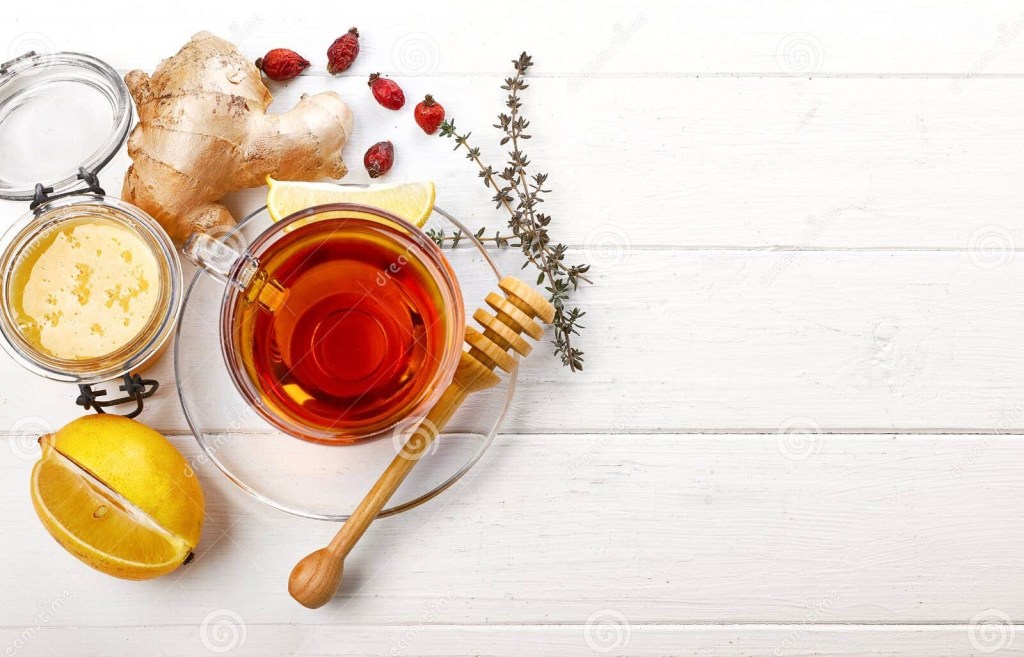
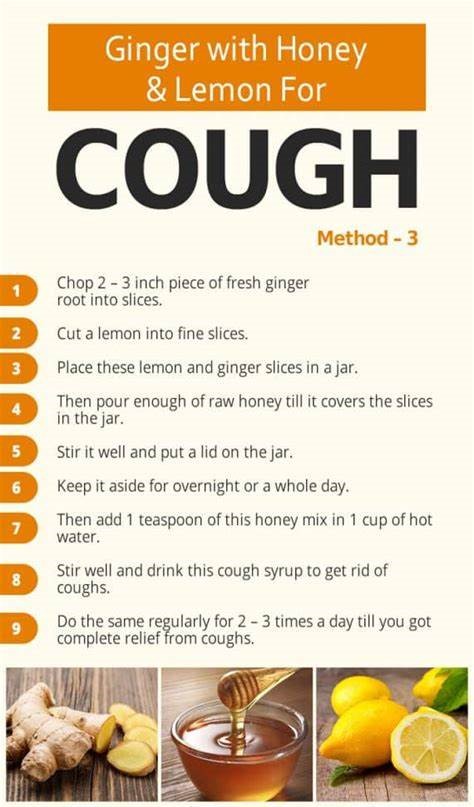
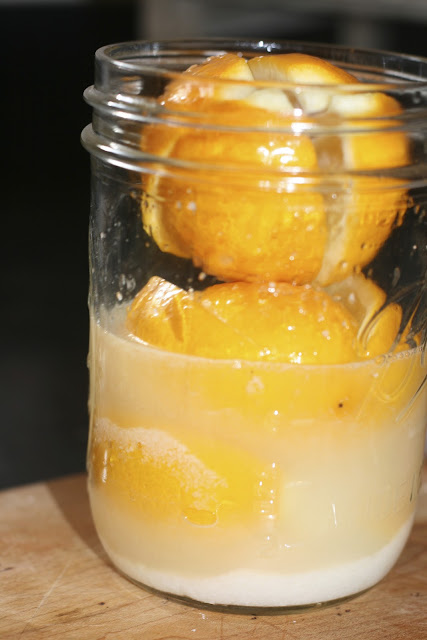
Put layers of sliced lemons and honey, until the jar is filled. Stir to make sure the lemons are covered.
I recommend slicing the lemons very thinly for best results. I sliced my lemons about ⅛-inch thick.
You can use another citrus for this recipe, too. Oranges and limes also work great.
Since you are eating the rind of the lemon, be sure to wash and scrub before slicing.
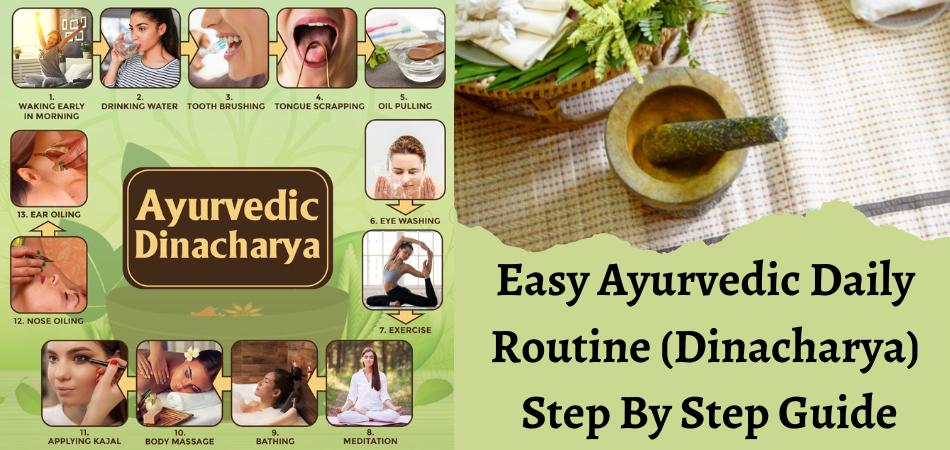
What is Dinacharya?
Dinacharya focuses on undertaking certain activities in order to balance the doshas that rise or drop according to the time of the day. By following the Dinacharya as mentioned in Ayurvedic medicine, you lead a more disciplined life and set your daily routine to align yourself with nature and remain disease-free and happy. Here is an insight into the concept of Dinacharya and how it can be used effectively to restore your body’s natural rhythm. Dina means ‘day’ and ‘acharya’ means ‘activity’. According to Ayurveda, it is a daily regime that includes self-care and helps you achieve alignment of self with nature and greater self-awareness. If you follow dinacharya, you can live in harmony with nature, get rid of diseases and stress, improve your bodily processes, experience internal peace, and thus lead a healthier and happier life 🙂
I hope what I have written, and the pictures has given You all a clear idea and knowledge of what Ayurveda is. And some of you would like to use or try what is aggregable according to what you like. I am very grateful to my grandfathers for his teaching and Knowledge given to me. As well as Asset. And for Good Health to carry on following their Dedication for “Pure Service 🙂
Latest Update: 14th October 2024. The website continues for the New Reader and Followers. Hope what I have written is useful that helps you to feel more Positive and Happier This is “The 248th Post” and with the “Introductory Page this will be all in Total up to date, 249th posts. On Top Right-Hand side, you are able to see: The word “Menu” when you click on it. You will see the word “Home” All the posts from “The Very Beginning comes ~ Under “Home”. Which is The Introductory Page about: Who I am & Why I am Writing!
As always, it is all free”. You can share and pass it on also for others who can benefit from this post. I hope All those who Read will be able to make the maximum use of all these facts and make, “Your Lives More Healthy and able to Lead Better lives in Happiness and Peace”. I wish it to be so as,” Peace which is our Ultimate Goal in Life ❤
The Topics in Green, if you “Click” on them “Will take you to My other different posts which you will be able to find more information and even Pronunciation”. I have another website with “My own little Poems and Pictures of some of My Hobbies” if you are interested on seeing, “What else I am doing” during my spare time you can have a look at: https://deepanilamani.com/
Thanking the I net for the pictures and image.com for the picture Quotes I have done ❤
Hello To, My Readers Followers and Blogging Friends ❤
Hope you are all keeping well. Now that I have been able to carry on my Childhood Wish with my grandfathers and Great grandfathers assets coming down the generation I though it is only proper to write and article about Ayurveda from what I studied and know:
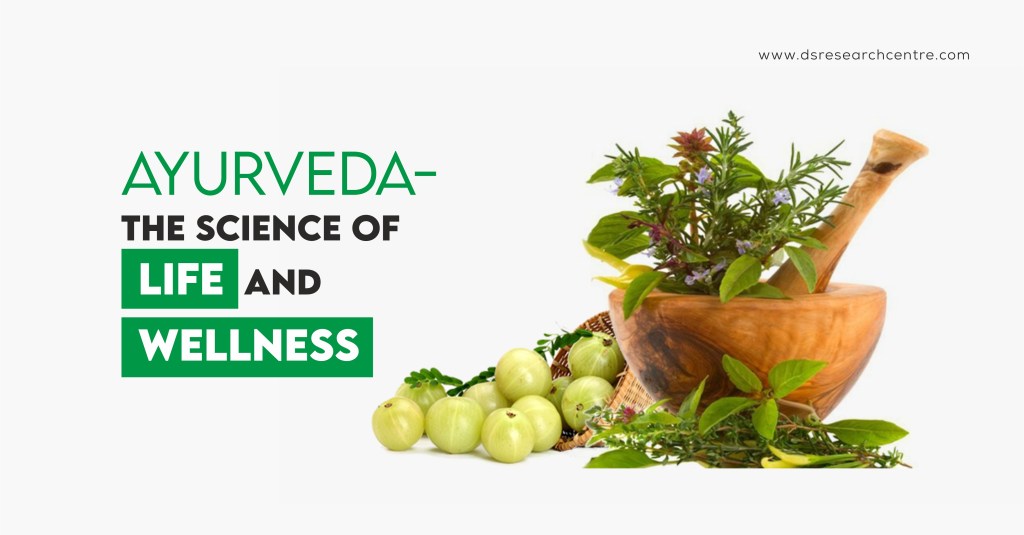
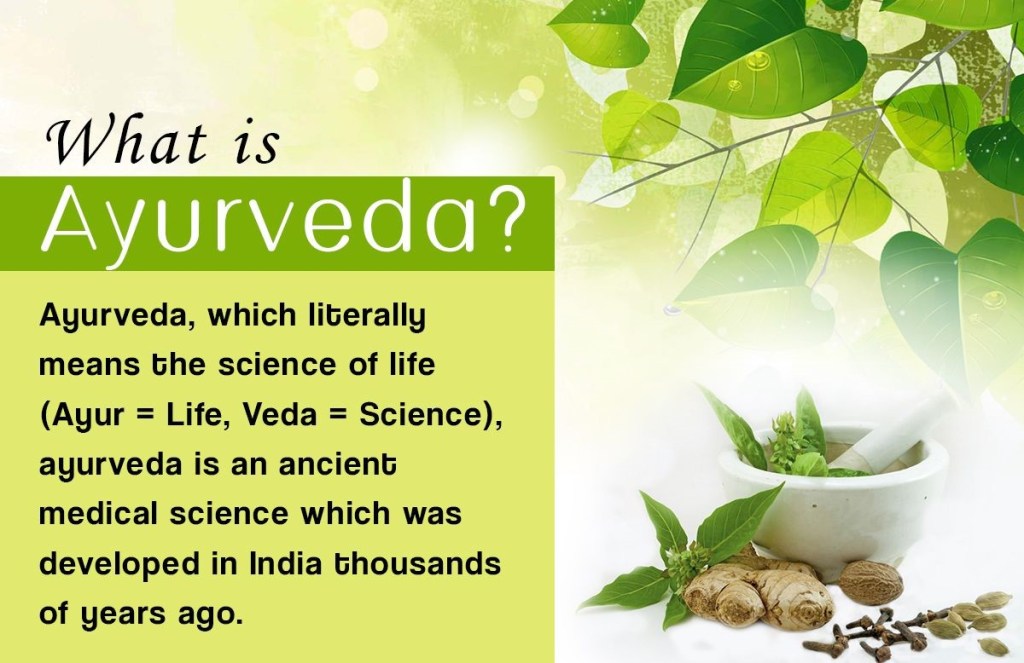
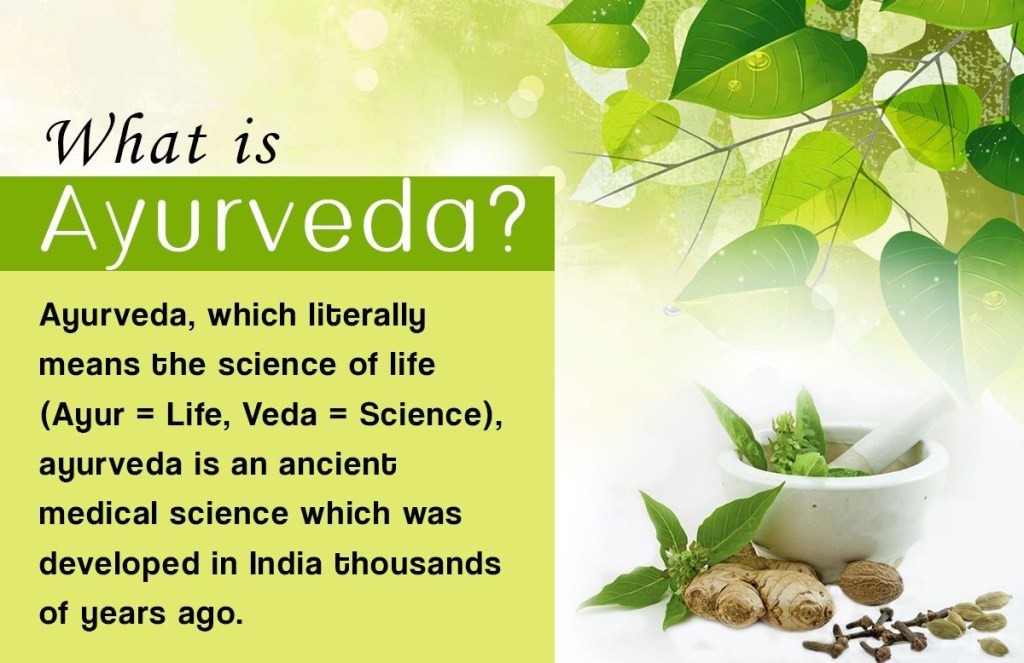
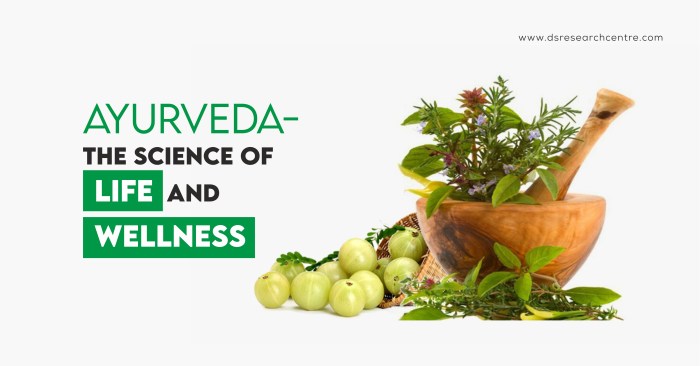
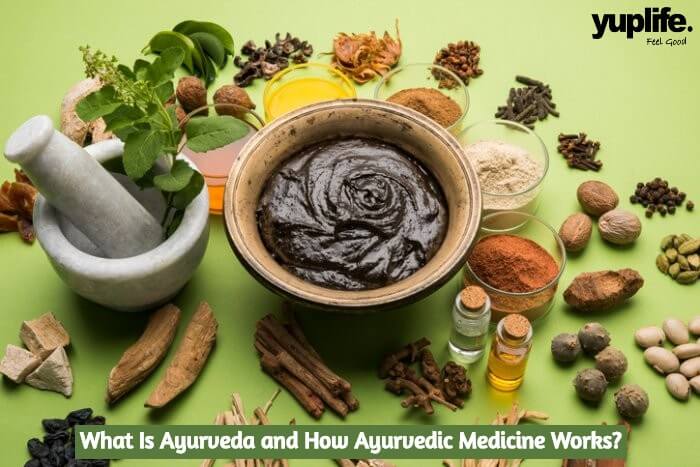
Ayurveda is an alternative medicine system with historical roots in the Indian subcontinent. It is practiced throughout Sri Lanka, where as much as 80% of the population report using ayurveda. Ayurveda therapies have varied and evolved over more than two millennia. Therapies include herbal medicines, special diets, meditation, yoga, and medical oils. Ayurvedic preparations are typically based on complex herbal compounds.
Ayurveda a system of medicine with historical roots in the Globalized and modernized practices derived from Ayurveda traditions are a type of Ayurvedic therapies and practices have been integrated in general wellness applications and in some cases in medical use. Ayurveda is a technique that is practiced for thousands of years. It takes a holistic and personalized strategy, nursing the whole person, and giving a different evaluation of every person. The aim of any therapy is to build a suitable mental and physical balance, compatible with health and well-being. Keep reading to know what Ayurveda is and how Ayurvedic medicine works.
.
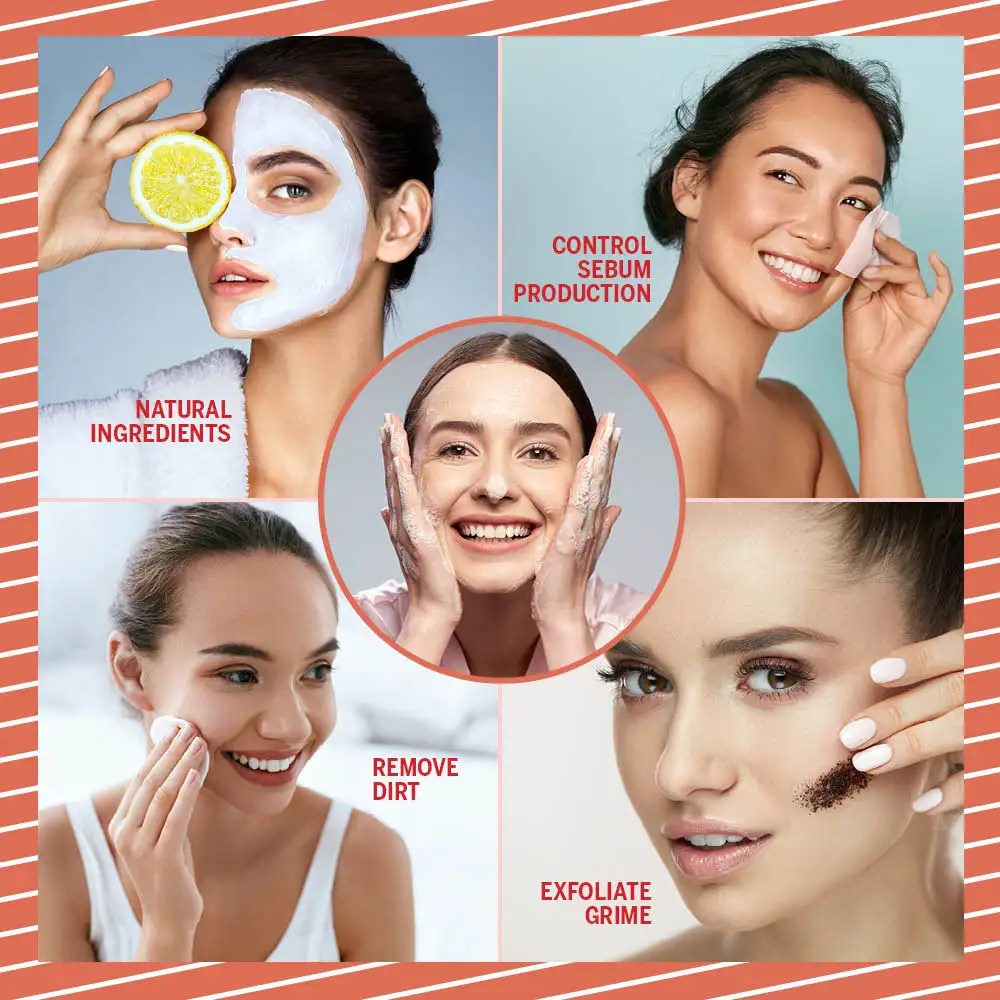
Oily skin needs extra care and when it comes to skincare, regular products don’t cut it. You need something that will specifically treat oily skin and do something that is much needed which is control excess sebum production. That being said, cleansing is the most important step towards controlling excess sebum and clearing the skin of oiliness. If the cleansers available in the market are not working out for you, you can try these Homemade Cleansers for Oily Skin. Read on!
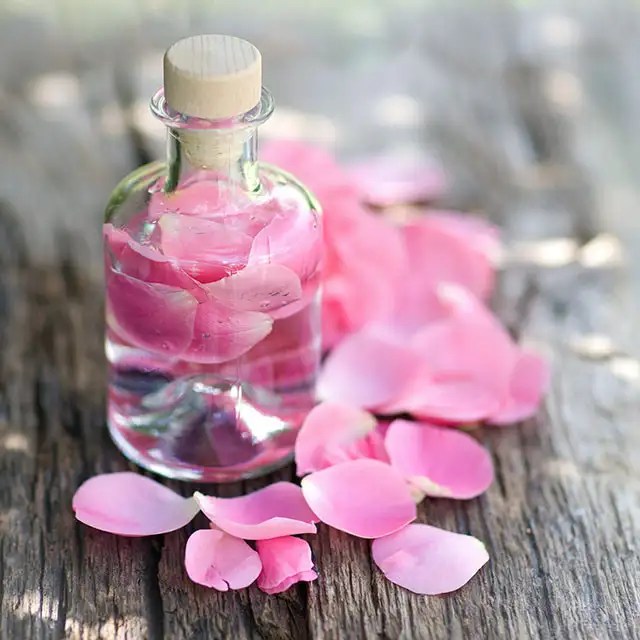
Rose Water Cleanser This kitchen ingredient is a highly effective cleanser as it thoroughly removes dirt, calms inflammation caused by acne, and exfoliates the skin. You will also notice your skin is free of excess sebum and feels fresh and revived. Tip:Wet your face with water. Take one teaspoon of baking soda and scrub it on your damp face in circular motions. Rinse off with cool water and use a moisturizer that suits your skin.
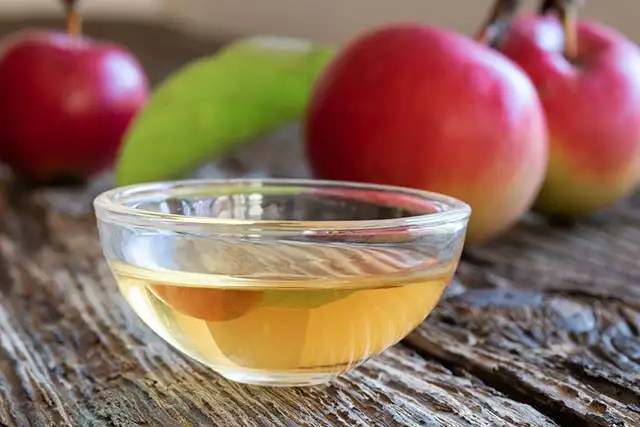
Apple Cider Vinegar Cleanser balances the skin’s natural pH and absorbs excess sebum produced so that your skin is clear and healthy. It is rich in malic acid which helps to gently exfoliate dead skin cellsand impurities from the skin’s surface.
Tip:Splash water on your face and then apply a mixture of 1 tablespoon ACV mixed with 3 tablespoons of water with the help of a cotton ball onto your skin. Let it sit for 3 minutes and then rinse it off with water.
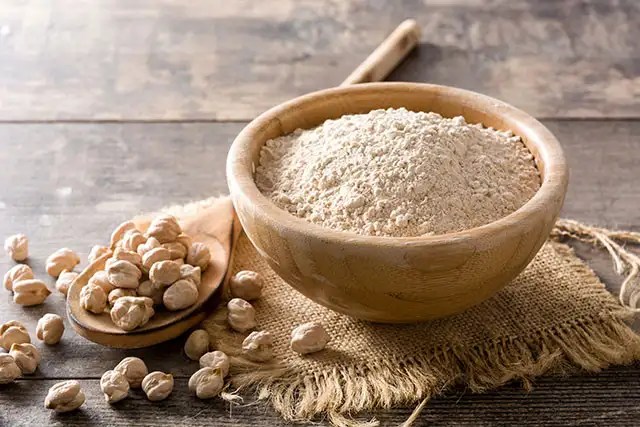
Gram Flour & Turmeric Cleanser
Gram flour is a great ingredient for oily skin as it helps exfoliate skin and absorbs excess oil. It also helps brighten the skin. And when combined with turmeric, you have an amazing everyday facial cleanser that is antibacterial, anti-inflammatory, and brightening thanks to its exfoliating properties.
Tip:Mix 1 tablespoon with ½ teaspoon baking soda and a pinch of turmeric. Dampen your face and scrub it with this mixture for a minute. Wash it off with water.
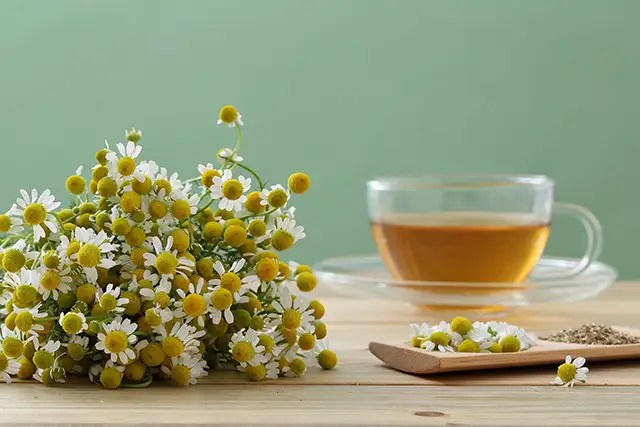
Chamomile Tea Cleanser Chamomile tea has brightening and oil-controlling properties that can benefit oily skin tremendously. It also helps reverse sun damage and has anti-inflammatory properties which will help in treating acne, therefore, making it an ideal pick for a homemade oily skin face cleanser.
Tip:Mix 1 cup of hot brewed chamomile tea with 1 cup of castile soap, a teaspoon of olive oil and 15 drops of tea tree oil. Transfer this mix to a bottle and use it to wash your face every day.
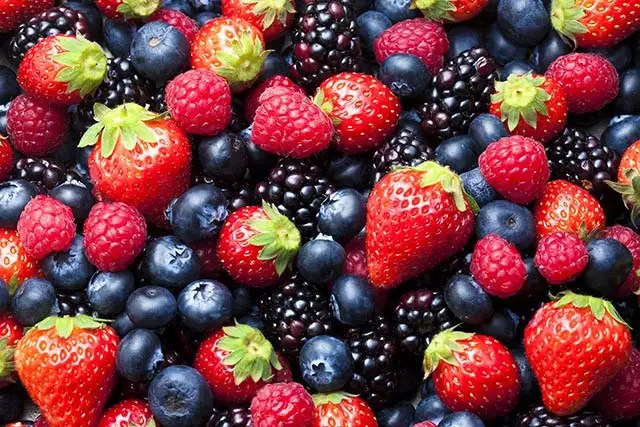
Berries to Treat Oily Skin Berries are loaded with antioxidants, vitamins and essential acids that are perfect to treat oily skin. Washing your skin with berries will help lightly exfoliate, brighten, reduce signs of ageing and treat acne all at the same time.
Tip:Mash up strawberries, blueberries or grapes and massage the pulp on your skin. Let the essential nutrients be absorbed by your skin for 2 to 3 minutes and then rinse it off with water.
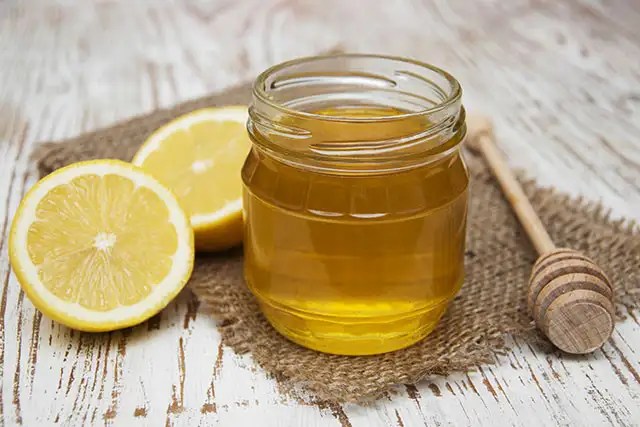
Lemon & Honey Cleanser Loaded with citric acid, lemon works as a great skin cleanser for oily skin. When combined with honey to create a face wash you have the ideal cleanser for oily skin as while lemon will help treat acne, cleanse and brighten skin, the honey will help moisturise it and maintain the right balance.
Tip:Mix 2 tablespoons honey with tablespoon lemon juice and coat your face with this mixture. Gently massage your skin with it and let it get absorbed for about 5 to 10 minutes. Rinse it off with water.
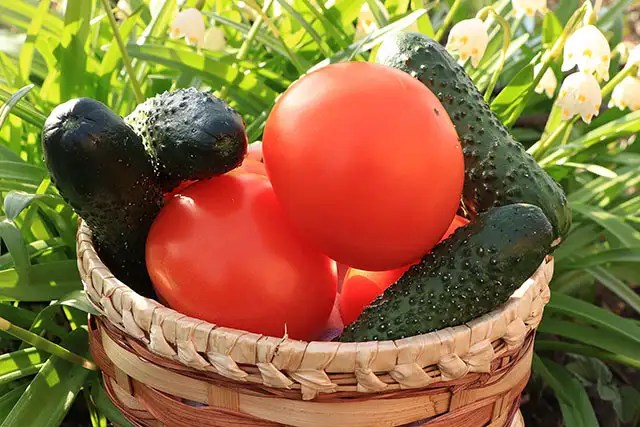
Cucumber & Tomato Cleanser Both these ingredients work wonders on your skin even when you use them separately so imagine the benefits you can get from them when combined. Tomatoes are the best natural cleansing agents to rid the skin of dirt and impurities while lightening the skin and removing suntan. Cucumber is very cooling, is a great skin toner and is highly effective in soothing inflammation.
Tip:Add half a cucumber and a small tomato to the blender and create a paste. Apply this paste to your face and let it work its magic for 10 minutes and then proceed to rinse it off with water.
The vast majority (90%) of ayurvedic remedies are plant-based treatments in ayurveda may be derived from roots, leaves, fruits, bark, or seeds; some examples of plant-based substances include cardamom and cinnamon. hundreds of plant-derived medicines. Triphala, an herbal formulation of three fruits, is one of the most commonly used Ayurvedic remedies. The herbs Ashwagandha and Tulsi are also routinely used in ayurveda.
Bentonite clay is the best ingredient for oily skin as it has high absorbing properties therefore meaning it can absorb excess oil from your skin and pull out all those nasty impurities. It also helps with acne as it will suck out the dirt and soothe the skin while at it.
Tip:Make a thick paste of 1 tablespoon of bentonite clay and little water. Apply it to your face and let it dry up. Once dried, proceed to wash it off with water.
Coffee Grinds Cleanser Coffee grinds are rich in antioxidants and are great for skin exfoliation. They also help improve the appearance of acne-prone skin, can brighten the skin, reduce sun damage and signs of ageing. Using a scrub made of coffee grinds will help control oil production and remove any deep-rooted impurities without disturbing your skin’s pH.
Tip:Mix 1 teaspoon coffee grinds with 1 teaspoon water and scrub it on your damp face. Let it sit for 10 minutes then scrub it again and wash it off with water. How often should you wash your face?
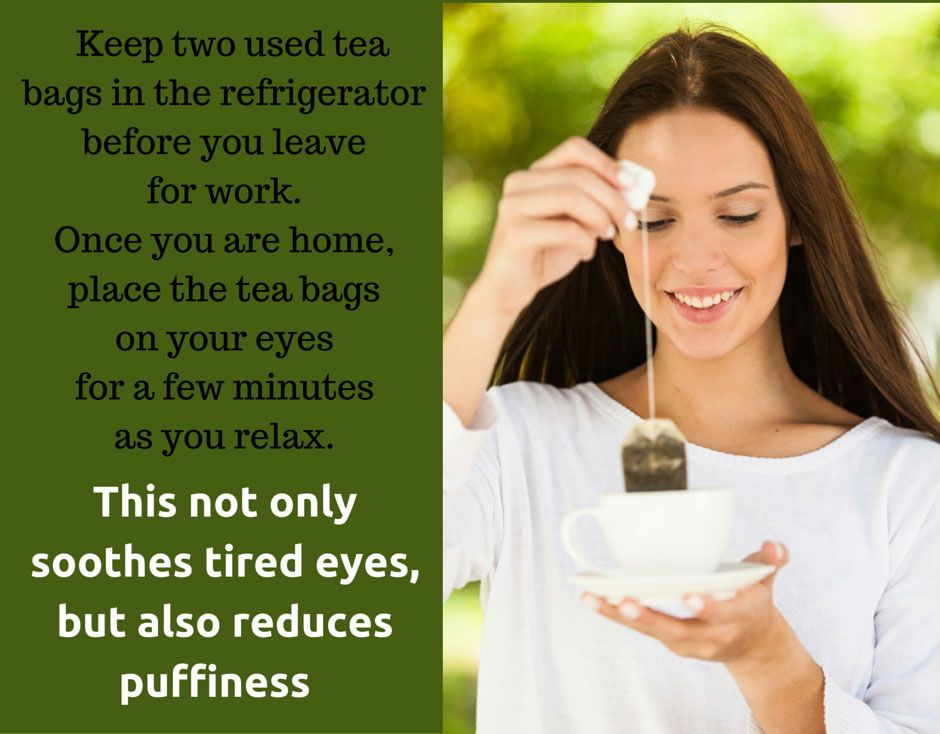
Using tea bags on the eyes not only aids relaxation but may also help with several eye ailments. Different types of tea, such as black tea, green tea, and chamomile tea, can have different benefits.
Camellia sinensis and Camellia sinensis assamica are two varieties of tea plant that grow in around 45 countries, including China, India, Japan, and Sri Lanka. These two tea plants make up the most common types of tea, such as black tea, green tea, white tea, and oolong tea.
As a cold compress The benefits of using tea bags as a cold compress include:
Easing minor eye injuries. If the eye sustains a hit by a ball, elbow, or other hard object, placing a cold tea bag compress on the area for 15 minutesTrusted Source may reduce pain and swelling.
Reducing dark circles under the eyes. Dilated blood vessels below the eyes may play a part in dark circles. Holding a cold tea bag over the area may make the vessels constrict.
Shrinking bags under the eyes. A cool tea bag compress may improve the appearance of puffiness or mild swelling under the eyes.
Relieving pink eye. Pink eye, or conjunctivitis, occurs when the mucous membranes become inflamed and swollen. A cold tea bag compress may help alleviate some of the dryness and inflammation.
Soothing red eyes. Red or bloodshot eyes occur when the blood vessels under the surface of the eye become irritated. Placing cold tea bag compresses over the eyes may help ease this irritation.
As a warm compress
The benefits of using tea bags as a warm compress include:
Reducing blepharitis. Blepharitis refers to inflammation of the eyelids due to bacteria, scalp dandruff, or problems with oil glands in the eyelids. Holding a warm tea bag over closed eyes for at least 1 minute may loosen the flakes that are stuck to the eyelashes and prevent oil glands from clogging.
Draining a stye. A blocked oil gland usually causes a stye, which is a red, painful lump that grows under the eyelid or at the base of the eyelid. The medical term for this is a chalazion. Applying heat with a warm tea bag compress to the stye for 10–15 minutes two to three times per day may help release the pus and heal the stye.
Relieving dry eyes. Dry eyes occur when the eyes do not produce enough tears, or when the tears evaporate too quickly. Putting warm tea bags on the eyes may release oil from the glands and improve the quality of tears.
There is no evidence to suggest that using a tea bag is any better than using a clean washcloth soaked in cold or warm water, however.
Different types of tea may have different benefits for eye and skin health. Black, green, and white teas have antioxidants and caffeine that may help with some eye conditions, whereas herbal teas may soothe eye irritation and inflammation. Black tea and green tea Black tea and green tea contain polyphenols, caffeine, and certain minerals. Some of these compounds may have protective or disease preventing properties.
Chamomile tea People have traditionally used chamomile tea to relieve eye infections, blocked tear ducts, and conjunctivitis. It also contains flavonoids, so it may be helpful to reduce inflammation.
Calendula tea Some people believe that calendula tea can decrease swelling and help new tissue grow. However, there is limited scientific evidence on using calendula for skin and eye health.
To make a cold or warm tea bag compress for the eyes:
Steep two tea bags in hot water.
Squeeze out the liquid from the tea bags.
To use as a warm compress, wait for them to cool down slightly.
To use as a cold compress, cool them in the refrigerator.
Place the tea bags on closed eyes for up to 15 minutes.
Repeat as often as needed.
The eyes are very sensitive, so people should always be cautious when using tea bags for this purpose. Never use hot tea bags on the eyes and stop using them if there is any irritation. Putting tea bags on the eyes may also be unsuitable for children.
Tea bags are an effective means of applying cold and warm compresses to the eyes. Cold and warm compresses help relieve the symptoms of many eye and skin conditions. Evidence is accumulating to suggest that black and green tea may be useful for eye and skin health. Always be cautious when using any alternative or home remedies on the eyes, as they are a sensitive area.
A. If you have oily skin, you should wash your face twice a day. If you cannot do that ten wash your face once with a cleanser and make sure you splash water on your skin later or wipe your face with a tissue or wet wipe.
1. moisturize your skin after washing your face
A. Yes, and not just moisturise but tone before moisturising. Find a moisturiser that is formulated especially for oily skin and which agrees with your skin. Moisturisers with natural ingredients that treat oily acne-prone skin like tea tree are amazing for oily skin. If creams are too heavy and make your skin oily, try lightweight face serums.
2, control oil production when outdoors
A. Keep a face mist in your bag and spritz it on whenever you need to refresh your face. Also, keep a spray-on sunscreen for sun protection which will not be greasy on your skin.
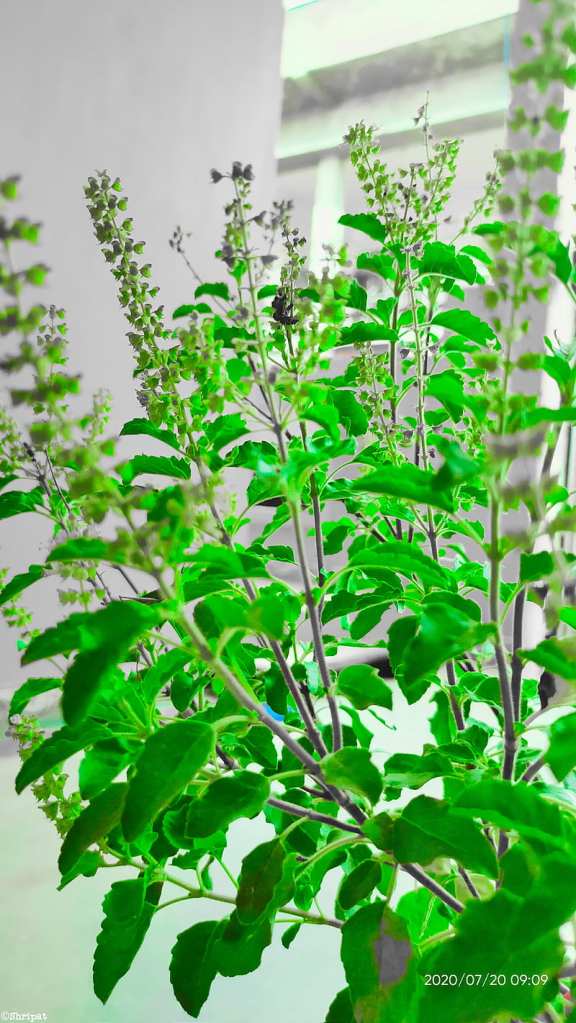
Tulasi in Sanskrit or Tulsi in Hindi, above is thought to work by helping your body cope with various stressors—like emotional stress, an infection, or other medical conditions. It is highly revered for its medicinal uses within the Ayurvedic and Siddha medical systems and has been used for thousands of years in Ayurveda for its diverse healing properties.
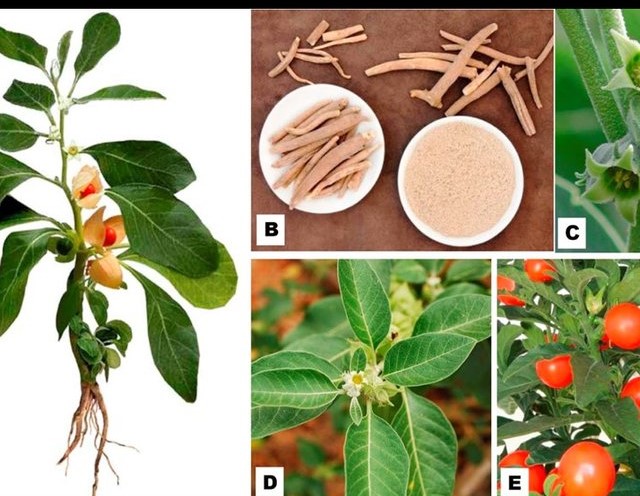
Ashwagandha above is commonly known as Indian ginseng or winter cherry, it is an annual evergreen shrub grown in India and in some parts of Africa. Ashwagandha is an ancient medicinal herb. Ashwagandha supplements helps in lowering the cortisol levels thereby reducing stress. It helps to reduce depression. It can boost the hormone testosterone and increase fertility in men. It may increase muscle mass and strength. IT helps in relieving from inflammation. It helps in lowering cholesterol and triglycerides. Ashwagandha has several health benefits, i
Improving brain function, including memory Reducing stress and anxiety Benefiting athletic performance Reducing symptoms of some mental health conditions Lowering blood sugar levels Reducing inflammation Improving brain function, including memory
ashwagandha, is an evergreen shrub in the nightshade family that grows in India, the Middle East, and parts of Africa. The plant, particularly its root powder, has been used for centuries in traditional Indian medicine. Ashwagandha supplements, typically containing root or leaf powder or extracts, are commonly sold. The Role of Food in Ayurvedic Medicine.
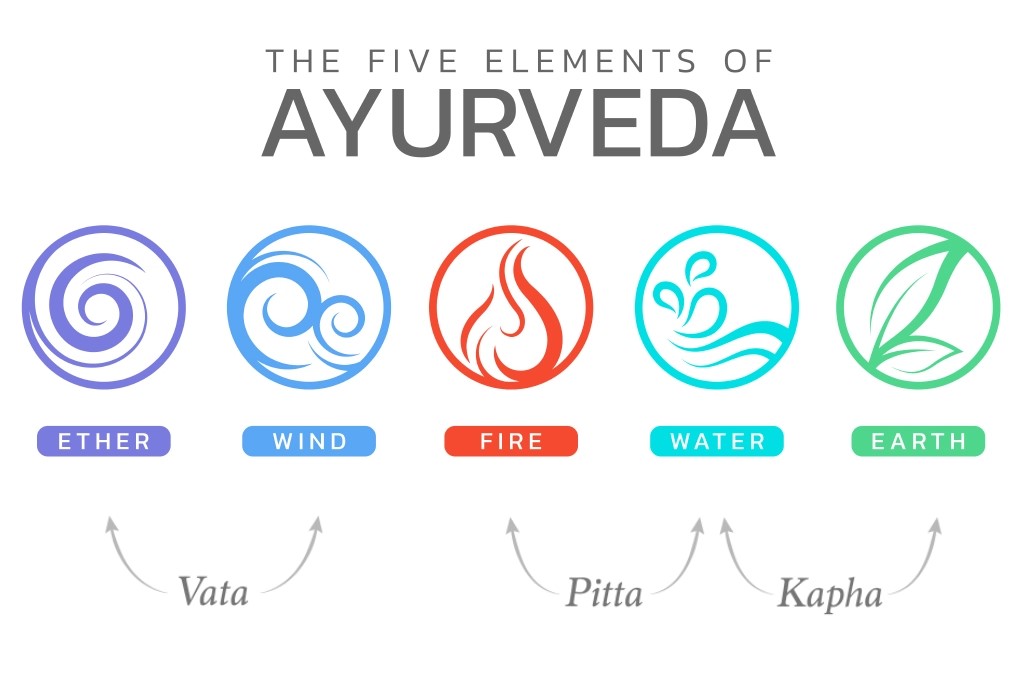
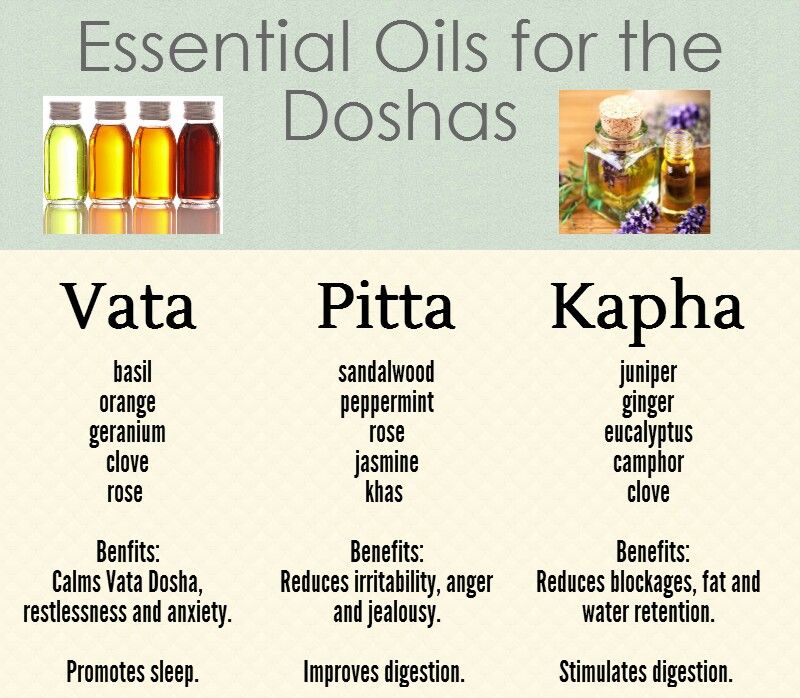
In Ayurveda everyone has a different combination of three doshas or energy types: Vata (which regulates movement), Pitta (which regulates digestion and metabolism), and Kapha (which regulates growth and support). Anything such as anxiety or a poor diet that interrupt the stability of the doshas, and a number of sub-components, can have unfavorable physical and mental consequences. Once the accurate type of imbalance has been recognized, the practitioner suggests a tailor-made strategy.
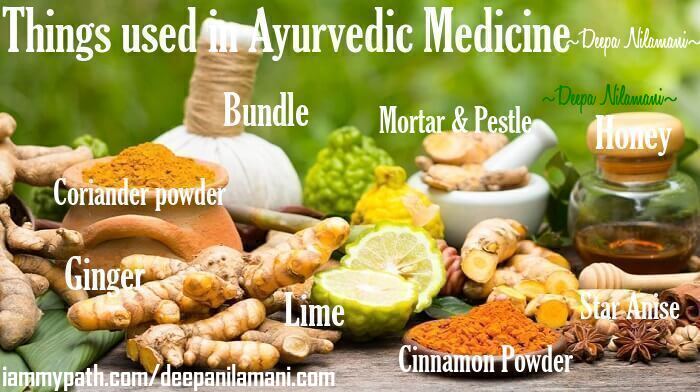
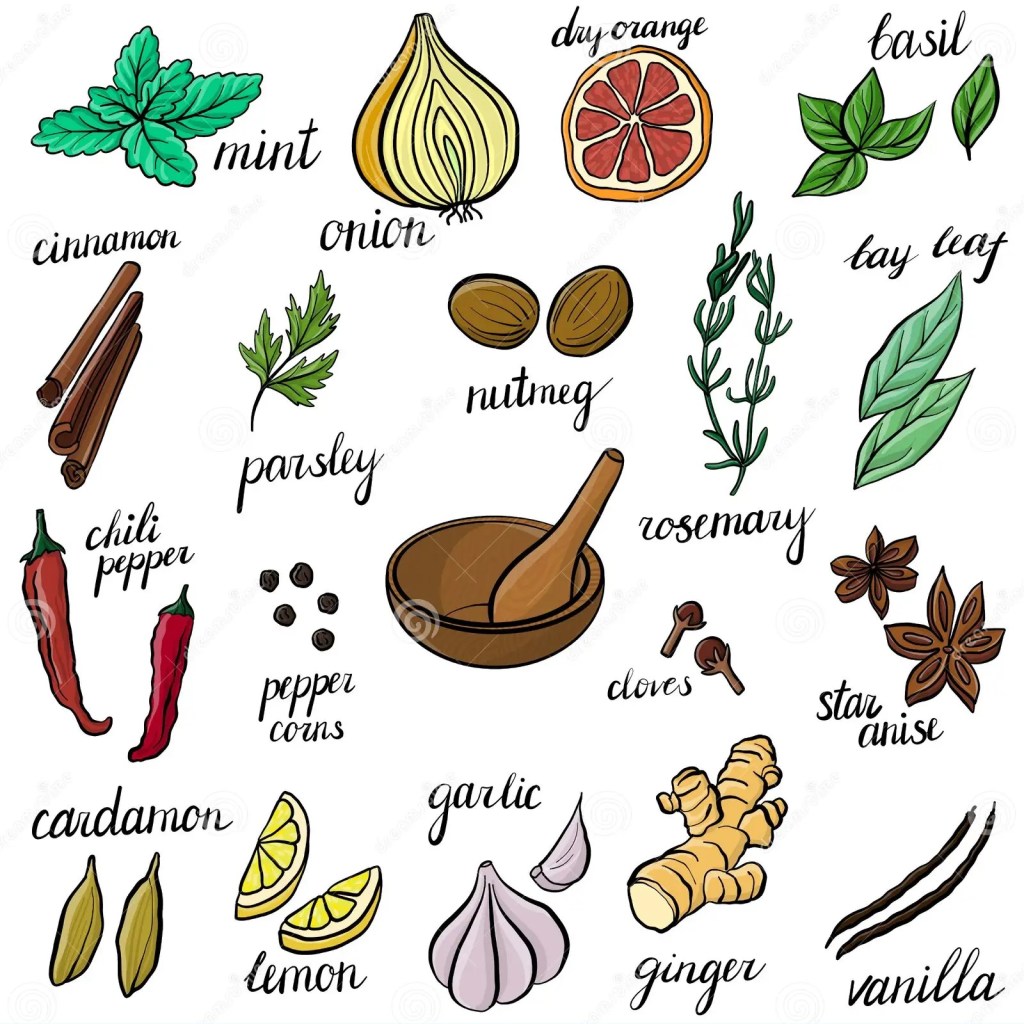
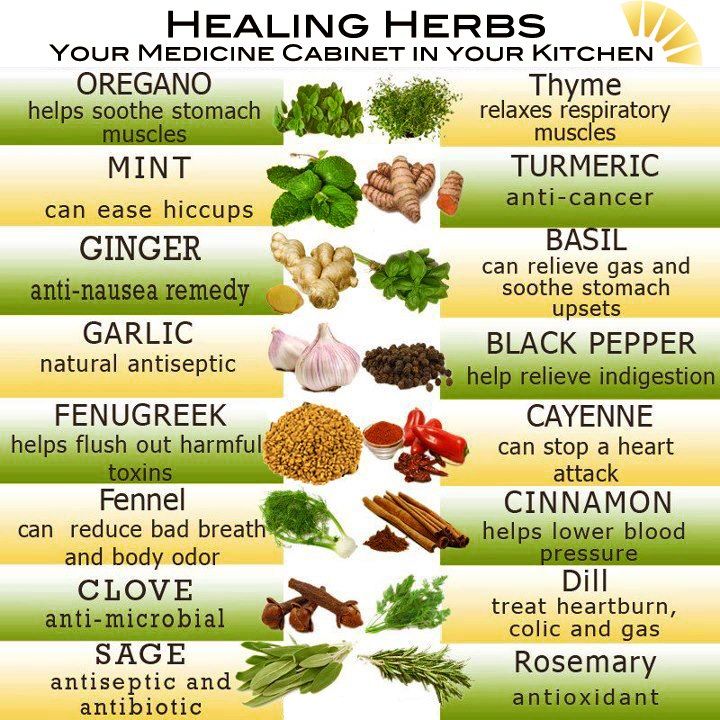
The diet is a fundamental element of the Ayurvedic healing practice and a practitioner will question you strictly about yours. He will advise you to eat more or less of specific kinds of food, herbs, and spices—depending on your dosha—with the intention of bringing your body back into balance. When the body is well-nourished and in its place, it is adequately empowered to fight off disease, and illnesses are less prone to occur. Basic ingredients in Ayurvedic diet include basil, ginger, fenugreek, garlic, Gotu kola, turmeric, and sesame seed oil.
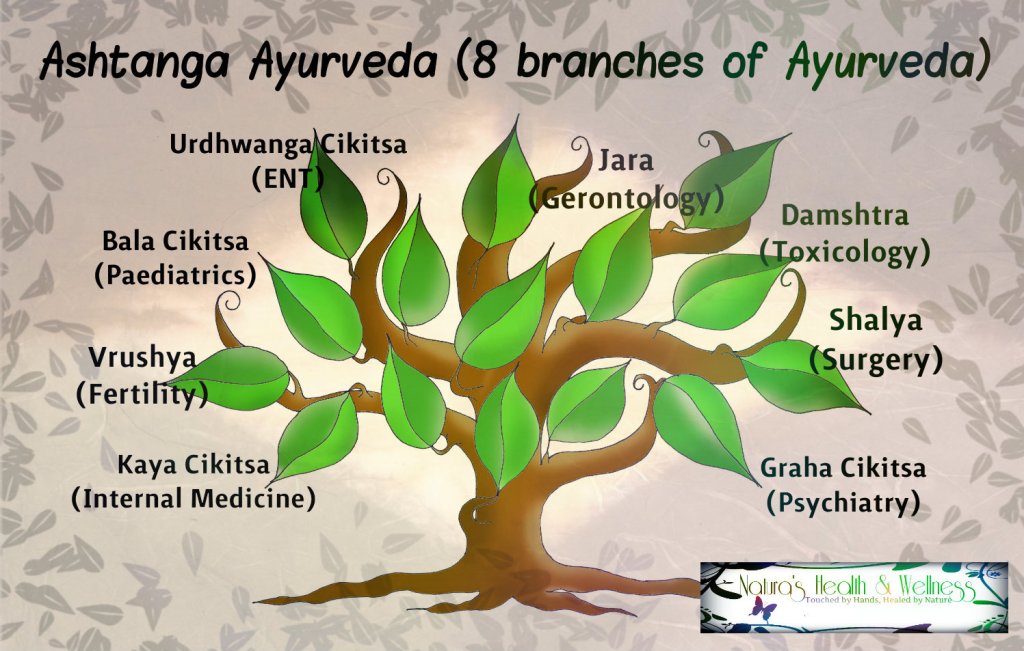
In ayurveda texts, dosha balance is emphasized, and suppressing natural urges is considered unhealthy and claimed to lead to illness. Ayurveda treatises describe three elemental doshas: vāta, pitta and kapha, and state that balance of the doshas results in health, while imbalance results in disease. Ayurveda treatises divide medicine into eight canonical components. Ayurveda practitioners had developed various medicinal preparations.
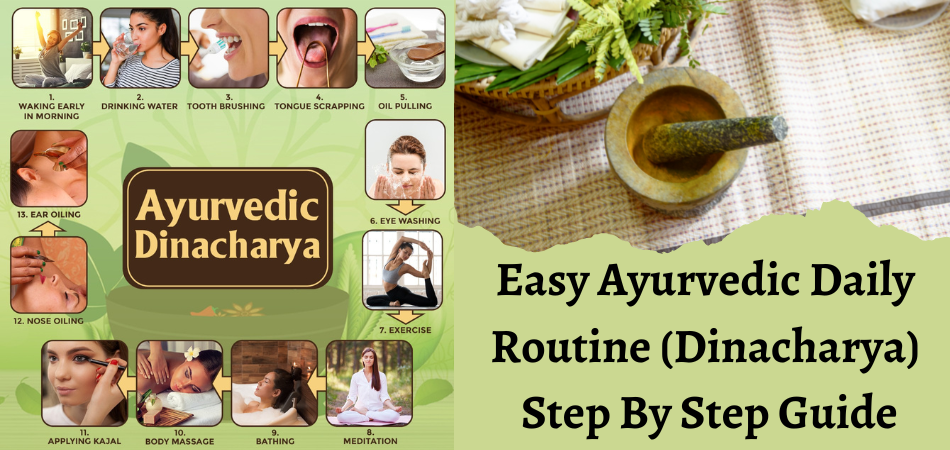
Ayurveda follows the concept of Dinacharya, which says that natural cycles (waking, sleeping, working, meditation etc.) are important for health. Hygiene, including regular bathing, cleaning of teeth, skin care, and eye washing, is also a central practice.
What is Dinacharya? Dinacharya focuses on undertaking certain activities in order to balance the doshas that rise or drop according to the time of the day. By following the Dinacharya as mentioned in Ayurvedic medicine, you lead a more disciplined life and set your daily routine to align yourself with nature and remain disease-free and happy. Here is an insight into the concept of Dinacharya and how it can be used effectively to restore your body’s natural rhythm. Dina means ‘day’ and ‘acharya’ means ‘activity’. According to Ayurveda, it is a daily regime that includes self-care and helps you achieve alignment of self with nature and greater self-awareness. If you follow dinacharya, you can live in harmony with nature, get rid of diseases and stress, improve your bodily processes, experience internal peace, and thus lead a healthier and happier life
I hope what I have written, and the pictures has given You all a clear idea and knowledge of what Ayurveda is. And some of you will like to use or try what is aggregable according to what you like. I am very grateful to my grandfathers for his teaching and Knowledge given to ma as well as Asset’s given to me for Good Health and to carry on following their Dedication for “Pure Service 🙂
Latest Update: 12th October 2024. The website continues for the New Reader and Followers. Hope what I have written is useful that helps you to feel more Positive and Happier This is “The 247th Post” and with the “Introductory Page this will be all in Total up to date, 248th posts. On Top Right-Hand side, you are able to see: The word “Menu” when you click on it. You will see the word “Home” All the posts from “The Very Beginning comes ~ Under “Home”. Which is The Introductory Page about: Who I am & Why I am Writing!
As always, it is all free”. You can share and pass it on also for others who can benefit from this post. I hope All those who Read will be able to make the maximum use of all these facts and make, “Your Lives More Healthy and able to Lead Better lives in Happiness and Peace”. I wish it to be so as,” Peace which is our Ultimate Goal in Life ❤
The Topics in Green, if you “Click” on them “Will take you to My other different posts which you will be able to find more information and even Pronunciation”. I have another website with “My own little Poems and Pictures of some of My Hobbies” if you are interested on seeing, “What else I am doing” during my spare time you can have a look at: https://deepanilamani.com/
Thanking I for the pictures and image.com for the picture Quotes I have done ❤
Hello to All My Readers Followers and Blogging Friends ❤
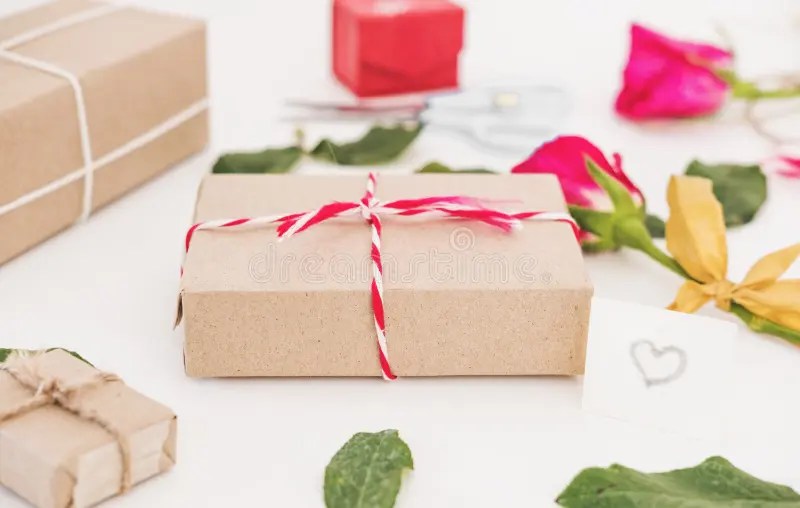
Hello to all and Hope all of you are keeping well. The previous post was about “Letter Writing and this is about Kinds of different ways of parcel posting. Above is a pretty picture of parcels and flowers 🙂
Above is a small parcel in a big envelope!
The same but this is a fast or Express Post which will come more quickly!
Different ways of posting according to the sizes and even just an ordinary Airmail envelope on top of the cardboard box. Below is a post Office but different ways will be according to different countries!
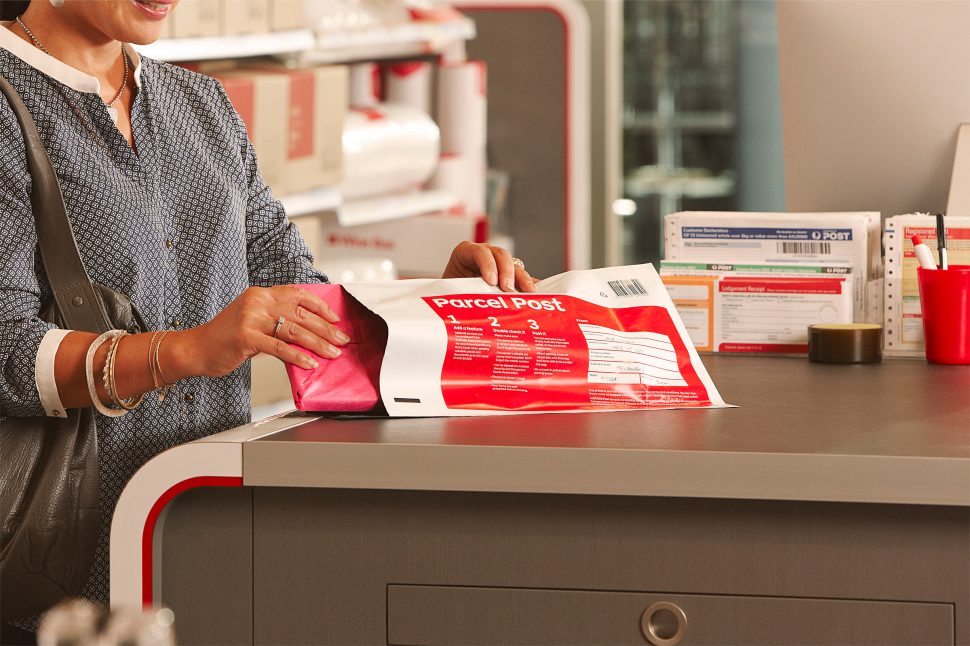
This a way of posting a small parcel and how a small parcel Like a Book or a Magazine or some small things can be sent 🙂
In Australia it is called “Post Shop” as they sell also different things as you see, like things for posting and calendrers, cards, Handbags, shawls, books, Toys, and so many other things when someone want to even buy and put in to post 🙂
I have received (got) the first set of pens and website card for the Wishing Star project 😀
As always, it is all free”. You can share and pass it on also for others who can benefit from this post. I hope All those who Read will be able to make the maximum use of all these facts and make, “Your Lives More Healthy and able to Lead Better lives in Happiness and Peace”. I wish it to be so as,” Peace which is our Ultimate Goal in Life ❤
The Topics in Green, if you “Click” on them “Will take you to My other different posts which you will be able to find more information and even Pronunciation”. I have another website with “My own little Poems and Pictures of some of My Hobbies” if you are interested on seeing, “What else I am doing” during my spare time you can have a look at: https://deepanilamani.com/
Thanking, “The I net for the Websites I have taken the Information” the “Picture quotes I have shared” and to https://www.online-image-editor.com/ for the Quotes I have done Myself ❤












 I am My Path!
You must be logged in to post a comment.