Hello To, All My Dear Readers, Followers and Blogging Friends ❤
Hope All of You are keeping well and Happy. As usual I am keeping in Good Health and moving forward doing my usual, activities. I thought of Writing an article on Publishing as I am an Author and also a Publisher. After writing from 2015 to 2025 I have written 389 posts up to now! That I decided to rewrite some of the old articles with added knowledge and the changes The world has gone through and now it is about “” Languages “Languages!I have not written before, so this is a new post And then I wrote English as a International language English as an International Language!
Xylophone
Zebras are African equines with distinctive black-and-white striped coats. Zebra stripes come in different patterns, unique to each individual. Zebras inhabit eastern and southern Africa and can be found in a variety of habitats such as savannahs, grasslands, woodlands, shrublands, and mountainous areas. Zebras are primarily grazers and can subsist on lower-quality vegetation.
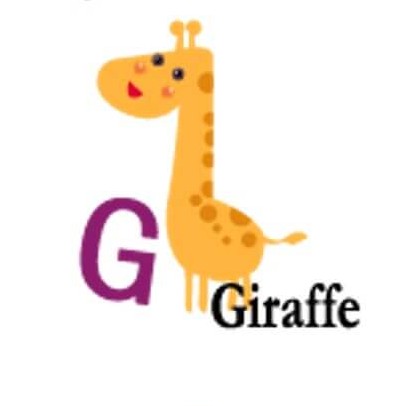
The giraffe is a large Africanhoofed mammal belonging to the genusGiraffa. It is the tallest living animal and the largest on Earth. It is classified under the familyGiraffidae, The giraffe’s distinguishing characteristics are its extremely long neck and legs, and spotted coat patterns.
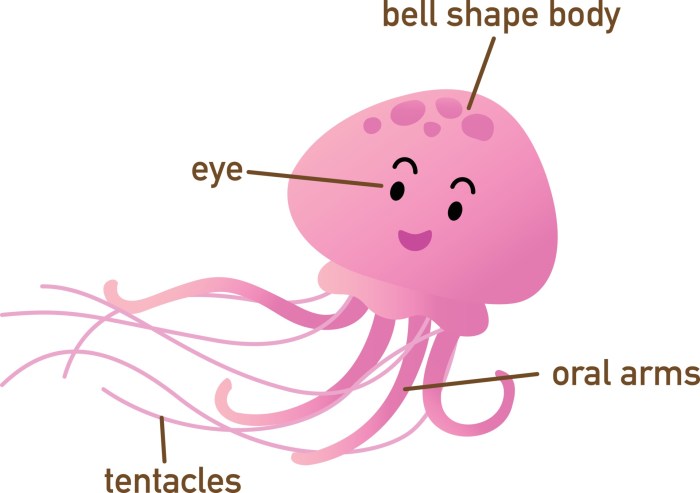
Jellyfish, also known as sea jellies or simply jellies, Jellyfish are found all over the world, from surface waters to the deep sea.
The lion (Panthera leo) is a large cat currently found only in Sub-Saharan Africa and India. It has a muscular, broad-chested body; a short, rounded head; round ears; and a dark, hairy tuft at the tip of its tail. The lion inhabits grasslands, savannahs, and shrublands
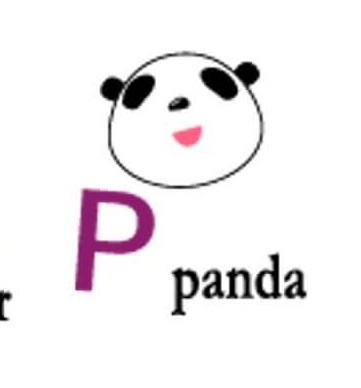
The giant panda also known as the panda bear or simply panda, is a bear to China. It is characterised by its white coat with black patches around the eyes, ears, legs and shoulders. Its body is rotund; adult individuals weigh 100 to 115 kg,
Rabbits or bunnies are small mammals (which also includes the hares), They are familiar throughout the world.
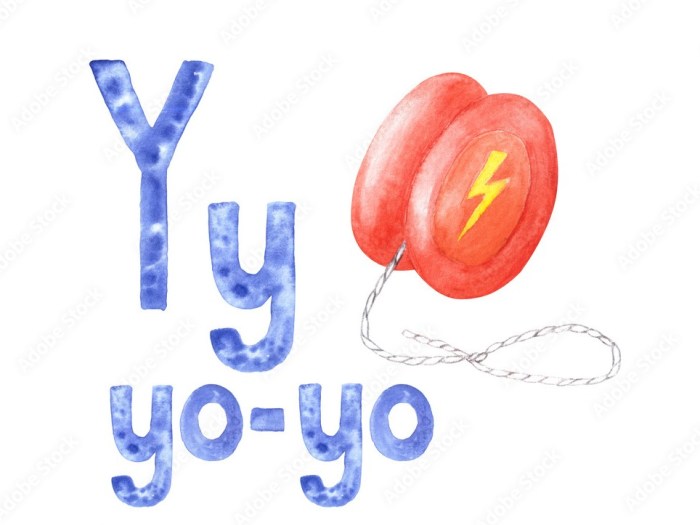
A yo-yo (also spelled yoyo) is a toy consisting of an axle connected to two disks, and a string looped around the axle, similar to a spool. It is an ancient toy with proof of existence since 440 BC. The yo-yo was also called a bandalore in the 17th century. It is played by holding the free end of the string known as the handle the middle or ring finger allowing gravity (or the force of a throw and gravity) to spin the yo-yo and unwind the string (similar to how a pullstring works). The player then allows the yo-yo to wind itself back to the player’s hand, exploiting its spin (and the associated rotational energy). This is often called “yo-yoing” or “playing yo-yo” https://en.wikipedia.org/wiki/Yo-yo
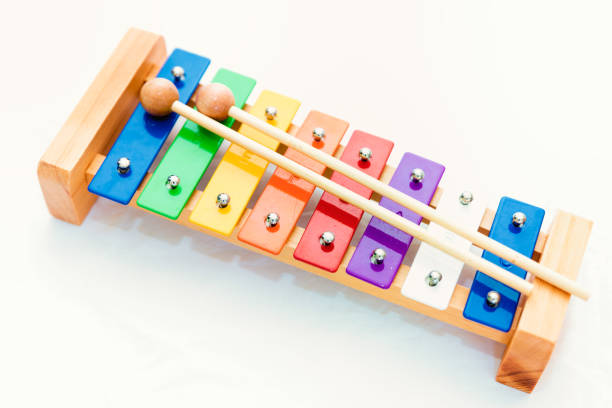
Bright multicolored musical instrument The xylophone (from Ancient Greek ‘wood’ and sound, voice’; lit. ’sound of wood’ is a musical instrument in the percussion family that consists of wooden bars struck by mallets. Each bar is tuned to a pitch of a musical scale, in the case of many African and Asian instruments, in many western children’s instruments, for orchestral use.
Zebras are African equines with distinctive black-and-white striped coats. Zebra stripes come in different patterns, unique to each individual. Zebras inhabit eastern and southern Africa and can be found in a variety of habitats such as savannahs, grasslands, woodlands, shrublands, and mountainous areas. Zebras are primarily grazers and can subsist on lower-quality vegetation.
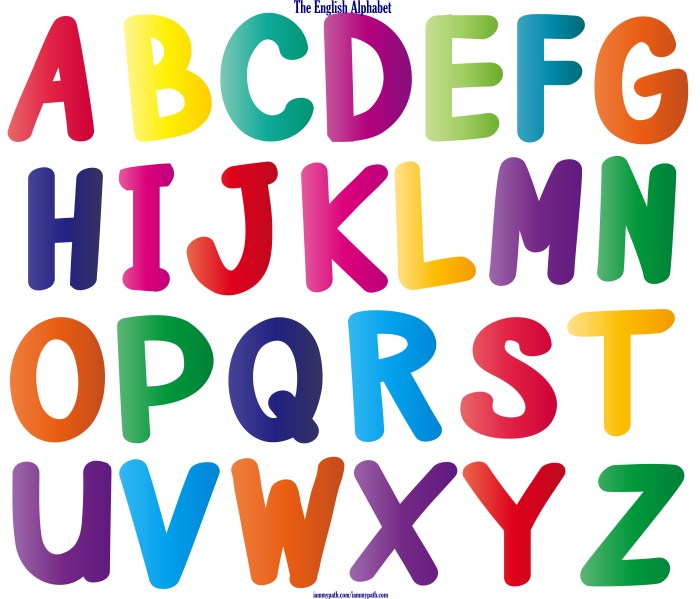
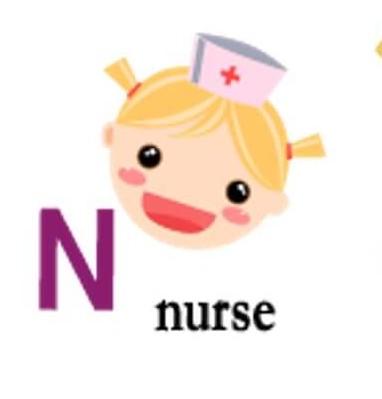
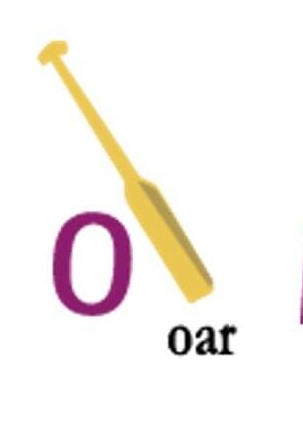
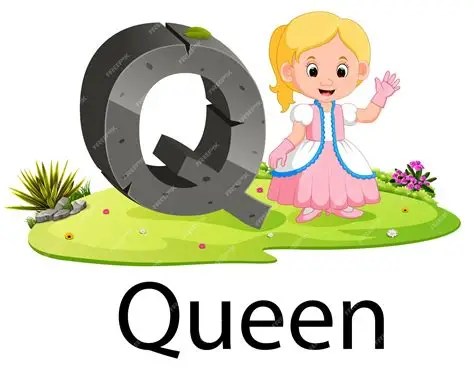
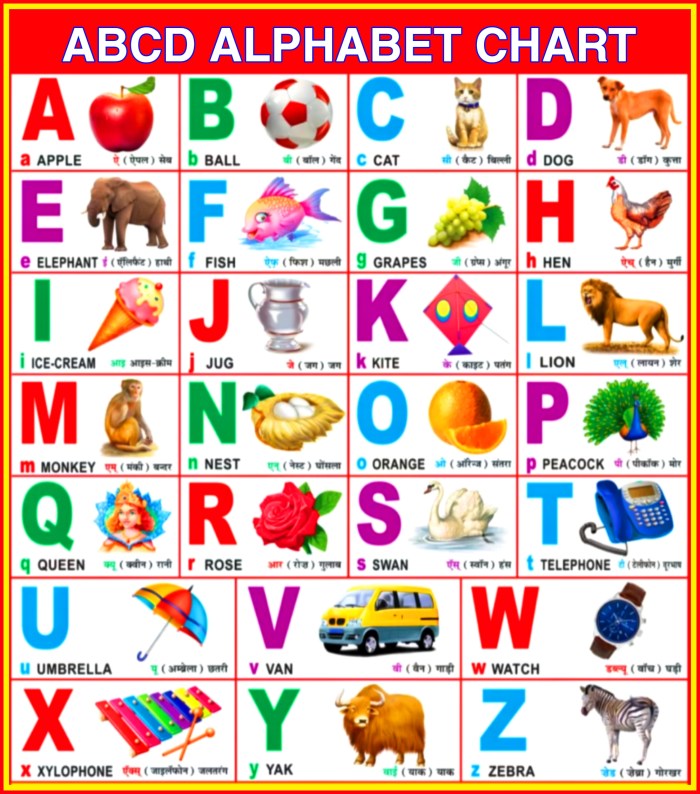
Here I have posted another Chart with some different pictures with some different things and animals i have changed some for better looking pictures 🙂
Latest Update: Today is the 8th of October 2025: This is “The 321 Post” and with the “Introductory Page this will be all in Total up to date, 322 posts :).
Take Home Message We all have the capacity to adapt and to achieve our personal expectations. we raise the bar in relation to our own potential and push ourselves to achieve Higher things. The therapeutic alliance has been shown to affect treatment outcomes across a range of conditions, therapeutic modalities, and contexts. In other words, a greater sense of social connectedness rooted in caring for others, connecting with the community, and finding a sense of purpose is linked to improved mental health and well-being. Lots of picture Quotes about lot of things you can do. Happy Reading 🙂
The coloured Topics in Green, if you “Click” on them “Will take you to other different posts of Mine which you will be able to find more information and even Pronunciation”. I have another website with “My own little Poems and Pictures of some of My Hobbies” if you are interested on seeing, “What else I am doing” you can have a look at: https://deepanilamani.com/
As always, it is all free”. You can share and pass it on also for others who can benefit from this post. I hope All those who Read will be able to make the maximum use of all these facts and make, “Your Lives More Healthy and able to Lead Better lives in Happiness and Peace”. I wish it to be so as,” Peace which is our Ultimate Goal ❤
Hello to All My Dear Readers, Followers and Blogging Friends ❤
Hope All of You are keeping well and Happy. As usual I am keeping in Good Health and moving forward doing my usual, activities. Today I thought of Writing an article on Publishing as I am an Author and also a Publisher. And Now I have got this Topic “” A Book Corner”” well I seems to be getting quite a lot of Topics and now about “”Editing”” and somehow, I have not written before at all surprisingly!
Editing is the process of selecting and preparing written, visual, audible, or cinematic material used by a person or an entity to convey a message or information. The editing process can involve correction, condensation, organization, and many other modifications performed with an intention of producing a correct, consistent, accurate and complete piece of work. The editing process often begins with the author’s idea for the work itself, continuing as a collaboration between the author and the editor as the work is created. Editing can involve creative skills, human relations and a precise set of methods. Practicing editing can be a way to reduce language error in future literature works.
There are various editorial positions in publishing. Typically, one finds editorial assistants reporting to the senior-level editorial staff and directors who report to senior executive editors. Senior executive editors are responsible for developing a product for its final release. The smaller the publication, the more these roles overlap.The top editor at many publications may be known as the chief editor, executive editor, or simply the editor. A frequent and highly regarded contributor to a magazine may acquire the title of editor-at-large or contributing editor. Mid-level newspaper editors often manage or help to manage sections, such as business, sports and features. In U.S. newspapers, the level below the top editor is usually the managing editor.
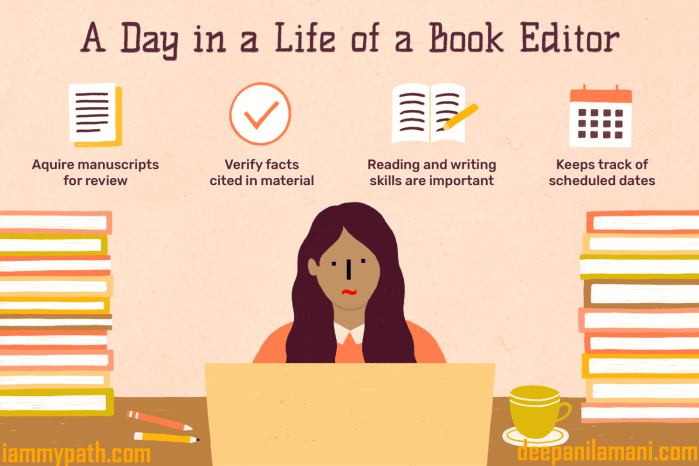
In the book publishing industry, editors may organize anthologies and other compilations, produce definitive editions of a classic author’s works (scholarly editor), and organize and manage contributions to a multi-author book (symposium editor or volume editor). Obtaining manuscripts or recruiting authors is the role of an acquisitions editor or a commissioning editor in a publishing house.[5] Finding marketable ideas and presenting them to appropriate authors are the responsibilities of a sponsoring editor.Copy editors correct spelling, grammar and align writings to house style. Changes to the publishing industry since the 1980s have resulted in nearly all copy editing of book manuscripts being outsourced to freelance copy editors.
At newspapers and wire services, press or copy editors write headlines and work on more substantive issues, such as ensuring accuracy, fairness, and taste. In some positions, they design pages and select news stories for inclusion. At British and Australian newspapers, the term is sub-editor. They may choose the layout of the publication and communicate with the printer. These editors may have the title of layout or design editor or (more so in the past) makeup editor.
Scholarly books and journals
Within the publishing environment, editors of scholarly books are of three main types, each with particular responsibilities:
Acquisitions editor (or commissioning editor), who contracts with the author to produce the copy
Project editor or production editor, who sees the copy through its stages from manuscript to bound book and usually assumes most of the budget and schedule responsibilities
Copy editor or manuscript editor, who prepares the copy for conversion into printed form.
In the case of multi-author edited volumes, before the manuscript is delivered to the publisher it has undergone substantive and linguistic editing by the volume’s editor, who works independently of the publisher.
As for scholarly journals, where spontaneous submissions are more common than commissioned works, the position of journal editor or editor-in-chief replaces the acquisitions editor of the book publishing environment, while the roles of production editor and copy editor remain. However, another editor is sometimes involved in the creation of scholarly research articles. Called the authors’ editor, this editor works with authors to get a manuscript fit for purpose before it is submitted to a scholarly journal for publication.mThe primary difference between copy editing scholarly books and journals and other sorts of copy editing lies in applying the standards of the publisher to the copy. Most scholarly publishers have a preferred style that usually specifies a particular dictionary and style manual
Editing has a long history dating back to the earliest times of written language. Over time, editing has evolved greatly, particularly with the emergence of new forms of media and language that have led to a move towards multimodality.[7] Today, hardcopies and print are no longer the main focus of editing as new content like film and audio require different kinds of edits.
Technical editing is now more commonly done using applications and websites on devices, which requires editors to be familiar with online platforms like Adobe Acrobat, Microsoft Office, and Google Docs. The significance and intentions behind editing have also changed, moving beyond print due to the continuous advancements in technology. As a result, the grounds and values of editing have changed as well. For instance, text is often shortened and simplified online because of the preference for quick answers among this generation. Additionally, the advancement in social issues has made it possible to offer easy access to vast amounts of information.
Apart from editing written work, video editing has also evolved. Nowadays, non-linear editing is the main way of editing video clips, but in the 1900s, it was linear editing. As computer systems and software have developed, video clips are now able to be uploaded directly to the editing software, making the editing process quicker. With this evolution of editing, creativity has been sped up, editing has become easier, and there are now countless ways for writers to tell stories.
Self-editing
Self-editing is the process of evaluating one’s own writing and fixing errors. This does not require any specialized knowledge, and simply aims to improve the overall quality of a literary work. It is an essential part of the editing process, benefiting both language learners and those writing in their native language.
Students often find learning about editing rewarding in both learning a language[14] and improving language skills. However, the writing field currently debates whether self-editing is the best way to reduce errors in student writing. Some studies have shown that self-editing is more effective at reducing language errors in the short term than peer-editing. However, in the long term, both approaches have similar effects on students. Others have found that the collaborative dialogue provided by peer-editing may cause it to be much better at reducing language errors than self-editing.
Today, self-editing is being taught in numerous ways. Some researchers have found a significant improvement in student essays through self-editing worksheets. Others have experimented with mobile apps. Similar to the worksheets, these mobile based editing exercises have been shown to reduce error specifically in English learners’ papers. Just as applications like Google Docs and Grammarly can highlight grammatical errors, these applications may teach students to identify these mistakes, among others, by themselves. While there hasn’t yet been a definitive answer on the best editing techniques to improve language errors, numerous studies have shown that learning to edit helps in both learning a language and improving native language skills.
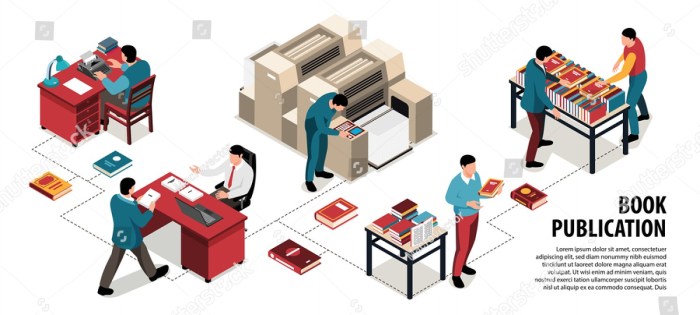
Editing is a growing field of work in the service industry. There is little career training offered for editors.[20]Paidediting services may be provided by specialized editing firms or by self-employed (freelance) editors. Editing firms may employ a team of in-house editors, rely on a network of individual contractors or both. Such firms are able to handle editing in a wide range of topics and genres, depending on the skills of individual editors. The services provided by these editors may be varied and can include proofreading, copy editing, online editing, developmental editing, editing for search engine optimization,
Self-employed editors work directly for clients (e.g., authors, publishers) or offer their services through editing firms, or both. They may specialize in a type of editing (e.g., copy editing) and in a particular subject area. Those who work directly for authors and develop professional relationships with them are called authors’ editors. There is hope for self-employed editors because all editing differs based on tradition, experience, education, personal style, values,
Latest Update: Today is 28th of September 2025: This is “The 315 Post” and with the “Introductory Page this will be all in Total up to date, 316 posts.
Take Home Message We all have the capacity to adapt and to achieve our personal expectations. we raise the bar in relation to our own potential and push ourselves to achieve Higher things. The therapeutic alliance has been shown to affect treatment outcomes across a range of conditions, therapeutic modalities, and contexts. In other words, a greater sense of social connectedness rooted in caring for others, connecting with the community, and finding a sense of purpose is linked to improved mental health and well-being. Lots of picture Quotes about lot of things you can do. Happy Reading ❤
The coloured Topics in Green, if you “Click” on them “Will take you to other different posts of Mine which you will be able to find more information and even Pronunciation”. I have another website with “My own little Poems and Pictures of some of My Hobbies” if you are interested on seeing, “What else I am doing” you can have a look at: https://deepanilamani.com/
As always, it is all free”. You can share and pass it on also for others who can benefit from this post. I hope All those who Read will be able to make the maximum use of all these facts and make, “Your Lives More Healthy and able to Lead Better lives in Happiness and Peace”. I wish it to be so as,” Peace which is our Ultimate Goal ❤
Hello to All My Dear Readers, Followers and Blogging Friends ❤
Hope All of You are keeping well and Happy. As usual I am keeping in Good Health and moving forward doing my usual, activities. Today I thought of Writing an article on Publishing as I am an Author and also a Publisher. And Now I have got this Topic “”A Book Corner””
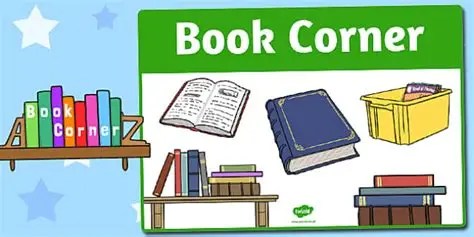
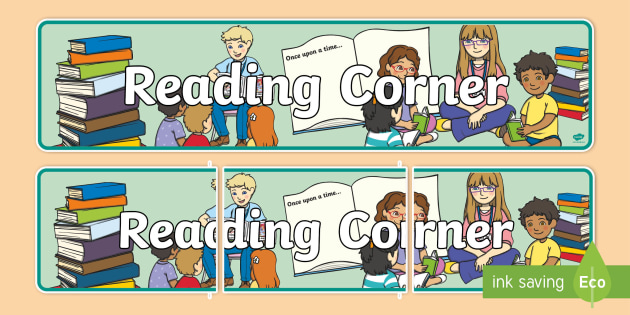
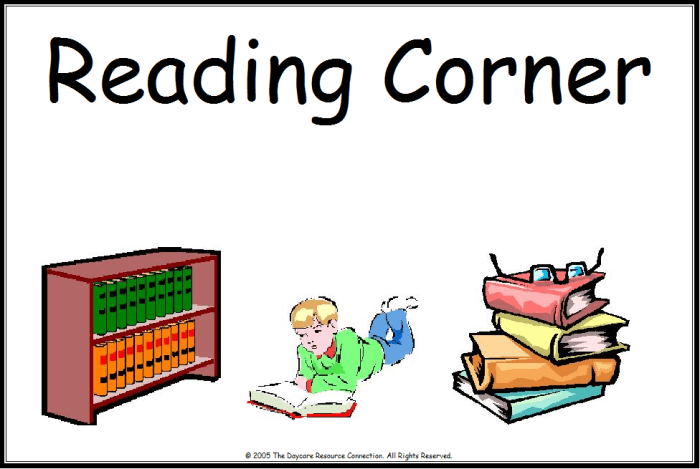
A reading corner is a space dedicated to developing and fostering love for books and the habit of reading. Reading plays a fundamental role in the cognitive, emotional, and social growth of young children, which is why it’s so important to provide spaces like these.
In this article, I will explore the importance of reading, provide guidance on reading to children, and share tips for creating a reading corner in the classroom. Discover how this environment can benefit children’s learning and development!
Fostering a Love for Reading: Reading corners provide a sanctuary where the joy of reading can be discovered and nurtured. Away from the pressures of structured learning, these cosy areas, filled with a variety of books, invite students to explore different genres at their own pace. The comfort and tranquility of the space make reading a pleasurable activity, helping students develop a lifelong love for literature.
Enhancing Literacy and Language Skills: Regular exposure to books in reading corners significantly boosts literacy. Children who spend time reading independently expand their vocabulary, improve their understanding of grammar, and develop better comprehension skills. This exposure is crucial in the early years when students are mastering the basics of reading and writing.
Encouraging Independent Learning: Reading corners promote self-directed learning. In these spaces, students choose what they want to read, setting their own pace without direct supervision or rigid guidelines. This autonomy builds their confidence in making choices and fosters a sense of responsibility for their own learning.
Supporting Emotional and Social Development: Books can be windows into different worlds and experiences, aiding in the emotional and social development of children. Reading stories about diverse cultures, situations, and characters helps students develop empathy and a broader understanding of the world around them. Furthermore, reading corners can be communal spaces where students share books and discuss ideas, enhancing their social skills.
Providing a Haven for Struggling Readers: For students who find reading challenging, the non-judgmental and inviting atmosphere of a reading corner can be particularly beneficial. These students can practice reading in a relaxed environment, free from the anxiety of being judged or falling behind, which is crucial for building their confidence and skills.
Enhancing Concentration and Focus: In our digital age, where attention spans are constantly challenged, reading corners offer a much-needed respite. The act of sitting down with a book requires concentration and focus, skills that are transferable to other areas of academic and personal life.
Cultivating Imagination and Creativity: Books open up worlds of imagination, sparking creativity in young minds. Reading corners, often decorated to inspire and ignite curiosity, provide the perfect backdrop for students to explore and dream, nurturing creative thinking that is invaluable in their overall development.
In conclusion, reading corners are more than just a quiet spot to read; they are essential spaces that contribute significantly to the intellectual, emotional, and social development of students. They help cultivate a love for reading, build essential literacy skills, and support independent and imaginative thinking. In the dynamic world of education, reading corners stand as a testament to the timeless power of books and the endless possibilities they hold for young learners. Every school should consider them an integral part of their educational offering, a simple yet powerful tool in shaping the minds of future generations.
Latest Update: Today is 28th of September 2025: This is “The 314Post” and with the “Introductory Page this will be all in Total up to date, 315 posts.
Take Home Message We all have the capacity to adapt and to achieve our personal expectations. we raise the bar in relation to our own potential and push ourselves to achieve Higher things. The therapeutic alliance has been shown to affect treatment outcomes across a range of conditions, therapeutic modalities, and contexts. In other words, a greater sense of social connectedness rooted in caring for others, connecting with the community, and finding a sense of purpose is linked to improved mental health and well-being. Lots of picture Quotes about lot of things you can do. Happy Reading 🙂
As always, it is all free”. You can share and pass it on also for others who can benefit from this post. I hope All those who Read will be able to make the maximum use of all these facts and make, “Your Lives More Healthy and able to Lead Better lives in Happiness and Peace”. I wish it to be so as,” Peace which is our Ultimate Goal ❤
The Topics in Green, if you “Click” on them “Will take you to My other different posts which you will be able to find more information and even Pronunciation”. I have another website with “My own little Poems and Pictures of some of My Hobbies” if you are interested on seeing, “What else I am doing” during my spare time you can have a look at: https://deepanilamani.com/
Hello To, All My Readers Followers and Blogging Friends ❤
Hope All of You are keeping in Good Health as much as possible. And “Keeping yourself Positive and Motivated as Best as possible. I have been writing about Various ways of Therapies to Become Well” And today I am writing about The Existential Therapy: writing with more Positive feelings at this time of my Life with Healing Energies I am receiving 🙂
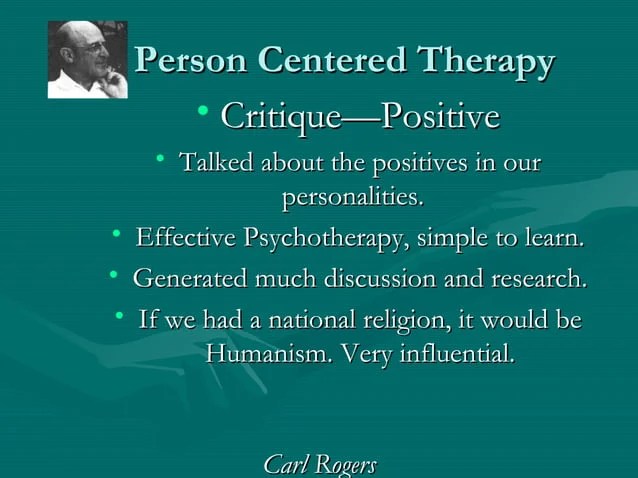
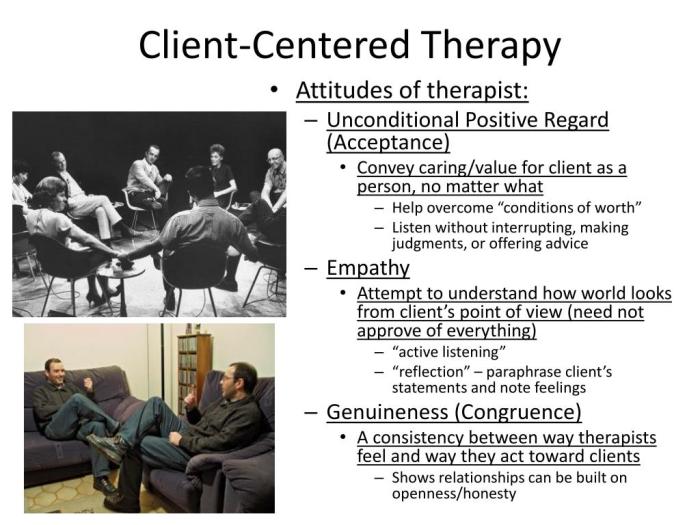
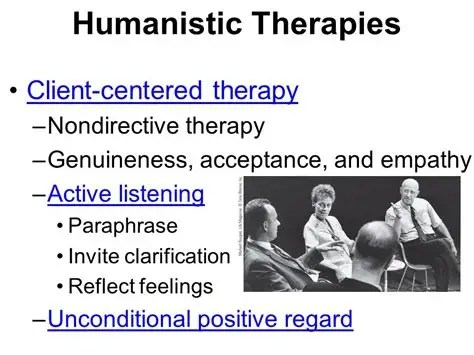
Person-centered therapy is often described as a humanistic therapy, but its main principles appear to have been established before those of humanistic psychology but, by the mid-1960s, Rogers accepted being categorized with other psychologists in contrast to behavioral and psychoanalytic psychologists. Despite the importance of the self to person-centered theory, the theory is fundamentally organismic and holistic in nature.
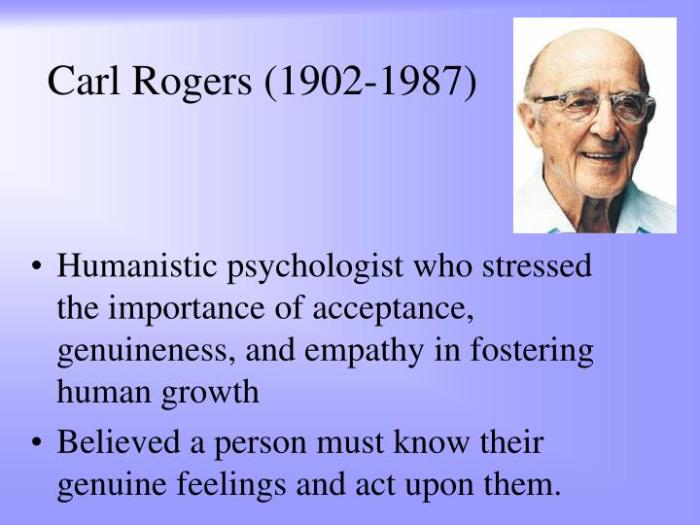
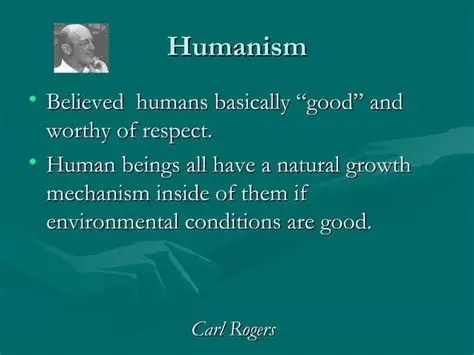
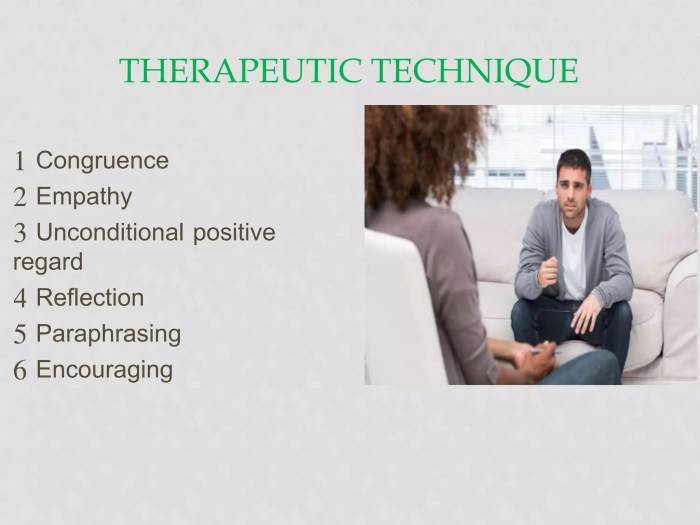
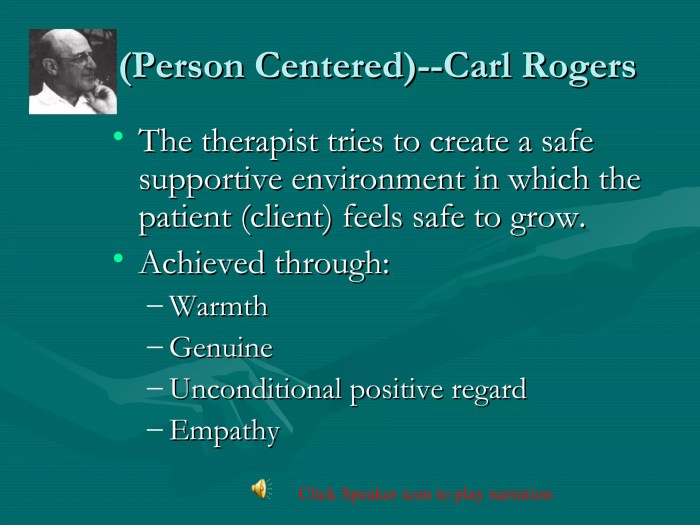
The Person-Centered Approach was developed from the work of the psychologist Dr. Carl Rogers (1902–1987). He advanced an approach to psychotherapy and counseling that, at the time (the 1940s–1960s), was considered extremely radical. The psychological environment described by Rogers was one where a person felt free from threat, both physically and psychologically. This environment could be achieved when being in a relationship with a person who was deeply understanding (empathic), accepting (having unconditional positive regard) and genuine (congruent).
Originally described as non-directive, this therapy moved away from the idea that the therapist was the expert and towards a theory that trusted the innate tendency (known as the actualizing tendency) of human beings to find fulfilment of their personal potentials. An important part of this theory is that in a particular psychological environment, the fulfilment of personal potentials includes sociability, the need to be with other human beings and a desire to know and be known by other people. It also includes being open to experience, being trusting and trustworthy, being curious about the world, being creative and compassionate.
The psychological environment described by Rogers was one where a person felt free from threat, both physically and psychologically. This environment could be achieved when being in a relationship with a person who was deeply understanding (empathic), accepting (having unconditional positive regard) and genuine (congruent).
Applications
Person-centered therapy has been adapted for a variety of populations and settings. For example, a randomized controlled trial in Portugal demonstrated that PCT significantly improved self-esteem in older adults by reducing the gap between their real and ideal selves. These improvements were maintained at a 12-month follow-up, suggesting long-term effectiveness in aging populations.[27]
PCT has also been applied in educational and youth counseling settings. Its emphasis on empathy, acceptance, and authentic communication makes it particularly effective for adolescents and young adults who are navigating identity development, interpersonal challenges, and emotional regulation. Additionally, the non-directive nature of PCT allows it to be used across cultural contexts where traditional therapist-led approaches may not align with community values or client expectations.
The adaptability of person-centered therapy stems from its core belief that the client is the expert in their own experience. This principle enables therapists to work effectively with diverse populations while maintaining a strong respect for individual autonomy and cultural differences.
Although initially developed as an approach to psychotherapy (eventually becoming known as client/person-centred therapy/counselling), Rogers and his colleagues came to believe that their ideas could be transferred to other areas where people were in relationships. For example teaching, management, childcare, patient care, conflict resolution. Today there are many people who, although not working as psychotherapists and counsellors, use the work of Rogers as guiding principles in their day-to-day work and relationships.
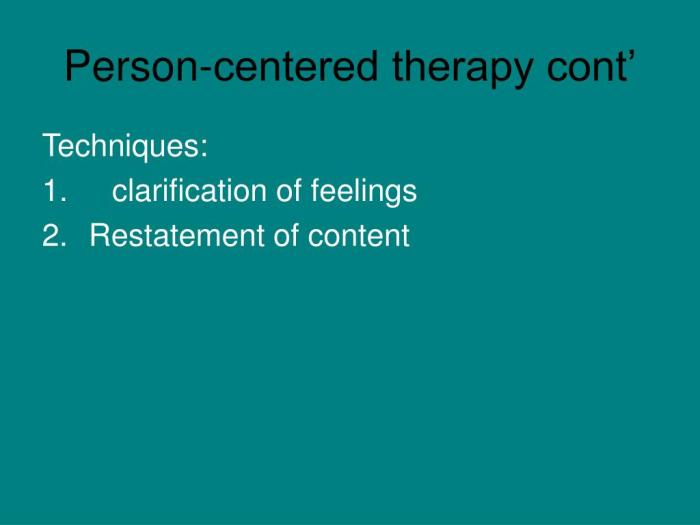
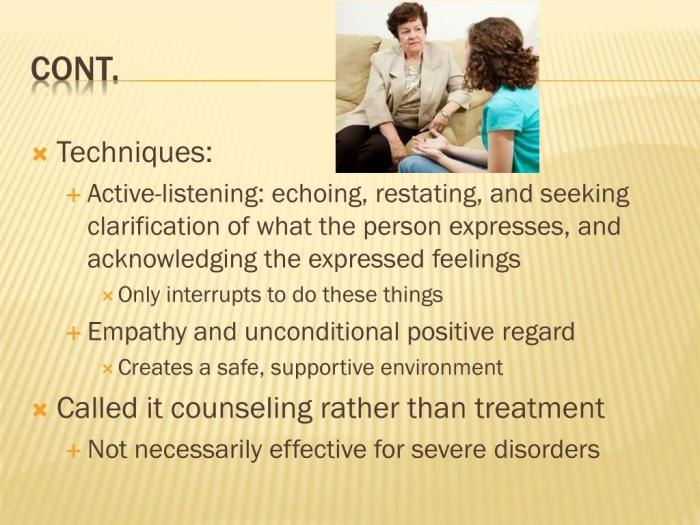
At one level, Rogers’ theory and work is very simple to describe. As many people would attest, both those using the approach and those working as person-therapists/counsellors, it can be very difficult to put into practice because the approach does not use techniques but relies on the personal qualities of the therapist/person to build a non-judgmental and empathic relationship.
Effectiveness
Research on the effectiveness of person-centered therapy (PCT) across various clinical conditions has produced mixed but encouraging results. While PCT has generally been found to yield positive outcomes for anxiety and depression, some studies suggest it may be less effective than structured approaches like cognitive-behavioral therapy (CBT) in certain contexts. For example, a 2013 meta-analysis found that experiential therapies, including PCT, showed improvement in clients with anxiety from pre- to post-treatment, although they often performed below CBT in direct comparisons.[25]
Even so, PCT offers distinct advantages. Its focus on emotional depth, client autonomy, and a non-directive therapeutic environment can be particularly helpful for individuals who prefer a more supportive and less structured approach to therapy.[25] These qualities may also make PCT a good fit for clients who have had negative experiences with more prescriptive or diagnosis-driven models.
Recent findings suggest that outcomes improve when therapy is matched to individual client needs. Their results showed that clients who received the therapy most aligned with their predicted treatment response experienced significantly better outcomes than those who received a non-matching therapy.] This supports the idea that while PCT may not be ideal for every individual, it can be highly effective when personalized to the client. PCT has also shown promise with specific populations. In a older adults who received person-centered therapy reported significant improvements in self-esteem. These gains were maintained for at least 12 months after the intervention, highlighting PCT’s potential for long-term impact and its adaptability across age groups.
A Take-Home Message We all have the capacity to adapt and to achieve our personal expectations. we raise the bar in relation to our own potential and push ourselves to achieve Higher things. Effectiveness of Adlerian Theory Recent studies have also supported Adler’s belief in the importance of the therapeutic relationship. The therapeutic alliance has been shown to affect treatment outcomes across a range of conditions, therapeutic modalities, and contexts. In other words, a greater sense of social connectedness rooted in caring for others, connecting with the community, and finding a sense of purpose is linked to improved mental health and well-being. Lots of picture Quotes about lot of things you can do. Happy Reading
Latest Update: 3nd of September 2025. The website continues for the New and old Readers, Followers and Blogging Friends. This is “The 292 Post” and with the “Introductory Page this will be all in Total up to date, 293 posts. On Top Right-Hand side, you are able to see: The word “Menu” when you click on it. You will see the word “Home” All the posts from “The Very Beginning comes ~ Under “Home”. Which is The Introductory Page about: Who I am & Why I am Writing!
The new Topics “On the Left-Hand side “Under the Recent Posts, with “The latest Topics adding up”
The “COLOURED TOPICS IN GREEN”, if you “Click” on them “Will take you to other different posts of Mine which you will be able to find more information and even Pronunciation”. I have another website with “My own little Poems and Pictures of some of My Hobbies” if you are interested on seeing, “What else I am doing” you can have a look at: https://deepanilamani.com/
Sending Many Blessings of Good Health and Healing Energies your way ❤
Thanking the I Net for the pictures I have Shared<3




















 I am My Path!
You must be logged in to post a comment.