Psychology ~ Exams!

Hello to My Followers, Readers and Blogging Friends ❤

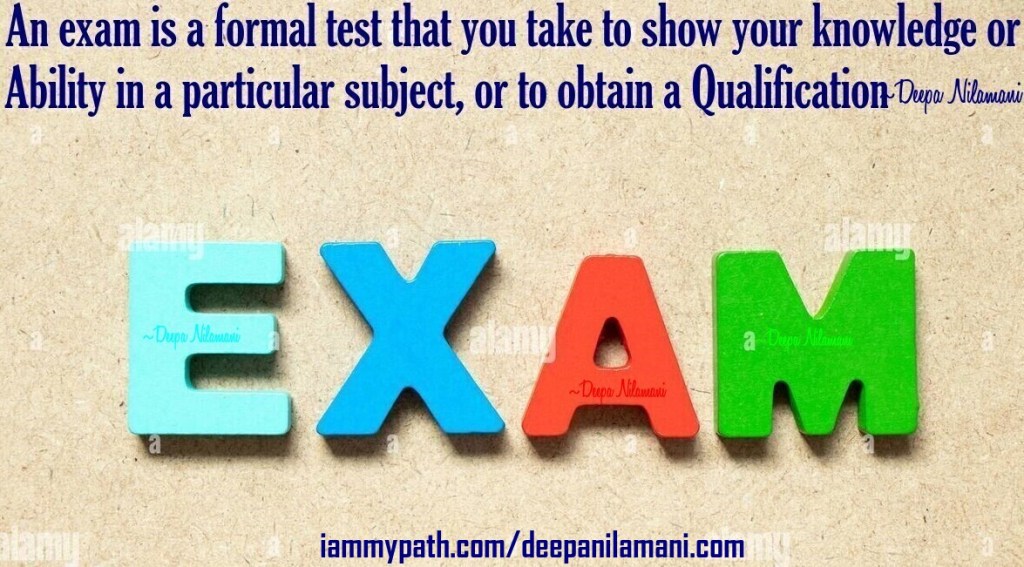
How are you all. Keeping well and in Good Spirits I Hope. Today I am going to write about Psychology of Exams. Let me see how it will go, as after I want to give some Exam Papers to see what You all have learnt so far. An exam is a formal test that you take to show your knowledge or ability in a particular subject, or to obtain a Qualification 🙂

Learning about the psychology of exams and how your brain works during these stressful times could help you perform at your best. So, what should you keep in mind when studying? If you’re feeling a little stressed about your exams, it turns out you’re actually doing something right.  Little stress will actually increase your performance – up to a certain point. , if you go into your exams too relaxed and do not think of other things to do later! Taking exams is stressful, but you can make it easier by improving the way you study. Studying for your exams effectively and efficiently will keep you from feeling unprepared, and it will set you up for success.
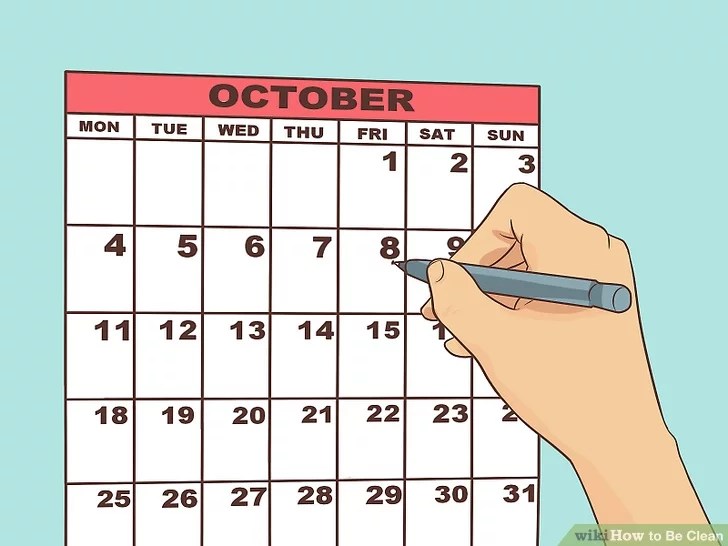
Setting the Foundation for Later: Review your syllabus. Figure out when all of your exams will be and how much of your grade they are worth. Put these dates on your calendar or planner so they don’t sneak up on you!

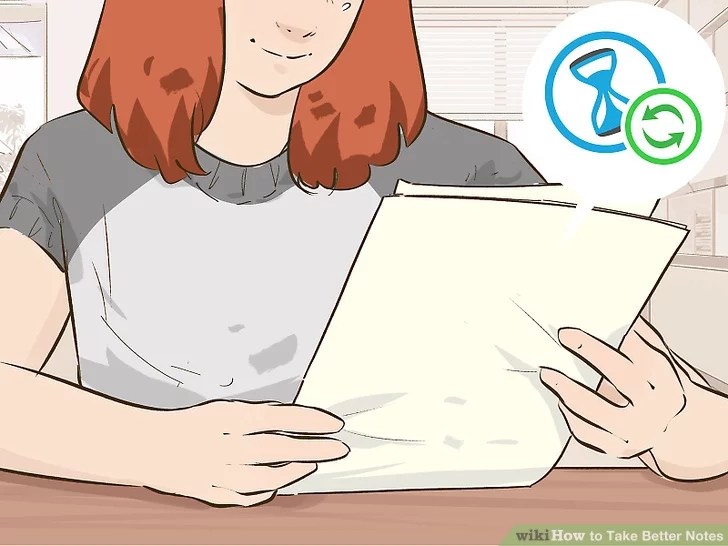
  • Plan review sessions beginning at least a week in advance of each exam. Ideally, you’ll do several mini-reviews well in advance, gradually increase the time in which you study, rather than trying to cram everything into one mega session the night before the test.


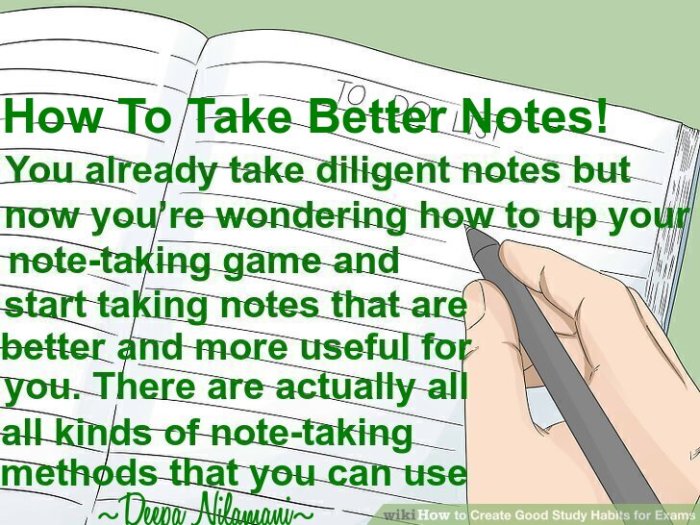
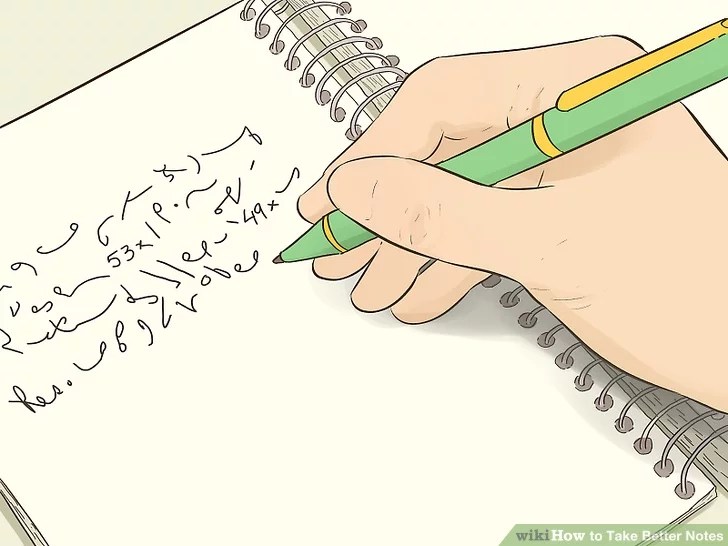
Take good notes
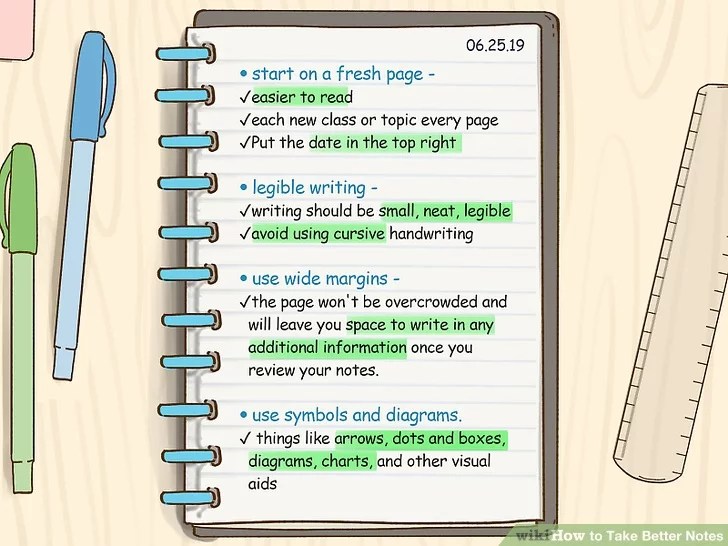
. This is easier said than done, but learning how to take good notes will help you immensely once it comes time to study. Write down everything important I write on . Try to record as much of what I write as possible. Review your notes daily. This will help reinforce the information you just learned.
Make studying a part of your habits. Too often, it’s easy to view studying as something that only gets done at the last minute in a huge overnight cram session. Instead, try setting aside some time every day to study. Scheduling it just like another appointment or class may help you stay motivated to continue the habit. Create a digital or paper timetable to help you schedule your studying “appointments.” Reader Poll: The preferred way to organize study time is by making paper revision timetables. 
Write yourself a study guide. Go through your notes and rewrite the most important information. Not only will this give you a more focused way to study, but it creating it is another form of studying! Just don’t spend too much time on the guide itself: you need to have time to go over it too!

Study in a clean , quiet and orderly room.
 Keep anything and everything away from where you are that may cause you to get distracted. Jumping up to read a text message on your phone or periodically checking social media is not advised whilst studying.

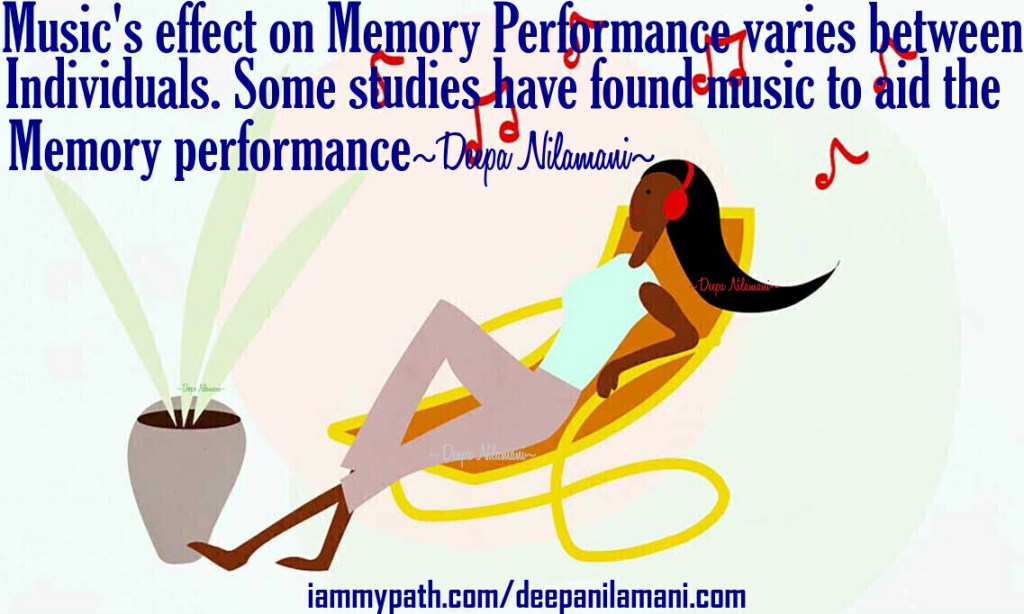
Turn on the light! Studying in a dark room is not recommended. Add lamps at night, or in the daytime, open the window coverings (open the window a little, too). People tend to study and focus better in a brighter, oxygenated room with little noise. Decide if music is right for you. Music’s effect on memory performance varies between individuals. Some studies have found music to aid the memory performance. Classical music appears to be the most effective in enhancing studying performance. You must determine whether you’re better off with or without it. If you do enjoy listening to music whilst studying, make sure you’re actually concentrating on the material you have to study for, and not the catchy tune that’s playing in your head. Below is a “Grand Piano” It has to be opened when Playing. Happy Listening 😀

Above is a map of Europe and You can see “France” and the world’s bestselling pianist RICHARD CLAYDERMAN playing a Beautiful Music on The Grand Piano. I also have played on a piano and I really Love this tune and He is a real Gentleman as you can see.  the most photographed landmark of Paris, the Eiffel Tower in the middle was Constructed by Gustave Eiffel in 1889, it stands tall in the centre of Paris (Capital of France) with a height of 324 meters. The tower has three levels for visitors, with restaurants on the first and second levels. The top level’s upper platform is 276 m (906 ft) above the ground – the highest observation deck accessible to the public This is the tallest building in Paris, Also some pictures of Other places in Europe which I will write later 🙂

  • If you absolutely must listen to music, find instrumental music so that the words in the music don’t interfere with your studying.
  • Listen to background sounds from nature in order to keep your brain active and prevent other noises to distract you. There are several free background noise generators available online.
  • Listening to classical music won’t make you smarter or keep information in your brain, but it may make your brain more receptive to receiving information.

Focus on your work objectives.
 What do you intend to accomplish during this session? Setting a concrete study goal may help you. Creating study plans is also a good idea. If 3 out of 5 lessons are easy and can be finished fast, finish them first, so you can spend quality time on the difficult lessons without fretting. Also, keeping a folder for your exam reviews is a good way to keep organized.

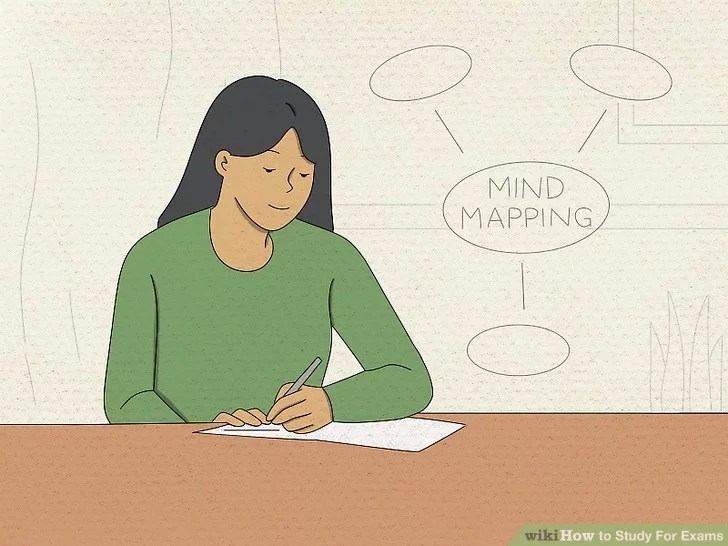
Reinvent your notes in other formats. Rewriting your notes is great if you’re a kinesthetic learner. Mind mapping is the most effective way of doing this. Also, when you re-write something, you will probably think about what you are writing, what it’s about, and why you wrote it down. Most importantly, it refreshes your memory. If you took notes a month ago and just found out that those notes will be relevant in your exam, rewriting them will remind you of them when you need it for your exam. Don’t simply copy your notes over and over again. This tends to lean towards memorizing the exact wording of your notes instead of the actual concepts. Instead, read and think about the contents of your notes (such as think of examples), and then re-word them.
Ask yourself questions about your material. This can help you tell if you have remembered what you just studied. Don’t try to remember the exact wording from your notes in your answer to yourself; synthesizing that information into an answer is a much more useful tactic. It can also help to say the answers to your questions out loud, as if you were trying to explain it to someone else.

Review previous tests and assignments. If you missed questions on previous work, look up the answers and understand why you missed these questions. This is particularly helpful if the exam you’re studying for is cumulative or comprehensive, meaning it covers things you also covered earlier in the course.

Find the right hours. Don’t study when you’re really tired. It’s better to get a good night’s sleep after studying for a short time than to push on at two in the morning. You won’t remember much and you’re likely to see a performance drop the next day.


Start as early as possible.
 Don’t cram. Cramming the night before is proven to be ineffective, because you’re taking in so much information at once that it’s impossible to memorize it at all — in fact, you’ll hardly retain anything. Studying before and going over it multiple times really is the best way to learn the material. Always study when you have the chance, even if it is only for 15 or 20 minutes. These short study periods add up fast! After that make a break of 5 minutes; if needed. Think positive but work hard. Self confidence is important; focusing on how little you’ve studied or how badly you think you will do on the exam just distracts you from working on achieving success. However, this doesn’t mean that you shouldn’t study hard. You still need to work at it, even if you have confidence in yourself. Confidence just keeps away roadblocks to success.
Sleep

While it may be tempting to stay up a little later to study the night before an exam, you may be not helping your marks.

People who have less than six hours of sleep a night have a level of cognitive deficit, but they’re not aware of it. They have a coffee and they feel ok, but their ability to analyse things is severely impacted.

Sleep is so important as there are quite a number of things that happen physiologically during sleep that help store memories for recall.

For most of us, it’s more important to get a decent night’s sleep than to cram and go into the exam on only a few hours of sleep.

So on that note, it’s good luck and good night.

  1. Eat a healthy, light meal. Eat a breakfast, Some king of bread or rice, fruits or and vegetables, whatever you have or eat other days. A sample breakfast might include spinach, toast, and a banana or any other things you have.
  2. 3Bring a snack. If your exam is a long one, bring a snack with you if you’re permitted to do so. Something with some such as a sandwich will help boost your concentration.

Get to the exam room with time to spare. Give yourself at least five or 10 minutes to gather your thoughts before starting the exam. This way, you can get settled in and have time to relax before the test starts. Do the questions you know first. If you don’t know the answer to the question, do the next one and come back to it at the end. concentrating on a question you don’t know the answer to can be time consuming, which makes you lose valuable marks.
Next few posts I am going to give you all some Exam Papers” to “Test Yourselves to see how much You have remembered and learnt” Best of Luck 🙂

Concluding Comments: Finally I Hope You have learnt new Knowledge and also how to do your exams and Succeed in your Life 🙂

Latest Update: 13th April 2024. This is “The 241th Post” and with the “Introductory Page this will be all in Total up to date, 242 posts. On Top Right-Hand side, you are able to see: The word “Menu” when you click on it. You will see the word “Home” All the posts from “The Very Beginning comes ~ Under “Home”. Which is The Introductory Page about: Who I am & Why I am Writing!

I am Moving on as usual with “My Own Journey of Wellness, Encouraging and Healing” So that Everyone can have “Faith, Hope and to Heal” To Lead a Better Life of Good Health, Happiness and Joy”. If you click on the Link, you can Read This Post: The Therapists Voice Forward!

Thank you for Reading and The I net for the picture quotes I have shared and to https://www.online-image-editor.com/ for the Quotes I have done Myself ❤

The Topics in Green, if you “Click” on them “Will take you to My other different posts which you will be able to find more information and even Pronunciation”. I have another website with “My own little Poems and Pictures of some of My Hobbies” if you are interested on seeing, “What else I am doing” during my spare time you can have a look at: https://deepanilamani.com/

As always, it is all free”. You can share and pass it on also for others who can benefit from this post. I hope All those who Read will be able to make the maximum use of all these facts and make, “Your Lives More Healthy and able to Lead Better lives in Happiness and Peace”. I wish it to be so as,” Peace which is our Ultimate Goal in life ❤

Sending Loving Thoughts and Healing Energies To You ❤

May God’s Blessings Be Upon You ❤

Deepa Nilamani ❤

Wishing Star ❤
Flag Counter

Psychology ~ Learning!

Hello To, All My Readers Followers and Blogging Friends ❤

I hope all of you are keeping well. Today I thought of writing about Psychology of Learning. I hope You all will like and learn some new information also.

What is the psychology of learning?

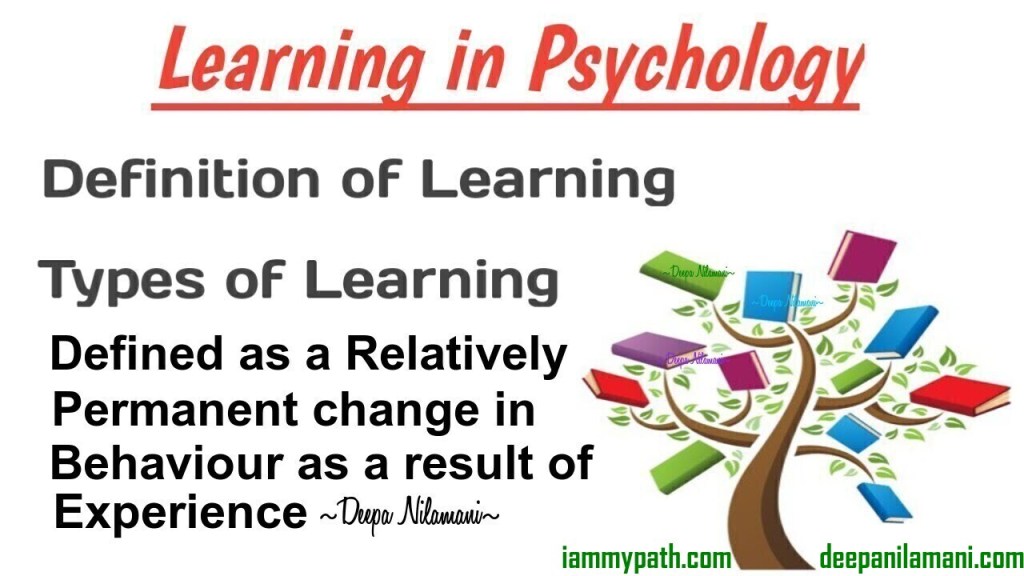
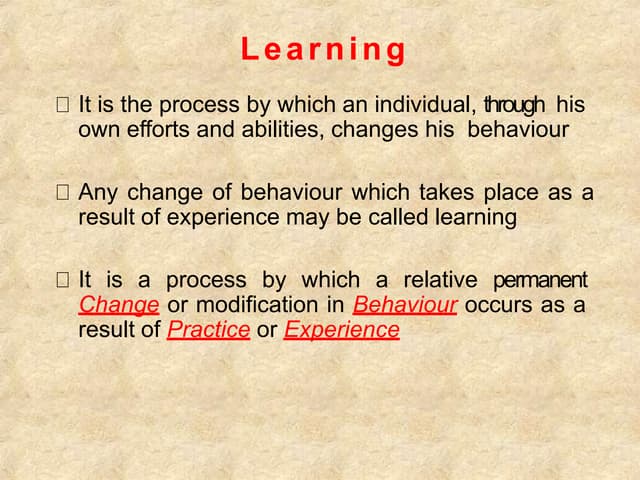
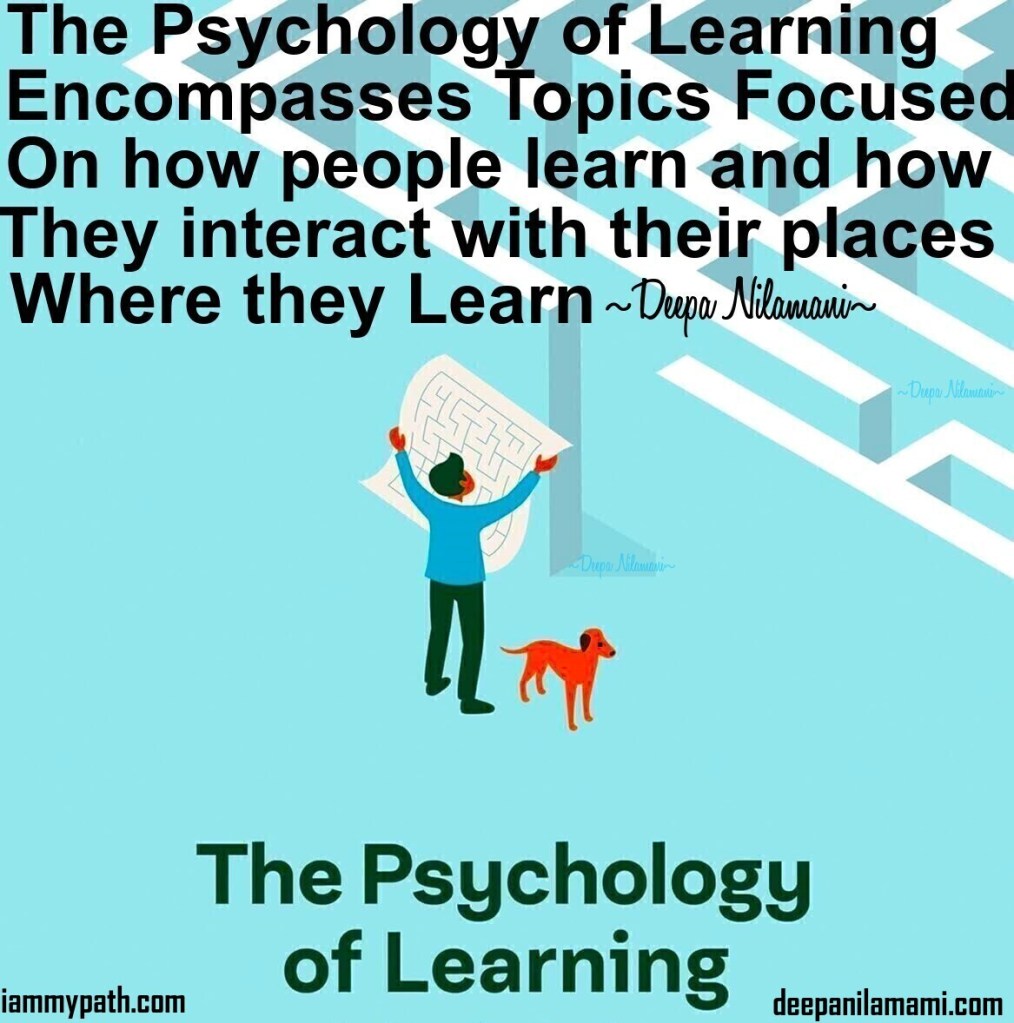
The psychology of learning encompasses a range of topics focused on how people learn and how they interact with the environments in which they learn. It is generally defined as a relatively permanent change in behaviour as a result of experience. The psychology of learning helps researchers, educators and employers understand learning processes and how they work. Psychologists agree that different methods of learning exist, and some people may find certain learning methods easier than others. Differentiating between the approaches to learning can help you understand how the environment can influence the way people learn. 

What is the psychology of learning?

The psychology of learning is a field of science that encompasses theories about how psychology relates to the ways people learn. Scientists have created many theories about learning based on different disciplines, including:

  • Behaviorism
  • Neuroscience
  • Social cognition
  • Social constructivism

What is psychology in theory of learning?

Learning theory in psychology attempts to understand what influences knowledge accumulation, retention, and development over time. While there are many theories, the five main learning theories are behavioral, cognitive, constructive, social, and experiential. Have you ever heard of the learning theory? The learning theory describes how to retain knowledge during learning. Cognitive, emotional, and environmental influences shape a person’s worldview. Behaviorists see learning as an effect of conditioning and an advocate system throughout their education. Obtaining knowledge should be a unique and productive experience for everyone. 

What is behavioral learning theory?

Behavioral learning theory, the first and most prominent perspective of the psychology of learning, is a concept that focuses on how observable events in a person’s external environment impact how they learn new behaviors. Early behaviorists looked for an alternative to relying on internal feelings and memories to describe how and why people learn the way they do. They felt a measurable, observable method would make studying the topic more approachable and reliable. It is to advance the theory, and to implement behavioral learning techniques 

A style of learning refers to an individual’s preferred way to absorb, process, comprehend and retain information. The most simple way of describing ‘learning styles’ is to say that they are different methods of learning or understanding new information, the way a person takes in, understand, expresses and remembers information. There are 4 predominant learning styles: Visual, Auditory, Read and Write, and (Kinaesthetic) kinesthetic is learning links the process of learning to physical activity. It is a learning style during which the learner has to feel or move in order to learn more effectively.

Concluding Comments

The behaviorist perspective was historically a main line of development in the psychology of learning and played a significant role in the study of language learning in the 1950s and 1960s. The cognitive perspective became influential in research on learning and cognition in the 1970s, while recent developments like connectionism and sociocognitive (Think of a time that you have learned a skill or behavior from observing another person) research continue to vitalize the study of language learning. The sociocultural perspective is the youngest of the three, but defines an area of educational research with vital activity during the last decades.


In their broad review of the field of learning and cognition, and to discuss potential future developments and relationships between these theoretical perspectives. One possibility is that the different views will live side by side, complementing each other and analyzing processes of learning at different levels. Another possibility is a somewhat more competitive relation among the perspectives, in which one perspective can provide a kind of synthesis of the others. One theoretical question for the study of how language is learned and how it impacts literacy and academic learning will be the continuing clarification of relations among research perspectives.

I hope what I have written and The Knowledge will be Useful and You have learnt new facts. And also You will be able to Enjoy going through The Picture Quotes as I have done quite bit of Making them more colourful and Attractive I am in Good Health and as, “I have been able to, “Receive Healing Energy into My Hands” since “Beginning of 2016” All my Hard work and Praying has been rewarded. Healing Energy can go to others too, and wherever it is needed to be received with a Clear Mind and Lot of Loving Kindness ❤

Latest Update: 25th March 2024. This is “The 240th Post” and with the “Introductory Page this will be all in Total up to date, 241 posts. On Top Right-Hand side, you are able to see: The word “Menu” when you click on it. You will see the word “Home” All the posts from “The Very Beginning comes ~ Under “Home”. Which is The Introductory Page about: Who I am & Why I am Writing!

Meanwhile I have been getting from WordPress:🎉 Congrats! I am My Path! is getting noticed. 365 others have started receiving updates 😀

I am Moving on as usual with “My Own Journey of Wellness, Encouraging and Healing” So that Everyone can have “Faith, Hope and to Heal” To Lead a Better Life of Good Health, Happiness and Joy”. If you click on the Link, you can Read This Post: The Therapists Voice Forward!

Thank you for Reading and The I net for the picture quotes I have shared and to https://www.online-image-editor.com/ for the Quotes I have done Myself ❤

The Topics in Green, if you “Click” on them “Will take you to My other different posts which you will be able to find more information and even Pronunciation”. I have another website with “My own little Poems and Pictures of some of My Hobbies” if you are interested on seeing, “What else I am doing” during my spare time you can have a look at: https://deepanilamani.com/

If you want to contact me by post, write to; Deepa Nilamani, 65/110-114 Johnson Street, Hillcrest, Queensland 4118, Brisbane, Australia. Remember “You have to send it “” Air Mail to come through Planes, otherwise it can come by Sea Mail from ships which will take very long”

You have to give Your correct Postal Address so that you receive to you itself ❤

September 28th, 2024, soon after My Grandfathers 135th Birthday Celebration, I have been informed that Assets has been released so that I have enough Money to” Carry on My Wish of Giving or sending Gifts All over the World under the “Wishing Star Foundation ~ Gifts!

As always, it is all free”. You can share and pass it on also for others who can benefit from this post. I hope All those who Read will be able to make the maximum use of all these facts and make, “Your Lives More Healthy and able to Lead Better lives in Happiness and Peace”. I wish it to be so as,” Peace which is our Ultimate Goal in life ❤

Sending Loving Thoughts and Healing Energies To You ❤

May God’s Blessings Be Upon You ❤

Deepa Nilamani ❤

Wishing Star ❤
Flag Counter

Psychology ~Behaviour!

Hello To, All My Readers Followers and Blogging Friends ❤

I hope all of you are keeping well. Today I thought of writing about Psychology of Behavior and hope I can write a good article 🙂


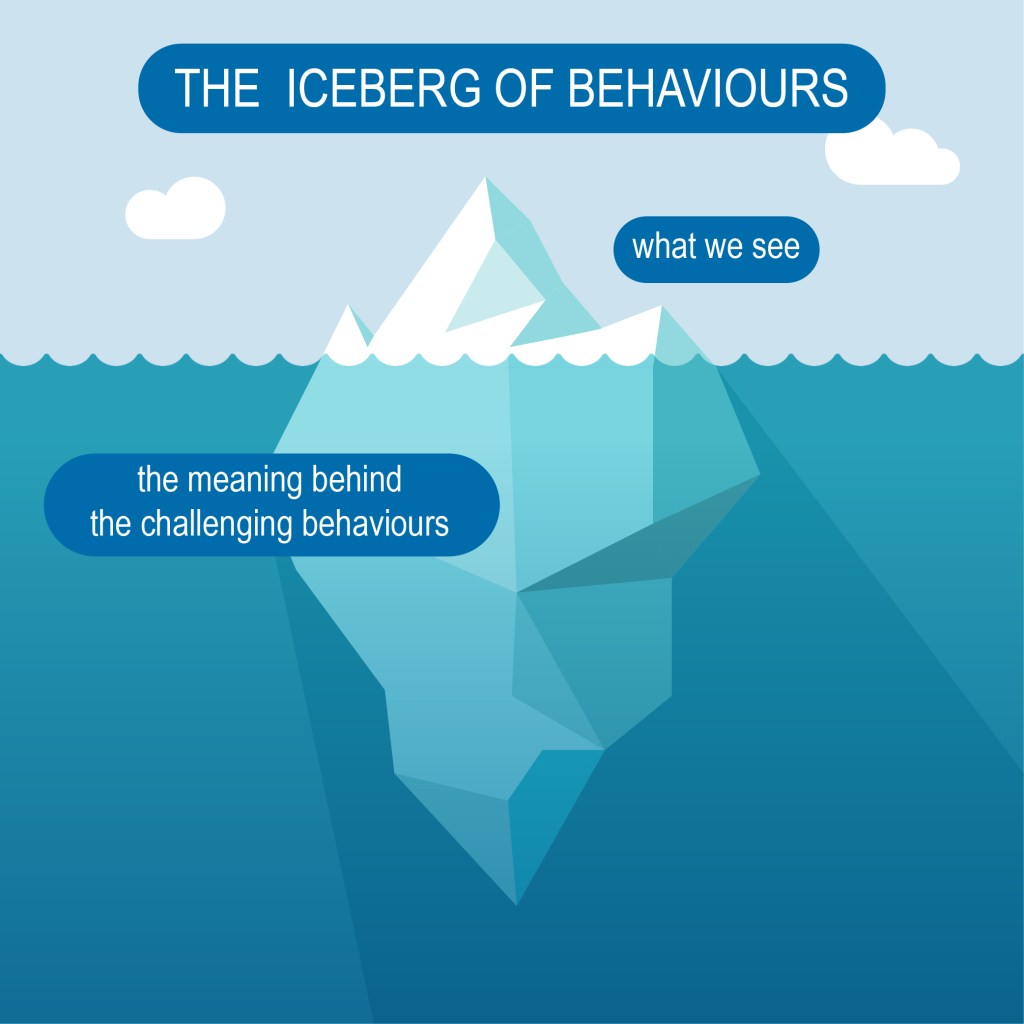
It is tricky to work out what exactly behaviour means, but simply put it is the actions we do everyday. Everything we do is a “behaviour”. 

What is Behavioral Psychology?

Let’s define behavioral psychology. Behavioral psychology is the study of the connection between our minds and our behavior. Sometimes you will hear behavioral psychology referred to as behaviorism. The researchers and scientists who study behavioral psychology are trying to understand why we behave the way we do and they are concerned with discovering patterns in our actions and behaviors. The hope is that if we can use behavioral psychology to help us tell before (predict) how people will behave, we can build better habits as individuals, create better products as companies, and develop better living spaces as communities.

Three Ways to Use Behavioral Psychology Right Now

Behaviours are actions, which when repeated, become habits.  These habits can eventually become automatized.  Gradually a single action can build, becoming a pattern of behaviour, developing neural pathways, becoming an automatic series of actions which once established, requires little cognitive effort to be maintained.  While initially establishing or changing a habit requires a lot of cognitive energy to alter a pattern of behaviour; once the series of actions is established and becomes automatised, little cognitive energy is required for maintenance.

It can take a considerable effort at the beginning – with commitment and persistence throughout – to change a specific action or pattern of behaviours.  There may need to be a significant impetus or motivation to provide a reason for change; to create sufficient determination for a new pattern of behaviour to be created; to be reinforced for long enough to become an established new habit.  Once this new habit no longer requires conscious thought, but is automatically implemented, cognitive thought and effort is no longer required for the new behaviour or habit to occur.

Breaking a habit down to the smallest behaviour can make it easier to change a single action.  A series of individual actions together form a habit, and it is this habit that may need changing.  By making it clear why a habit should be changed and clarifying the explicit reason for the change, this engages the thought process that proceeds any conscious change; however, for this change to occur, action must be accompanied by a strong, persistent motivation.  Consistent, conscious effort will be required to implement these changed actions.

It seems that several actions link together to form patterns of behaviour and these become habits – as Churchill said. Mahatma Gandhi expanded on Churchill’s concept when he stated: “… Your actions become your habits, your habits become your values, your values become your destiny.”  The direct link between actions, habits, values and destiny is important.  The Greek philosopher, Aristotle, said “We are what we repeatedly do.  Excellence, then, is not an act but a habit.” Once again, this links actions, the establishment of habits and values. The interaction and reciprocal dynamic are “We first make our habits and then our habits make us”, referring to the neural pathways that shape the behavioural habit formation – whether these are positive or negative habits.  Actions, patterns of behaviour, habit formation – these all have a role in what we regularly do and who we become as a result of what we do.

What are the 4 Types of Behavior?

  • Physical Actions – What I Do.
  • Non-Verbal Actions-How I Do It.
  • Language – What I Say.
  • Vocal Delivery – How I Say It.

    knowledge doesn’t necessarily translate into better behavior. The first step in changing behavior is understanding which behavior we want to change. This seems obvious. Simple. However, it’s important to prioritize. We often think about the goals we want, but not about the details of how we’re going to get there.

To summarize, when you want to encourage or discourage certain behavior in someone, you should point the norm toward the desired behavior.

Latest Update: 20th March 2024. This is “The 238th Post” and with the “Introductory Page this will be all in Total up to date, 239 posts. On Top Right-Hand side, you are able to see: The word “Menu” when you click on it. You will see the word “Home” All the posts from “The Very Beginning comes ~ Under “Home”. Which is The Introductory Page about: Who I am & Why I am Writing!

Meanwhile I have got this from Tumbler having done 250 Posts 🙂

I hope what I have written and The Knowledge will be Useful and You have learnt new facts. And also You will be able to Enjoy going through The Picture Quotes as I have done quite bit of Making them more colourful and Attractive I am in Good Health and as, “I have been able to, “Receive Healing Energy into My Hands” since “Beginning of 2016” All my Hard work and Praying has been rewarded. Healing Energy can go to others too, and wherever it is needed to be received with a Clear Mind and Lot of Loving Kindness ❤

I am Moving on as usual with “My Own Journey of Wellness, Encouraging and Healing” So that Everyone can have “Faith, Hope and to Heal” To Lead a Better Life of Good Health, Happiness and Joy”. If you click on the Link, you can Read This Post: The Therapists Voice Forward!

Thank you for Reading and The I net for the picture quotes I have shared and to https://www.online-image-editor.com/ for the Quotes I have done Myself ❤

The Topics in Green, if you “Click” on them “Will take you to My other different posts which you will be able to find more information and even Pronunciation”. I have another website with “My own little Poems and Pictures of some of My Hobbies” if you are interested on seeing, “What else I am doing” during my spare time you can have a look at: https://deepanilamani.com/

If you want to contact me by post, write to; Deepa Nilamani, 65/110-114 Johnson Street, Hillcrest, Queensland 4118, Brisbane, Australia. Remember “You have to send it “” Air Mail to come through Planes, otherwise it can come by Sea Mail from ships which will take very long”

You have to give Your correct Postal Address so that you receive to you itself ❤

September 28th, 2024, soon after My Grandfathers 135th Birthday Celebration, I have been informed that Assets has been released so that I have enough Money to” Carry on My Wish of Giving or sending Gifts All over the World under the “Wishing Star Foundation ~ Gifts!

As always, it is all free”. You can share and pass it on also for others who can benefit from this post. I hope All those who Read will be able to make the maximum use of all these facts and make, “Your Lives More Healthy and able to Lead Better lives in Happiness and Peace”. I wish it to be so as,” Peace which is our Ultimate Goal in life ❤

Sending Loving Thoughts and Healing Energies To You ❤

May God’s Blessings Be Upon You ❤

Deepa Nilamani ❤

Wishing Star ❤
Flag Counter

Psychology ~ Coaching!

Hello To, All My Readers Followers and Blogging Friends ❤

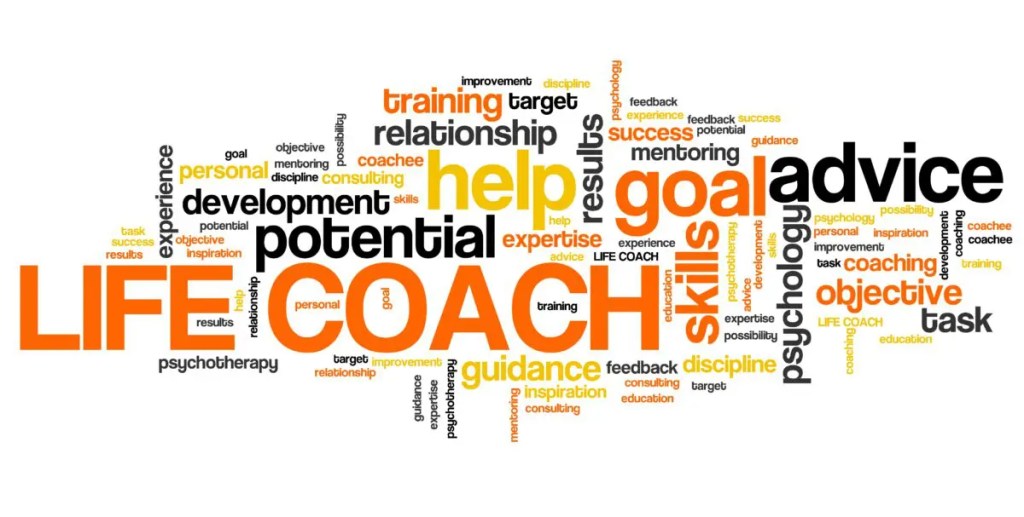
I hope all of you are keeping well, as usual. Today I thought of writing about Psychology of Coaching. So it goes under “Life Coaching”. I have been writing on so many topics almost difficult to find a New Topic as I have posted so many picture Quotes I like to post some New and Different ones. You can pass on and Help others also and even find a bit of “Pocket Money”” if possible 🙂

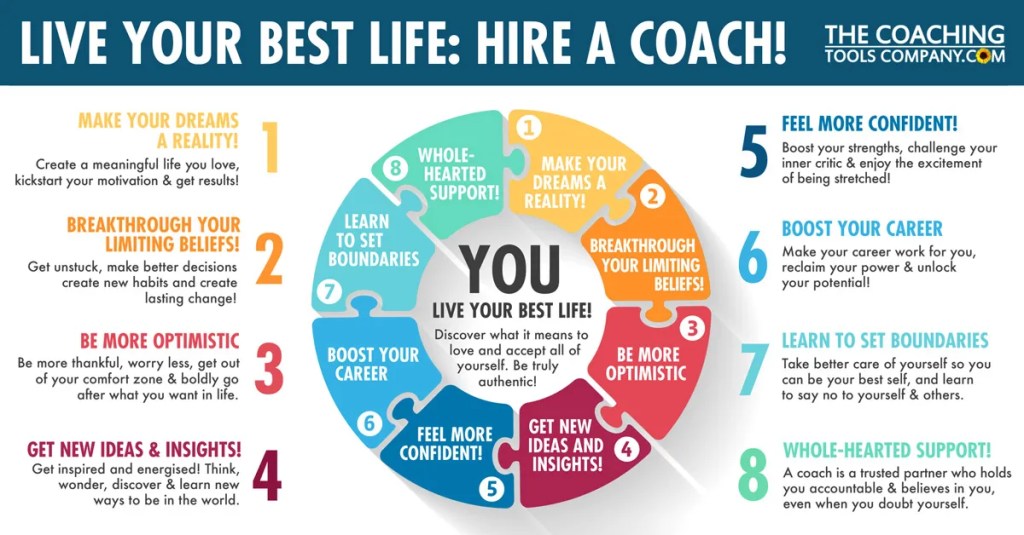
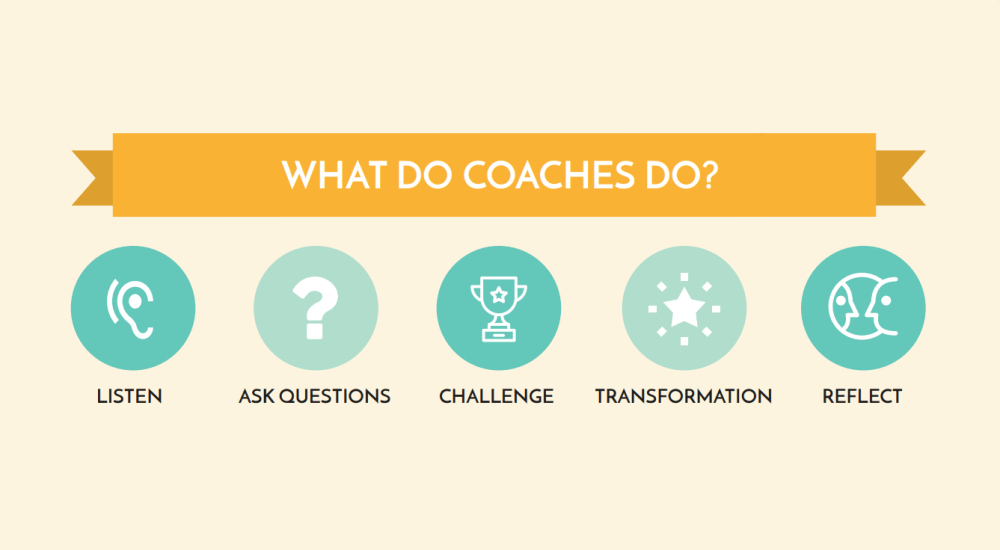
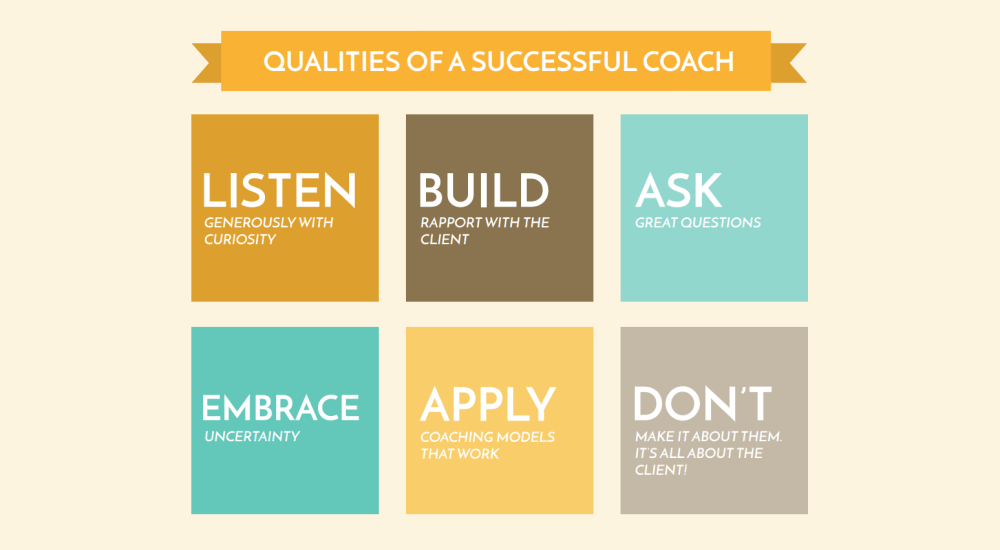
A life coach is a professional who first develops a relationship with their Teaching with their Students, (client) and then coaches them to achieve they are able to do (potential) in their lives .Actually Life Coaches are life Teachers who Teaches and Trains. It can be so many different ways, but what I am doing is , “Coaching” to “Lead a Good Life! Life coaches are more than just professionals who talk to people. They can be life consultants, counselors, motivational speakers, and even the person’s friend. Anyone working in this line of work needs to be able to connect with individuals and help them make the hardest life decisions all while being encouraging. Here is how someone would become a coach of life:

Possess the Right Inherent Skills

Some qualities come naturally and other skills have to be developed in an educational program. They need to really see their qualities to see if they have to succeed in the unique field of life coaching. Some qualities that all life coaches need include:

  • Self-awareness
  • Emotional intelligence
  • Detail-oriented
  • Communication
  • Good thinker
  • Good in understanding
  • Disciplined
  • Open to change
  • Inquiring mind

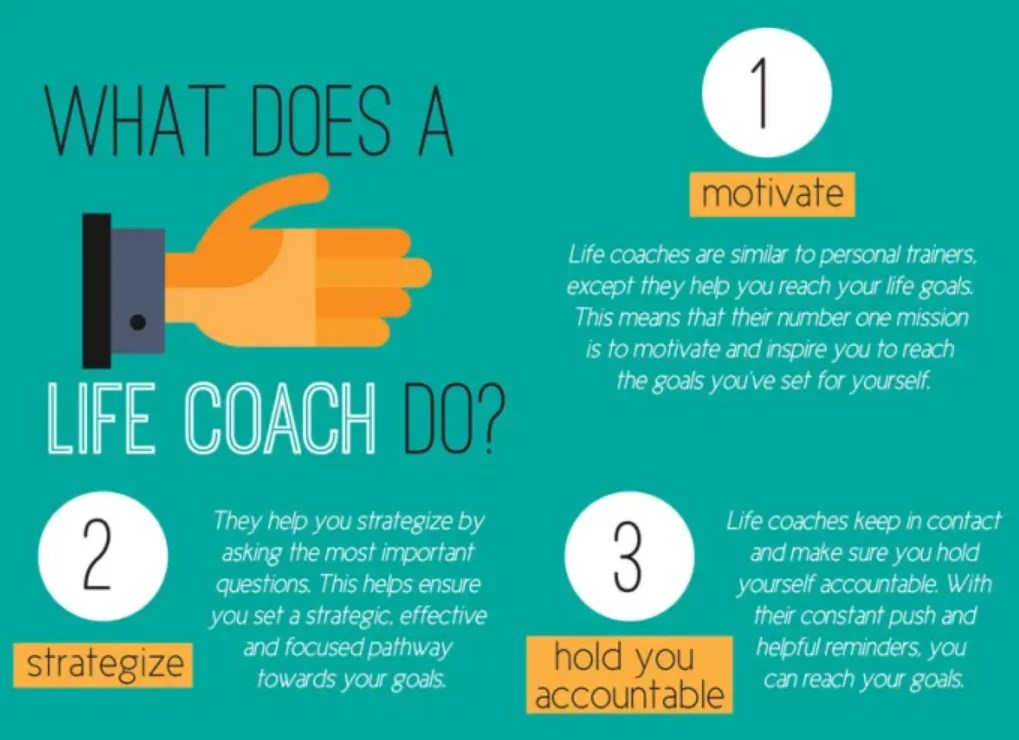
What Does a Life Coach Do?
The life coach’s skill sets are many. However, the general goal of their work is to help their clients see the lives, particularly when the clients’ lives have become confusing. They help their clients make goals and to reach them. They may also encourage their clients to change (modify) their behavior so that it’s possible for the client to reach his or her goals, no matter how trying the action ( process) becomes. Coaches will also (evaluate) know a client’s progress in relation to that client’s life goals.

Differences Between Being a Life Coach and a Therapist:

The term “life coach” is actually a form of ä teacher just as “therapist” is a . Truth Life coaches have areas of expertise just as therapists do. Coaches may also be more focused on helping their clients get immediate results. It isn’t that a therapist doesn’t help his or her clients get results. It’s just that the process of getting the results may take longer with therapy.

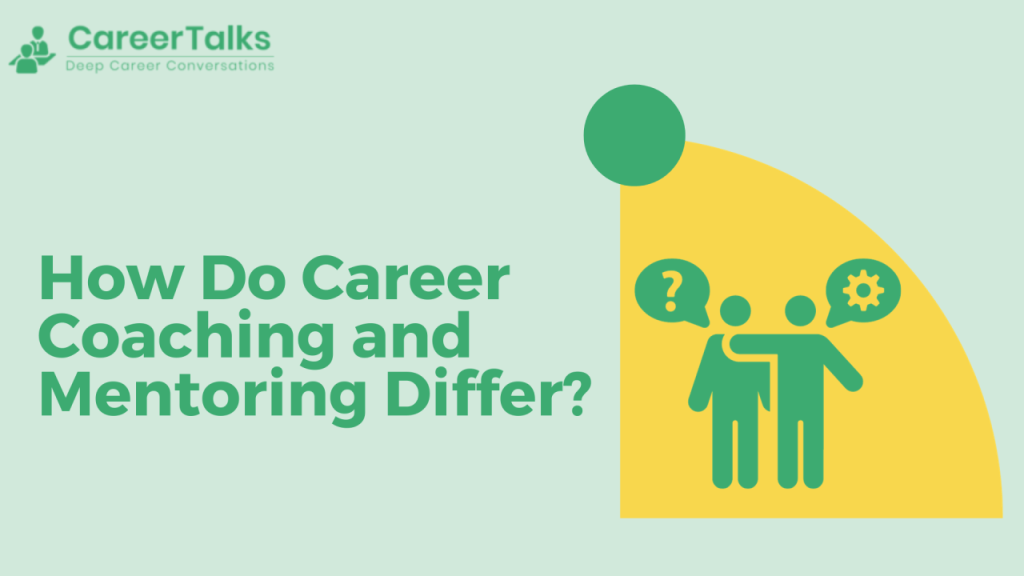
What is the difference between career counseling and career coaching?

Do I need a career counselor or a career coach? I am often asked this question. My answer is that career counselors are the best career coaches available. In my practice I use the terms career counseling and career coaching interchangeably. Career counseling is a process to help a person identify and accomplish goals in the world of work while also taking into consideration the whole person’s needs, wishes, dreams, interests, personality preferences and lifestyle.

The work involves Understanding your past and to help you gain a deeper understanding of your moods and of your thoughts and the way your thoughts influence your moods. The life coaching profession is relatively new compared to psychotherapy. It’s also important to mention that many counselors and psychologists branch out professionally by offering coaching services as well. For many therapists-turned-coaches, this is a good combination. From there, the therapist-turned coach can help the client create newer, healthier goals.

Additionally, some coaching clients will turn to life coaches when they want an accountability partner in their lives. For them, their coach pushes them to set and achieve their goals. The coach becomes their cheerleader when life gets difficult and provides them with ways (strategies) for overcoming the blocks that prevent them from acting on their plans. While nearly every type of coaching client can benefit from having an accountability partner, some clients may find this aspect of coaching particularly helpful. That being said, there is no requirement that an aspiring life coach becomes a therapist first. Again, this is because coaches work a broad variety of industries, not all of them deal with personal psychology.

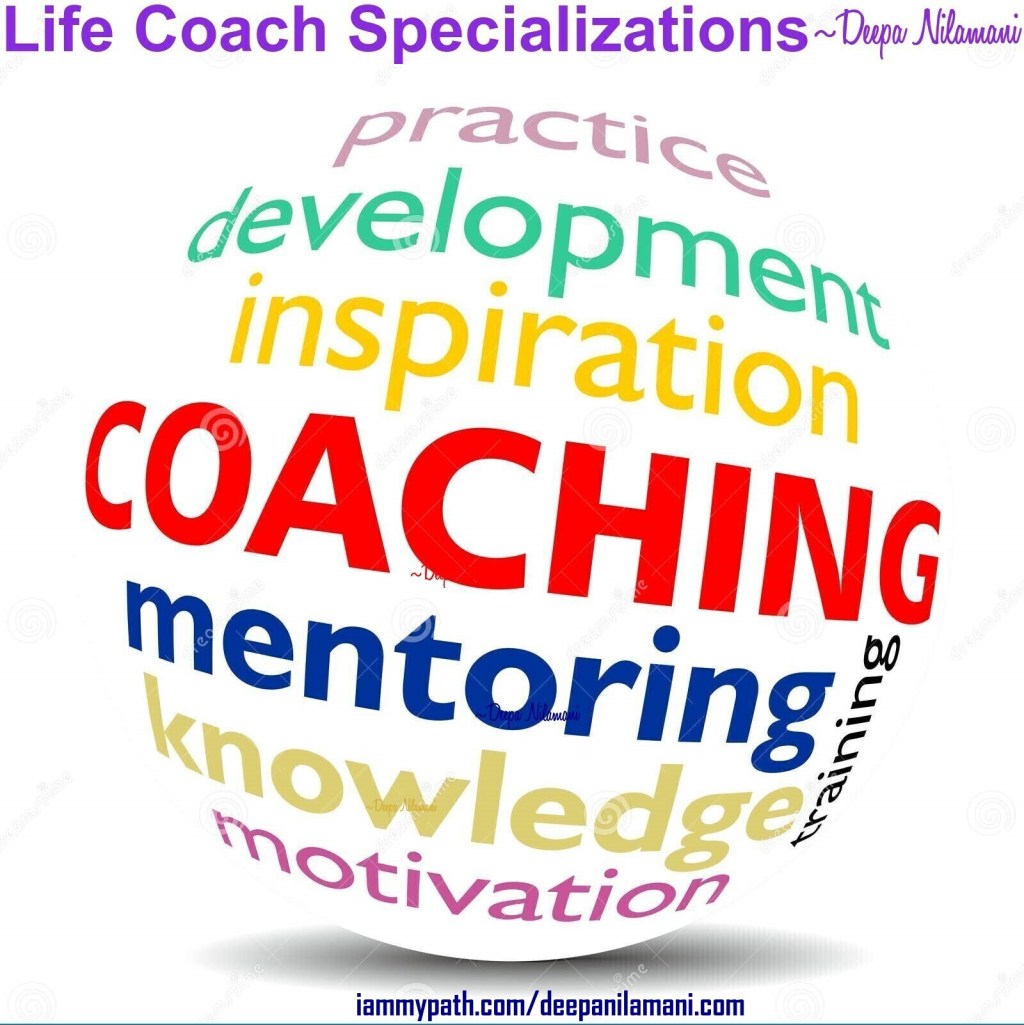
Life Coach Specializations

A life coach’s specialization gives him or her the opportunity to combine coaching with a beloved subject. While some life coaches have training as psychotherapists and counselors, not all life coaches specialize in the therapeutic arts.

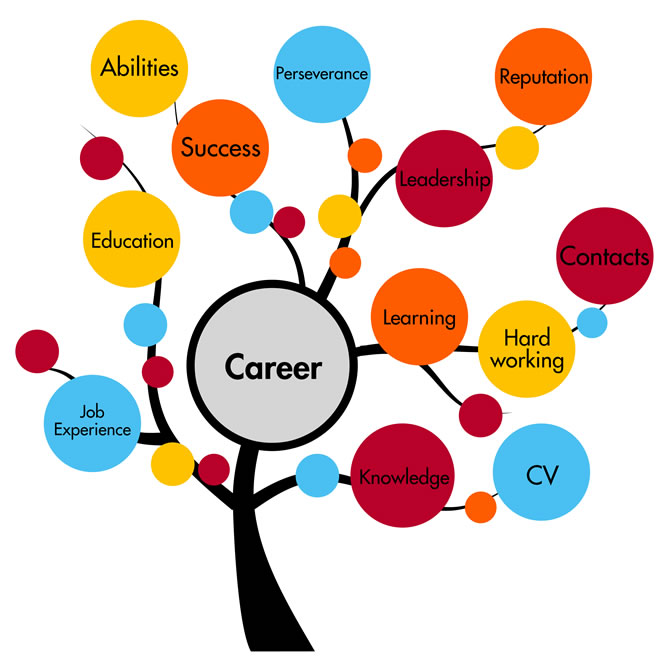
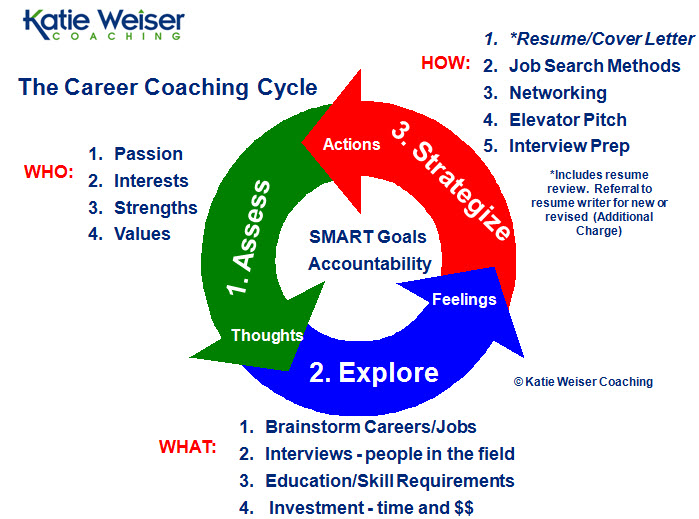
Career coaches guide people in all the stage of their careers. They encourage their clients to take a leap into a new career or to get additional training for their current career. A career coach may also help their clients decide if it’s the right time to retire. In this respect, career coaches are life coaches because a person’s career affects his or her whole life. It can also affect a person’s health and mental well-being. In light of that, having someone who will help them to use their talents and move into the next phase of their careers provides coaching clients with the perspective they need to make changes in their work lives. Perfect for students, new grads, and those dissatisfied with their current job OR a professional wanting a MENTOR to help them with specific career issues.

Some life coaches deal with the spiritual side of things by becoming spiritual coaches. This topic is broad and can have many subjects within the main topic, which opens up additional coaching channels. For example, the practice of yoga or meditation can become the foundation of the spiritual life coach’s work. Religious studies and textual studies can also become the foundation of a life coaching business. It’s only intended to give aspiring life coaches a look at the possible career specializations that are available to them. The reality of the matter is it’s possible to become a coach in the art field, in the sciences, in technology, in marketing and more by combining the knowledge of these fields with the skills of a life coach. However, it’s also important to point out that the possibilities for training in the field are quite broad now.

Get Training

As much as someone might have a born-to-coach personality, that doesn’t mean that life coaches don’t need to complete training. Professionally, there are methodologies and ethical practices to learn in the life coaching arena that someone who is new to the field would need to train for. This is why there are training programs for prospective coaches who have an innate ability to connect with people.

Where Do Life Coaches Work?

Life coaches don’t have the restrictions that therapists do. They can work anywhere where it’s comfortable and easy to write and discuss certain state in order to work. That being the case, they have plenty of options when it comes to where they work. You can work at home to make the coaching sessions more convenient for the client.

A life coach is a professional who provides guidance and support to individuals in their personal development and helps them achieve their goals. Life coaching sessions are typically focused on personal growth and may involve discussing and setting goals, exploring values and beliefs, identifying obstacles and challenges, and developing strategies to overcome them.

During a life coaching session, the life coaching client may be asked to reflect on their lives and consider what changes they want to make in order to reach their desired level of personal growth or professional development. The life coach may then work with the client to create a plan of action, and provide support and accountability as the client takes steps towards achieving their goals.

Overall, a life coach serves as a partner in the personal growth journey, helping clients to overcome obstacles, build confidence, and create a fulfilling life!

If you think you’re ready to work with a life coach, here’s a quick four things you should know first.

  1. Life coaching is different from counselling. Unlike a therapist, but are instead a guide to help you work within your own goals or simply improve your personal decisions.
  2. There are lots of different coaching ways out there that life coaches use, so you have to find a life coach that has a matching personality and mindset as yours to make sure they’re a good fit.
  3. You should try to find a life coach that has qualifications in the areas of study that you’re interested in. Whether you want help motivating yourself there’s a life coach that has experience and qualifications to help achieve your goals.
  4. Life coaching can be a long-term process but it’s also very rewarding. You’re ready to work with a life coach when you can commit the necessary time and resources to improve yourself, your mental health and your professional life. 

Managing work well

One of the most popular areas of study that coaches work with/ if you doo not like your job and are looking for a change, then life coaches can help with that. Or, if you just want to make some small adjustments to how you manage your work schedule to get the most from your job, that’s a possibility, too.

Life coaches can help you find a proper work-life balance to help manage your stress and workload. A big part of that is the logistics of your work arrangement. Some are switching to remote workplaces, meaning their employees can work from their homes (or anywhere). If you’ve ever wondered if working remotely can benefit you, then a life coach can help you weigh the options.

Finally, while coaching and therapy are different but related fields, many people who have training as therapists and counselors like to get additional training in life coaching. This allows them to tap into their training in psychology to help their clients even more.

Latest Update: 29 February 2024. This is “The 236th Post” and with the “Introductory Page this will be all in Total up to date, 237 posts. On Top Right-Hand side, you are able to see: The word “Menu” when you click on it. You will see the word “Home” All the posts from “The Very Beginning comes ~ Under “Home”. Which is The Introductory Page about: Who I am & Why I am Writing!

 I hope what I have written and The Knowledge will be Useful and You have learnt new facts. And also You will be able to Enjoy going through The Picture Quotes as I have done quite bit of Making them more colourful and Attractive I am in Good Health and as, “I have been able to, “Receive Healing Energy into My Hands” since “Beginning of 2016” All my Hard work and Praying has been rewarded. Healing Energy can go to others too, and wherever it is needed to be received with a Clear Mind and Lot of Loving Kindness ❤

 I am Moving on as usual with “My Own Journey of Wellness, Encouraging and Healing” So that Everyone can have “Faith, Hope and to Heal” To Lead a Better Life of Good Health, Happiness and Joy”. If you click on the Link, you can Read This Post: The Therapists Voice Forward!

Thank you for Reading and The I net for the picture quotes I have shared and to https://www.online-image-editor.com/ for the Quotes I have done Myself ❤

The Topics in Green, if you “Click” on them “Will take you to My other different posts which you will be able to find more information and even Pronunciation”. I have another website with “My own little Poems and Pictures of some of My Hobbies” if you are interested on seeing, “What else I am doing” during my spare time you can have a look at: https://deepanilamani.com/

As always, it is all free”. You can share and pass it on also for others who can benefit from this post. I hope All those who Read will be able to make the maximum use of all these facts and make, “Your Lives More Healthy and able to Lead Better lives in Happiness and Peace”. I wish it to be so as,” Peace which is our Ultimate Goal in life ❤

Sending Loving Thoughts and Healing Energies To You ❤

May God’s Blessings Be Upon You ❤

Deepa Nilamani ❤


Flag Counter