Goal Setting!

Hello to, All My Dear Readers, Followers and My Blogging Friends ❤

Hope as usual all of you are keeping well some of you must be having Summer or warm weather. But here in Aussie it is still very cold, soon it will be warmer, and Spring waiting for warmer times. I want to continue writing under Professional Counselling have thought of writing on Goal Setting!

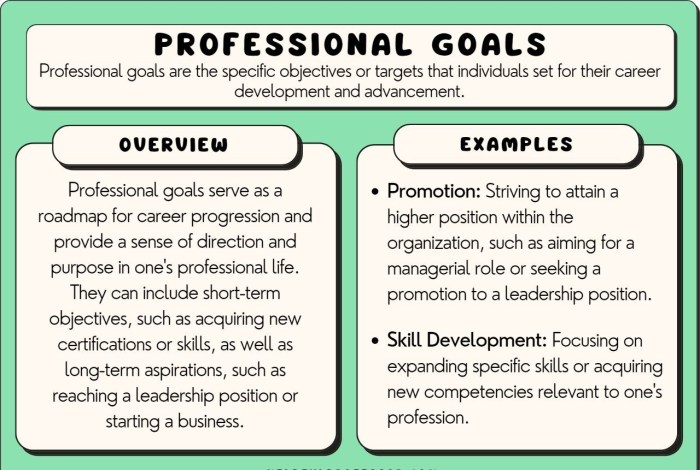
What is Goal Setting?
Goal setting is a powerful motivator, the value of which has been recognized in an abundance of clinical and real-world settings for over 35 years. Goals,’ are “the object or aim of an action, for example, to attain a specific standard of proficiency, usually within a specified time limit.” They are the level of competence that we wish to achieve and create a useful lens through which we assess our current performance.

Goal setting is the process by which we achieve these goals. The importance of the goal-setting process should not go unappreciated. Every person’s life depends on the process of choosing goals to pursue.

Why Is Goal Setting Important?

Initially, research into goal setting attempted to ascertain how the level of intended achievement (goal) is related to the actual level of achievement (performance) in an organizational setting

Goal setting increases employee motivation and organizational commitment Additionally, goals affect the intensity of our actions and our emotions. The more difficult and valued a goal is, the more intense our efforts will be in order to attain it, and the more success we experience following achievement
Through the experience of success and the positive emotions that accompany it, confidence and belief in our own abilities grow. Participation in goal setting encourages a search for new strategies to aid success. Finding novel ways to utilize our skills and push our abilities increases task-relevant knowledge while enhancing self-efficacy and self-confidence.

Goal setting involves planning for the future. and goal setting and skill-oriented planning significantly improved subjective wellbeing in those who took part in a goal-setting intervention program. Thinking positively about the future bolsters our ability to create goals and consider the actions required to achieve them.

The capacity to plan positively impacts our perceived control over goal outcomes and our future Furthermore, goal setting and achievement can promote the development of control.

While individuals with an external locus of control believe that both positive and negative outcomes are the result of external influences, those with an internal locus of control believe that success is determined by their own actions and skills.

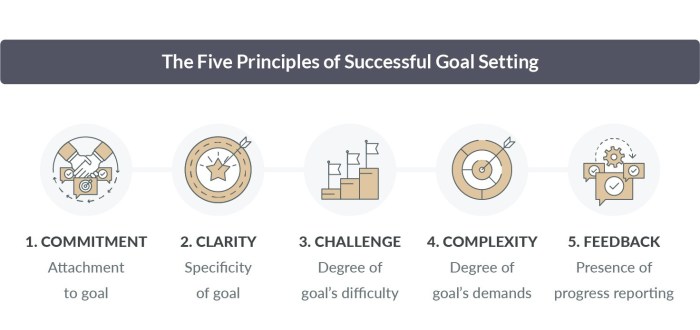
Key Principles of Goal Setting

1. Commitment

Commitment refers to the degree to which an individual is attached to the goal and their determination to reach it – even when faced with obstacles. Goal performance is strongest when people are committed, and even more so when said goals are difficult.

Once they’re committed, if an individual discovers their performance is inadequate, they are likely to increase their effort or change their strategy in order to attain it. When we are less committed to goals – particularly more challenging goals – we increase the likelihood of giving up.

A number of factors can influence our commitment levels of Namely, the perceived desirability of a goal and the perceived ability of achieving it. To be successful, you must possess the desire and a comprehensive understanding of what is required to achieve your goal.

2. Clarity

Specific goals put you on a direct course. When a goal is vague, it has limited motivational value. Goal clarity is positively related to overall motivation and satisfaction in the workplace.

Set clear, precise and unambiguous goals that are implicit and can be measured. When a goal is clear in your mind, you have an improved understanding of the task at hand. You know exactly what is required and the resulting success is a further source of motivation.

3. Challenging

Goals must be challenging yet attainable. Challenging goals can improve performance through increased self-satisfaction, and the motivation to find suitable strategies to push our skills to the limit (Locke & Latham, 1990). Conversely, goals that are not within our ability level may not be achieved, leading to feelings of dissatisfaction and frustration.

We are motivated by achievement and the anticipation of achievement. If we know a goal is challenging yet believe it is within our abilities to accomplish, we are more likely to be motivated to complete a task.

4. Task complexity

Overly complex tasks introduce demands that may mute goal-setting effects. Overly complex goals that lie out of our skill level may become overwhelming and negatively impact morale, productivity, and motivation.

The timescale for such goals should be realistic. Allowing sufficient time to work toward a goal allows opportunities to reassess the goal complexity, while reviewing and improving performance. Even the most motivated of people can become disillusioned if the task’s complexity is too great for their skills.

5. Feedback

Goal setting is more effective in the presence of immediate Feedback – including internal feedback – helps to determine the degree to which a goal is being met and how you are progressing.

Unambiguous feedback ensures that action can be taken if necessary. If performance falls below the standard required to achieve a goal, feedback allows us to reflect upon our ability and set new, more attainable, goals. When such feedback is delayed, we cannot evaluate the effectiveness of our strategies promptly, leading to a potential reduction in the rate of progress.

When we perceive our progress towards a goal as adequate, we feel capable of learning new skills and setting more challenging future goals. I Have Qualified!

8 Interesting Facts on Goal Setting

  1. Setting goals and reflecting upon them improves academic success. Around 25% of students who enroll in 4-year university courses do not complete their studies – common explanations for this include a lack of clear goals and motivation. Goal-setting intervention programs have been shown to significantly improve academic performance.
  2. Goals are good for motivation and vice versa. Most definitions of motivation incorporate goals and goal setting as an essential factor. For example, “Motivation is the desire or want that energizes and directs goal-oriented behavior.”
  3. Goal setting is associated with achieving the optimal conditions for flow state. Setting clear goals that are both challenging yet within your skill level is a powerful contributor to finding yourself in ‘the zone’.
  4. An optimistic approach to goal setting can aid success. Research into goal-setting among students indicates that factors such as hope and optimism have a significant impact on how we manage our goals.
  5. Goals that are both specific and difficult lead to overall improved performance. Comparisons between the effect of non-specific goals such as “I will try to do my best” and specific, challenging goals suggest that people do not tend to perform well when trying to ‘do their best’. A vague goal is compatible with multiple outcomes, including those lower than one’s capabilities.
  6. People with high efficacy are more likely to set challenging goals and commit to them. Individuals who sustain belief in their abilities under the pressure of challenging goals tend to maintain or even increase their subsequent goals, thereby making improvements to ensuing performances. Conversely, individuals who lack this confidence have a tendency to lower their goals (making them easier to achieve) and decrease their future efforts.
  7. Social influences are a strong determinant in goal choice. While the impact of social influences on goal achievement may diminish with increased task-specific knowledge, social influences remain a strong determinant of goal choice.
  8. Goal setting is a more powerful motivator than monetary incentives alone. goal setting to be the major mechanism by which other incentives affect motivation. Within the workplace, money was found most effective as a motivator when the rewards offered were contingent on achieving specific objectives.

Research and Studies

A multitude of studies has shown that setting challenging yet attainable goals increases the prospect of pursuing and fulfilling ambitions.

The setting of clear goals is more likely to close the gap between current ability and the desired objectives. With this in mind, let’s look at some of the research related to goal setting.

Goal setting in physical therapy

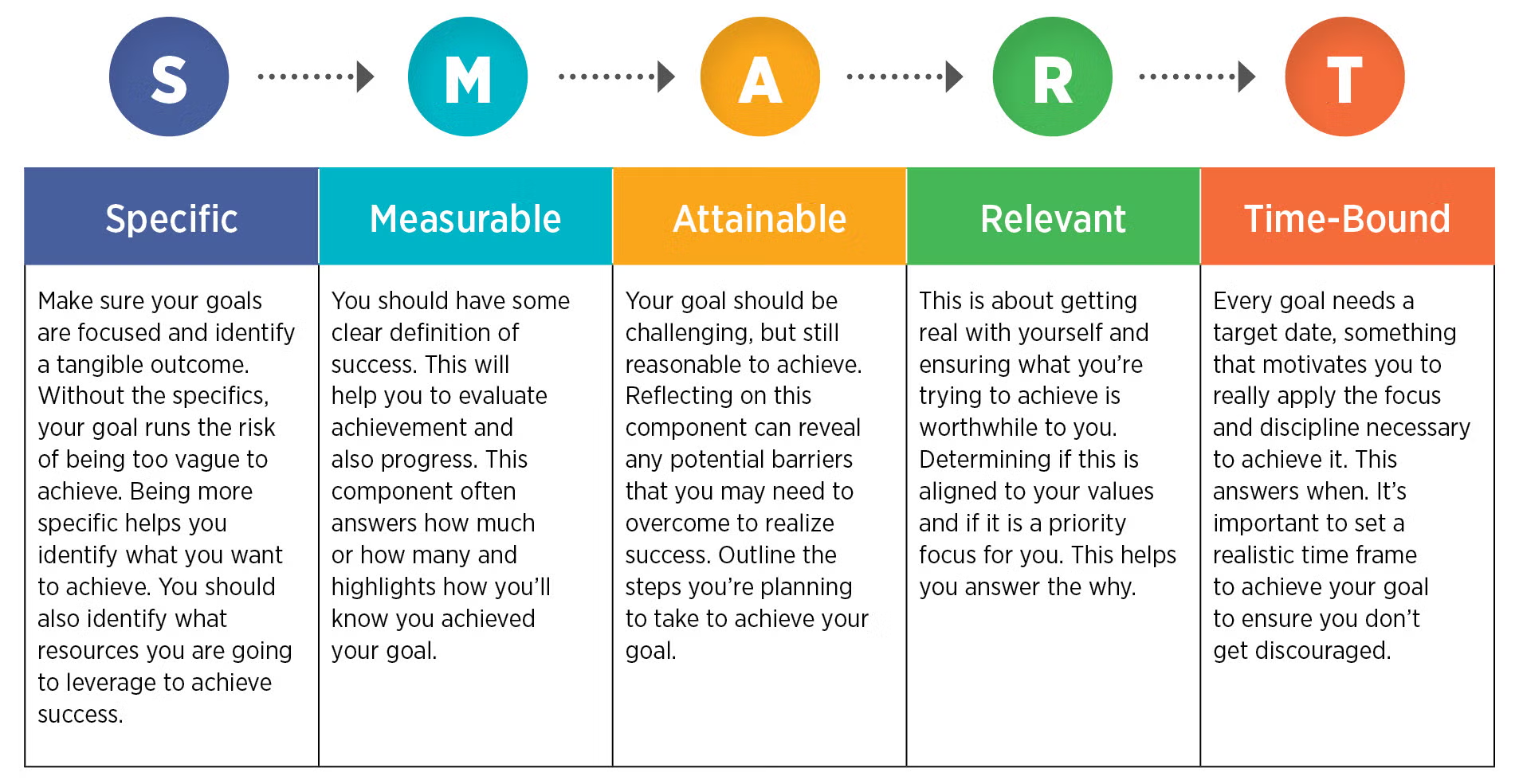
SMART goal setting is a traditional method used within the practice of physical therapy. use of goal setting in improving and measuring physical therapy effectiveness. The study suggested that active participation by the patient in the goal-setting therapy process is of primary importance to the attainment of goals.

How and Why Goal Setting Works

When done correctly, goal setting is effective and often critical to success. Goals give us direction by focusing attention on goal-relevant behavior and away from irrelevant tasks goal setting works through three basic propositions:

  1. Goals energize performance through the motivation to expend the required effort in line with the difficulty of the task.
  2. Goals motivate people to persist in activities over time.
  3. Goals direct people’s attention to relevant behaviors and away from behaviors which are irrelevant or detrimental to the achievement of the task.

As previously discussed, goals that are specific and challenging lead to higher levels of performance. suggested that these types of goal strategies work more effectively for the following reasons:

  1. Specific and challenging goals are associated with higher self-efficacy (the belief in our own skills and abilities).
  2. They require higher performance and more effort to elicit a sense of satisfaction.
  3. Specific goals are less ambiguous in terms of what constitutes good performance.
  4. Challenging goals are more likely to result in outcomes that are valued by the individual.
  5. They encourage a tendency to persist with a task for longer.
  6. The more specific and challenging the goal is, the more attention an individual will dedicate to it, often utilizing skills that have previously gone unused.
  7. They motivate individuals to search for better strategies and to plan ahead.

This Article Contains

Another fantastic tool in Goal Setting is to create a Visual Plan that you look almost every day is to make a Vision board. You can find whatever that you can paste, even from an old cardboard box or a cork board. Find some old magazines and a pair of scissors and gum to paste. And find what pictures of what your goal is. I have done this before. This is what I have done when I wanted to start writing. See how far I have come and become I didn’t win that was the very beginning picture 🙂 How To Make A Collage!

This also I did to post and show 🙂

If you can sew or like to make some sort of sewing like dresses or toys or whatever you can find just some leftover pieces. Even from someone who sews or from some old magazines 🙂


A Take-Home Message
We all have the capacity to adapt and to achieve our personal expectations. we raise the bar in relation to our own potential and push ourselves to achieve Higher things. Effectiveness of Adlerian Theory Recent studies have also supported Adler’s belief in the importance of the therapeutic relationship. The therapeutic alliance has been shown to affect treatment outcomes across a range of conditions, therapeutic modalities, and contexts. In other words, a greater sense of social connectedness rooted in caring for others, connecting with the community, and finding a sense of purpose is linked to improved mental health and well-being.

I hope what I have written, and The Knowledge will be Useful and You have learnt new facts. And also, You will be able to Enjoy going through The Picture Quotes as I have done quite bit of Making them more colourful and Attractive I am in Good Health and as, “I have been able to, “Receive Healing Energy into My Hands” since “Beginning of 2016” All my Hard work and Praying has been rewarded. Healing Energy can go to others too, and wherever it is needed to be received with a Clear Mind and Lot of Loving Kindness 

Have you incorporated any goal-setting techniques to help you on your way to success? Or maybe you are tempted to make a start on your own plan? How are you going to turn your goal setting into goal getting? Let Me know in the comments below.

Latest Update: 29th of August 2025. The website continues for the New and old Readers, Followers and Blogging Friends. This is “The 286th Post” and with the “Introductory Page this will be all in Total up to date, 287 posts. On Top Right-Hand side, you are able to see: The word “Menu” when you click on it. You will see the word “Home” All the posts from “The Very Beginning comes ~ Under “Home”. Which is The Introductory Page about: Who I am & Why I am Writing!

The new Topics “On the Left-Hand side “Under the Recent Posts, with “The latest Topics adding up”

The “COLOURED TOPICS IN GREEN”, if you “Click” on them “Will take you to other different posts of Mine which you will be able to find more information and even Pronunciation”. I have another website with “My own little Poems and Pictures of some of My Hobbies” if you are interested on seeing, “What else I am doing” you can have a look at: https://deepanilamani.com/

As always, it is all free”. You can share and pass it on also for others who can benefit from this post. I hope All those who Read will be able to make the maximum use of all these facts and make, “Your Lives More Healthy and able to Lead Better lives in Happiness and Peace”. I wish it to be so as,” Peace which is our Ultimate Goal in Life ❤

Sending Many Blessings of Good Health and Healing Energies your way ❤

Thanking the I net for the pictures I have shared ❤

May Gods Blessings Be Upon You ❤

Deepa Nilamani ❤

Flag Counter

Ayurveda ~ Values of Cashew!

Hello to, All My Dear Readers, Followers and My Blogging Friends ❤

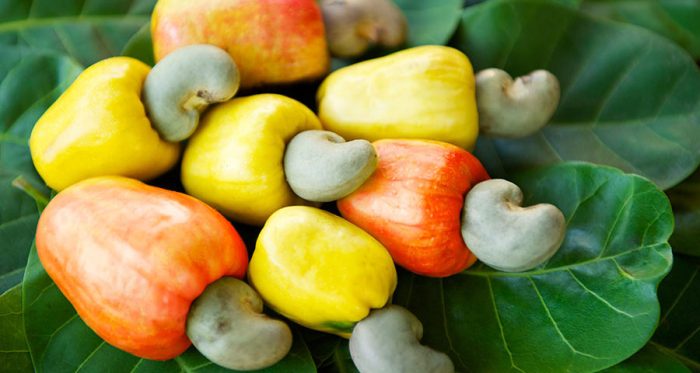
Hope all of you are keeping well. It’s very very cold but I am continuing to write, being on Ayurveda I thought of Enlightening on Values of Food for being in Good Health. As so many are not aware of the Values of Fruits and Vegetables and most importantly Herbs. Although this is a very popular nut where almost all like to eat, even me 🙂 very few know how they grow!

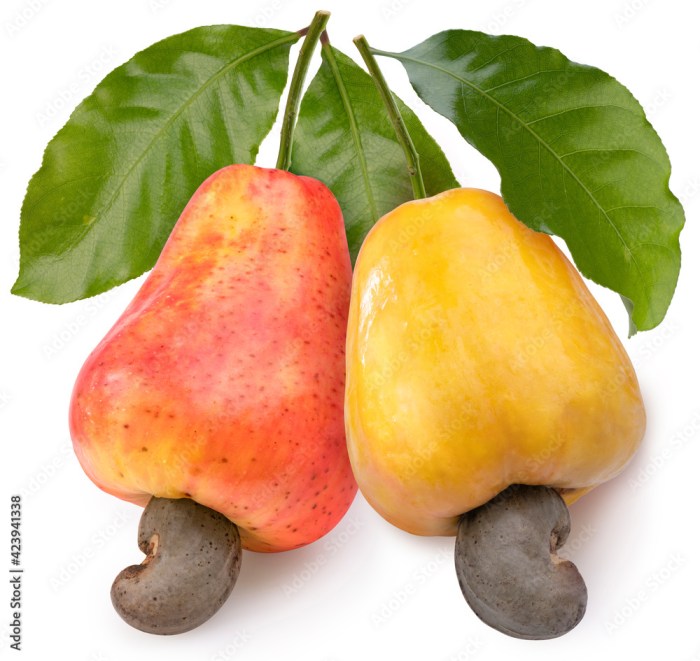
Cashew is the common name of a tropical evergreen tree. It is native to South America and is the source of the cashew nut and the cashew apple, an accessory fruit. The tree can grow as tall as 14 meters (46 feet), but the dwarf cultivars, growing up to 6 m (20 ft), prove more profitable, with earlier maturity and greater yields. The cashew nut is edible and is eaten on its own as a snack, used in recipes, or processed into cashew cheese or cashew butter. The nut is often simply called a ‘cashew’. The cashew apple is a light reddish to yellow fruit, whose pulp and juice can be processed into a sweet, fruit drink. In 2023, 3.9 million tons of cashew nuts were harvested globally, led by the Ivory Coast and India. In addition to the nut and fruit, the shell yields derivatives used in lubricants, waterproofing, and paints.

The English name derives from the Portuguese name for the fruit of the cashew tree: Caju (Portuguese pronunciation: also known as acaju, which itself is from the Tupi word acajú, literally meaning “nut that produces itself”. The generic name Anacardium is composed of the Greek prefix ana- (ἀνά-aná, ‘up, upward’) It possibly refers to the heart shape of the fruit, to “the top of the fruit stem”. The plant has diverse common names in various languages among its wide distribution range,including anacardier (French) with the fruit referred to as pomme de cajoucaju (Portuguese pronunciation: [kaˈʒu]), or acaju (Portuguese).

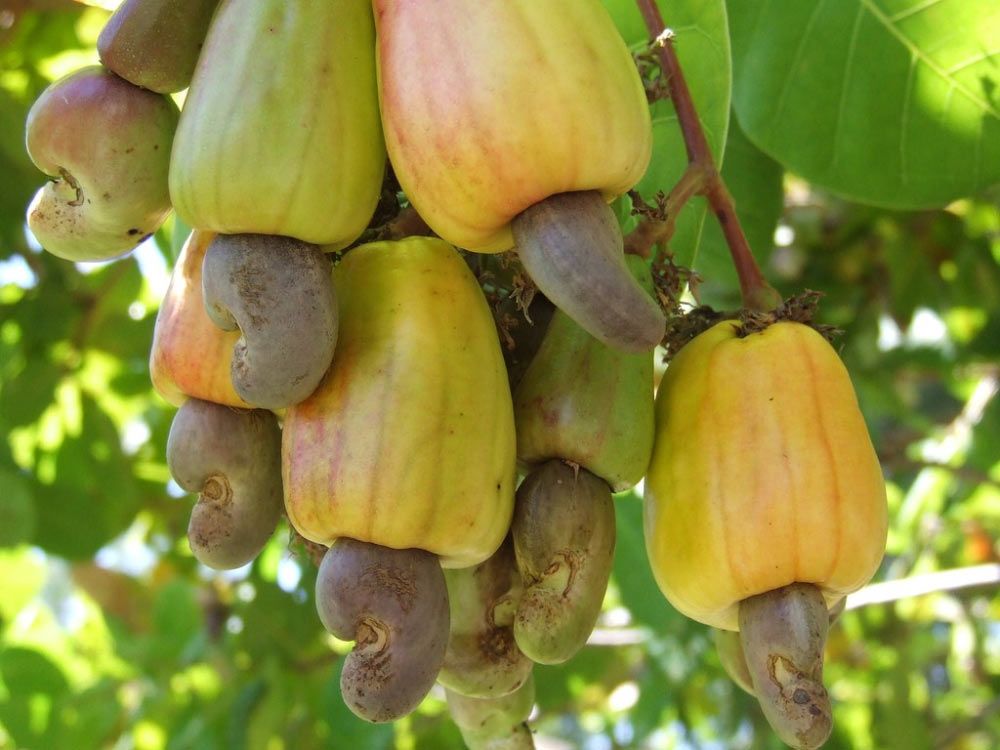
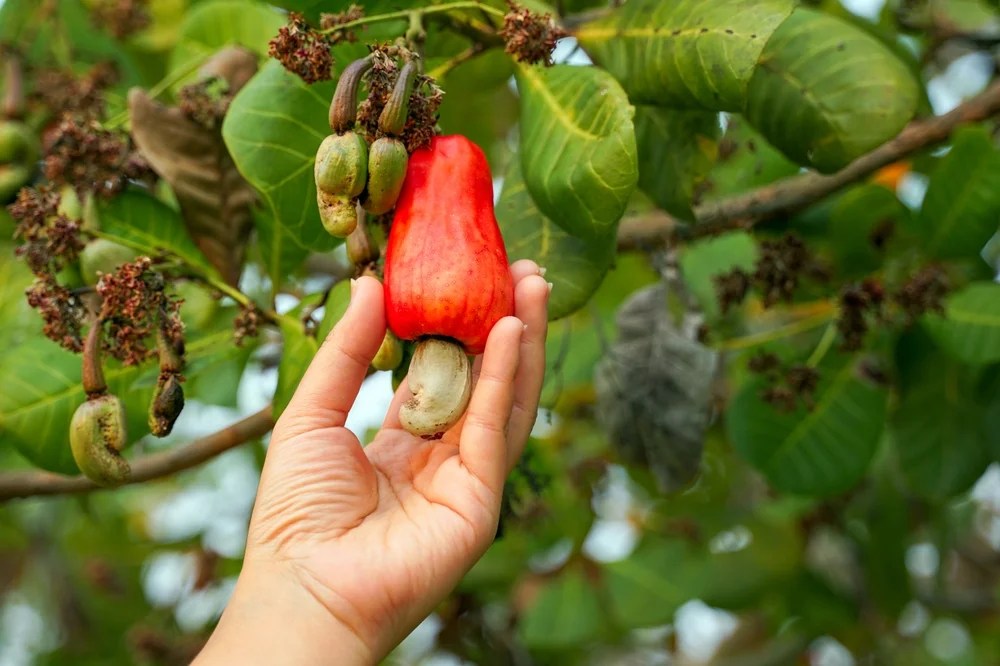
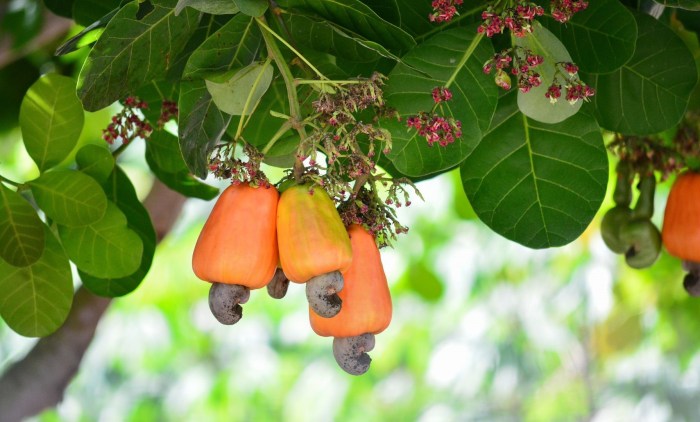
The true fruit of the cashew tree is a kidney-shaped or boxing glove-shaped drupe that grows at the end of the cashew apple. The drupe first develops on the tree and then the pedicel expands to become the cashew apple. The drupe becomes the true fruit, a single shell-encased seed, which is often considered a nut in the culinary sense.

The cashew tree is large and evergreen, growing to 14 metres (46 feet) tall, with a short, often irregularly shaped trunk. The leaves are spirally arranged, leathery textured, the flowers are produced in a panicle or corymb long; each flower is small, pale green at first, then turning reddish, with five slender, acute petals The largest cashew tree in the world and is located in NatalBrazil. The fruit of the cashew tree is an accessory fruit What appears to be the fruit is an oval or pear-shaped structure, that develops from the pedicel and the receptacle of the cashew flower. Called the cashew apple, better known in Central America as marañón, it ripens into a yellow or red.

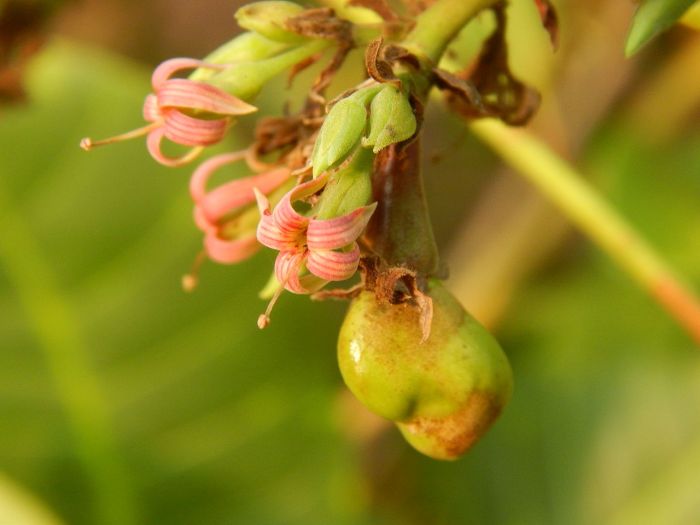
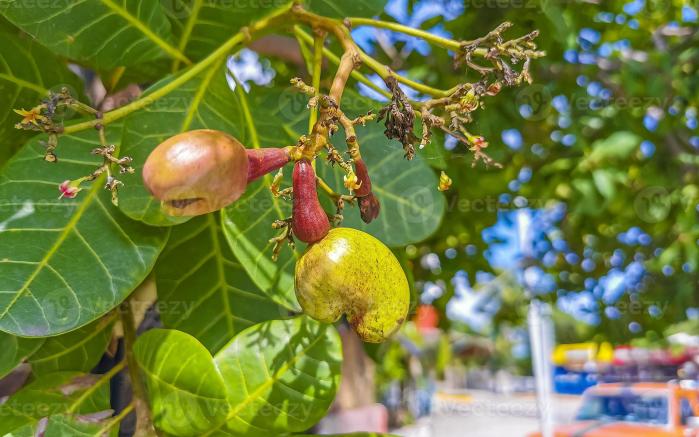
Below you can see how the cashew nuts are formed from the flowers.

The next stage growing a little Bigger from the above small ones’.

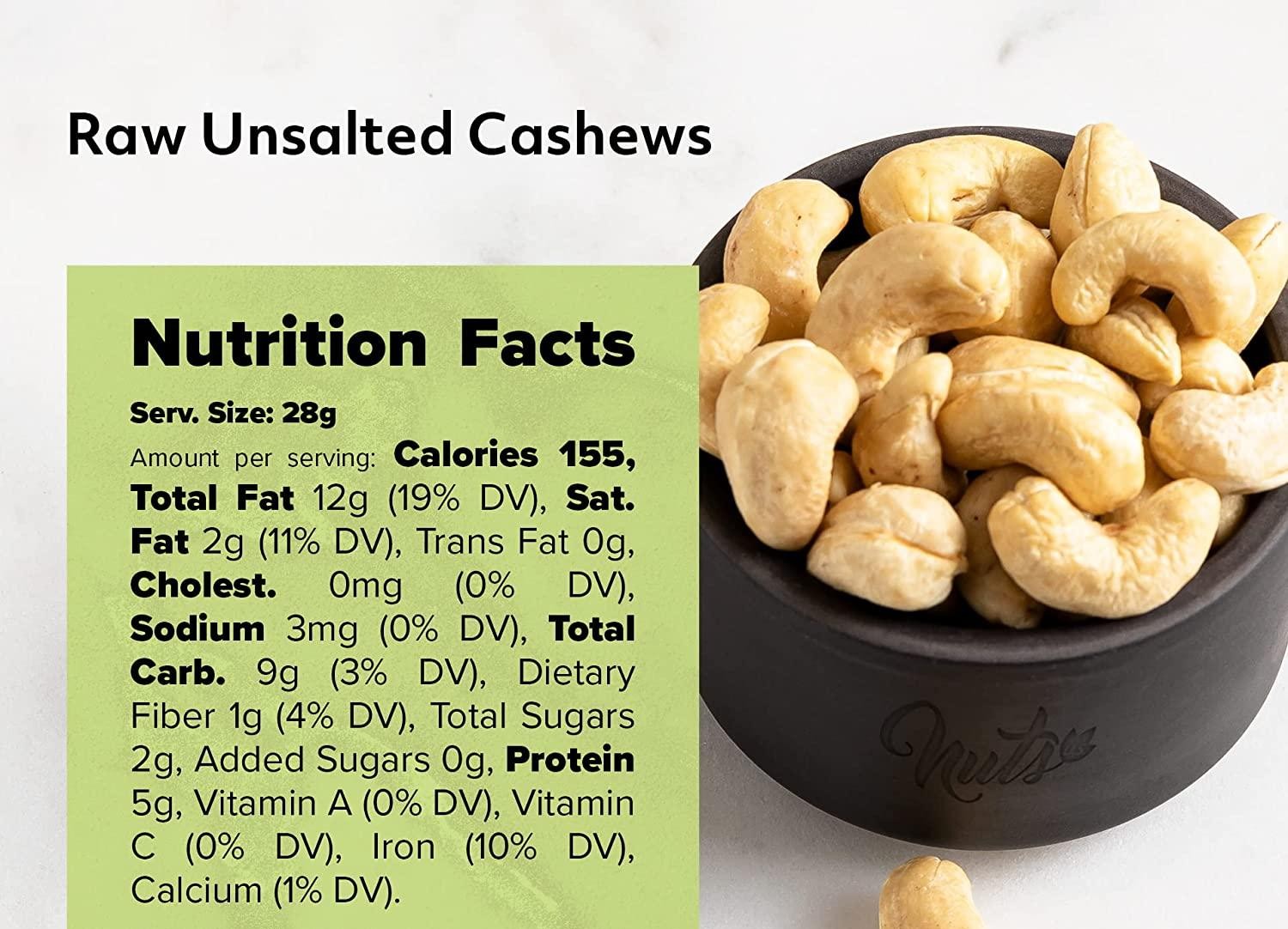
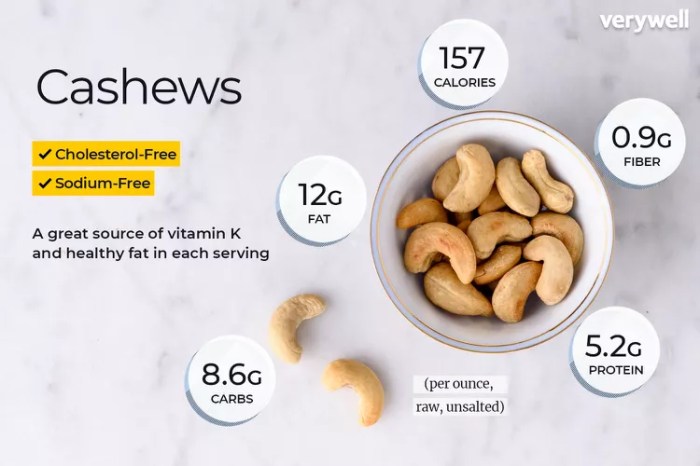
Raw cashew nuts are 5% water, 30% carbohydrates, 44% fat, and 18% protein  In raw cashews provide 67% of the Daily Value in total fats, 36% DV of protein, 13% DV of dietary fiber, and carbohydrates. Cashew nuts are rich source of dietary minerals, including particularly coppermanganesephosphorus, and magnesium and of thiaminvitamin B6, and vitamin K Ironpotassiumzinc, and selenium are present in significant content.

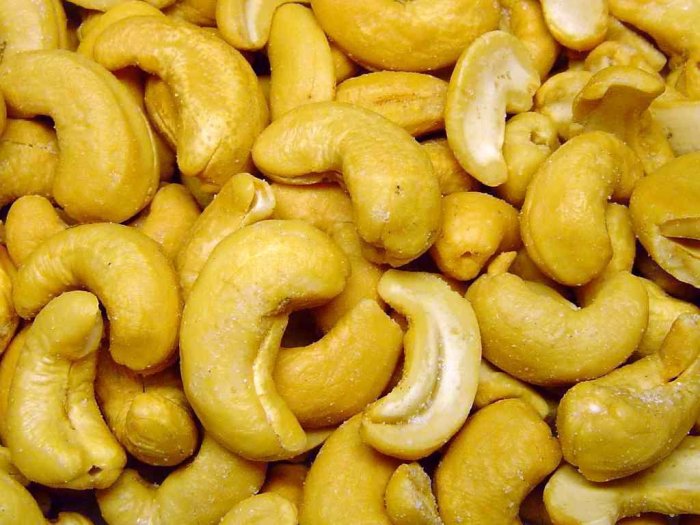
Nut and shell

Culinary uses for cashew seeds in snacking and cooking are similar to those for all tree seeds called nuts. Cashews are commonly used in Indian cuisine, whole for garnishing sweets or curries, or ground into a paste that forms a base of sauces for curries (e.g., korma), or some sweets It is also used in powdered form in the preparation of several Indian sweets and desserts. both roasted and raw kernels of Goa Kaju are used whole for making curries and sweets. Cashews are also used in Thai and Chinese cuisines, generally in whole form. The province of Pampanga also has a sweet dessert called turrones de casuy, which is cashew marzipan wrapped in white wafers. In Indonesia, roasted and salted cashews are called kacang mete or kacang mede, while the cashew apple is called jamb

Above is the Nutri amounts just to know May be not over eat 🙂 which is very easy but don’t we all love to eat them 🙂

https://www.bing.com/videos/riverview/relatedvideo?

Roasted Cashew

Cashew nuts are processed through several key steps:

  1. Cleaning: The raw cashew nuts are cleaned to remove impurities.
  2. Heating: The nuts are heated to facilitate shelling.
  3. Shelling: The shells are removed either by hand or using machines.
  4. Drying: The shelled nuts are dried to reduce moisture content.
  5. Peeling: The thin skin around the nuts is peeled off.
  6. Grading: The nuts are sorted based on size and quality.
  7. Packaging: Finally, the processed cashew nuts are packaged for sale. 

When It’s Best

Cashews are harvested about two months after the fruit (the apple) has set. The nut forms below the apple. This usually happens in the winter. But cashews are available all year long in most stores.

Storage and Food Safety

The best way to store nuts is to keep them in an airtight container at room temperature. They should stay fresh for about three months. If you keep them in the refrigerator, you can prolong their lifespan to up to six months, and if you freeze them, you can use them for about one year.

How to Prepare

Cashews can be eaten raw or roasted. Many people describe them as having a creamy, sweet texture that pairs well with savory and salty foods. Sprinkle roasted or raw nuts on a salad for a boost of protein or add them to the top of a small serving of ice cream. Chop them up and use them as a coating for fish or even add them to oatmeal in the morning.

Promotes Better Heart Health

Cashews, like all nuts, are a high-fat food, but they provide both poly- and monounsaturated fats—a healthy form of fat that helps boost heart health and reduce cholesterol levels when consumed in moderation.2 Cashews also provide diet-friendly fiber, which is associated with a heart-healthy diet. Studies also show that plant-based diets that include healthy fats and protein from nuts and seeds (rather than meat products) can boost heart health.

I hope you found this post quite interesting and full of new knowledge as very few know how cashews come about 🙂

This site has been doing good, and I am so Happy. I have been getting, 

 Congrats! I am My Path is getting noticed.

Latest Update: 10th of July 2025. The website continues for the New and old Readers, Followers and Blogging Friends. Hope what I have written is useful that helps you to feel more Positive and Happier This is “The 280th Post” and with the “Introductory Page this will be all in Total up to date, 281 posts. On Top Right-Hand side, you are able to see: The word “Menu” when you click on it. You will see the word “Home” All the posts from “The Very Beginning comes ~ Under “Home”. Which is The Introductory Page about: Who I am & Why I am Writing!

The new Topics “On the Left-Hand side “Under the Recent Posts, with “The latest Topics adding up” Happy Reading ❤

As always, it is all free”. You can share and pass it on also for others who can benefit from this post. I hope All those who Read will be able to make the maximum use of all these facts and make, “Your Lives More Healthy and able to Lead Better lives in Happiness and Peace”. I wish it to be so as,” Peace which is our Ultimate Goal in Life ❤

Sending Many Blessings of Good Health and Healing Energies your way ❤

May God’s Blessings Be Upon You ❤

Deepa Nilamani ❤

Flag Counter

Ayurveda ~ Values of Ginger!

Hello to, All My Dear Readers, Followers and My Blogging Friends ❤

Hope all of you are keeping well. It’s very very cold but I am continuing to write, being on Ayurveda I thought of Enlightening on Values of Food for being in Good Health. As so many are not aware of the Values of Fruits and Vegetables and most importantly Herbs 🙂


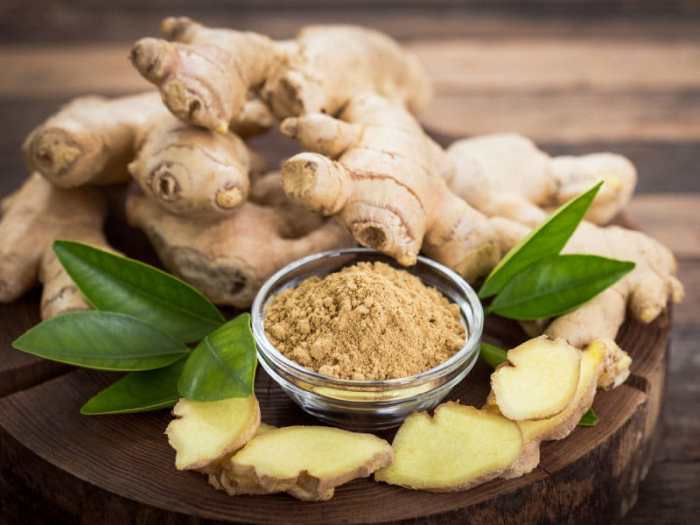
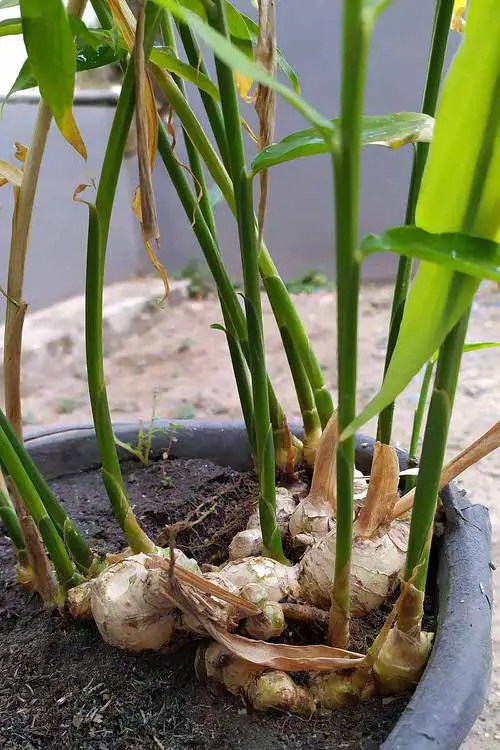
Botanical Name: Zingiber Officinale

Other Names: True Ginger, Jengibre, Jenjibre Dulce, Ginger, Adrak, and Kion

Common ginger is a world-famous herb, popular for its aromatic and pungent rhizomes. It has significant medicinal and culinary uses and needs.

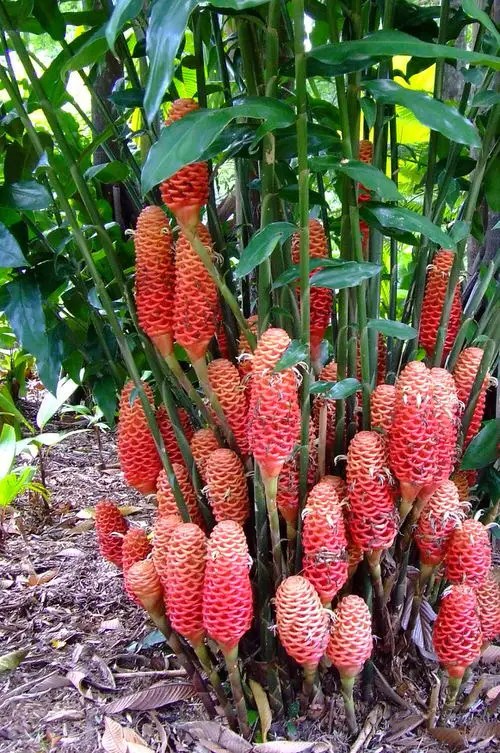
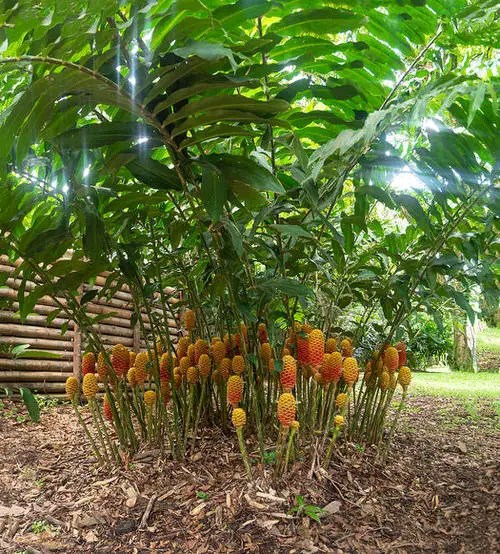
2. Beehive Ginger

Botanical Name: Zingiber spectabile

Other Names: Ginger Wort, Malaysian Ginger

Beehive Ginger is famous as an ornamental plant due to its unique beehive-like yellow inflorescences that become red once mature. All parts have a strong gingery fragrance, making local dishes and appetizers.

Growing Tips

  • Avoid placing it in full sun, as direct sunlight can burn this plant.
  • It grows best in a humid climate.

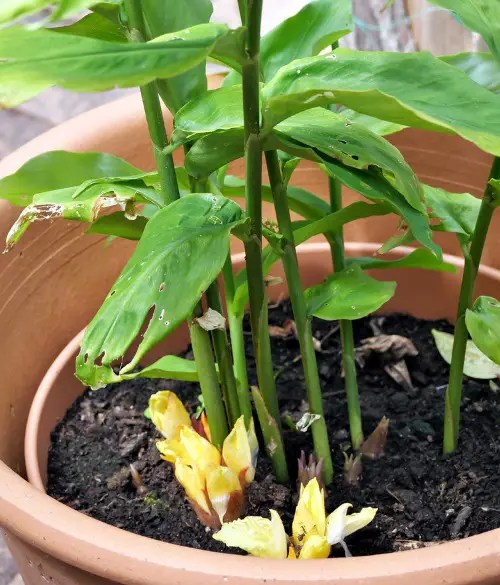
3. Bitter Ginger

Botanical Name: Zingiber zerumbet

Other Names: Pinecone Ginger, Itter Ginger, Broad-leaved Ginger, Martinique Ginger, Pinecone Lily, Lempoyang, and Wild Ginger

Also known as shampoo ginger, it tastes bitter compared to the common ginger and is added to food flavoring and appetizers. It’s used primarily in herbal medicines and making shampoos.

Growing Tips

Grow it in bright and filtered light in warm soil.

Feed the plant with 8-4-6 fertilizer every three months.

4. Myoga Ginger

Botanical Name: Zingiber mioga

Other Name: Japanese Ginger

In Japan, Myoga Ginger’s flowers and young shoots are used as a tasty garnish on various food. It has a zesty and spicy flavor with a strong, pungent aroma.

  • It is better to grow it in partial shade.
  • It thrives in moist soil.

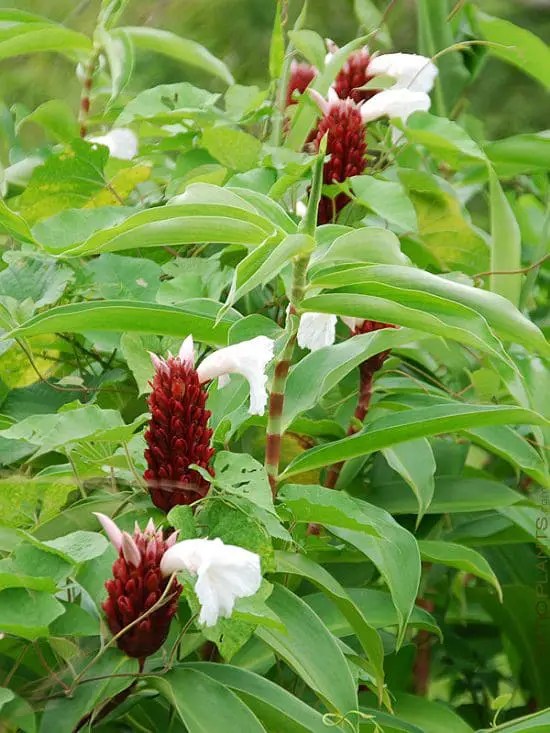
5. Crepe Ginger

Botanical Name: Cheilocostus speciosus

Other Names: Crape Ginger, Malay Ginger, and Cane Reed

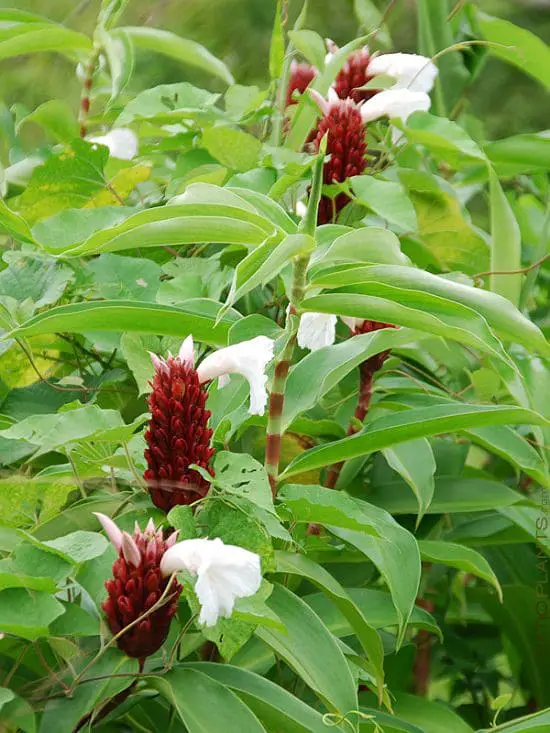
Known for its crepe-paper-like showy white flowers that emerge from reddish-burgundy spiraled inflorescences. It has a pungent taste with edible flowers and buds.

Growing Tips

  • It grows under the canopy of trees.
  • Warm and humid climates are best for its growth.

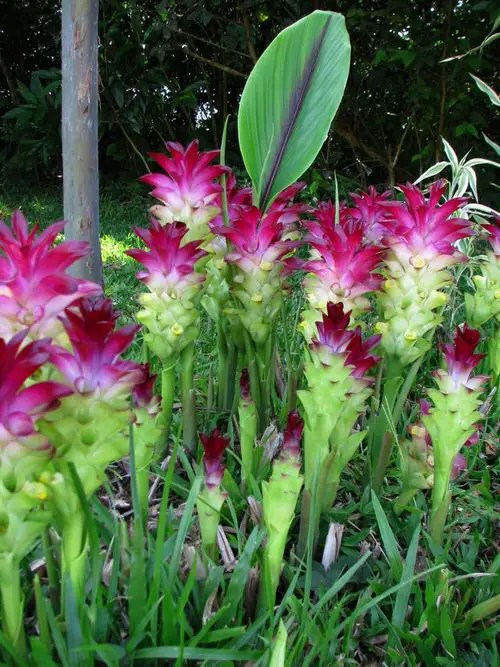
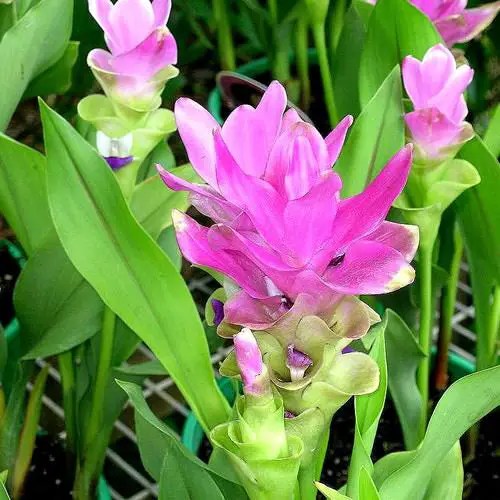
    6. Hidden Ginger

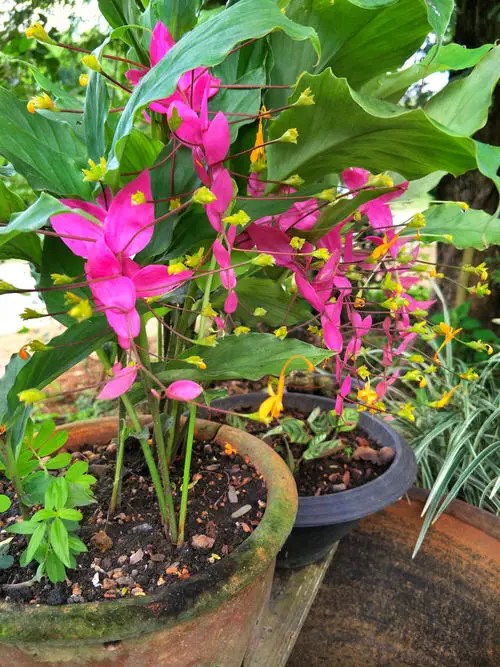
Botanical Name: Curcuma petiolata

Other Names: Queen Lily, Siam Tulip, Hidden Lily

Hidden Ginger is a Malaysian native with a spicy scent and a bitter taste. It produces beautiful flowers of bright purple, pink, or orange colors.

Growing Tips

  • This 2-3 feet tall plant becomes an excellent container specimen.
  • Growing it is similar to canna lilies.

7. Butterfly Lily Ginger

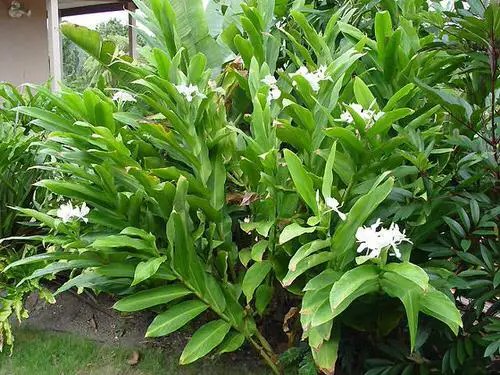
Botanical Name: Hedychium coronarium

Other Name: White Ginger, Flor De Mariposa, Mariposa Blanca, Dolan Champa

8. Shell Ginger

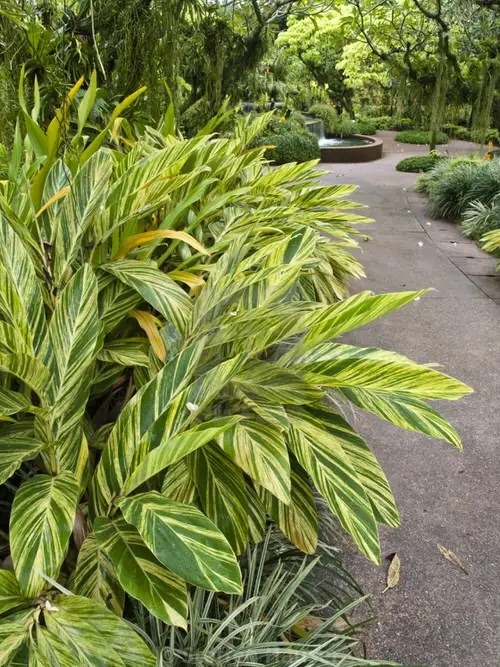
Botanical Name: Alpinia zerumbet

Other Name: Variegated Ginger, Sannin, Getto Plant

Shell ginger has ovate leaves with green stripes, making it an ornamental plant. It blooms clusters of pink buds, emitting a luscious aroma.

With a clove-like flavor, its edible leaves are the primary agents in noodles and teas in Okinawan cuisines.

  • While it can grow up to 8-10 feet tall, it doesn’t exceed above 3-4 feet in pots.
  • It can be a beautiful houseplant.

9. Dancing Ladies Ginger

Botanical Name: Globba winitii

Other Name: White Dragon Flower

This showy ginger family plant is rare to find. It has unique flowers that emit a sweet honeysuckle-like fragrance and resembles dancing ladies when they move in the wind.

Growing Tips

  • It can be grown in USDA zones 8-11.
  • A spot that receives part sun is best. You can also grow it in the shade.

10. Yellow Ginger

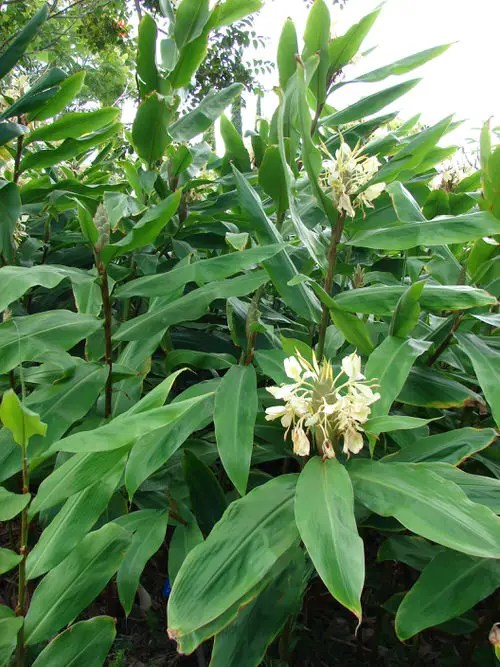
Botanical Name: Hedychium flavescens

Other Name: Cream Garland-Lily, Yellow Ginger Lily, Wild Ginger

Growing up to 5-6 feet tall, the fleshy rhizomes of yellow ginger are edible but not as flavorful as common ginger. Gardeners usually grow it for its highly fragrant flowers.

Growing Tips

  • Grow it in well-drained and moderately fertile soil.
  • It’s a shade-tolerant plant.

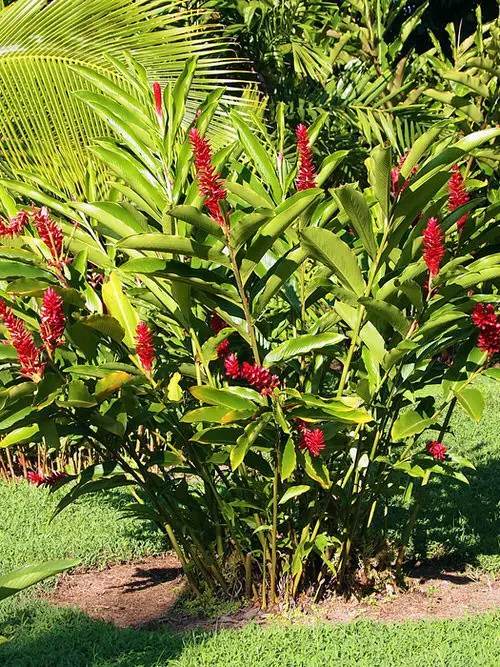
    11. Red Ginger

Rhizomes and stalks of this plant have a strong spicy scent. But what it’s famous for is the bright red or pink bracts that look stunning.

Growing Tips

  • The national flower of Samoa prefers warm and moist soil to thrive.
  • Grow it under diffused light, avoiding full sun.

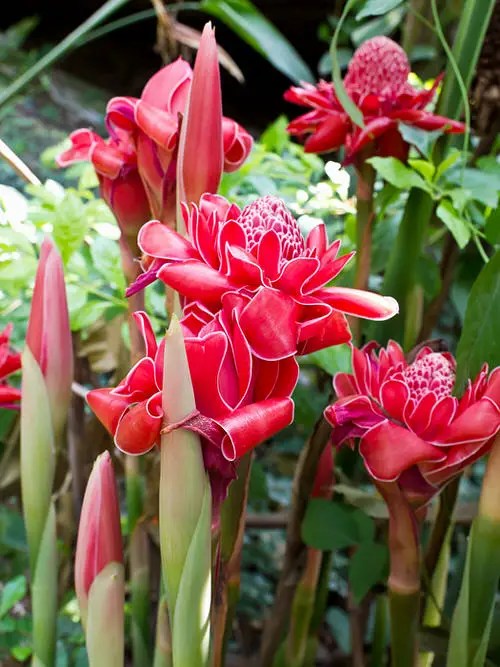
12. Torch Ginger

Botanical Name: Etlingera elatior

Other Names: Wild ginger, Combrang, Bunga Kantan, Philippine Waxflower, and Red Ginger Lily, Indonesian Tall Ginger, Boca De Dragón, Rose De Porcelaine

This tropical plant looks glorious with its big and vibrant flowers that appear in red, pink, or orange colors.

The whole plant is edible, and fruits, seed pods, seeds, and flowers stems are eaten in many countries. Flower buds taste piquant and are used in traditional Indonesian and Thai dishes.

Growing Tips

  • You can also grow it in a large pot.
  • Protect it from intense afternoon sunlight.

13. Mango Ginger

Botanical Name: Curcuma amada

Other Names: Mavina Shunti

Mango ginger is something between turmeric and ginger. The ginger-like rhizomes have a fragrant, spicy taste like common ginger with a hint of raw mango.

It is primarily used in Indian cooking in preparing pickles, chutneys, and soups.

Growing it is similar to common ginger.

In cold climates, you can grow it in warmer months.

14. Kahili Ginger

Botanical Name: Hedychium gardnerianum

Other Name: Fragrant Ginger Lily, Kahila Garland-Lily

This plant is native to Himalayan regions and grown primarily for ornamental purpose. Large dramatic foliage and showy, fragrant flowers make it a truly exotic tropical plant.

Growing Tips

  • It can be up to 8 feet tall. In containers, it doesn’t exceed above 3-4 feet.
  • You can grow it indoors, as well.

15. Thai Ginger

Botanical Name: Alpinia galanga

Other Names: Thai Ginseng Ginger, Krachai Dum Ginger, Lengkuas, Blue Ginger, and Greater Galangal

Rhizomes of Thai ginger have a pungent aroma with a flavor of pine needles and black pepper. Its rhizomes, flowers, and shoots have extensive uses in Thai curry, chili paste, and pickles.

  • Unlike other types of ginger plants, galanga can tolerate more sun and grows best in partial sunlight.
  • Grow it in rich and moist soil.

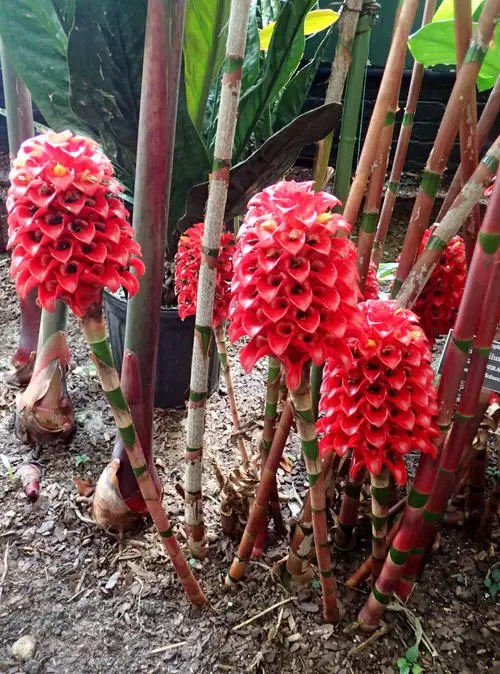
16. Pineapple Ginger

Botanical Name: Tapeinochilos ananassae

Other Names: Indonesian Wax Ginger, Lipstick Ginger

Pineapple ginger has inconspicuous orange-yellow flowers and deep red bracts that grow on long cone-shaped inflorescences that resemble pineapples.

It’s grown for ornamental purposes and used popularly in tropical cut flower arrangements.

Growing Tips

  • It grows well in filtered sunlight.
  • You can also place it indoors in a spot that receives several hours of morning sunlight.

Latest Update: 7th of July 2025. The website continues for the New and old Readers, Followers and Blogging Friends. Hope what I have written is useful that helps you to feel more Positive and Happier This is “The 279th Post” and with the “Introductory Page this will be all in Total up to date, 280 posts. On Top Right-Hand side, you are able to see: The word “Menu” when you click on it. You will see the word “Home” All the posts from “The Very Beginning comes ~ Under “Home”. Which is The Introductory Page about: Who I am & Why I am Writing!

The new Topics “On the Left-Hand side “Under the Recent Posts, with “The latest Topics adding up” Happy Reading ❤
The coloured Topics in Green, if you “Click” on them “Will take you to My other posts which you will be able to find more information”. I have another website with “My own little Poems and Pictures of some of My Hobbies” if you are interested on seeing, “What else I am doing” you can have a look at :https://deepanilamani.com/

As always, it is all free”. You can share and pass it on also for others who can benefit from this post. I hope All those who Read will be able to make the maximum use of all these facts and make, “Your Lives More Healthy and able to Lead Better lives in Happiness and Peace”. I wish it to be so as,” Peace which is our Ultimate Goal in Life ❤

This site has been doing good, and I am so Happy. I have been getting, 🎉 Congrats! I am My Path is getting noticed. Thanking the I net for the Picture Quotes I have shared from the I net ❤

Many Blessings for Good Health, Happiness and Prosperity! ❤

May God’s Blessings Be Upon You ❤

Deepa Nilamani 🙂

Flag Counter

Ayurveda ~ Values of Garlic!

Hello to, All My Dear Readers, Followers and My Blogging Friends ❤

Hope all of you are keeping well. It’s very very cold but I am continuing to write, being on Ayurveda I thought of Enlightening on Values of Food for being in Good Health. As so many are not aware of the Values of Fruits and Vegetables and most importantly Herbs 🙂

From Seed to Bulb: Understanding 10 Garlic Growth Stages

Curious about how garlic grows? This guide will show you the different garlic growth stages, from when it starts sprouting to when it’s ready to be harvested. You’ll also learn some cool facts about how garlic grows.

Whether you like cooking, gardening, or learning new things, this guide is perfect for you!

Garlic Growth Stages

Garlic belongs to the Allium family, which includes onions, leeks, shallots, and chives. Garlic is a perennial plant, meaning that it can live for more than two years. However, it is usually grown as an annual crop, meaning it is harvested in one growing season.

Garlic has a complex life cycle that involves 10 stages of growth and development. Understanding these stages can help you plan your planting, care, and harvesting of garlic.

Here are the main stages of garlic growth:

Stage 1. Planting

Stage 2. Germination

Stage 3. Vegetative Growth

Stage 4. Bulb Development

Stage 5. Harvesting Leaves

Stage 6. Flowering

Stage 7. Pollination

Stage 8. Seed Formation

Stage 9. Garlic Harvest

Stage 10. Next Year Growth

Let us discuss each stage in more detail.

The first stage of garlic growth is planting. Garlic is usually planted in the fall, about 4 to 6 weeks before the first frost date in your area. This allows the garlic to establish roots and shoots before the winter. Garlic can also be planted in the spring, as soon as the soil can be worked, but the bulbs may be smaller and less flavorful than fall-planted garlic.

To plant garlic, you need to break apart the garlic bulb into individual cloves. Each clove will grow into a new bulb. Choose large, healthy cloves from disease-free bulbs.

Discard any cloves that are soft, shriveled, or damaged. You can plant the cloves directly into the soil or pre-sprout them in a moist paper towel for a few days to speed up germination.

Plant cloves about 2 inches (5 cm) deep and 4 to 6 inches (10 to 15 cm) apart in rows that are 12 to 18 inches (30 to 46 cm) apart.

Make sure the cloves pointed end faces up and the flat end faces down. Cover the cloves with soil and water them well. Also, add mulch, such as straw, leaves, or woodchips, to keep the water from evaporating from the soil and to protect the garlic from weeds.

The second stage of garlic growth is germination. This is when the garlic clove starts to sprout roots and shoots. When planted in the fall, the shoots will only be visible above the ground in mid-spring.

The roots will grow downward into the soil, anchoring the garlic plant and absorbing water and nutrients. The shoots will grow upward through the soil, forming green leaves that will photosynthesize and produce energy for the plant.

The third stage of garlic growth is vegetative growth. This is when the garlic plant grows taller and produces more leaves. The number of leaves a garlic plant produces will determine the size and shape of its bulb. Each leaf corresponds to a layer of bulb wrapper that will protect the cloves inside. [1]

Vegetative growth usually lasts from spring to late summer. The garlic plant needs plenty of sunlight, water, and nutrient-rich soil to grow well during this stage.

Pro Tip 1: Weed your garlic bed frequently to prevent competition for resources. Mulch will significantly reduce the amount of weeds that can sprout.

Pro Tip 2: If your soil is not nutrient-rich, apply an organic fertilizer in later.

The fourth stage of garlic growth is bulb development. This is when the garlic plant starts to form its bulb underground by swelling its stem base and dividing it into cloves. Bulb development usually begins in early summer.There are two main types of garlic: hardneck and softneck. Hardneck garlic produces a hard stem or scape that grows from the center of the bulb and curls into a loop or coil at the top. The scape also produces a flower head or umbel that contains tiny bulbils or seeds that can be used for propagation. Softneck garlic does not create a scape or flower head but instead produces more cloves per bulb.

Several factors influence bulb development, such as temperature, moisture, soil type, nutrient availability, and garlic variety selection. Generally, warmer temperatures and drier conditions favor larger bulbs with fewer cloves. In comparison, cooler temperatures and wetter conditions favor smaller bulbs with more cloves.

You should reduce watering your garlic once bulbing begins, but do not let the soil dry out completely. You can also remove the scrapes from hard neck varieties to direct more energy to the bulb formation. 

Pro Tip: While it is true that removing scapes from hardneck varieties will direct more energy to the bulb formation. However, if you leave them on, they will produce beautiful flowers that attract pollinators to your garden.

Stage 5. Harvesting Leaves

The fifth stage of garlic growth is harvesting leaves. This optional stage involves gathering some of the garlic leaves for culinary or medicinal purposes. Garlic leaves have a mild garlic flavor and can be used fresh or dried in salads, soups, sauces, pesto, and other dishes. [2]

Harvesting leaves can be done anytime during the vegetative growth or bulb development stages. However, do it before leaves start to yellow or die back. You should only harvest a few bottom leaves from each plant, leaving at least four to six leaves intact to support bulb growth. Also, avoid damaging the stem when harvesting leaves.

To harvest garlic leaves, use a sharp knife or scissors to cut off the desired amount of leaves on the plant. Wash the leaves and use them immediately or store them in the refrigerator for up to a week.

Pro Tip: You can dry garlic leaves by hanging them in a well-ventilated area away from direct sunlight for a few weeks. You can then store the dried leaves in an airtight jar in a cool, dark place for up to a year.

If you are growing hardneck varieties and leaving the scapes uncut, the next stage of garlic growth is flowering. This is the stage when garlic plants produce flowers that can attract pollinators and produce seeds. If the scrapes are cut or you are growing soft neck varieties, skip to “Stage 9. Garlic Harvest“.

Flowering is a reproductive process that happens in mid to late summer and allows the garlic plant to produce seeds. However, flowering also reduces the size and quality of the garlic bulb, as the plant diverts its energy and resources from bulb formation to seed production.

To prevent flowering, remove the scapes from your garlic plants as soon as they appear. This will allow the plant to focus on bulb development and increase your yield and quality of garlic. You can also use the scrapes as a culinary or medicinal ingredient, as they have a similar flavor and texture to garlic cloves. [3],

If you want to allow flowering, leave the scapes on your garlic plants and let them grow and curl into loops or coils. The scapes will eventually straighten up and produce a flower head or umbel at the top.

The flower head will contain hundreds of tiny flowers that can be white, pink, purple, or green. The flowers will attract bees, bumblebeeshoverflies, butterflies, and other pollinators that can transfer pollen from one flower to another.

Stage 7. Pollination

The seventh stage of garlic growth is pollination. This is when the garlic flowers receive pollen from other garlic plants or their own flowers. Pollination usually occurs shortly after flowering.

Pollination is a process that allows the garlic plant to exchange genetic material with other garlic plants and create new combinations of traits. Pollination can increase the genetic diversity and variability of garlic, which can help it adapt to different conditions and resist pests and diseases. However, pollination can also introduce unwanted or undesirable traits that can reduce the yield and quality of garlic.

Pro Tip: You can also manually pollinate your garlic plants by transferring pollen from one flower to another using a brush or just using your fingers. You can choose which plants to pollinate based on their characteristics, such as size, shape, color, flavor, or disease resistance.

The next garlic growth stage is seed formation. This is when the garlic flowers develop seeds inside their ovaries after being pollinated. Seed formation usually occurs in late summer or early fall, several weeks after pollination.

Seed formation is a process that allows the garlic plant to produce offspring that can grow into new plants. Seed formation can create new varieties and types of garlic that may have different or improved traits than their parents. However, seed formation can also take a long time and require much care and attention to produce viable seeds.

To harvest your seeds, wait until the flower heads turn brown and dry up completely. You should then cut off the flower heads from the plants and place them in a paper or mesh bag. Store the bag in a cool, dry, dark place until you are ready to extract the seeds.

To extract your seeds, you should break open the flower heads and separate the seeds from the chaff (the dried petals and other parts of the flower). Dry the seeds thoroughly before storing them in an airtight container in a cool, dark place. You can store garlic seeds for up to a year. After that, some seeds will become nonviable.

Pro Tip: While the idea of growing garlic from seeds might be intriguing, this process is considerably challenging and isn’t commonly undertaken by most gardeners. Garlic grown from seeds tends to exhibit more variability. It can take significantly longer to mature compared to garlic grown from cloves. Given the complex care and patience required, many gardeners select a more reliable and efficient method of planting cloves for a successful harvest.

The ninth stage of garlic growth is garlic harvest. This is when the garlic bulb reaches its full size and quality and is ready for harvest.

The main indicator of harvest readiness is the condition of the garlic leaves. When about half of the leaves have turned yellow or brown and started to dry up, it means that the bulb has stopped growing and is ready to be harvested.

Pro Tip: If you are unsure that your garlic is ready to be harvested, gently dig up one or two bulbs and examine them. The bulbs should be firm, plump, and well-formed, with distinct cloves and intact wrappers. The cloves should be easy to separate from each other and from the stem base.

Then, the moment comes when you dig up your garlic bulbs from the soil and prepare them for storage or use. Garlic harvest should be done on a dry and sunny day when the soil is not too wet.

To harvest your garlic, you need a spade, garden fork, or a garden knife to loosen the soil around each plant and lift it out gently. You should avoid pulling the plant by its stem or leaves, as this may damage the bulb or cause it to detach from the stem base. Also, avoid bruising or cutting the bulb, which may reduce its quality and shelf life.

After removing your garlic from the ground, shake off any excess soil from the bulbs and roots. Do not wash your garlic if you intend to store it for a long time, as this may introduce moisture and bacteria that can cause rotting or molding. Also, remove any damaged, diseased, or infected bulbs and discard them.

Harvest is the last stage of garlic growth unless you leave a bulb or a clove in the soil. If so, the garlic growth stage continues the following year.

https://www.youtube.com/watch?v=w7tGlfJXkbI

https://www.youtube.com/watch?v=w7tGlfJXkbI


Final Words

Garlic growth stages unveil a fascinating tale of transformation from a single clove to a thriving plant. Remember, successful garlic cultivation blends science and care.

Whether you’re a cook, gardener, or curious learner, embracing these insights can elevate your connection to nature’s rhythms.

So, relish the journey from soil to plate, letting the stages of garlic growth inspire your future culinary and gardening adventures.

I hope this article was helpful in explaining garlic growth stages. 

Latest Update: 7th of July 2025. The website continues for the New and old Readers, Followers and Blogging Friends. Hope what I have written is useful that helps you to feel more Positive and Happier This is “The 278th Post” and with the “Introductory Page this will be all in Total up to date, 279 posts. On Top Right-Hand side, you are able to see: The word “Menu” when you click on it. You will see the word “Home” All the posts from “The Very Beginning comes ~ Under “Home”. Which is The Introductory Page about: Who I am & Why I am Writing!

The new Topics “On the Left-Hand side “Under the Recent Posts, with “The latest Topics adding up” Happy Reading ❤

The coloured Topics in Green, if you “Click” on them “Will take you to My other posts which you will be able to find more information”. I have another website with “My own little Poems and Pictures of some of My Hobbies” if you are interested on seeing, “What else I am doing” you can have a look at :https://deepanilamani.com/

As always, it is all free”. You can share and pass it on also for others who can benefit from this post. I hope All those who Read will be able to make the maximum use of all these facts and make, “Your Lives More Healthy and able to Lead Better lives in Happiness and Peace”. I wish it to be so as,” Peace which is our Ultimate Goal in Life ❤

This site has been doing good, and I am so Happy. I have been getting, 🎉 Congrats! I am My Path is getting noticed. Thanking the I net for the Picture Quotes I have shared from the I net ❤

Many Blessings for Good Health, Happiness and Prosperity! ❤

May God’s Blessings Be Upon You ❤

Deepa Nilamani 🙂

Flag Counter