Psychology ~Stress!

Hello To, All My Readers Followers and Blogging Friends ❤

I hope all of you are keeping well. Today I thought of writing about Psychology of Strss. I hope you all will like what I am writing. Did you know that stress can also be positive? Good stress, called eustress, can actually be beneficial to you. Unlike bad stress, or distress, good stress can help with motivation, focus, energy, and performance. For some people, it can also feel exciting. Definition from the I net: “A state of mental or emotional strain or tension resulting from demanding circumstances”. Stress can be defined as a state of worry or mental tension caused by a difficult situati0n. World Health Organization!
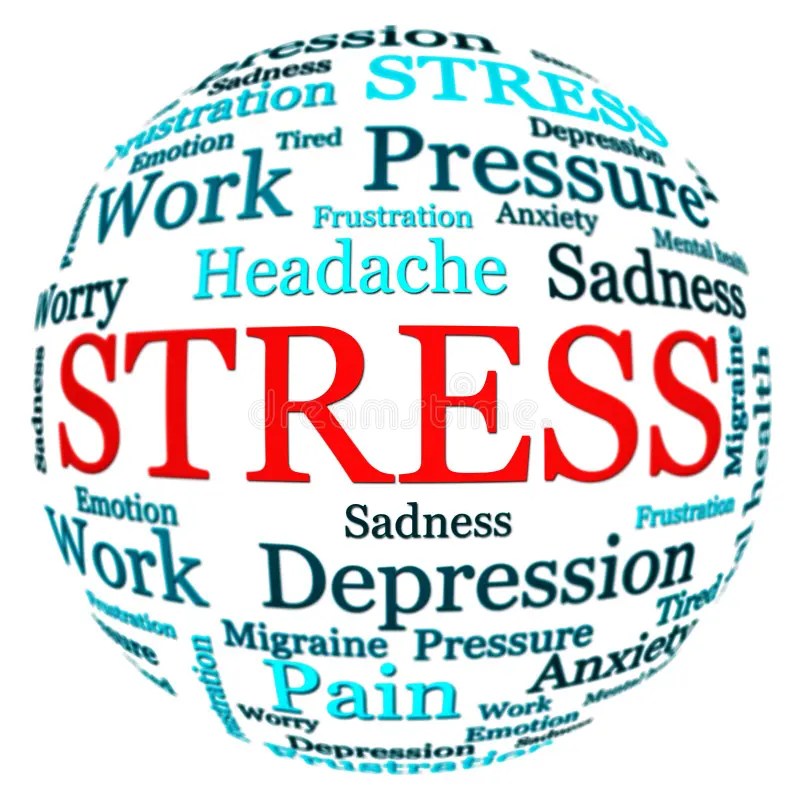
On the other hand, bad stress typically causes anxiety, concern, and a decrease in performance. It also feels uncomfortable, and it can lead to more serious issues if not addressed. Good stress, called eustress, can actually be beneficial to you. Unlike bad stress, or distress, good stress can help with motivation, focus,
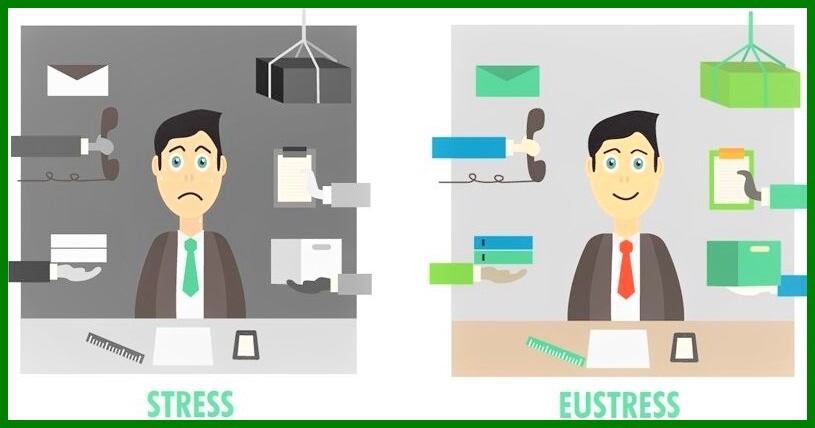
Psychological stress signs

There’s a distinction between a stressor and actual stress. A stressor can be a person, place, or situation that’s causing you stress. Stress is the actual response to one or a combination of those stressors. There are any number of situations that can cause stress.

LIFESTYLE FACTORS: That add to stress rather than reduce stress!
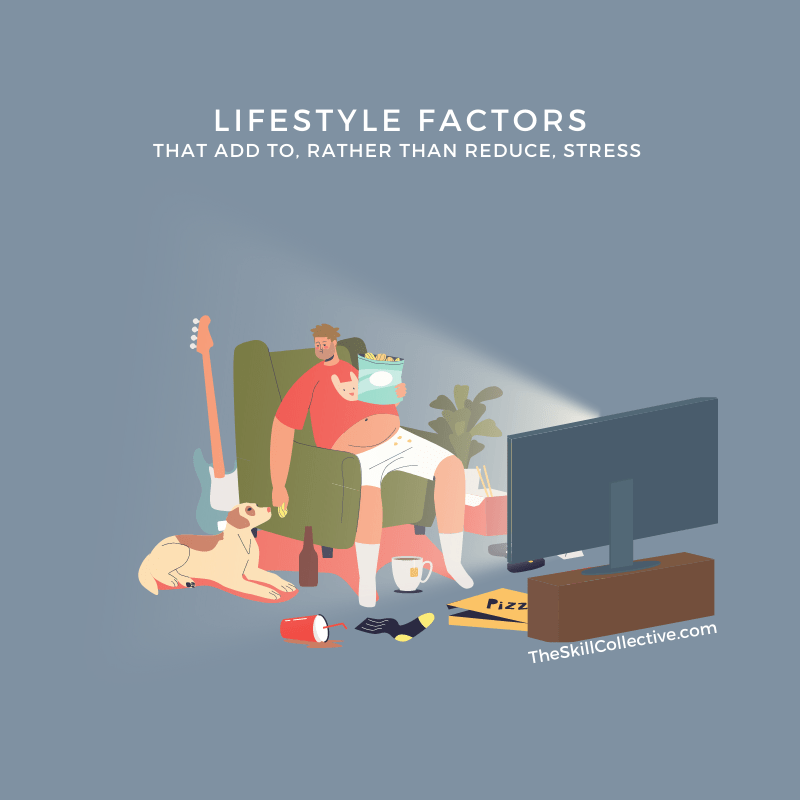
There are any number of situations that can cause stress. Some of the more common stressors include:

  • Issues at home
  • new or increasing work responsibilities
  • increasing demands
  • financial strain
  • health problems
  • moving to a new location
  • exposure to one or more difficult issues.
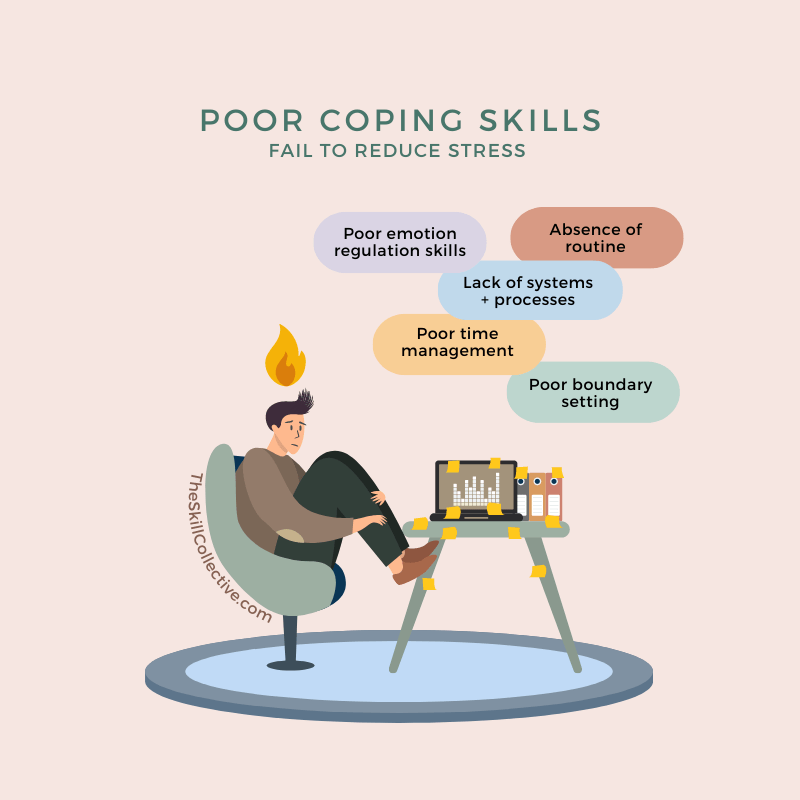
Poor coping skills fail to reduce stress
1. Poor emotion regulation skills.
2. Poor time management.
3. Lack of system process.
4. Poor boundary setting.
5. Absence of routine.

  • Ways to manage stress
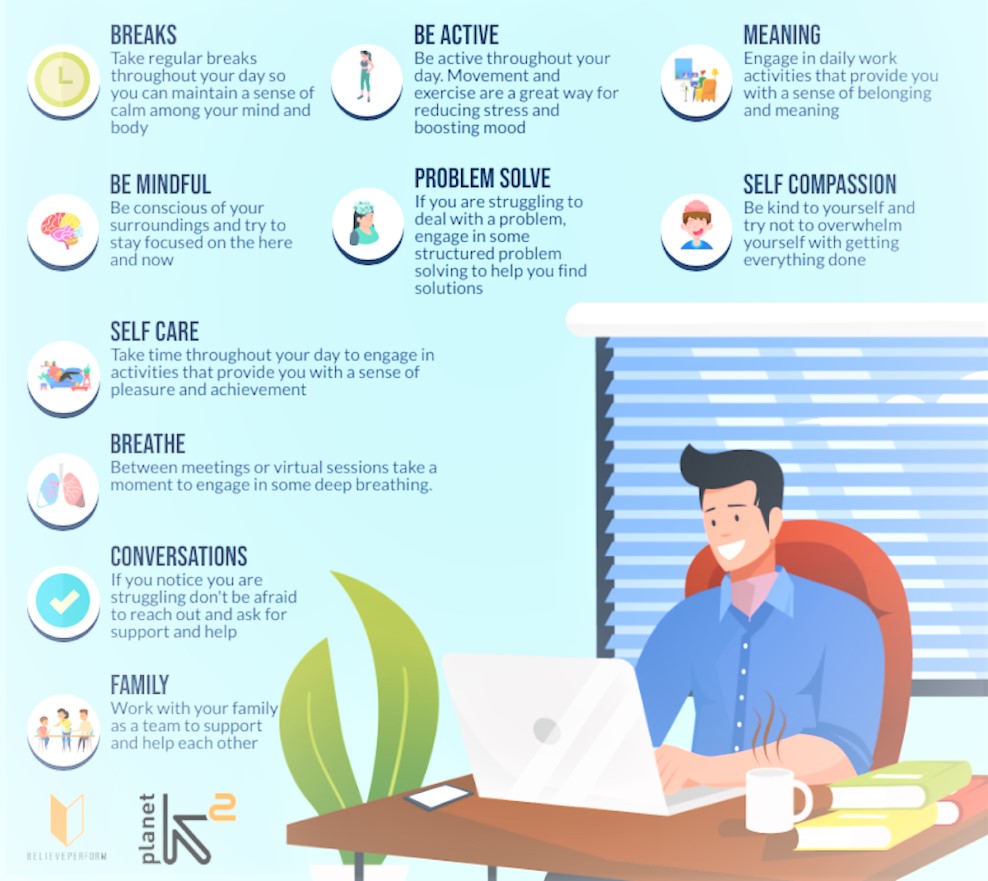
  • When it comes to managing stress, making simple changes can go a long way in improving your overall health and reducing stress. Having tools and strategies you can turn to in stressful situations can prevent your stress levels from escalating.
  • Find a balance


It’s important to structure some of your time so that you can be comfortably busy without being overwhelmed, Be kind to yourself Understanding that you aren’t weak because you’re feeling stress is important, Stress is a very normal reaction to the stressors in your life.
Lean on the people you trust

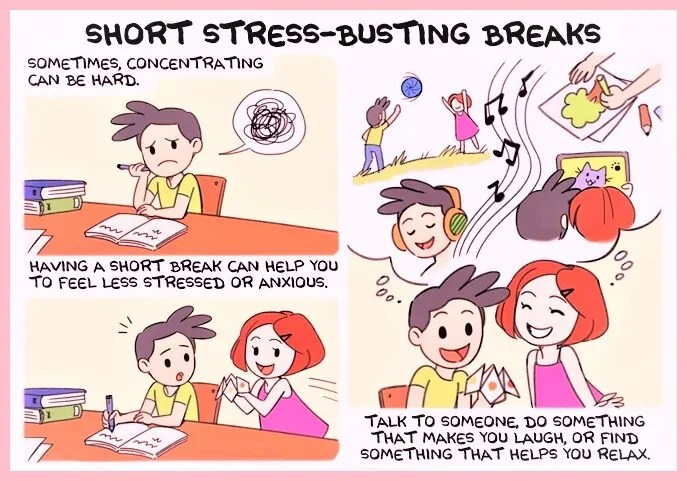
Before your stress levels escalate, reach out to someone you trust, such as a friend, family member, or coworker. Sharing your feelings or venting your concerns may help to reduce your stress.
Eat well-balanced, meals When it comes to managing stress, proper nutrition is your friend. You can see Foods that help you need not be expensive. Fruits and vegetables that are available from your garden even in rivers, the sea and forestlands.

Keep a journal

Set aside time to reflect on your day. Can be free time how you can manage. Write down any thoughts or feelings you’re having. This can be a useful tool to help you better understand your stressors and how you react to stress. You can start from any old diary or blank papaers.

None of us work 24/7 and there is always some free time to relax. Also relaxing does not need a lot of money either. Of course if one has extra money to spend, there are many expensive ways to relax. But actually you do not need to spend like that. As relaxing is becoming one with mother nature. The closer you become to mother earth, by ways of food, clothes and living the closer you become to a stress free life. It is difficult to lead a complete stress free life in this present times. But there are plenty of simple ways to relax like the post above, and below, to reduce our stress levels and enjoy a balanced and healthy life ❤
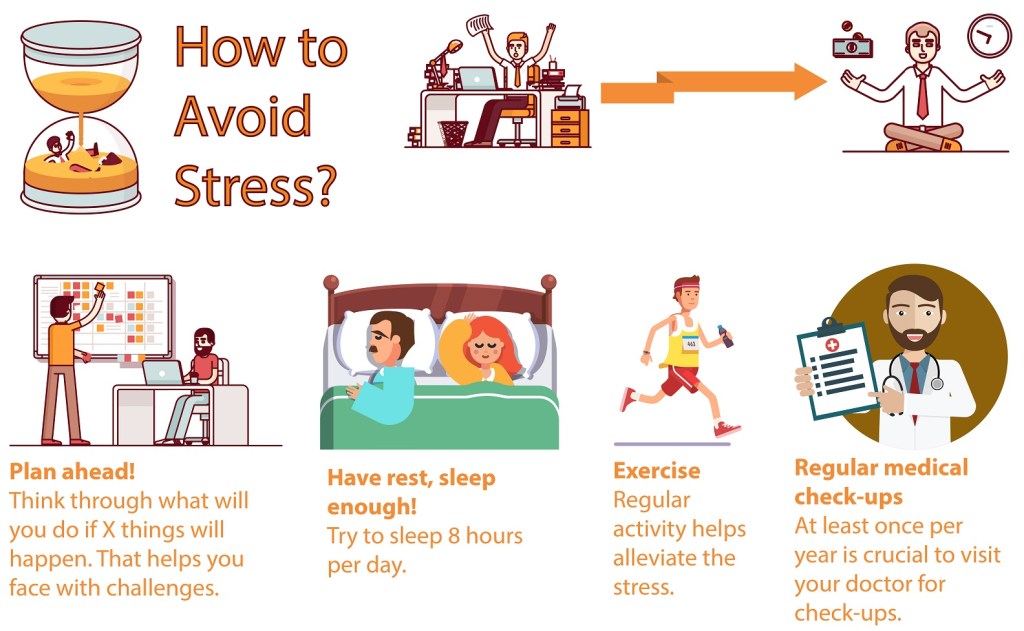
Exercise regularly

Engaging in regular physical activity can improve your overall health and reduce your stress levels. When you exercise, your body releases endorphins. These feel-good hormones can also ease symptoms of depression and anxiety. Practice relaxation exercise These exercises, which can include deep, slow breathing and progressive muscle relaxation, involve tensing and then relaxing various groups of muscles. Or any type of physical activities that you can manage like walking, running, swimming whatever you can where you are living 🙂
Get plenty of rest

Your ability to manage stress decreases when you’re tired. Try to get a recommended seven to nine hours each night. If you have insomnia, aim to get as much sleep as you can, then build in periods of rest during the day.

Working with a professional

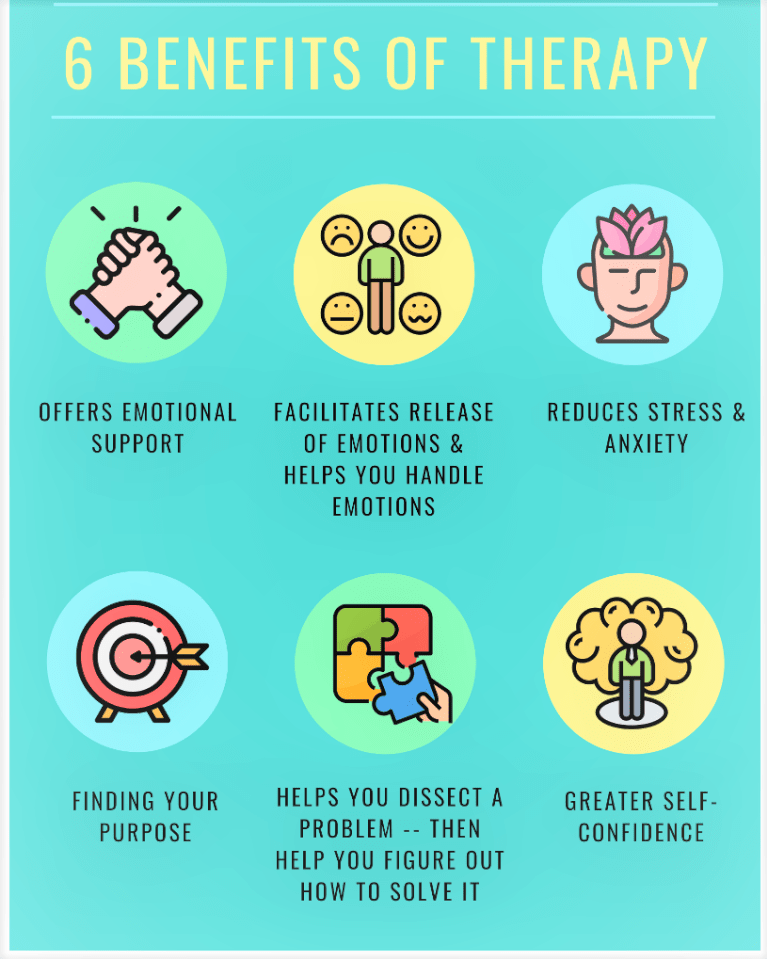
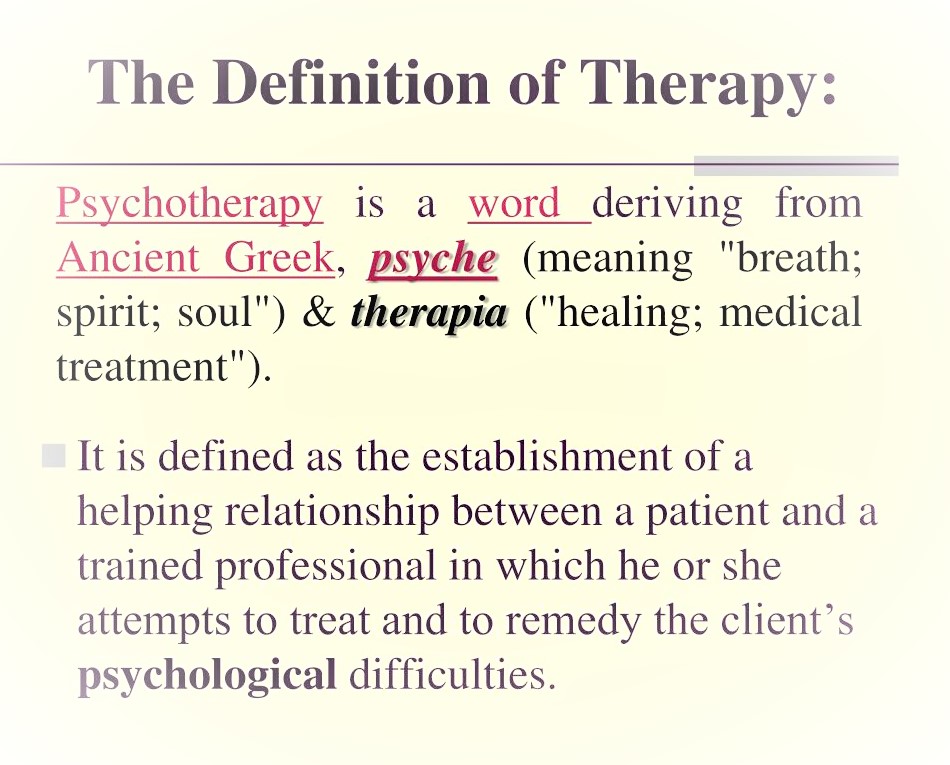
A therapist or mental health professional can also help you find ways to manage your stress. Consider working with a mental health professional if your stress is accompanied by daily headaches, or fatigue You should also see a mental health professional if you have feelings of depression.

When looking for a mental health professional, ask friends or family members for referrals.

  • Will you trust the therapist?
  • Do you feel heard and understood?
  • Do you feel comfortable to speak up if you disagree with them?
  • Can you see that they care about you as an individual?
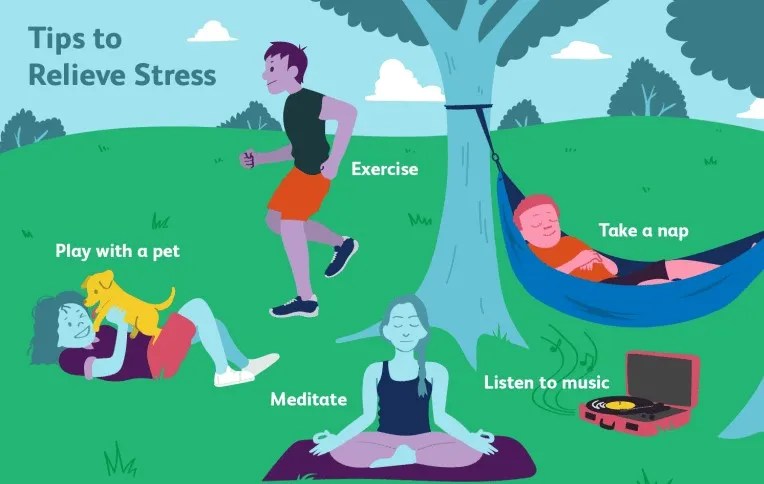
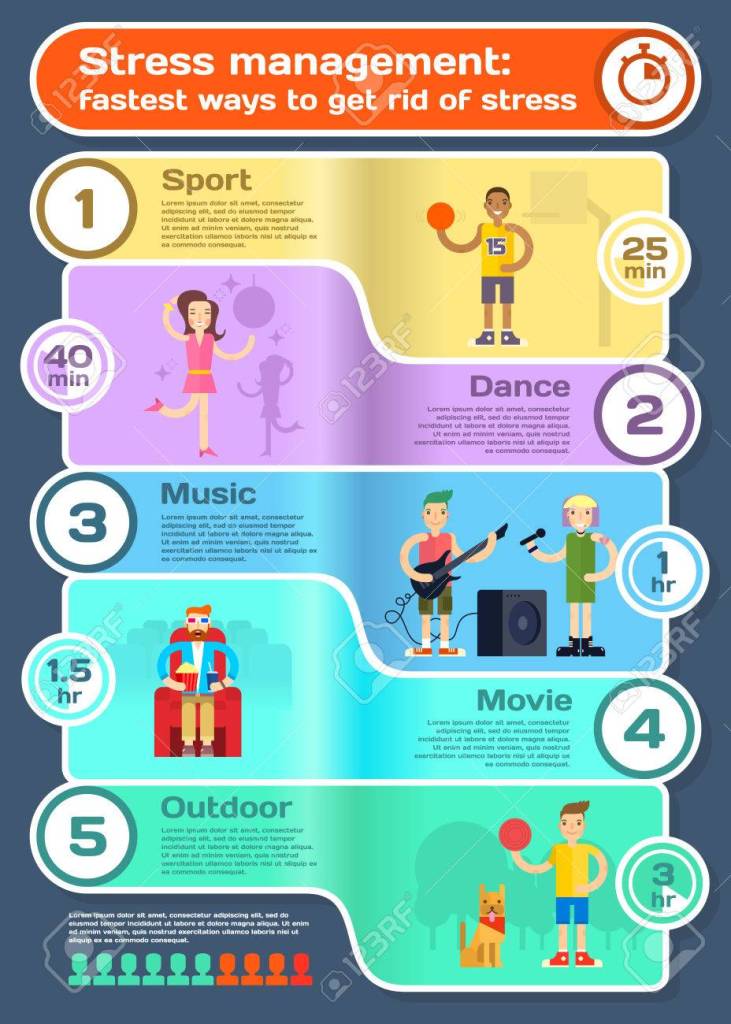
You can see from all these posts many many things you can do in order to relax and relieve stress. You will also notice many things are about how to enjoy nature. We need to live in ways that we are close to nature as much as possible. Even if you lead busy lives in the city, once in a way to go to the beach, rivers, parks, even a swim in a pool will bring your body closer to the natural state. Below is a picture that you can see some more of what You can do. Hope you read up and follow some of them ❤
Latest Update: 19th February 2024. This is “The 232th Post” and with the “Introductory Page this will be all in Total up to date, 233 posts. On Top Right-Hand side, you are able to see: The word “Menu” when you click on it. You will see the word “Home” All the posts from “The Very Beginning comes ~ Under “Home”. Which is The Introductory Page about: Who I am & Why I am Writing!

I hope what I have written, and The Knowledge will be Useful and You have learnt new facts. And also, You will be able to Enjoy going through The Picture Quotes as I have done quite bit of Making them more colourful and Attractive ❤

I am in Good Health and as, “I have been able to, “Receive Healing Energy into My Hands” since “Beginning of 2016” All my Hard work and Praying has been rewarded. Healing Energy can go to others too, and wherever it is needed to be received with a Clear Mind and Lot of Loving Kindness ❤

I am Moving on as usual with “My Own Journey of Wellness, Encouraging and Healing” So that Everyone can have “Faith, Hope and to Heal” To Lead a Better Life of Good Health, Happiness and Joy”. If you click on the Link, you can Read This Post: The Therapists Voice Forward!

The Topics in Green, if you “Click” on them “Will take you to My other different posts which you will be able to find more information and even Pronunciation”. I have another website with “My own little Poems and Pictures of some of My Hobbies” if you are interested on seeing, “What else I am doing” during my spare time you can have a look at: https://deepanilamani.com/



Thank you for Reading and The I net for the picture quotes I have shared and to https://www.online-image-editor.com/ for the Quotes I have done Myself ❤

As always, it is all free”. You can share and pass it on also for others who can benefit from this post. I hope All those who Read will be able to make the maximum use of all these facts and make, “Your Lives More Healthy and able to Lead Better lives in Happiness and Peace”. I wish it to be so as,” Peace which is our Ultimate Goal in life ❤

Sending Love, Light and Healing Energies to You ❤

May God’s Blessings Be Upon You ❤

Deepa Nilamani ❤

Wishing Star ❤
Flag Counter

Psychology ~Singing!

Hello To, All My Readers Followers and Blogging Friends ❤

I hope all of you are keeping well. Today I thought of writing about Psychology of Singing. I hope you all will like what I am writing. It is both Western and Kirtan (Devotional) Singing ❤

Singing, the production of musical tones by means of the human voice. In its physical aspect, singing has a well-defined technique that depends on the use of the lungs, which act as an air supply,, which have the function of an amplifier, as the tube in a wind instrument; and on the tongue, which together with the palate, teeth, and lips articulate and impose consonants and vowels on the amplified sound. Though these four mechanisms function independently, they are nevertheless coordinated in the establishment of a vocal technique and are made to interact upon one another.

Little boy singing with microphone in his hand.

Singing versus speaking

Singing is distinguished from speaking by the manner in which the breath is expended to vibrate the vocal cords. Singing requires more breath the louder, higher, and longer one sings. It also requires that the emission of breath be more firmly controlled. A pertinent analogy is the function of the instrumentalist’s breath in playing a reed instrument—e.g., a clarinet, an oboe, or a saxophone. The technique of singing depends ultimately on the coordination of the various anatomical mechanisms in order to produce a propulsion of sound in a steady flow. A further distinction between singing and speaking is the control that is required, in singing, of the movement and reflexes of the larynx. As one sings higher, the larynx tends to rise sympathetically and at a certain point becomes an interference causing the voice to break, or crack. Not much movement of the larynx occurs within a singer’s normal range, which is usually about an octave and a third. Beyond that range, either above or below, an element of technical accomplishment sets the professional off from the unschooled amateur.

young girl standing on stage holding microphone singing surrounded by musical notes

The character of Western singing

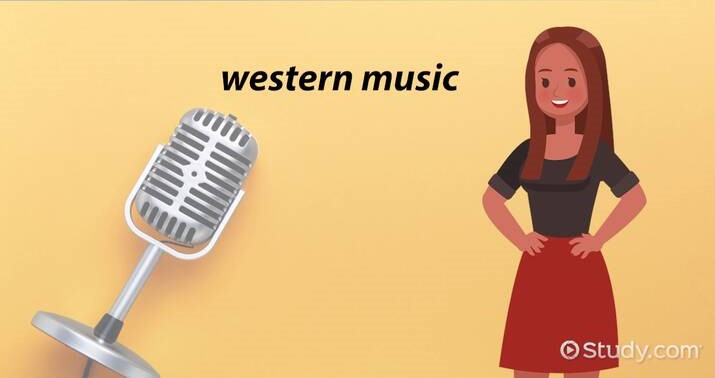
Western singing is distinguished above all by its volume. Singers of other cultures may have a wider range, particularly a greater upward extension; but it is doubtful that they have sung louder. Western singing is also distinguished by its concern with pure sound, with the tone quality, or timbre, and with colour, with what is felt to be the sheer beauty of the voice itself. Both singers and their listeners, in Western music more than any other, have tended to lose sight of song’s roots in language and to think of singing as a purely instrumental production. Modern Western styles of singing largely derive from the Italian bel canto, which had its origin in a style associated with the polyphonic music of the 16th century. Because this music expressed the significance or the moods of the text, a great range of expression was required from the singers, who, in these polyphonic works, assumed something of the function of a vocal orchestra. The art of singing accordingly evolved to allow the singers the maximum power and variety of expression.

THE CHARACTER OF DEVOTIONAL SINGING KIRTAN:

Kirtana (Sanskrit: कीर्तन; IASTKīrtana), also rendered as Kirtan or Keertan, is a Sanskrit word that means “narrating, reciting, telling, describing” of an idea or story, specifically in Indian religions. It also refers to a genre of religious performance arts, a musical form of narration or shared recitation, particularly of spiritual or religious ideas, native to the Indian subcontinent. A person performing kirtan is known as a kirtankara (or kirtankar, कीर्तनकार). With roots in the Vedic anukirtana tradition, a kirtan is a call-and-response or song or chant, set to music, wherein multiple singers recite the names of a deity, describe a legend, express loving devotion to a deity, or discuss spiritual ideas. It may include dancing or direct expression of bhavas (emotive states) by the singer. Many kirtan performances are structured to engage the audience where they either repeat the chant, or reply to the call of the singer.

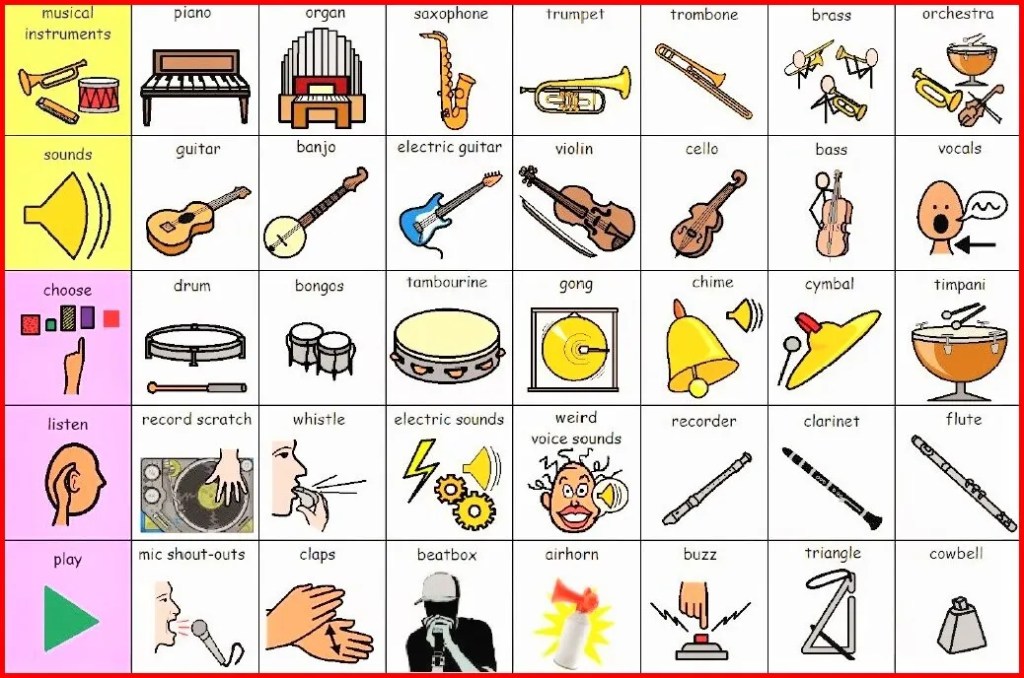
A kirtan performance includes an accompaniment of regionally popular musical instruments, especially Indian instruments like the Indian harmonium, the veenasitar, or ektara (strings), the tabla (one-sided drums), the mrdanga or pakhawaj (two-sided drum), flute (woodwinds), and karatalas or talas (cymbals). It is a major practice in Hinduism, Vaisnava devotionalism, Sikhism, the Sant traditions, and some forms of Buddhism, as well as other religious groups. Kirtan is sometimes accompanied by story-telling and acting. Texts typically cover religious, mythological or social subjects.

Traditionally Kirtan is a “Call and Response”” of chanting experience. The word Kirt is to name to Communicate, to Celebrate, to Praise, and is derived from the Bhakti Yoga. The path of union through Devotion that uses the Repetition of Sanskrit Mantras to invoke the Energy and Attributes of the Devine.

The singing of Bajans is also a part of Spiritual Music, Tradition of India and singing of songs in Prayers. Its Root Bhaj means to Worship with Deep Respect (Revere) and to Love. Both are Devotional music and have been practiced since ancient times. In more recent times Devotional music has been incorporated (To include) in to many modern musical styles so that they can like to so many around the world. and all voices are united (together) with others without needing and skill or practicing. It is wonderful way to play because it is free and is energized and takes us in a relaxing journey ❤

Happiness is needed and anything that gives us Happiness to the Heart need to be encouraged that raises the flow of Energy. In this increasing unnatural society with so much of stress singing is the medicine that help Relax and Energize us. Such a practice can help us face stress of modern life just by using ones own voice in song. Ah!! almost immediate relief of Healing to make Happy people and community 🙂

Latest Update: 6th February 2024. This is “The 231th Post” and with the “Introductory Page this will be all in Total up to date, 232 posts. On Top Right-Hand side, you are able to see: The word “Menu” when you click on it. You will see the word “Home” All the posts from “The Very Beginning comes ~ Under “Home”. Which is The Introductory Page about: Who I am & Why I am Writing!

I hope what I have written and The Knowledge will be Useful and You have learnt new facts. And also You will be able to Enjoy going through The Picture Quotes as I have done quite bit of Making them more colourful and Attractive ❤

I am in Good Health and as, “I have been able to, “Receive Healing Energy into My Hands” since “Beginning of 2016” All my Hard work and Praying has been rewarded. Healing Energy can go to others too, and wherever it is needed to be received with a Clear Mind and Lot of Loving Kindness ❤

 I am Moving on as usual with “My Own Journey of Wellness, Encouraging and Healing” So that Everyone can have “Faith, Hope and to Heal” To Lead a Better Life of Good Health, Happiness and Joy”. If you click on the Link, you can Read This Post: The Therapists Voice Forward!

The Topics in Green, if you “Click” on them “Will take you to My other different posts which you will be able to find more information and even Pronunciation”. I have another website with “My own little Poems and Pictures of some of My Hobbies” if you are interested on seeing, “What else I am doing” during my spare time you can have a look at: https://deepanilamani.com/

Thank you for Reading and The I net for the picture quotes I have shared and to https://www.online-image-editor.com/ for the Quotes I have done Myself. ❤

As always, it is all free”. You can share and pass it on also for others who can benefit from this post. I hope All those who Read will be able to make the maximum use of all these facts and make, “Your Lives More Healthy and able to Lead Better lives in Happiness and Peace”. I wish it to be so as,” Peace which is our Ultimate Goal in life ❤

Sending Love, Light and Healing Energies to You ❤

May Gods Blessing Be Upon You ❤

Deepa Nilamani ❤

Flag Counter

Psychology ~ Happiness!

Hello To, All My Readers Followers and Blogging Friends ❤

Hope you all have started the New Year well and in Good Health. I thought of writing about Psychology of Happiness very fitting to begin the New Year, 

Happiness, in psychology, a state of emotional well-being that a person experiences either in a narrow sense, when good things happen in a specific moment, or more broadly, as a positive evaluation of one’s life and accomplishments overall—that is, subjective well-being. Happiness and also from other positive emotions (such as affection, excitement, and interest). This emotion often co-occurs with a specific facial expression: the smile.

The different meanings
People from around the world tend to have a similar concept of happiness and can recognize happiness in others. As a result, the specific emotion of happiness is often included as one of a small number of basic emotions that cannot be broken down into more fundamental emotions and that may combine to form other, more complex emotions (in fact, it is sometimes the only positive emotion that is considered to be basic). Thus, happiness is an important concept for researchers who study.

An entire field of research has developed around the more inclusive concept of subjective well-being, which is characterized by a broad collection of happiness. As one might expect, people who are happy in this way tend to experience frequent positive emotions. This broader form of happiness is not purely emotional, however: it also has a cognitive component. When happy people are asked to think back on the conditions and events in their lives, they tend to evaluate these conditions and events positively. Thus, happy people report being satisfied with their lives and the various domains in their lives.
Interestingly, these different components of happiness do not always co-occur within the same person. It is possible that someone could acknowledge that the conditions of his or her life are good ones. and experience satisfaction with life because their work is worthwhile. Similarly, people who spend lots of time engaging pleasures may experience frequent momentary positive emotions Subjective well-being researchers are interested in the various factors that influence these distinct components.


Psychologists are interested in happiness for two reasons. First, psychologists study happiness because laypeople are interested in happiness. When people from around the world are asked to list the things that are most important to them, happiness consistently tops the list. People rank attaining happiness as being more important than acquiring money, they can help people achieve this goal of being happy by studying the factors that are associated with happiness.

A second reason why psychologists study happiness is because a person’s evaluative responses to the world may provide information about the basic characteristics of human nature. One of the most basic principles guiding psychological theory is that people and animals are motivated to approach things in the world that cause pleasure. Presumably, this behavior results from adaptive mechanisms that guide organisms toward resources and human beings have a basic need to experience strong and supportive social relationships. They point to evidence from the field of subjective well-being to support their claim—a person’s social relationships are reliably linked to his or her happiness. Thus, cataloging the correlates of happiness should provide important information about the features of human nature.

Perhaps more importantly, is when you try to assess happiness in a variety of different ways, these measures all seem to converge on the same answer. For instance, when researchers ask people to provide self-reports of happiness, they tend to agree with informant-reports of happiness—that is, ratings provided by friends and acquaintances. Furthermore, psychological tests—such as those that ask subjects to list as many positive memories as they can within a minute—may also determine who is happy without even asking for an explicit judgment of happiness, and, again, these measures tend to agree with self-reports. When You track people’s levels of happiness, most people report being in mildly positive moods most of the time. people to rate their overall life satisfaction, most people report scores that are above neutral. This research finding is not limited to relatively well-off samples (like the college students who are often asked to participate in psychological studies). Instead, it has been replicated in many different populations in many nations around the world. Thus, when one study the correlates of happiness, they are usually looking for factors that distinguish the very happy from the mildly happy.

Predictors of happiness

Psychologists have arrived at several surprising conclusions in their search for predictors of happiness. Many of the factors that may first come to mind do not seem to play a major role in happiness.


Health also plays a role in subjective well-being, Subjective reports (such as a person’s own evaluation of his or her health) tend to correlate more strongly. factor that has been most closely linked to high levels of happiness is social relationships. Research consistently shows that people who have strong social relationships tend to report higher levels of well-being. As with other domains, subjective reports of relationship quality and relationship satisfaction tend to exhibit the highest correlations with subjective well-being. But even more objective measures, including the number of close friends a person has, the number of social organizations to which the person belongs, and the amount of time the person spends with others, all show small to moderate correlations with happiness.

Other determinants

Religious people tend to report greater happiness. Factors such as intelligence, education, and job prestige are also only slightly related to well-being. Happiness does not seem to change dramatically over the course of the life span.

People who are outgoing, assertive, and sociable tend to report more intense and more frequent positive emotions. The links between happiness and traits (including factors such as optimism and self-esteem) show that personality plays a strong role in people’s subjective well-being.

Functions

Although people tend to think about happiness as an outcome that they desire rather than as a tool that can be used to achieve additional goals, psychologists have begun to ask what function happiness serves. One of the best-known theories, 1998, that the function of happiness (or more precisely, the function of positive emotions) is to broaden one’s thinking and to build one’s resources. According to this theory, positive emotions lead people to think creatively and to try new things. As a result, happy people can develop new ways to approach the world, new interests, new social relationships, and even new physical skills. All of these effects lead to positive outcomes in people’s lives.

Latest Update: 5th February 2024. This is “The 230th Post” and with the “Introductory Page this will be all in Total up to date, 231 posts. On Top Right-Hand side, you are able to see: The word “Menu” when you click on it. You will see the word “Home” All the posts from “The Very Beginning comes ~ Under “Home”. Which is The Introductory Page about: Who I am & Why I am Writing!

I have been getting from WordPress: 🎉 Congrats! I am My Path! is getting noticed. Many other Websites have started receiving updates.

I am in Good Health and as, “I have been able to, “Receive Healing Energy into My Hands” since “Beginning of 2016” All my Hard work and Praying has been rewarded. Healing Energy can go to others too, and wherever it is needed to be received with a Clear Mind and Lot of Loving Kindness ❤

I am Moving on as usual with “My Own Journey of Wellness, Encouraging and Healing” So that Everyone can have “Faith, Hope and to Heal” To Lead a Better Life of Good Health, Happiness and Joy”. If you click on the Link, you can Read This Post: The Therapists Voice Forward!

The Topics in Green, if you “Click” on them “Will take you to My other different posts which you will be able to find more information and even Pronunciation”. I have another website with “My own little Poems and Pictures of some of My Hobbies” if you are interested on seeing, “What else I am doing” during my spare time you can have a look at: https://deepanilamani.com/

As always, it is all free”. You can share and pass it on also for others who can benefit from this post. I hope All those who Read will be able to make the maximum use of all these facts and make, “Your Lives More Healthy and able to Lead Better lives in Happiness and Peace”. I wish it to be so as,” Peace which is our Ultimate Goal in life ❤

Thank you for Reading and The I net for the picture quotes I have shared and to https://www.online-image-editor.com/ for the Quotes I have done Myself.  ❤

Sending Love, Light and Healing Energies to You ❤

May Gods Blessings Be Upon You ❤

Deepa Nilamani ❤

Wishing Star ❤

Flag Counter


Psychology ~ Mindful!

Hello To, All My Readers Followers and Blogging Friends ❤

Hope you all have started the New Year well and in Good Health and continuing to move forward with Positivity and Strength I am writing of Psychology of Mindful 🙂

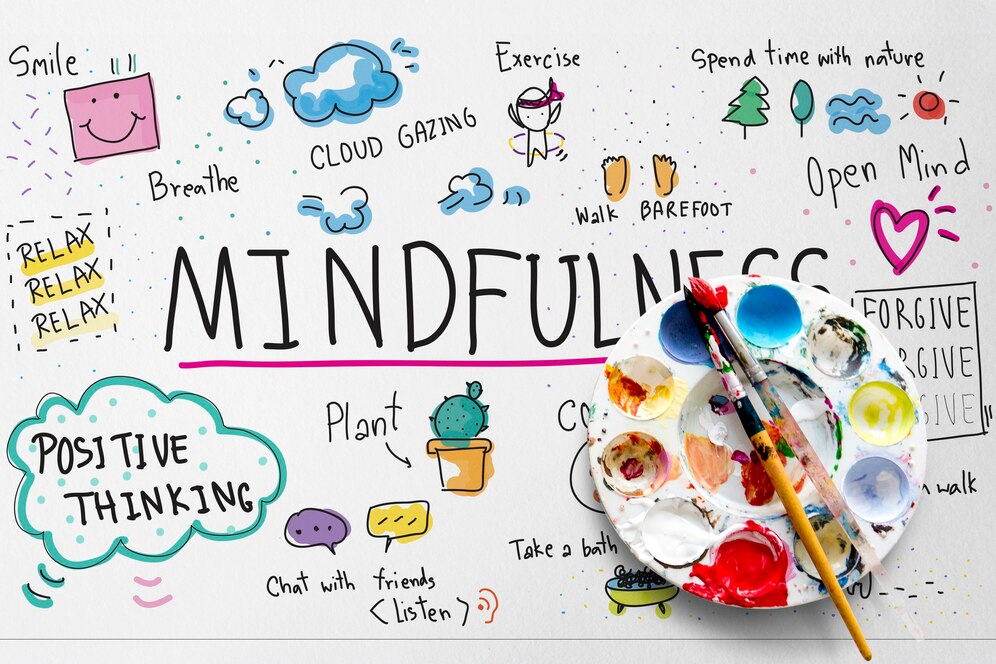
What Is “Mindfulness”?

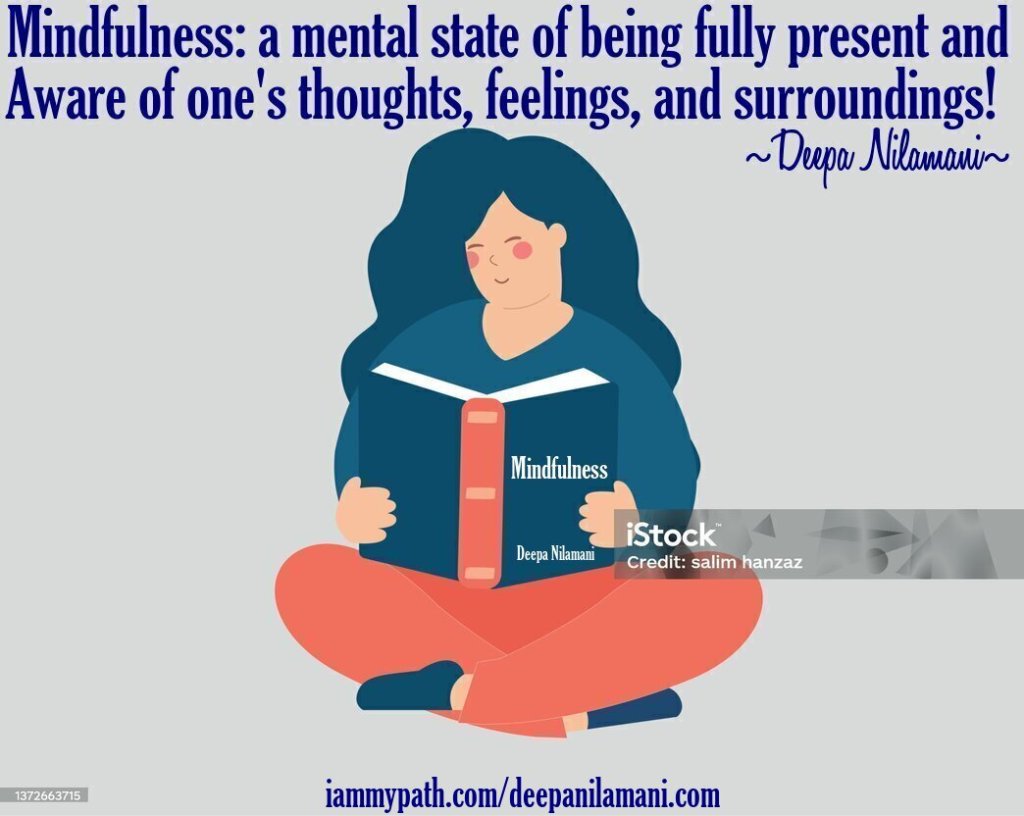
Mindfulness is a mental state of being fully present and aware of one’s thoughts, feelings, and surroundings, without judgment or distraction. It involves paying attention to the present moment and accepting it as it is to reduce stress and increase well-being, focus, and self-awareness. Mindfulness is a guided meditation that increases the power of subconscious mind and is an enabler Mindfulness is awareness of one’s internal states and surroundings. Mindfulness can help people avoid destructive or automatic habits and responses by learning to observe their thoughts, emotions, and other present-moment experiences without judging or reacting to them.

Happy woman enjoys reading a book while sitting on the floor. Happy girl takes notes on her diary with interest. Jomo, joy of missing out, book therapy session, mental health, inner peace concept.

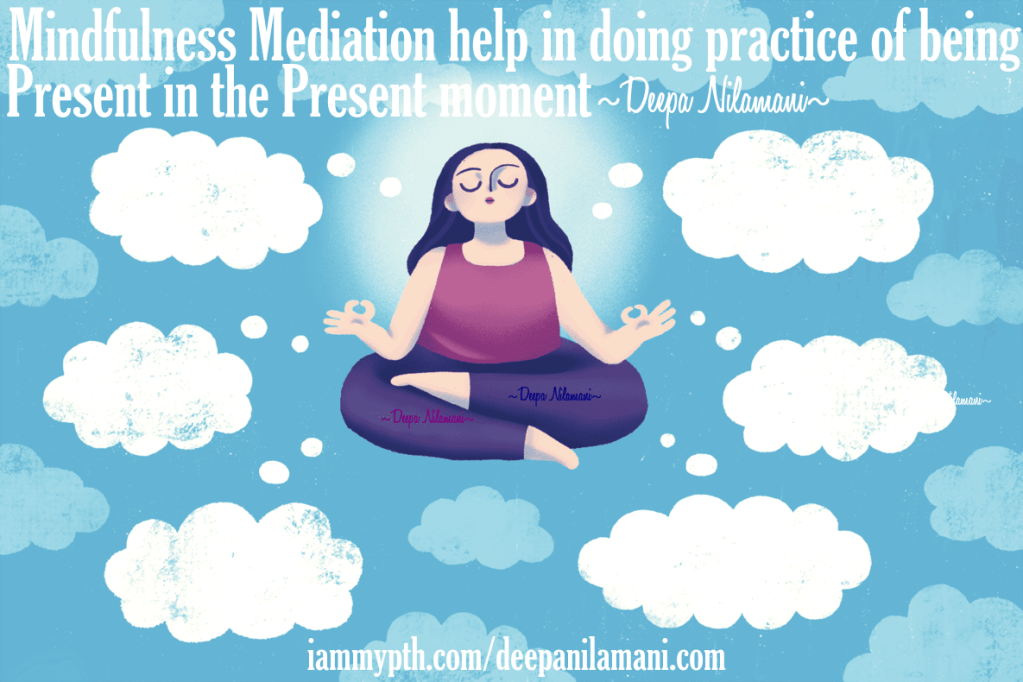
Online Therapy for Mindfulness Mediation help in doing practice of being present in the present moment and paying attention to one’s thoughts, feelings, and emotions from the inside out as well as to the surroundings and events. Clients learn how to become more aware and slow down automatic reactions through talk therapy that includes mindfulness exercises.

Types Of Mindfulness

There are different types of mindfulness practices that can be used to cultivate a state of mindfulness. Here are some examples:

1. Breath-focused mindfulness: This involves focusing one’s attention on the breath, either by observing the natural rhythm of the breath or by counting breaths.

2. Body scan mindfulness: This involves paying attention to the physical sensations in different parts of the body, starting from the toes and moving up to the head.

3. Loving-kindness mindfulness: This involves cultivating feelings of love, kindness, and compassion towards oneself and others, often by repeating positive affirmations.

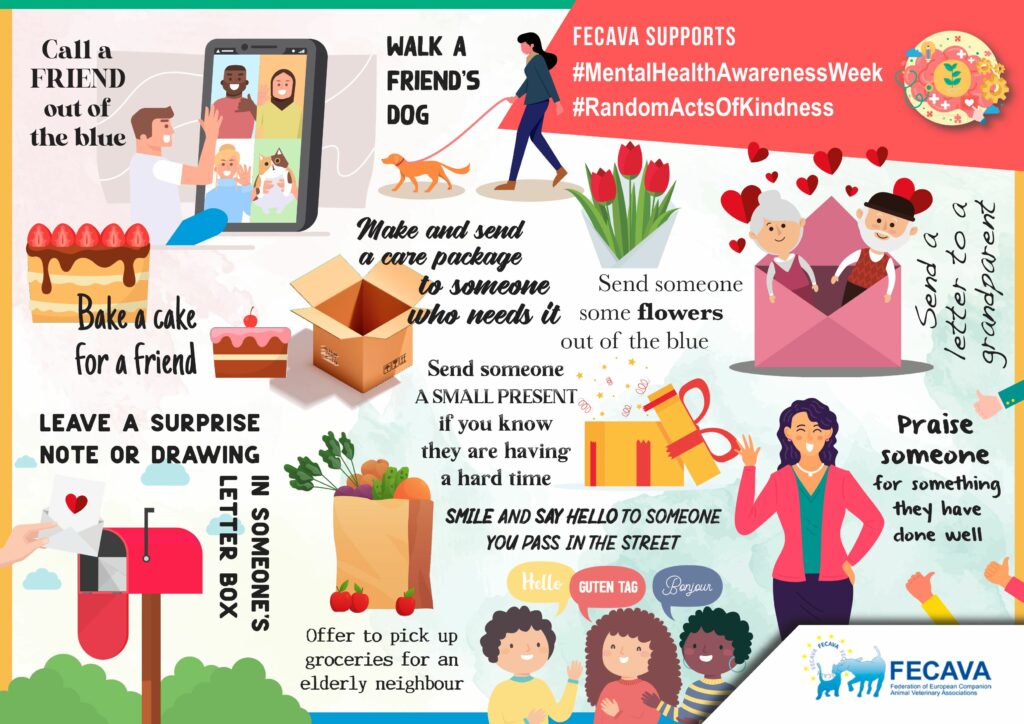
Sharing Sweets or Umbrella, Helping Others, Walk Together, Showing Kindness And Following Rules Are Examples Of Good Behavior Scenes.

4. Walking mindfulness: This involves paying attention to the sensations of walking, such as the movement of the feet and the contact with the ground.

5. Eating mindfulness: This involves paying attention to the sensory experience of eating, such as the taste, smell, and texture of the food.

6. Sound-focused mindfulness: This involves paying attention to the sounds in one’s environment, without judgment or analysis.

7. Visualization mindfulness: This involves visualizing a peaceful or calming scene, of Nature such as Outdoor among Trees or Plants, or where ever you are, a beach or a mountain, in order to cultivate a sense of relaxation and tranquility.

These are just a few examples of the different types of mindfulness practices that exist. The goal of mindfulness is to cultivate a state of non-judgmental awareness and presence in the present moment, and different practices may be more effective for different individuals or in different situations.

Mindfulness is a state of being in which an individual is fully present at the moment, without judgment or distraction. Here are some signs and characteristics of being in a state of mindfulness:

1. Presence: Mindfulness involves being fully present in the moment, without distraction. Individuals who are mindful are able to focus their attention on the present moment, rather than getting caught up in worries or distractions, and are more productive at work, EAP by TalktoAngel aims at enhancing well-being through mindfulness meditation.

2. Non-judgment: Mindfulness also involves a non-judgmental attitude toward thoughts, feelings, and experiences. Individuals who are mindful are able to observe their thoughts and feelings without getting caught up in judgments or criticisms and are able to manage their stress and anxiety better.

3. Acceptance: Mindfulness also involves a sense of acceptance, acknowledgment, and openness toward one’s experiences. Rather than trying to control or avoid complex thoughts or feelings, individuals who are mindful are able to accept them as they are and observe them without judgment and appreciate the effort of self and others and have better relationships.

4. Calmness: Mindfulness can also lead to a sense of calmness, relaxation, and a peaceful mind. Mindful individuals may experience reduced stress and anxiety and feel more at ease in their daily lives.

5. Improved focus and concentration: Mindfulness & guided meditation can also improve attention, focus, and concentration. By training the mind to focus on the present moment, individuals who practice mindfulness may be better able to concentrate on tasks and improve their productivity & wellness at the workplace.

6. Improved self-awareness: Mindfulness can also improve the power of the subconscious mind & self-awareness. By observing one’s thoughts and feelings without judgment, individuals who practice mindfulness may gain a deeper understanding of their own emotions, motivations, and patterns of behavior and have peaceful & happy minds.

Mindfulness involves being fully present at the moment, without judgment or distraction. By cultivating mindfulness, individuals can experience a sense of calmness, improved focus and concentration, and a deeper understanding of themselves and their experiences.

Happy woman holding huge binocular and looking far ahead.

Causes, Issues And Challenges Of Mindfulness

Mindfulness refers to the practice of being present in the moment, non-judgmentally, and with awareness. Here are some of the common reasons of motivations for practicing mindfulness:

1. Stress reduction: Mindfulness can be a helpful tool for reducing stress and anxiety, as it can help individuals stay present at the moment and avoid getting caught up in worries or negative thoughts.

2. Improved mental health: The practice of Mindfulness has been shown to be effective in improving symptoms of depression, anxiety, and other mental health concerns.

3. Increased self-awareness: Mindfulness can help individuals become more aware of their thoughts, feelings, and physical sensations, which can lead to greater self-awareness and self-understanding.

4. Improved focus and concentration: Mindfulness can help improve focus and concentration, which can be helpful for individuals who struggle with attention or distractions.

5. Improved relationships: Mindfulness can improve communication and empathy in relationships, as individuals become more aware of their own thoughts and feelings, as well as those of others.

6. Increased sense of well-being: Mindfulness can lead to an increased sense of well-being and happiness, as individuals learn to appreciate and savor the present moment.

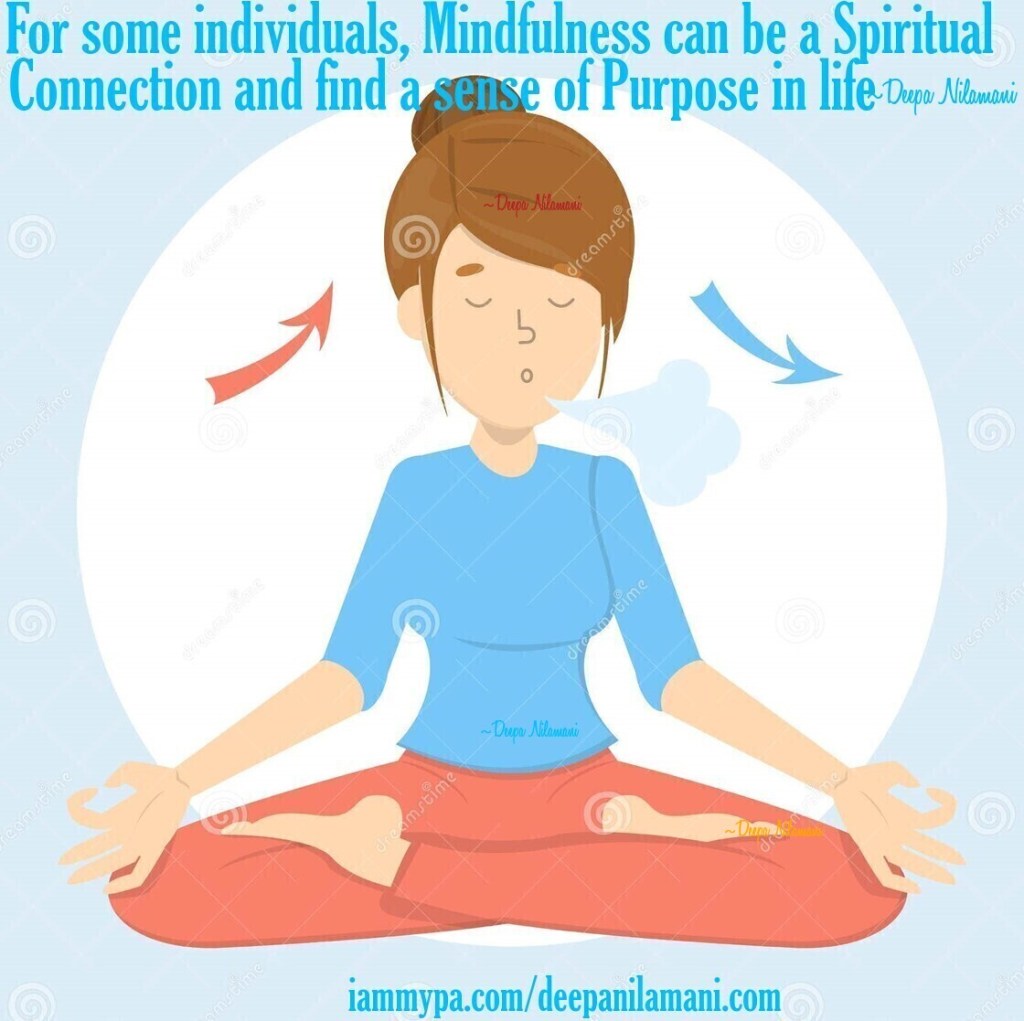
7. Spiritual growth: For some individuals, mindfulness can be a spiritual practice, helping them connect with their inner selves and find a sense of meaning and purpose in life.

It’s important to note that each individual’s reasons for practicing mindfulness can vary and may be influenced by their own personal beliefs, values, and experiences.

A Very Big “Thank You” Again, To All those who Like My Blog, The “Readers, who Comment, E Mail and Websites Followers for Liking, Following, Commenting and Giving Their Views and Encouraging Me ❤

Latest Update: 27th January 2024. This is “The 230th Post” and with the “Introductory Page this will be all in Total up to date, 231 posts. On Top Right-Hand side, you are able to see: The word “Menu” when you click on it. You will see the word “Home” All the posts from “The Very Beginning comes ~ Under “Home”. Which is The Introductory Page about: Who I am & Why I am Writing!

I am in Good Health and as, “I have been able to, “Receive Healing Energy into My Hands” since “Beginning of 2016” All my Hard work and Praying has been rewarded. Healing Energy can go to others too, and wherever it is needed to be received with a Clear Mind and Lot of Loving Kindness ❤

I am Moving on as usual with “My Own Journey of Wellness, Encouraging and Healing” So that Everyone can have “Faith, Hope and to Heal” To Lead a Better Life of Good Health, Happiness and Joy”. If you click on the Link, you can Read This Post: The Therapists Voice Forward!

The Topics in Green, if you “Click” on them “Will take you to My other different posts which you will be able to find more information and even Pronunciation”. I have another website with “My own little Poems and Pictures of some of My Hobbies” if you are interested on seeing, “What else I am doing” during my spare time you can have a look at: https://deepanilamani.com/

If you want to contact me by post, write to; Deepa Nilamani, 65/110-114 Johnson Street, Hillcrest, Queensland 4118, Brisbane, Australia. Remember “You have to send it “” Air Mail to come through Planes, otherwise it can come by Sea Mail from ships which will take very long”

You have to give Your correct Postal Address so that you receive to you itself ❤

September 28th, 2024, soon after My Grandfathers 135th Birthday Celebration, I have been informed that Assets has been released so that I have enough Money to” Carry on My Wish of Giving or sending Gifts All over the World under the “Wishing Star Foundation” ~ Gifts!

As always, it is all free”. You can share and pass it on also for others who can benefit from this post. I hope All those who Read will be able to make the maximum use of all these facts and make, “Your Lives More Healthy and able to Lead Better lives in Happiness and Peace”. I wish it to be so as,” Peace which is our Ultimate Goal in life ❤

Thank you for Reading and The I net for the picture quotes I have shared and to https://www.online-image-editor.com/ for the Quotes I have done Myself ❤

Sending Love, Light and Healing Energies to You ❤

May God’s Blessings Be Upon You ❤

Deepa Nilamani ❤

Wishing Star ❤

Flag Counter