Reflection!

Hello to, All My Dear Readers, Followers and My Blogging Friends

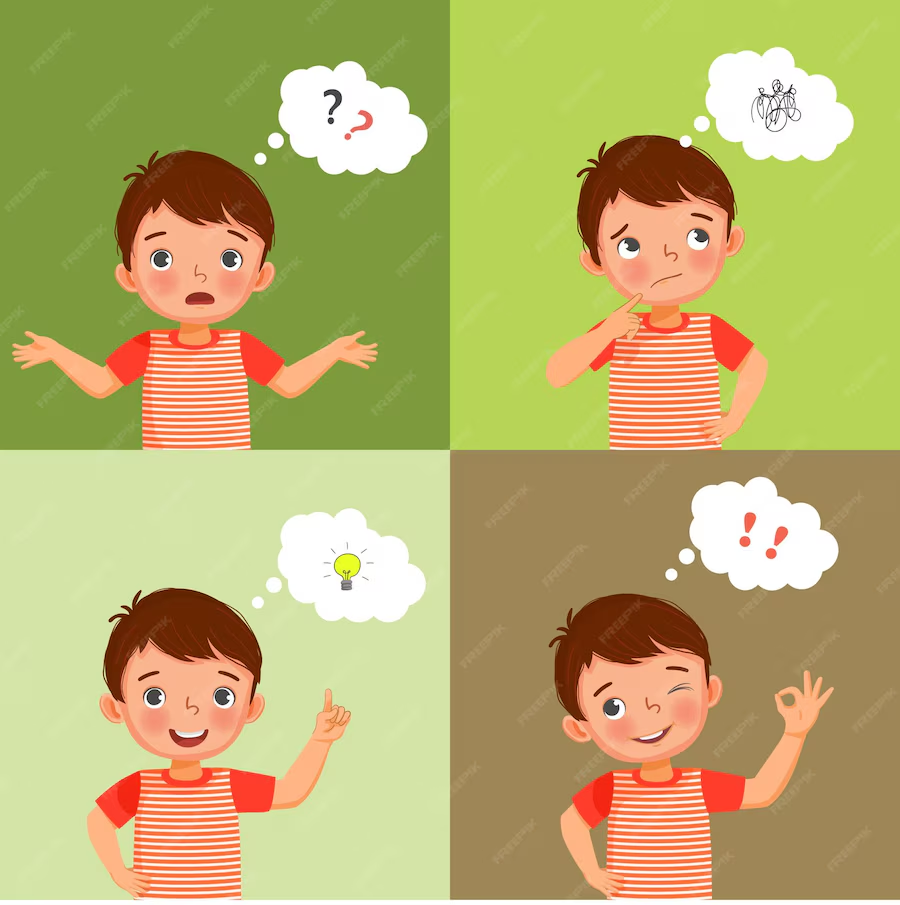
Hope All of You are keeping well and Happy. As usual I am keeping in Good Health and moving forward doing my usual, activities. I decided to rewrite some of the old articles with added knowledge and the changes The world has gone through. This is a Topic I have not written before and I like to write new posts, so this is about Thinking and Reflection is almost the same but it is Thinking Deeply!

Types of Reflection:

1. Self-Reflection:
Self-reflection involves introspection and contemplation of one’s own thoughts, emotions, and behavior. It provides an opportunity to gain self-awareness, identify strengths and weaknesses, and assess personal growth.

2. Critical Reflection:
Critical reflection involves analyzing and evaluating an experience or situation from multiple perspectives. It aims to uncover underlying assumptions, challenge existing ideas, and stimulate critical thinking for a more comprehensive understanding.

3. Reflective Writing:
Reflective writing refers to the practice of expressing thoughts, feelings, and insights on a particular topic or experience through writing. It allows individuals to explore their thoughts more deeply and create a record of their reflections for future reference.

4. Reflective Practice:
Reflective practice is an intentional and systematic approach to learning from experiences. It involves actively reflecting on one’s own actions, seeking feedback, and making improvements based on the insights gained.

mportance of Reflection:
Reflection plays a crucial role in personal and professional development. It helps individuals gain self-awareness, enhance critical thinking skills, make better decisions, learn from mistakes, and foster continuous improvement.

Benefits of Reflection:
– Increased self-awareness and self-understanding
– Enhanced critical thinking and problem-solving skills
– Improved decision-making abilities
– Learning from mistakes and experiences
– Personal and professional growth and development

In conclusion, reflection is a valuable practice that allows individuals to gain self-awareness, learn from experiences, and grow personally and professionally. It encompasses various types such as self-reflection, critical reflection, reflective writing, and reflective practice. By engaging in reflection, individuals can enhance their understanding, make improvements, and foster continuous learning.

Latest Update: Today is the 17 th of October 2025: This is “The 330 Post” and with the “Introductory Page this will be all in Total up to date, 331 posts :).

Take Home Message
We all have the capacity to adapt and to achieve our personal expectations. we raise the bar in relation to our own potential and push ourselves to achieve Higher things. The therapeutic alliance has been shown to affect treatment outcomes across a range of conditions, therapeutic modalities, and contexts. In other words, a greater sense of social connectedness rooted in caring for others, connecting with the community, and finding a sense of purpose is linked to improved mental health and well-being. Lots of picture Quotes about lot of things you can do. Happy Reading 

The coloured Topics in Green, if you “Click” on them “Will take you to other different posts of Mine which you will be able to find more information and even Pronunciation”. I have another website with “My own little Poems and Pictures of some of My Hobbies” if you are interested on seeing, “What else I am doing” you can have a look at: https://deepanilamani.com/

As always, it is all free”. You can share and pass it on also for others who can benefit from this post. I hope All those who Read will be able to make the maximum use of all these facts and make, “Your Lives More Healthy and able to Lead Better lives in Happiness and Peace”. I wish it to be so as,” Peace which is our Ultimate Goal ❤

Thanking to the I net for the picture quotes ❤

May Gods Blessings Be Upon You ❤

Deepa Nilamani ❤


Flag Counter

Just Thinking!

Hello to, All My Dear Readers, Followers and My Blogging Friends ❤

Hope All of You are keeping well and Happy. As usual I am keeping in Good Health and moving forward doing my usual, activities. I decided to rewrite some of the old articles with added knowledge and the changes The world has gone through. This is a Topic I have not written before and I like to write new posts so this is about Thinking 🙂

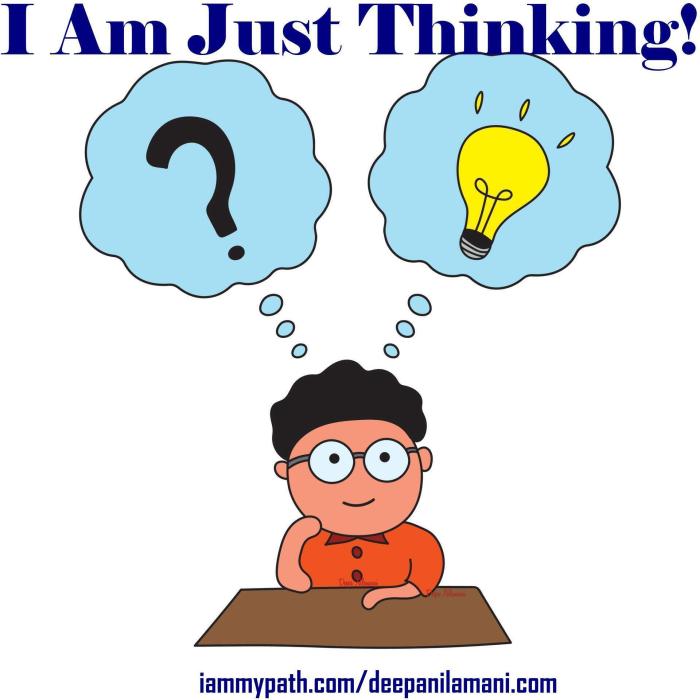
Just thinking in my words is also something like “Dy Dreaming “Thinking from the Mind can be on some topic or what to do next planning how to go about. Without speaking and staying quietly.

Thought, covert symbolic responses to stimuli that are (arising from within) or arising from the environment Thought, or thinking, is considered to mediate between inner activity and external stimuli.

In everyday language, the word thinking covers several distinct psychological activities. It is sometimes for “tending to believe,” especially with less than full confidence (“I think that it will rain, but I am not sure”). At other times it denotes the degree of attentiveness (“I did it without thinking”) or whatever is in consciousness, especially if it refers to something outside the immediate environment (“It made me think of my grandmother”). Psychologists have concentrated on thinking aimed at finding an answer to a question or the solution of a practical problem.

The process of thought

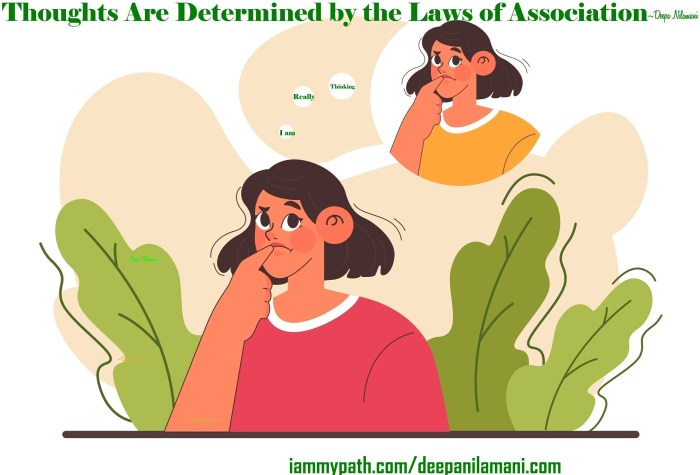
According to the classical view, the succession of ideas or images in a train of thought is determined by the laws of association. Although additional associative laws were proposed from time to time, two invariably were recognized. The law states that the sensation or idea of a particular object tends to evoke the idea of something that has often been encountered together with it. The law of association by similarity states that the sensation or idea of a particular object tends to evoke the idea of something that is similar to it.

Creative thinking

As discussed above, creative) thinking is an activity that leads to new information, or previously undiscovered solutions. Some problems demand flexibility, originality, fluency, and inventiveness, especially those for which the individual must supply a unique solution. creativity. Creative thinking is a matter of using intrinsic resources to produce tangible results. This process is markedly influenced by early experience and training. Thus, school and work situations that encourage individual expression and that tolerate thinking seem to foster the development of creativity.

Computer science has been very important in cognitive science for two reasons. First, the notion of computation has been invaluable for developing ideas about how thinking might be a natural process. Previously, scientific theories of the mind relied on clumsy and unproductive analogies with mechanical devices such as clocks and electronic switchboards. The advent of computer programs made it possible to see how a mechanical device could solve complex problems by manipulating symbols, or representations, according to procedures (computations), for how minds might work in similar ways. Standard programming languages, instructions, which suggest a model of how people make plans. Second, computers themselves have been useful for testing scientific organization and functioning. The program is then run on a computer, and if the computer’s output is similar in appropriate ways to real performance,

Positive thinking

Positive thinking is an important topic in positive psychology. It involves focusing one’s attention on the positive aspects of one’s situation and thereby withdrawing one’s attention from its negative sides.[mThis is usually seen as a global outlook that applies especially to thinking but includes othe processes, like feeling, as well. In this sense, it is closely related to positive things to happen in the future. This positive outlook makes it more likely for people to seek to attain new goals. It also increases the probability of continuing to strive towards pre-existing goals that seem difficult to reach instead of just giving up.

The effects of positive thinking are not yet thoroughly researched, but some studies suggest that there is a correlation between positive thinking and well-being. For example, students with a positive outlook tend to be better at dealing with stressful situations. This is sometimes explained by pointing out that stress is not inherent in stressful situations but depends on the agent’s interpretation of the situation. Reduced stress may therefore be found in positive thinkers because they tend to see such situations in a more positive light. that positive thinkers tend to employ healthier coping strategies when faced with difficult situations.

But it has been argued that whether positive thinking actually leads to positive outcomes depends on various other factors. Without these factors, it may lead to negative results. to make a positive practical contribution, Positive thinking is a topic in the self-help literature. Here, often the claim is made that one can significantly improve one’s life by trying to think positively, New Thought movement, positive thinking figures in the law of attraction, that positive thoughts can directly influence the external world by attracting positive outcomes.

Psychology

Main article: Cognitive psychology

Psychologists have concentrated on thinking as an intellectual exertion aimed at finding an answer to a question or the solution of a practical problem. Cognitive psychology is a branch of psychology that investigates internal mental processes such as problem solving, memory, and language; all of which are used in thinking. The school of thought arising from this approach is known as cognitivism, which is interested in how people mentally represent information processing.

Thought experiments

Thought experiments involve thinking about imaginary situations, often with the aim of investigating the possible consequences of a change to the actual sequence of events. It is a controversial issue to what extent thought experiments should be understood as actual experiments. They are experiments in the sense that a certain situation is set up and one tries to learn from this situation by understanding what follows from it. They differ from regular experiments in that imagination is used to set up the situation and what follows from it, instead of setting it up physically and observing thinking, therefore, plays a central role in thought experiments. how to reply to any possible message, similar to how a computer would react to messages.

Thought experiments are employed for various purposes, for example, for entertainment, education This use is found in fields like philosophy, the natural sciences, and history. It is controversial since there is a lot of disagreement concerning the epistemic status of thought experiments, of this usage is the fact that they pretend to be a source of knowledge without the need to leave one’s armchair in search of any new data.

Laws of thought

Traditionally, the term “laws of thought” how the laws of thought are to be understood.

You’re on a 5-day streak on I am My Path!! From WordPress You’ve posted 5 days in a row on I am My Path!! Keep up the good work.

Latest Update: Today is the 15 th of October 2025: This is “The 329Post” and with the “Introductory Page this will be all in Total up to date, 330 posts :).

Take Home Message
We all have the capacity to adapt and to achieve our personal expectations. we raise the bar in relation to our own potential and push ourselves to achieve Higher things. The therapeutic alliance has been shown to affect treatment outcomes across a range of conditions, therapeutic modalities, and contexts. In other words, a greater sense of social connectedness rooted in caring for others, connecting with the community, and finding a sense of purpose is linked to improved mental health and well-being. Lots of picture Quotes about lot of things you can do. Happy Reading 🙂

The coloured Topics in Green, if you “Click” on them “Will take you to other different posts of Mine which you will be able to find more information and even Pronunciation”. I have another website with “My own little Poems and Pictures of some of My Hobbies” if you are interested on seeing, “What else I am doing” you can have a look at: https://deepanilamani.com/

As always, it is all free”. You can share and pass it on also for others who can benefit from this post. I hope All those who Read will be able to make the maximum use of all these facts and make, “Your Lives More Healthy and able to Lead Better lives in Happiness and Peace”. I wish it to be so as,” Peace which is our Ultimate Goal ❤

May Gods Blessings Be Upon You ❤

Thanking The i net for the pictures ❤

Deepa Nilamani ❤

Flag Counter

Stress Relief Strategies!

Hello To, All My Dear Followers Readers and Blogging Friends ❤

Hope All of You are keeping in Good Health as possible. And Positive and Motivated. I have been writing about Various ways of Therapies to Become Well” And also about Your Purpose in Life! and why having one is so good for your well-being writing with more Positive feelings at this time of my Life with Healing Energies. Now today I am going to write about Stress Relief ways. I have written before too in the past, but this is more in the present times also more advanced where I have more new ways as times changes so much. How to Relieve Stress Now and in the Future!

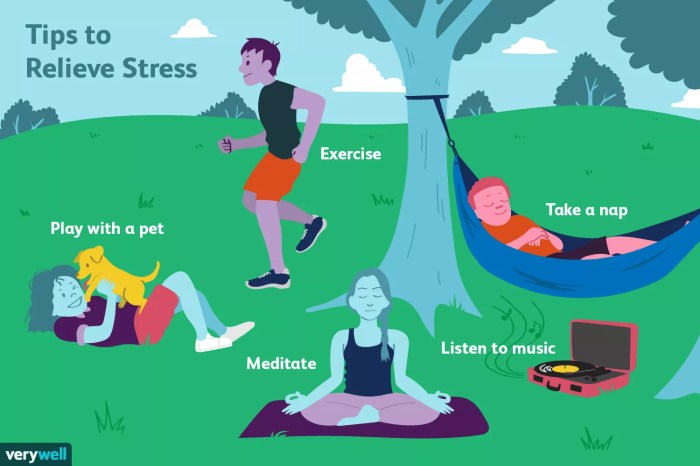
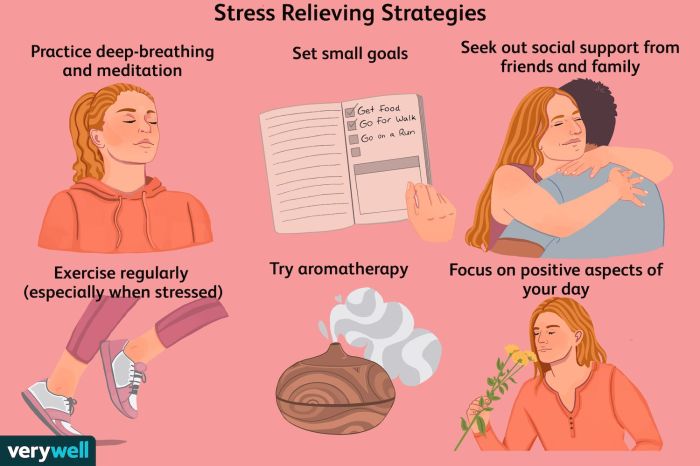
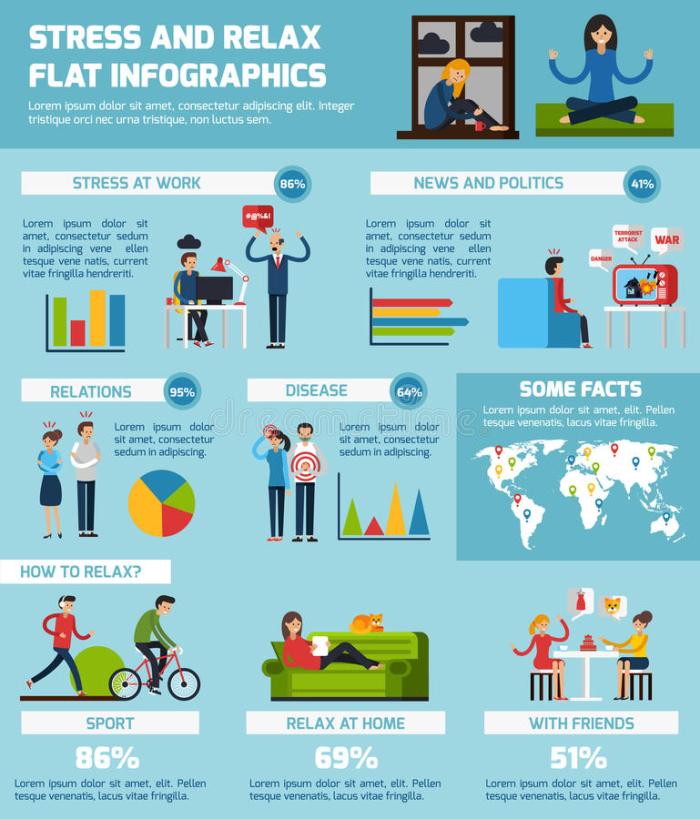
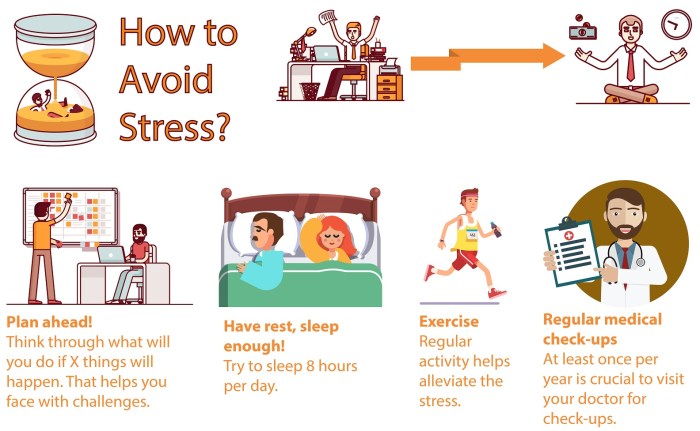
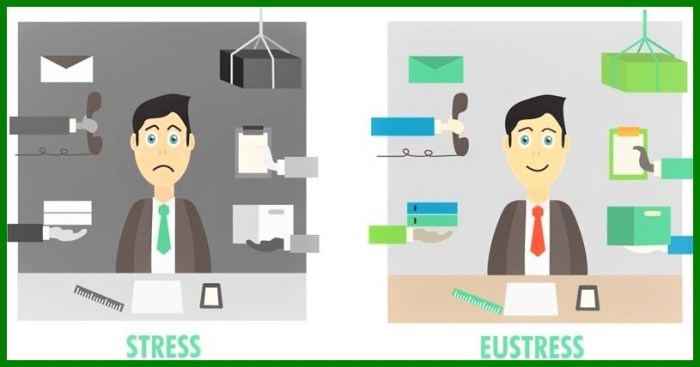
From minor challenges to major crises, stress is part of life. And while you can’t always control your circumstances, you can control how you respond to them. When stress becomes overwhelming or chronic, it can affect your well-being. That’s why it’s essential to have effective stress relievers that can calm your mind and body. 

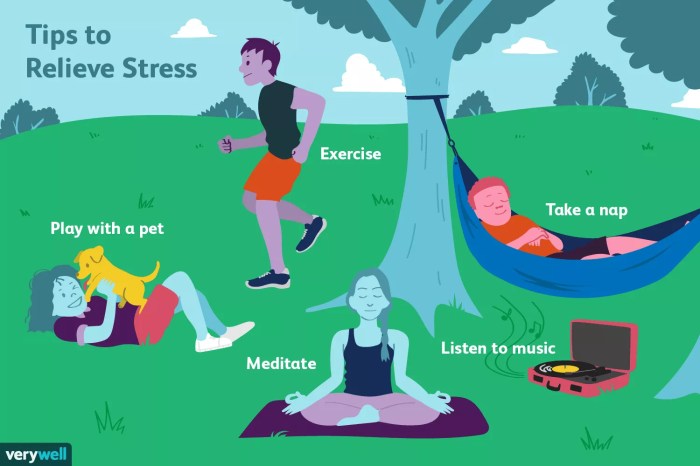
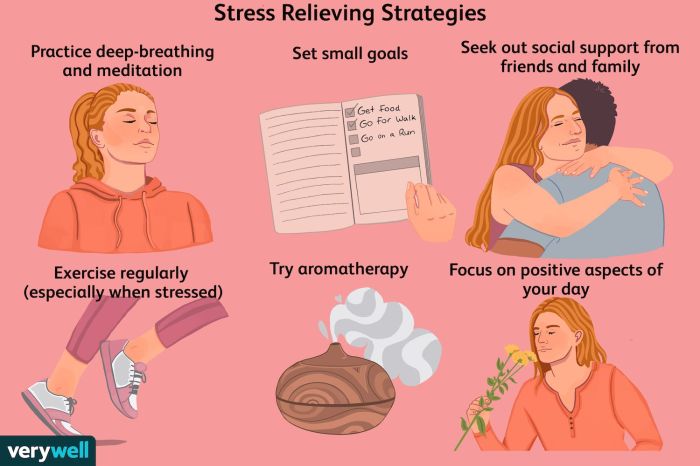
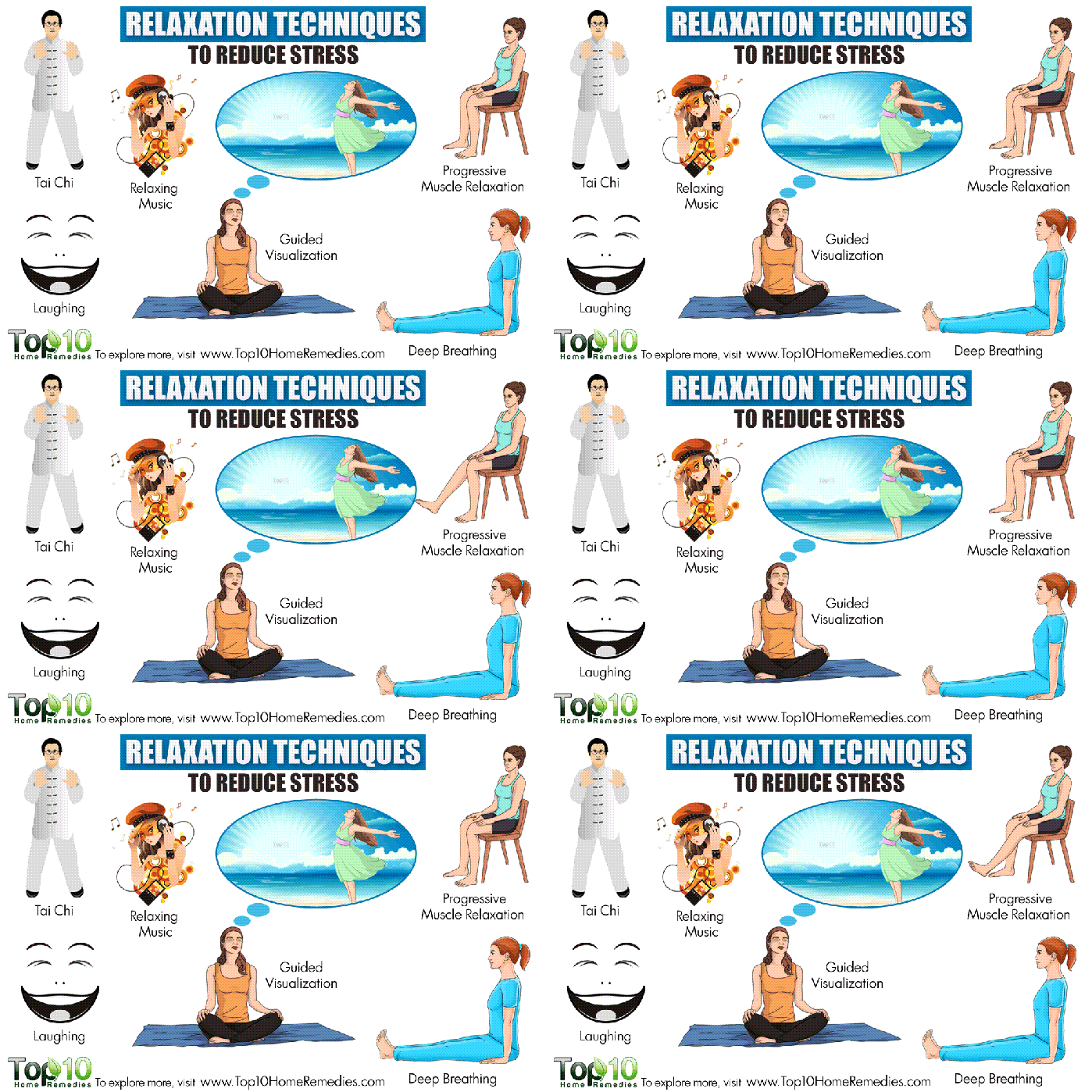
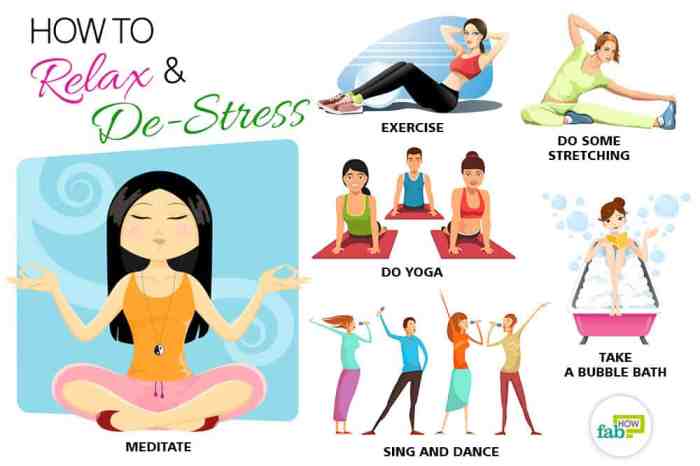
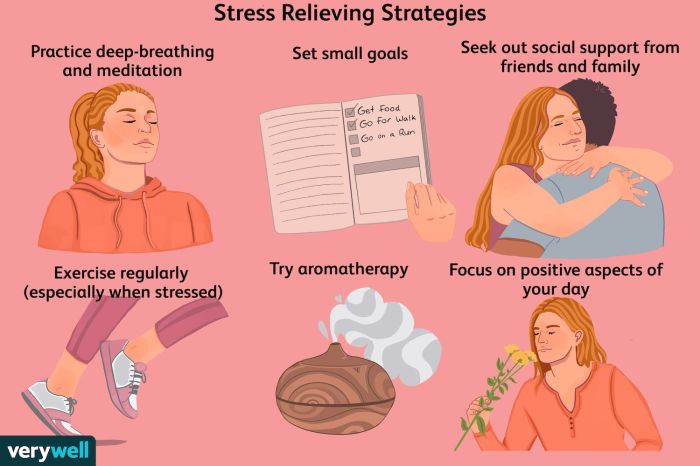
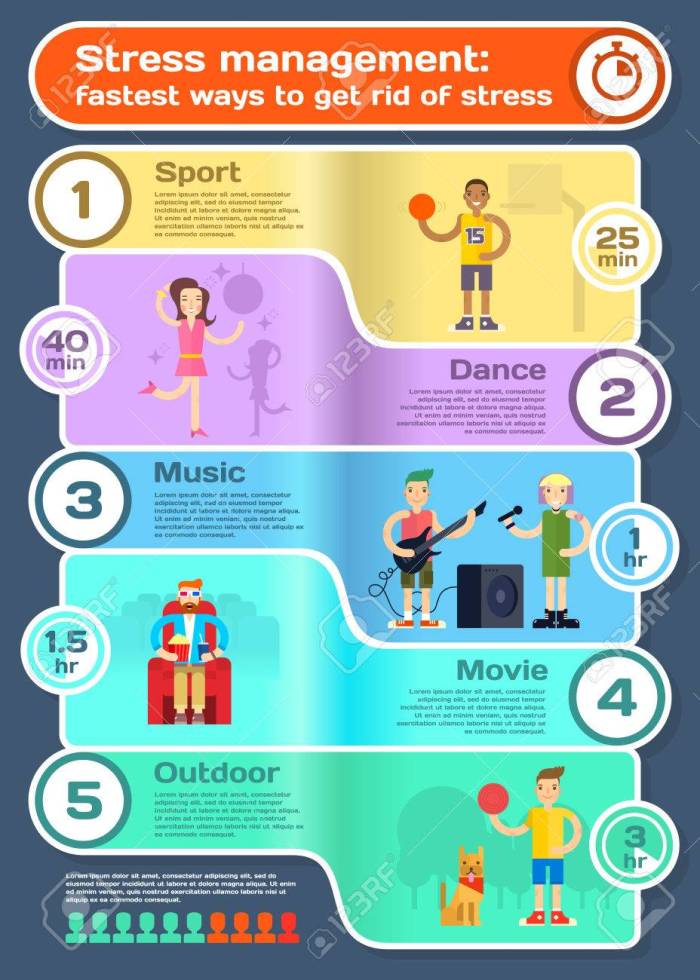
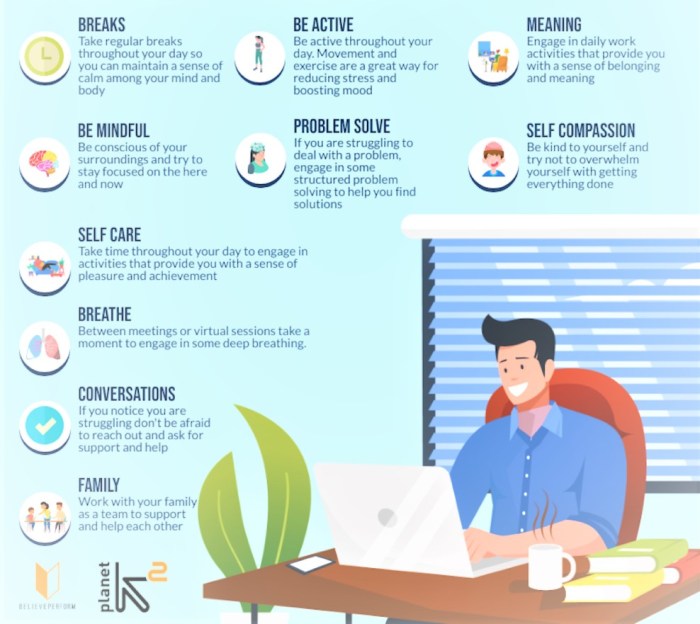
Some effective stress management techniques include:

  • Guided imagery
  • Meditation
  • Progressive muscle relaxation
  • Deep breathing
  • Going for a walk
  • Hugs
  • Aromatherapy
  • Creativity
  • Healthy diet
  • Stress relief supplements
  • Leisure activities
  • Positive self-talk
  • Yoga
  • Gratitude
  • Exercise
  • Evaluating priorities
  • Social support
  • Eliminating stressors

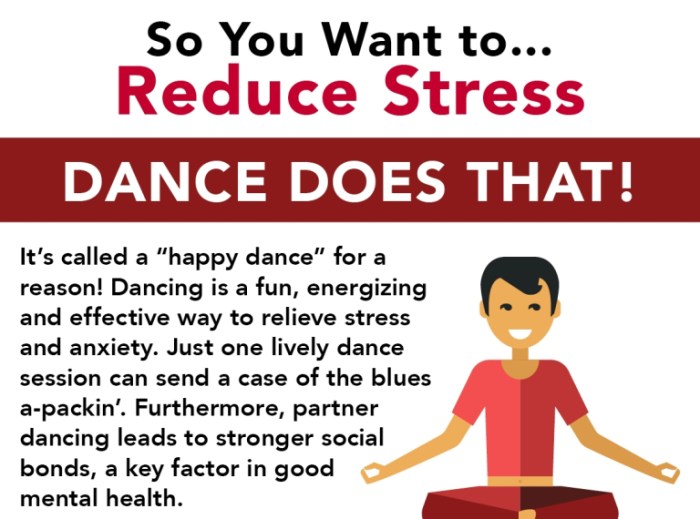
There isn’t a one-size-fits-all option when it comes to stress relief, however. What works for one person might not work for another. And what works for you at home might not be an option when you’re at work or in the community (dancing around your living room might be helpful but dancing in the grocery store might not be). So it’s important to have a variety of stress relief tools at your disposal. Then, you’ll be able to pick a strategy that works best for your current circumstances. 

Fast-Acting Stress Relief Strategies

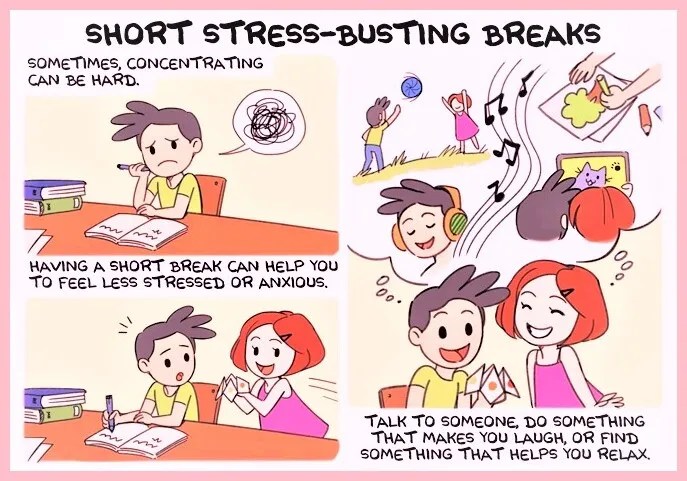
What strategies can relieve stress fast? A number of helpful techniques, such as deep breathing and meditation, are fast-acting tools that you can do anywhere, anytime. Whether you’re about to be interviewed for a job or you’re feeling overwhelmed by your child’s behavior at the playground, it’s important to have some stress reduction tools that can lower your stress right now.

The best short-term strategies:

  • Can be performed anywhere
  • Take very little practice to master
  • Are free
  • Provide immediate relief

Try Guided Imagery

Guided imagery is like taking a short vacation in your mind.1 It can involve imagining yourself being in your “happy place”—maybe picturing yourself sitting on a beach, listening to the waves, smelling the ocean, and feeling the warm sand underneath you. Guided imagery can be done with a recording where you listen to someone walk you through a peaceful scene. Or, once you know how to do it yourself, you can practice guided imagery on your own. 

Simply close your eyes for a minute and walk yourself through a peaceful scene. Think about all the sensory experiences you engage in and allow yourself to feel like you’re really there. After a few minutes, open your eyes and return to the present moment.

Meditate

Meditation brings short-term stress relief as well as lasting stress management benefits. There are many different forms of meditation to try–each one is unique and brings its own appeal.2

You might develop a mantra that you repeat in your mind as you take slow deep breaths. Or, you might take a few minutes to practice mindfulness, which involves being in the moment. Simply pay attention to what you see, hear, taste, touch, and smell.

When you’re focused on the here-and-now, you won’t be able to ruminate about something that already happened and you can’t worry about something in the future. Meditation and mindfulness take practice, but it can make a big difference in your overall stress level as it brings you back to the present.

Practice Progressive Muscle Relaxation

Progressive muscle relaxation involves relaxing all the muscles in your body, group by group.3 To practice, you can start with a few deep breaths. Then, practice tightening and relaxing each muscle group, starting with your forehead and moving down to your toes. With practice, you’ll learn to recognize tension and tightness in your muscles, and you’ll be able to relax more easily. Each time you practice, however, you should experience a feeling of relaxation sweeping through your body. 

Focus on Breathing

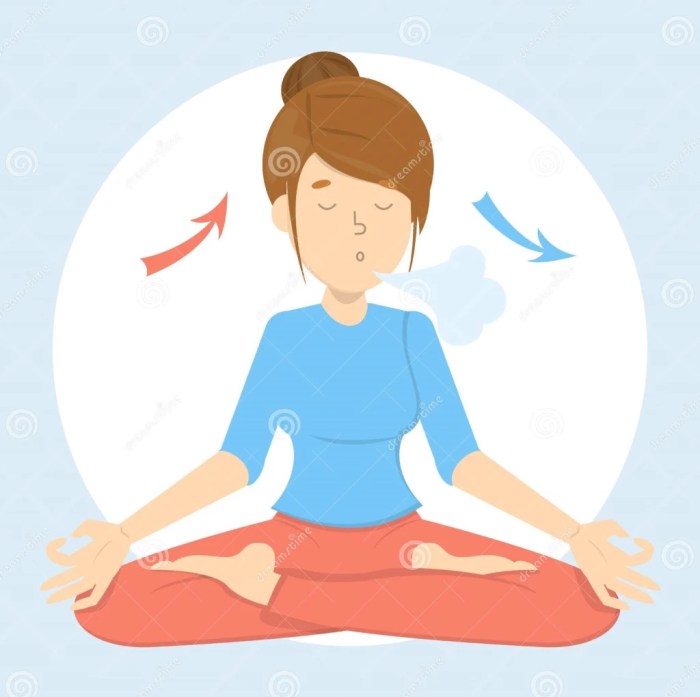
Just focusing on your breath or changing the way you breathe can make a big difference to your overall stress level. Breathing techniques can calm your body and your brain in just a few minutes. breathing exercises could be key to reducing your stress.

  1. Breathe in through your nose and watch your belly fill with air. Count slowly to three as you inhale. Hold for one second, and then slowly breathe out through your nose as you count to three again.
  2. Breathe in through your nose and imagine that you’re inhaling peaceful, calm air. Imagine that air spreading throughout your body. As you exhale, imagine that you’re breathing out stress and tension. 
  3. Take a Walk
  4. Exercise is a fantastic stress reliever that can work in minutes. Taking a walk allows you to enjoy a change of scenery, which can get you into a different frame of mind, and brings the benefits of exercise as well.
  5. So whether you just need to take a stroll around the office to get a break from a frustrating task or you decide to go for a long walk in the park after work, walking is a simple but effective way to rejuvenate your mind and body.

Get a Hug from a Loved One

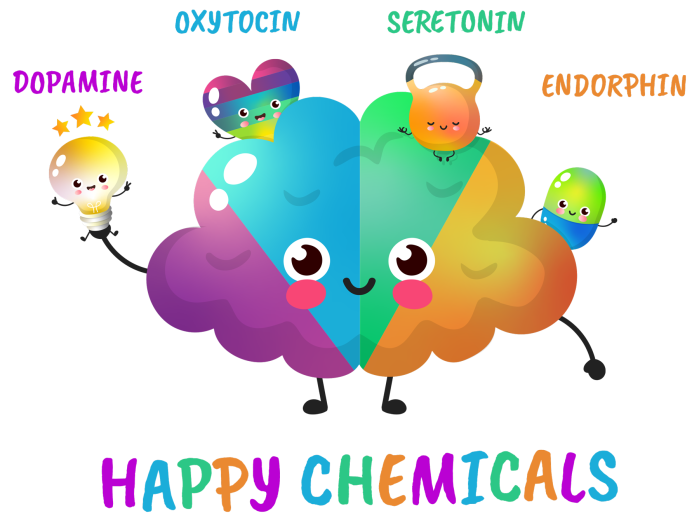
It can be a close family member, and Physical touch can do a lot to relieve your stress. Hugging a loved one can be especially beneficial. When you hug someone, oxytocin is released. Oxytocin is associated with higher levels of happiness and lower levels of stress. and can produce a sense of relaxation. 

Enjoy Aromatherapy

Aromatherapy has real benefits for stress relief—it can help you to feel energized, more relaxed, or more present in the moment. Emerging research suggests certain scents can alter brain wave activity and decrease stress hormones in the body. So whether you enjoy candles, diffusers, or body products, consider incorporating some aromatherapy into your day. 

Create Artwork

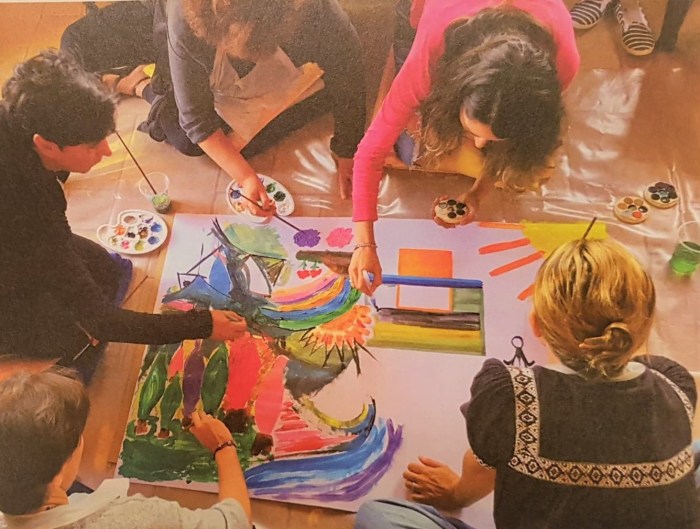
Getting in touch with your creative side may have been easy for you during childhood, but it’s not too late to pick it up again if you’ve lost touch with your penchant for artwork. If you aren’t into drawing or painting, consider coloring in a coloring book. Adult coloring books have risen in popularity, and for good reason—coloring can be a great stress reliever.

Research consistently shows that coloring can have a meditative effect. One study found that anxiety levels decline in people who were coloring complex geometric patterns, making it a perfect outlet for stress reduction.

Long-Term Stress Relief Strategies

What can you do to calm mental stress over the long term? Certain habits can promote resilience to stress and increase overall wellness. For example, those who exercise or meditate regularly tend to become less stressed in the face of a difficult challenge.mSo it’s important to create a lifestyle that will help you ward off stress and deal with challenges in a healthy way. 

Eat a Balanced Diet

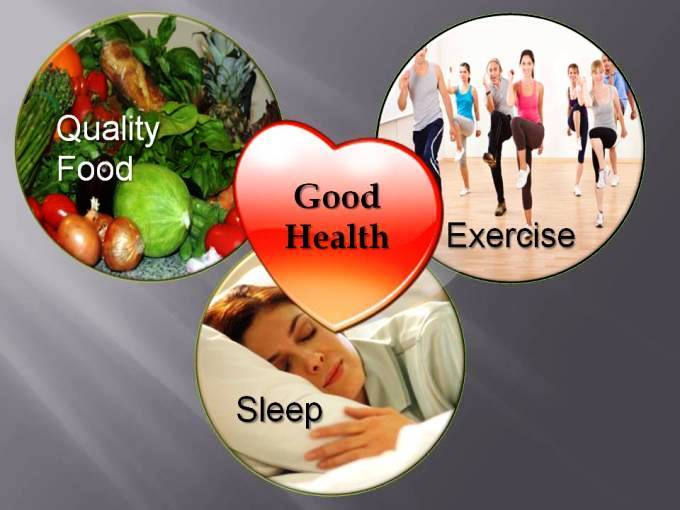
A poor diet can bring greater reactivity toward stress. Emotional eating and reaching for high-fat, high-sugar foods can provide a temporary sense of relief that adds to your long-term stress. Consuming a healthy diet can help you combat stress over the long haul. Foods like eggs, avocado, and walnuts support mood regulation and energy balance.

Develop a Positive Self-Talk Habit

The way you talk to yourself matters. It’s important to learn to talk to yourself in a more realistic, compassionate manner. Positive self-talk can help you develop a healthier outlook. And an optimistic and compassionate conversation can help you manage your emotions and take positive action. 

Prioritize Exercise
Physical activity is key to managing stress and improving mental health. And the best news is, there are many different kinds of activities that can reduce your stress. Join a gym, take a class, or exercise outside. Keep in mind that there are many different ways to get more physical activity in your day too. Walking, strength training, hiking, just a few different examples of ways you can get stress relief.

Problem-Focused Coping Stress Relief.

Most stress relievers focus on changing your emotions. But sometimes, you won’t necessarily get relief until you change the environment. This is referred to as problem-focused coping (as opposed to emotion-focused coping). Problem-focused coping involves taking steps to remove the stressor from your life (as opposed to changing how you feel about the stressor).

Reassess Your To-Do Lists

Reducing your workload could be key to helping you get through the day feeling better. Whether that means stepping away from a committee you joined, or it involves hiring someone to complete some of your household chores for you,

Doing your time management skills can allow you to minimize the stressors that you experience and better manage the ones you can’t avoid. When you are able to complete everything on your “to do” list without the stress of rushing or forgetting, your whole life feels easier.

Obtain Social Support

Having supportive people in your life is the key to stress management. If you lack emotional support and friendship, it’s important to get it. That may mean reaching out to your existing network. Perhaps confiding in a family member or distant friend can help you become closer and it may give you the social support you need. You may also need to expand your network. Join an organization, attend a support group, or get professional help if you lack supportive people in your life. 

Cut out Things That Add to Your Stress

Sometimes, the best way to reduce your stress is to cut something out of your life. Get rid of the things that are adding to your stress so you can experience more peace. Watching the news, being constantly connected to your digital devices, and consuming too much caffeine are just a few of the things that may add more stress to your life. Making some changes to your daily habits could be instrumental in helping you feel better.

A Word From Verywell

Finding the best stress relief strategies may take some experimenting. Some strategies may take practice too. But it’s important to keep looking for the tools that will help you manage life’s inevitable ups and downs in a healthy way. Keeping stress at a manageable level is important for your overall well-being.

Take Home Message
We all have the capacity to adapt and to achieve our personal expectations. we raise the bar in relation to our own potential and push ourselves to achieve Higher things. The therapeutic alliance has been shown to affect treatment outcomes across a range of conditions, therapeutic modalities, and contexts. In other words, a greater sense of social connectedness rooted in caring for others, connecting with the community, and finding a sense of purpose is linked to improved mental health and well-being. Lots of picture Quotes about lot of things you can do. Happy Reading 

Latest Update: Today is 7th of September 2025: This is “The 298 Post” and with the “Introductory Page this will be all in Total up to date, 299th posts.

On Top Right Hand side you are able to see: The word “Menu” when you click on it, you will see the word “Home” All the posts from “The Very Beginning comes ~ Under “Home”. Which is The Introductory Page about: Who I am & Why I am Writing

The old Topics are, “On the Left-Hand side “Under the, “Recent Posts” with “The New Topics adding up. You can “Click and see all The older Topics” “Under “Archives” and “Under Categories”!

I am still “My Healthy self” and Writing “My Own Journey on Wellness and Healing”. So that Everyone can have “Faith, Hope and to Heal” To Lead a Better Life of Good Health, Happiness and Joy”. If you click on the Link You can Read This Post: The Therapists Voice Forward!

The Topics in Green, if you “Click” on them “Will take you to My other different posts which you will be able to find more information and even Pronunciation”. I have another website with “My own little Poems and Pictures of some of My Hobbies” if you are interested on seeing, “What else I am doing” during my spare time you can have a look at :https://deepanilamani.com/

It is all free”. You can share and pass it on also for others who can benefit from this post. I hope All those who Read will be able to make the maximum use of all what I post and write to make, “Your Lives More Healthy and able to Lead Better lives in Happiness and Peace”. I wish it to be so as,” Peace which is our Ultimate Goal in Life ❤

Thanking the I net for the pictures and picture quotes I have shared ❤

Sending Many Blessings of Love, Light and Healing Energies to You ❤

May God’s Blessings Be Upon You ❤

Deepa Nilamani ❤
Flag Counter

Happiness!

Hello to, All My Dear Readers, Followers and My Blogging Friends ❤
I started this blog in September 2015, mainly to spread the messages on Good Health. My main intention was to make You the reader feel “More Positive” and to have that “Faith and Hope” so that you can reach up and make ‘Yourselves Better and Happier”. I kept My Faith and succeeded in My Life. The Beautiful thing is” I have achieved what I wanted through Faith. And then next post was “Joy “Love” and now Happiness 🙂

happiness, in psychology, a state of emotional well-being that a person experiences either in a narrow sense, when good things happen in a specific moment, or more broadly, as a positive evaluation of one’s life and accomplishments overall—that is, subjective well-being. Happiness can be distinguished from other positive emotions (such as affection, excitement, and interest). This emotion often co-occurs with a specific facial expression: the smile.

Signs of Happiness

While perceptions of happiness may be different from one person to the next, there are some key signs that psychologists look for when measuring and assessing happiness.

Some key signs of happiness include:

  • Feeling like you are living the life you wanted
  • Going with the flow and a willingness to take life as it comes
  • Feeling that the conditions of your life are good
  • Enjoying positive, healthy relationships with other people
  • Feeling that you have accomplished (or will accomplish) what you want in life
  • Feeling satisfied with your life
  • Feeling positive more than negative
  • Being open to new ideas and experiences
  • Practicing self-care and treating yourself with kindness and compassion
  • Experiencing gratitude
  • Feeling that you are living life with a sense of meaning and purpose
  • Wanting to share your happiness and joy with others

People from around the world tend to have a similar concept of happiness and can recognize happiness in others. As a result, the specific emotion of happiness is often included as one of a small number of basic emotions that cannot be broken down into more fundamental emotions and that may combine to form other, more complex emotions (in fact, it is sometimes the only positive emotion that is considered to be basic). Thus, happiness is an important concept for researchers who study emotions. When happy people are asked to think back on the conditions and events in their lives, they tend to evaluate these conditions and events positively. Thus, happy people report being satisfied with their lives and the various domains in their lives.

Happiness word cloud collage, heart concept background

Psychologists are interested in happiness for two reasons. First, psychologists study happiness because laypeople are interested in happiness. When people from around the world are asked to list the things that are most important to them, happiness consistently tops the list. People rank attaining happiness as being more important than acquiring money, maintaining good health. Psychologists believe that they can help people achieve this goal of being happy by studying the factors that are associated with happiness.

A second reason why psychologists study happiness is because a person’s evaluative responses to the world may provide information about the basic characteristics of human nature. One of the most basic principles guiding psychological theory is that people and animals are motivated to approach things in the world that cause pleasure and to avoid things in the world that cause pain. Presumably, this behavior results from adaptive mechanisms that guide organisms toward resources and away from dangers. If so, the evaluative reactions of many people about the world should be useful and revealing. For instance, some psychologists have suggested that human beings have a basic need to experience strong and supportive social relationships. They point to evidence from the field of subjective well-being to support their claim—a person’s social relationships are reliably linked to his or her happiness. Thus, cataloging the correlates of happiness should provide important information about the features of human nature.

happiness is an overall sense of experiencing more positive emotions than negative ones.

Happy people still feel the whole range of human emotions they have an underlying sense of optimism that things will get better, that they can deal with what is happening, and that they will be able to feel happy again.How to Cultivate Happiness

While some people just tend to be naturally happier, there are things that you can do to cultivate your sense of happiness. 

Pursue Intrinsic Goals 

Achieving goals that you are intrinsically motivated to pursue, particularly ones that are focused on personal growth and community, can help boost happiness. Research suggests that pursuing these types of intrinsically-motivated goals can increase happiness more than pursuing extrinsic goals like gaining money or status.4

Enjoy the Moment

Studies have found that people tend to over earn—they become so focused on accumulating things that they lose track of actually enjoying what they are doing. So, rather than falling into the trap of mindlessly accumulating to the detriment of your own happiness, focus on practicing gratitude for the things you have and enjoying the process as you go. 

Reframe Negative Thoughts

When you find yourself stuck in a pessimistic outlook or experiencing negativity, look for ways that you can reframe your thoughts in a more positive way. Reframing these negative perceptions isn’t about ignoring the bad. Instead, it means trying to take a more balanced, realistic look at events. It allows you to notice patterns in your thinking and then challenge negative thoughts.

Psychologists have also shown that goals and aspirations influence happiness. Not surprisingly, people who are rapidly approaching a goal tend to experience higher levels of happiness than people who are approaching a goal more slowly. But research also shows that simply having important goals is associated with greater happiness. Presumably, the sense of purpose that these goals create may protect people from the negative effects of temporary setbacks. Interestingly, the specific goals that people choose may also affect their happiness. Research suggests that choosing goals that are a challenge but not unachievable is important.

Although people tend to think about happiness as an outcome that they desire rather than as a tool that can be used to achieve additional goals, psychologists have begun to ask what function happiness serves. One of the best known theories, developed by American psychologist Barbara Fredrickson in 1998, posits that the function of happiness (or more precisely, the function of positive emotions) is to broaden one’s thinking and to build one’s resources. According to this theory, positive emotions lead people to think creatively and to try new things. As a result, happy people can develop new ways to approach the world, new interests, new social relationships, and even new physical skills. All of these effects lead to positive outcomes in people’s lives.

Latest Update: 11th November 2024. The website continues for the New Reader and Followers. Hope what I have written is useful that helps you to feel more Positive and Happier This is “The 256th Post” and with the “Introductory Page this will be all in Total up to date, 257 posts. On Top Right-Hand side, you are able to see: The word “Menu” when you click on it. You will see the word “Home” All the posts from “The Very Beginning comes ~ Under “Home”. Which is The Introductory Page about: Who I am & Why I am Writing!

The older Topics “On the Left-Hand side “Under The Recent Posts, Archives and Categories” with “The New Topics adding up” Happy Reading ❤

What I am doing is, “Taken the Therapists Voices with me and have been Writing of My Journey in Good Health and Wellness in Helping Others to have “Faith, Hope and to Heal” and Lead a Life of Good Health, Happiness and Joy in this Post, and if You click on this Link in Green, you can read this Post: The Therapists Voice Forward!

The coloured Topics in Green, if you “Click” on them “Will take you to My other posts which you will be able to find more information”. I have another website with “My own little Poems and Pictures of some of My Hobbies” if you are interested on seeing, “What else I am doing” 🙂 you can have a look at :https://deepanilamani.com/ ❤

“It is all free”. You can “Download. Take print outs” “share and pass it on also” for others who can benefit from this article and all the other posts ❤

Thank You All again and Lots of Love, Light and Healing Energies from me ❤ ❤ ❤

Thanking for the picture taken from the I net ❤

May God’s Blessings Be Upon You ❤

Deepa 1Deepa Nilamani 🙂

Flag Counter