Origami!

Hello To, All My Dear Readers, My Followers and My Blogging Friends ❤

Hope all of you are in Good Health and getting on in your lives well. Year 2024 has zoomed past and almost coming on to 2026. Today I want to write about a topic most of you have not even heard its about Japanese Paper craft 🙂
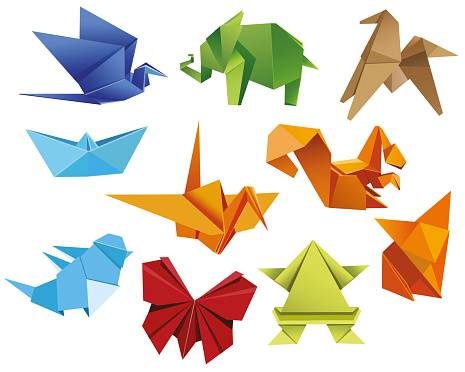
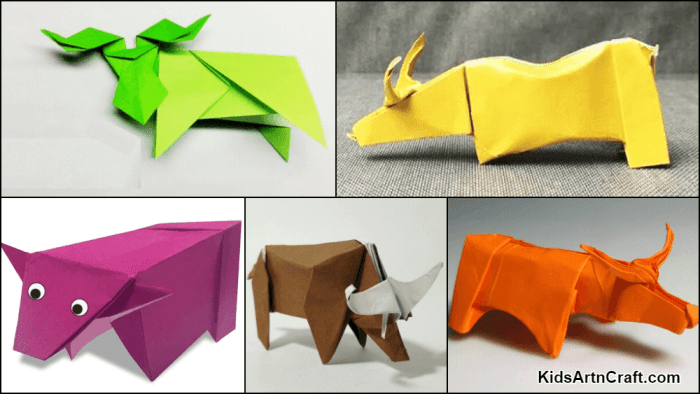
Origami (折り紙) is the Japanese art of paper folding. In modern usage, the word origami is often used as an inclusive term for all folding practices, regardless of their culture of origin. The goal is to transform a flat square sheet of paper into a finished sculpture through folding and sculpting techniques. Modern origami practitioners generally discourage the use of cuts, glue, or markings on the paper. Origami folders often use the Japanese word kirigami to refer to designs which use cuts.
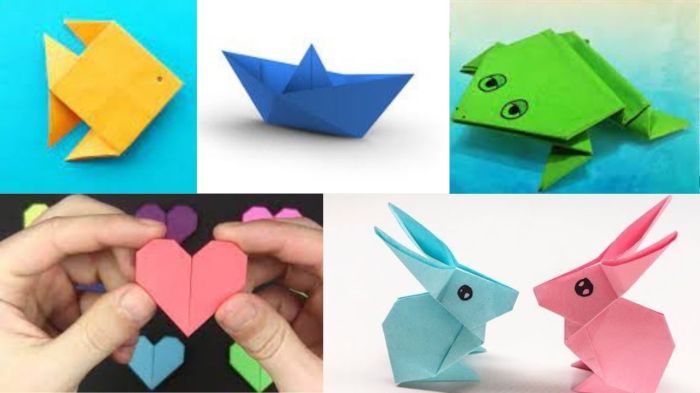
In the detailed Japanese classification, origami is divided into stylized ceremonial origami (儀礼折り紙, girei origami) and recreational origami (遊戯折り紙, yūgi origami), and only recreational origami is generally recognized as origami. In Japan, ceremonial origami is generally called “origata” (ja:折形) to distinguish it from recreational origami. The term “origata” is one of the old terms for origami.
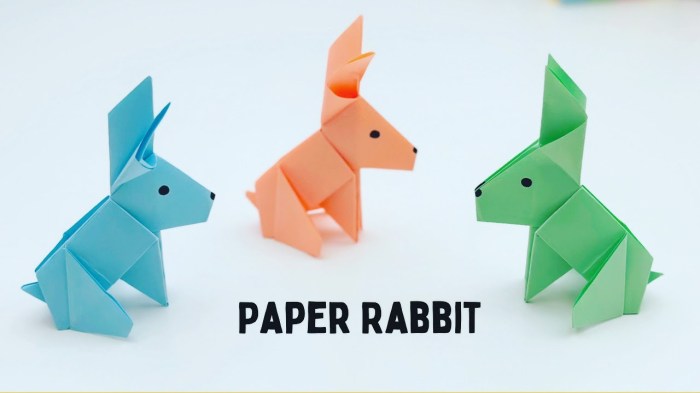
The small number of basic origami folds can be combined in a variety of ways to make intricate designs. The best-known origami model is the Japanese paper crane. In general, these designs begin with a square sheet of paper whose sides may be of different colors, prints, or patterns. Traditional Japanese origami, which has been practiced since the Edo period (1603–1868), has often been less strict about these conventions, sometimes cutting the paper or using nonsquare shapes to start with. The principles of origami are also used in stentspackaging, and other engineering applications.
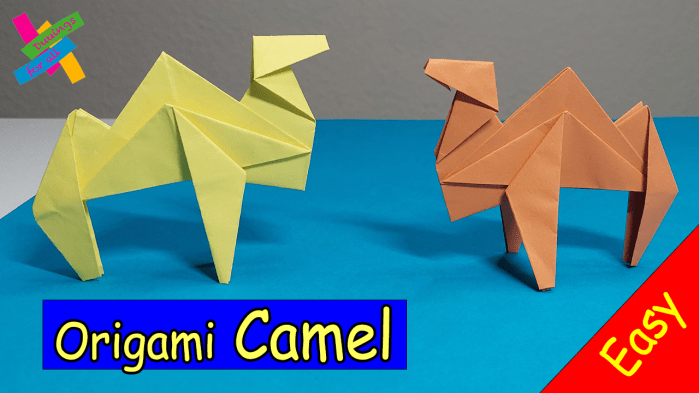
Etymology

The word “origami” is a compound of two smaller words: “ori” (root verb “oru”), meaning to fold, and “kami”, meaning paper. Until recently, not all forms of paper folding were grouped under the word origami. Before that, paper folding for play was known by a variety of names, including “orikata” or “origata” (折形), “orisue” (折据), “orimono” (折物), “tatamigami” (畳紙) and others.

History

Main article: History of origami

Distinct paperfolding traditions arose in Europe, China, and Japan which have been well-documented by historians. These seem to have been mostly separate traditions, until the 20th century.

Ceremonial origami (origata)

By the 7th century, paper had been introduced to Japan from China via the Korean Peninsula, and the Japanese developed washi by improving the method of making paper in the Heian period. The papermaking technique developed in Japan around 805 to 809 was called nagashi-suki (流し漉き), a method of adding mucilage to the process of the conventional tame-suki (溜め漉き) technique to form a stronger layer of paper fibers With the development of Japanese papermaking technology and the widespread use of paper, folded paper began to be used for decorations and tools for religious ceremonies such as goheiōnusa (ja:大麻 (神道)) and shide at Shinto shrines. Religious decorations made of paper and the way gifts were wrapped in folded paper gradually became stylized and established as ceremonial origami.] During the Heian period, the Imperial court established a code of etiquette for wrapping money and goods used in ceremonies with folded paper, and a code of etiquette for wrapping gifts.
Origami paper

Main article: Origami paper

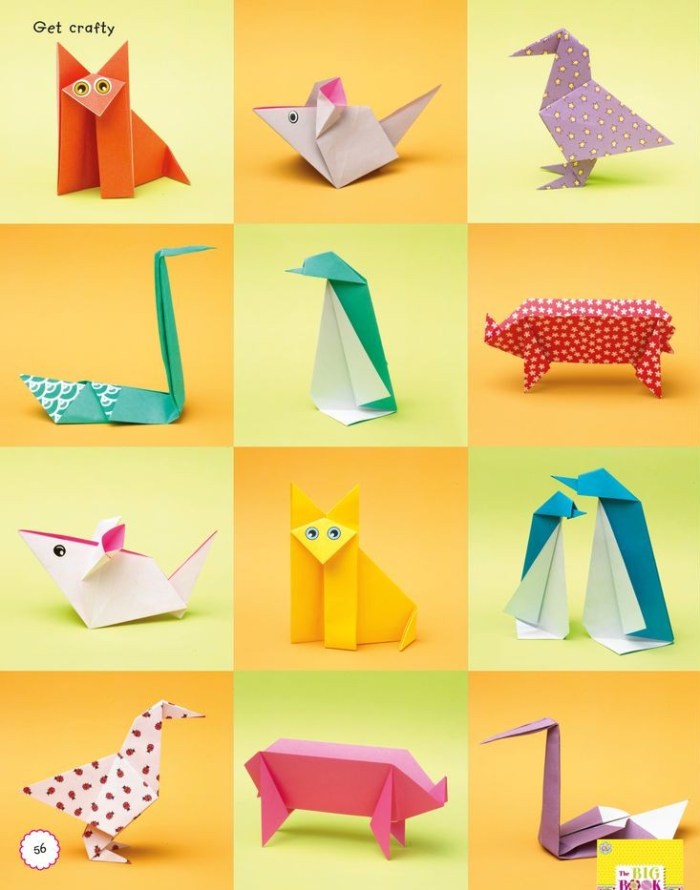
Almost any laminar (flat) material can be used for folding; the only requirement is that it should hold a crease. Origami paper, often referred to as “kami” (Japanese for paper), is sold in prepackaged squares of various sizes or more. It is commonly colored on one side and white on the other; however, dual coloured and patterned versions exist and can be used effectively for color-changed models. Origami paper weighs slightly less than copy paper, making it suitable for a wider range of models.

Normal copy paper can be used for simple folds, such as the crane and waterbomb. Heavier weight papers of or more can be wet-folded. This technique allows for a more rounded sculpting of the model, which becomes rigid and sturdy when it is dry.
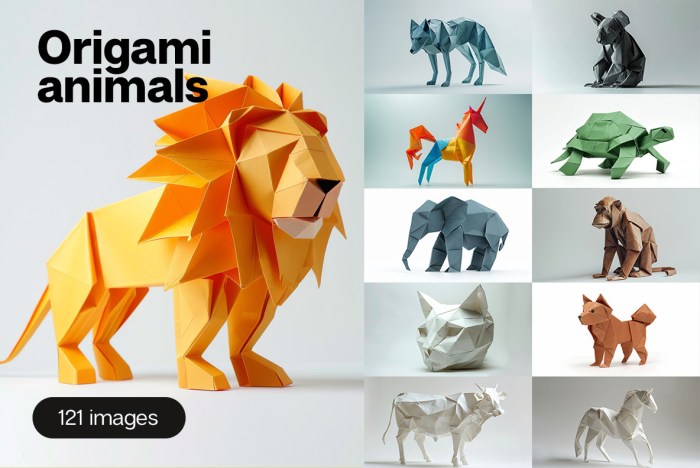
Foil-backed paper, as its name implies, is a sheet of thin foil glued to a sheet of thin paper. Related to this is tissue foil, which is made by gluing a thin piece of tissue paper to kitchen aluminium foil. A second piece of tissue can be glued onto the reverse side to produce a tissue/foil/tissue sandwich. Foil-backed paper is available commercially, but not tissue foil; it must be handmade. Both types of foil materials are suitable for complex models.

Washi (和紙) is the traditional origami paper used in Japan. Washi is generally tougher than ordinary paper made from wood pulp, and is used in many traditional arts. Washi is commonly made using fibres from the bark of the gampi tree, the mitsumata shrub (Edgeworthia papyrifera), or the paper mulberry but can also be made using bamboohemp, rice, and wheat.

Artisan papers such as unryu, lokta, hanji gampi, kozo, saa, and abaca have long fibers and are often extremely strong. As these papers are floppy to start with, they are often backcoated or resized with methylcellulose or wheat paste before folding. Also, these papers are extremely thin and compressible, allowing for thin, narrowed limbs as in the case of insect models.
Date 22 Nd NOVEMBER r 2025: I am in Very Good Health. This is “The 338 Post” and with the “Introductory Page this will be all in Total up to date, 339 articles https://iammypath.com/who-i-am-why-i-am-writing/

What I am doing is, “Taken the Therapists Voices with me and have been Moving forward Telling “My Own Journey in Good Health and Healing” in Helping Others to have “Faith, Hope and to Heal” and Lead a Life of Good Health, Happiness and Joy, and it is in this post if you click on the Link: The Therapists Voice Forwar

🎉 Congrats! I am My Path! is getting noticed. Natural Wellness Boost and 382 others have subscribed to your site.

Take Home Message
We all have the capacity to adapt and to achieve our personal expectations. we raise the bar in relation to our own potential and push ourselves to achieve Higher things. The therapeutic alliance has been shown to affect treatment outcomes across a range of conditions, therapeutic modalities, and contexts. In other words, a greater sense of social connectedness rooted in caring for others, connecting with the community, and finding a sense of purpose is linked to improved mental health and well-being. Lots of picture Quotes about lot of things you can do. Happy Reading 

The coloured Topics in Green, if you “Click” on them “Will take you to other different posts of Mine which you will be able to find more information and even Pronunciation”. I have another website with “My own little Poems and Pictures of some of My Hobbies” if you are interested on seeing, “What else I am doing” you can have a look at: https://deepanilamani.com/
As always, it is all free”. You can share and pass it on also for others who can benefit from this post. I hope All those who Read will be able to make the maximum use of all these facts and make, “Your Lives More Healthy and able to Lead Better lives in Happiness and Peace”. I wish it to be so as,” Peace which is our Ultimate Goal 

As always, it is all free”. You can share and pass it on also for others who can benefit from this post. I hope All those who Read will be able to make the maximum use of all these facts and make, “Your Lives More Healthy and able to Lead Better lives in Happiness and Peace”. I wish it to be so as,” Peace which is our Ultimate Goal 

May God’s Blessing Be Upon You ❤

Deepa Nilamani ❤
Flag Counter

Ikebana!

Hello To, All My Dear Readers, My Followers and My Blogging Friends

Hope all of you are in Good Health and getting on in your lives well. Year 2024 has zoomed past and almost coming on to 2026. Today I want to write about a topic most of you have not even heard its about Japanese Flower Arranging 🙂

Traditional Japanese art of flower arrangement

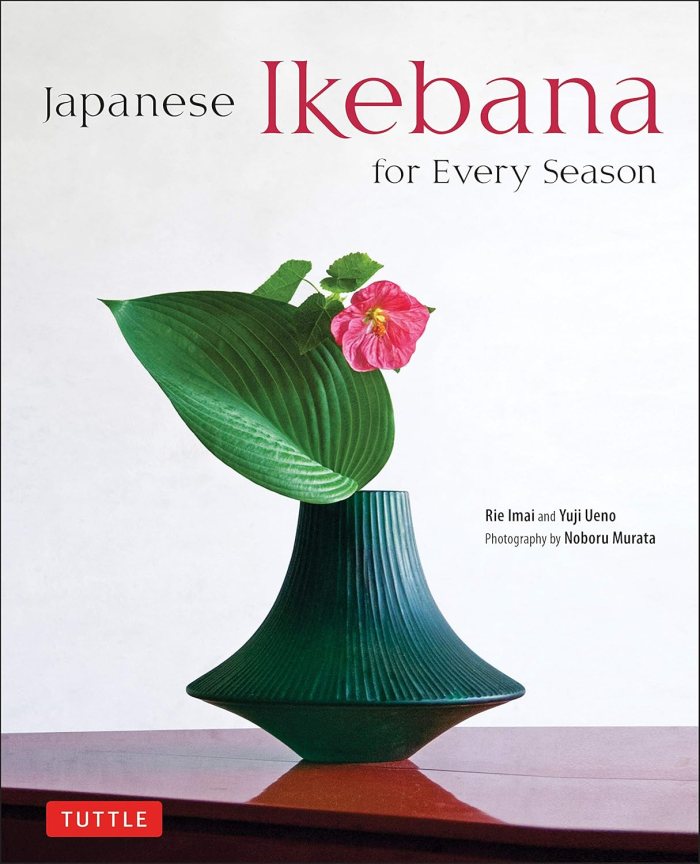
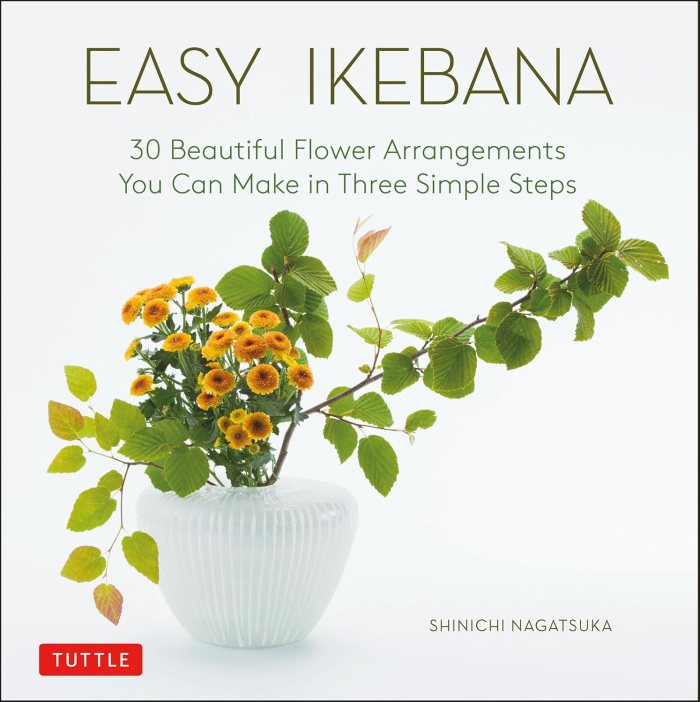
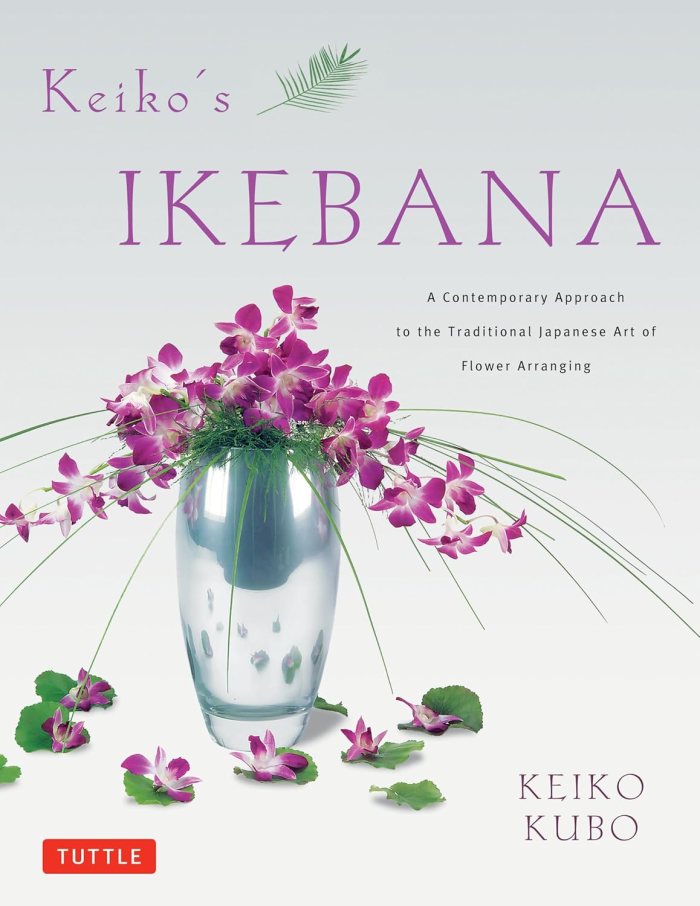
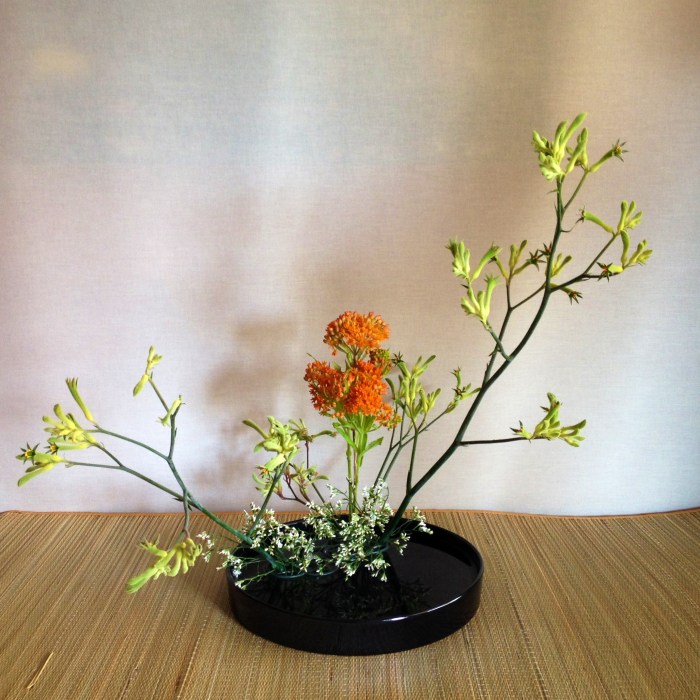
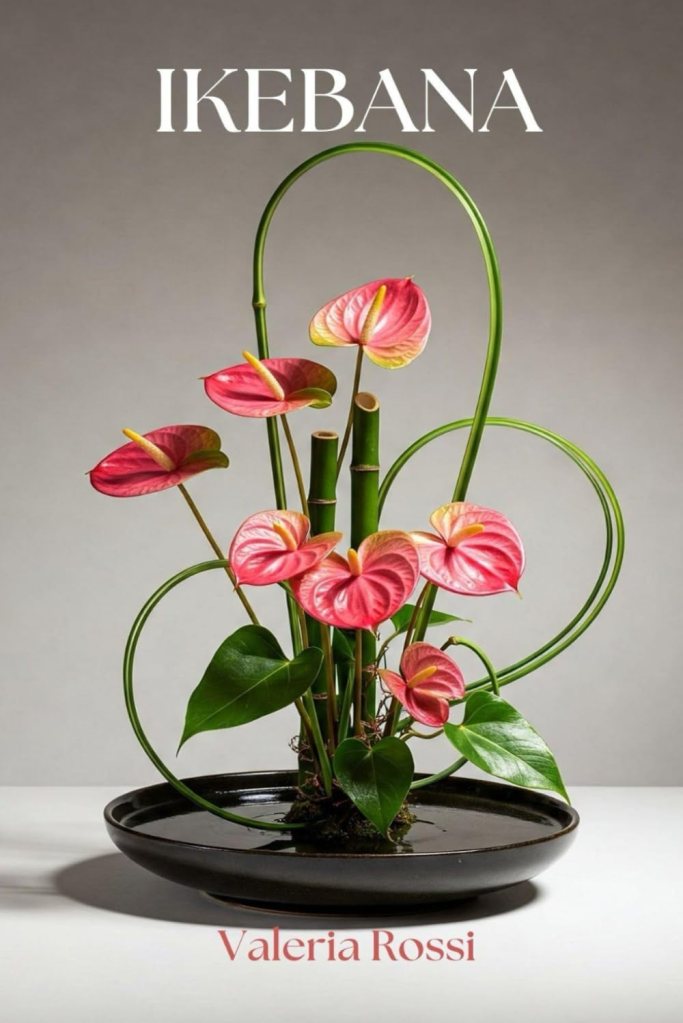
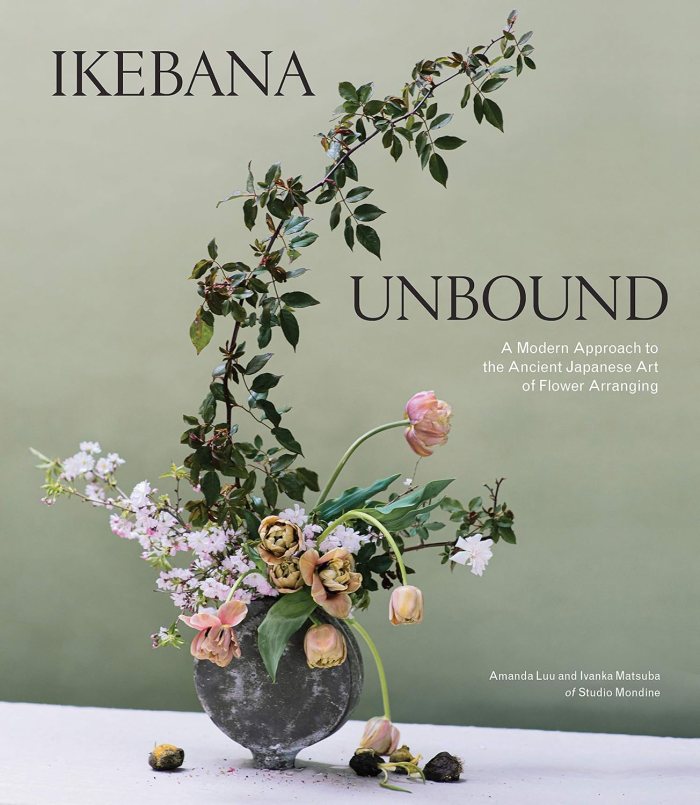
Ikebana is the traditional Japanese art of flower arrangement, meaning “making flowers come alive.” It originated in the Muromachi period and has evolved over centuries, connecting generations through creativity and a love for nature. Ikebana involves selecting flowers, greenery, and other plant materials to express specific emotions, similar to painting or sculpture. It is considered one of the three classical arts of Japan, alongside kōdō (incense appreciation) and chadō (tea ceremony). Ikebana is characterized by its use of asymmetrical forms, empty space, and a sense of harmony among materials and the setting. 

The term ikebana comes from the combination of the Japanese ikeru ‘to arrange (flowers), have life, be living’) and hana (, ‘flower’). Possible translations include ‘giving life to flowers’ and ‘arranging flowers’.

History

The pastime of viewing plants and appreciating flowers throughout the four seasons was established in Japan early on from the aristocracy. Waka poetry anthologies included many poems on the topic of flowers. With the introduction of Buddhism, offering flowers at Buddhist altars became common. Although the lotus is widely used in India where Buddhism originated, in Japan other native flowers for each season were selected for this purpose.

For a long time the art of flower arranging had no meaning, and functioned as merely the placing in vases the flowers to be used as temple offerings and before ancestral shrines, without system or meaningful structure. The first flower arrangements were composed using a system known as shin-no-hana, meaning ‘central flower arrangement’. A huge branch of pine stood in the middle, with three or five seasonable flowers placed around it. These branches and stems were put in vases in upright positions without attempting artificial curves. Generally symmetrical in form, these arrangements appeared in religious pictures in the 14th century, as the first attempt to represent natural scenery. The large tree in the centre represented distant scenery, plum or cherry blossoms middle distance, and little flowering plants the foreground. The lines of these arrangements were known as centre and sub-Centre.

The art of flower arranging developed with many schools only coming into existence at the end of the 15th century and ikebana, flower arrangement. one of the most important being that flowers offered on all ceremonial occasions, and placed as offerings should not be offered loosely, but should represent time and thought.

Ikebana has always been considered a dignified accomplishment. All of Japan’s most celebrated generals notably practised flower arranging, finding that it calmed their minds and made their decisions on the field of action clearer.

It was in the latter part of the 17th century that ikebana was most practiced and reached its highest degree of perfection as an art. only one branch of ikebana had been taught at a time,

I hope you have learnt new information on this type of flower arranging. You can use any type of flowers dried or even with pieces of just from bushes according to your imagination ❤

Date 22 Nd NOVEMBER r 2025: I am in Very Good Health. This is “The 338 Post” and with the “Introductory Page this will be all in Total up to date, 339 articles https://iammypath.com/who-i-am-why-i-am-writing/

What I am doing is, “Taken the Therapists Voices with me and have been Moving forward Telling “My Own Journey in Good Health and Healing” in Helping Others to have “Faith, Hope and to Heal” and Lead a Life of Good Health, Happiness and Joy, and it is in this post if you click on the Link: The Therapists Voice Forwar

Take Home Message
We all have the capacity to adapt and to achieve our personal expectations. we raise the bar in relation to our own potential and push ourselves to achieve Higher things. The therapeutic alliance has been shown to affect treatment outcomes across a range of conditions, therapeutic modalities, and contexts. In other words, a greater sense of social connectedness rooted in caring for others, connecting with the community, and finding a sense of purpose is linked to improved mental health and well-being. Lots of picture Quotes about lot of things you can do. Happy Reading 

The coloured Topics in Green, if you “Click” on them “Will take you to other different posts of Mine which you will be able to find more information and even Pronunciation”. I have another website with “My own little Poems and Pictures of some of My Hobbies” if you are interested on seeing, “What else I am doing” you can have a look at: https://deepanilamani.com/

As always, it is all free”. You can share and pass it on also for others who can benefit from this post. I hope All those who Read will be able to make the maximum use of all these facts and make, “Your Lives More Healthy and able to Lead Better lives in Happiness and Peace”. I wish it to be so as,” Peace which is our Ultimate Goal 

May God’s Blessing Be Upon You ❤

Deepa Nilamani ❤
Flag Counter

Chakra Dance ~ 2025!

Hello to All My Dear Readers Followers and Blogging Friends ❤

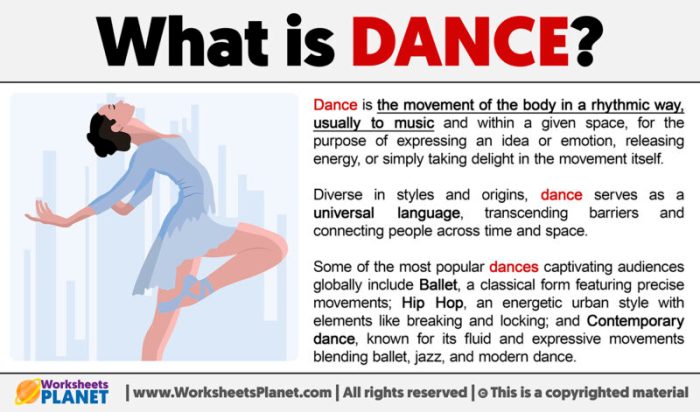
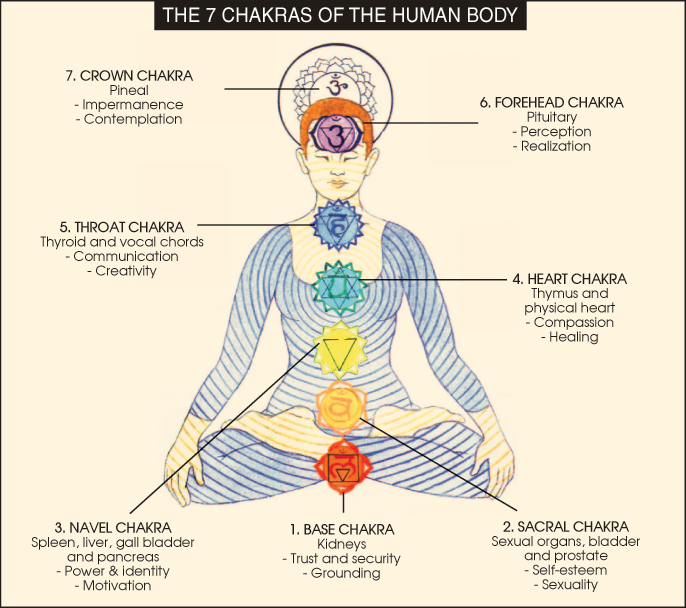
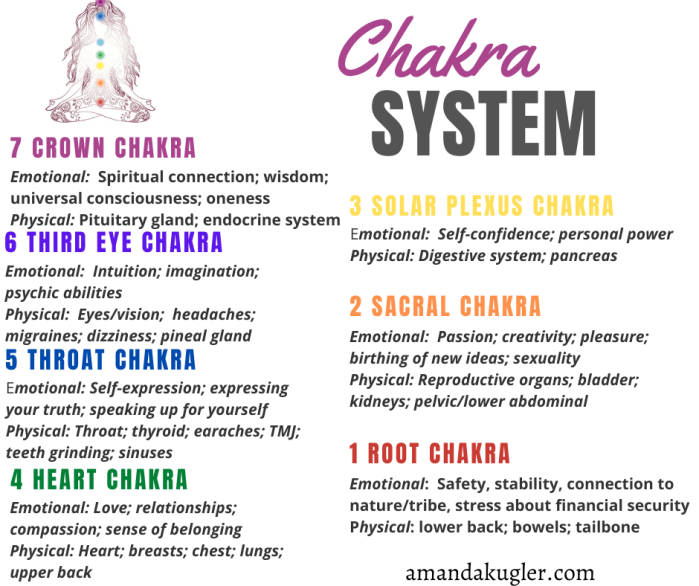
Hope All of you are keeping well. I am writing today to, “Thank You All” for supporting my blog, by liking and commenting. After I was being Congratulated from WordPress 🙂I thought of writing about “Chakra Dance a topic I had overlooked writing some time back. Chakra dance is a healing movement practice. It’s a form of nourishment for your true self – for your soul. Moving to music specifically created to resonate with each chakra, you are guided into your own inner dance of release and re-connection. It offers a kind of liberation.

Chakradance is a healing dance practice that uses spontaneous dance for the purpose of healing. It is a fusion of ancient wisdoms and modern music, and is a way to reconnect with our true selves and inner essence. Each chakra is explored through specific music, guided imagery and your own free, improvised dance, done with your eyes softly closed. Chakradance is a dance practice for the soul that will free and energize you

Chakradance is a healing dance practice. It’s unique because it uses spontaneous dance for the purpose of healing. There’s no right or wrong way to Chakra dance. It’s a journey of self-discovery.

Dance Health Benefits of Dancing ~ 1!Benefit of Dancing Benefits of Dancing ~ 2! Chakra Healing!

Dancing, ‘the hidden language of the soul’, is uplifting and health-giving, but can you engage with spiritual forces to heal psychological discomfort.

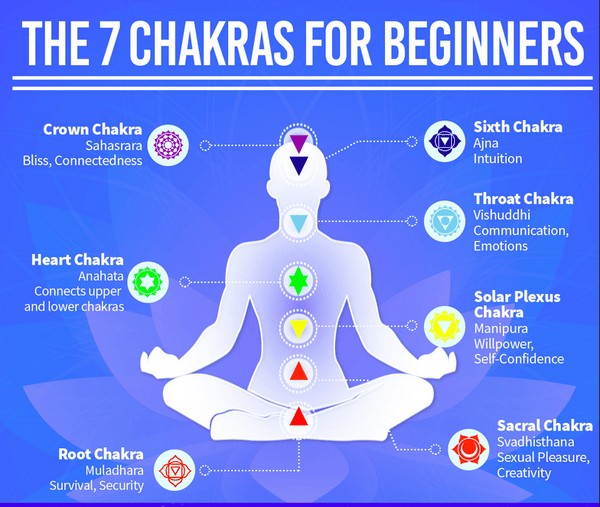
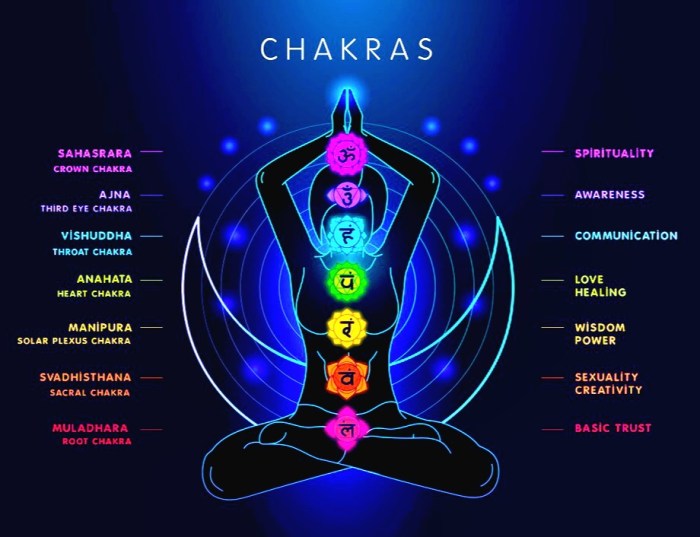
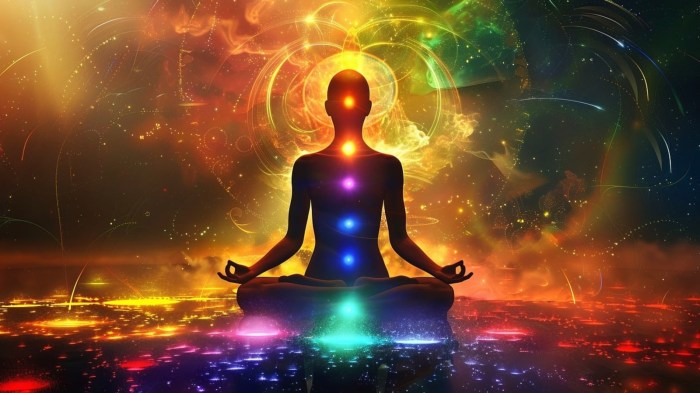
Blending spontaneous, free-flowing dance movements with specific frequencies of sound, and guided imagery – Chakra dance is a dynamic dance journey through the seven chakras. Every human being has seven major chakras and each one influences an aspect of our lives. From our instincts and personal power through to how we love, communicate, use our intuition and connect to our deepest source of spirituality.

Chakra Dance is a healing movement practice. It’s a form of nourishment for your true self – for your soul. Moving to music specifically created to resonate with each chakra, you are guided into your own inner dance of release and re-connection. It offers a kind of liberation.

Within the depths of your being and the expanse of the cosmos lies a profound connection waiting to be uncovered through CHAKRADANCE. This transformative experience is a soulful odyssey that leads you to the sacred realms dwelling within you and woven throughout existence itself. As you sway through the dance of the seven chakras, you step into realms brimming with wisdom, each chakra a gateway to its own realm of teachings, significance, and narratives. These dances, a tapestry of ancient rhythms from diverse cultures, resonate with shared echoes of humanity’s timeless expression through movement.

In the enchanting embrace of CHAKRADANCE, you arrive at the essence of your being, a homecoming of your true self and the vital energy that courses through you. This dance is the nourishment your soul craves, an ethereal banquet that harmonizes free-flowing movements with resonant frequencies of sound. A symphony of motion and vibration unlocks the dormant energy within, unfurling the tapestry of existence before you, inviting you to partake in a richer, more profound existence.

Enveloped by the soft glow of candlelight within a hushed sanctuary, you surrender to melodies meticulously attuned to the vibrations of your seven majestic chakras. With closed eyes and turned focus, CHAKRADANCE becomes a sacred passage into the inner sanctum of your imagination, emotions, intuition, and senses. Amidst this reverie, you traverse the landscapes of your being, reacquainting yourself with forgotten fragments, and liberating memories that have taken residence within your very muscles. In the rhythmic cadence of movement, your pains and sorrows whisper their tales, and the veils concealing your hidden apprehensions are tenderly lifted. These intimate revelations are uniquely yours, a mirror reflecting your personal history and nature, while simultaneously intertwining with the collective tapestry of human experience.

CHAKRADANCE is a dance of profound healing and self-discovery, imbued with the wisdom of Jungian Psychology. Each dance unfurls new insights and emotions, and through the creation of personal mandala art, the resonance of these encounters anchors them in the realm of conscious awareness. As you journey through each dance, you draw closer to the sublime essence that defines your true self. Welcome, seeker, to the realm of CHAKRADANCE. Embark upon this voyage, where joy intertwines with revelation, and where meaning is woven into the very fabric of movement. Release, explore, and unveil the depths of each chakra, for within the dance lies a revelation of the exquisite masterpiece that is uniquely you.

It feels like coming home.

Latest Update: 218th May 2025. The website continues for the New and old Readers, Followers and Blogging Friends. This is “The 269th Post” and with the “Introductory Page this will be all in Total up to date, 270 posts. On Top Right-Hand side, you are able to see: The word “Menu” when you click on it. You will see the word “Home” All the posts from “The Very Beginning comes ~ Under “Home”. Which is The Introductory Page about: Who I am & Why I am Writing!

The new Topics “On the Left-Hand side “Under the Recent Posts, with “The latest Topics adding up” Happy Reading ❤

The coloured Topics in Green, if you “Click” on them “Will take you to My other posts which you will be able to find more information”. I have another website with “My own little Poems and Pictures of some of My Hobbies” if you are interested on seeing, “What else I am doing” 🙂 you can have a look at :https://deepanilamani.com/

As always, it is all free”. You can share and pass it on also for others who can benefit from this post. I hope All those who Read will be able to make the maximum use of all these facts and make, “Your Lives More Healthy and able to Lead Better lives in Happiness and Peace”. I wish it to be so as,” Peace which is our Ultimate Goal in Life ❤

This site has been doing good, and I am so Happy. I have been getting, 🎉 Congrats! I am My Path is getting noticed. By 372 many other websites Thanking the I net for the Picture Quotes I have shared 🙂

Sending Love, Light and Healing Energies to All ❤

May God’s Blessings Be Upon You ❤

Deepa 100Deepa Nilamani 🙂

Flag Counter

Psychology ~ Learning!

Hello To, All My Readers Followers and Blogging Friends ❤

I hope all of you are keeping well. Today I thought of writing about Psychology of Learning. I hope You all will like and learn some new information also.

What is the psychology of learning?

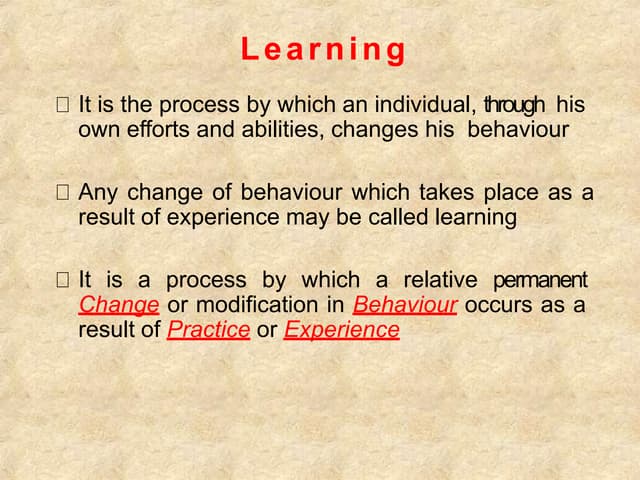
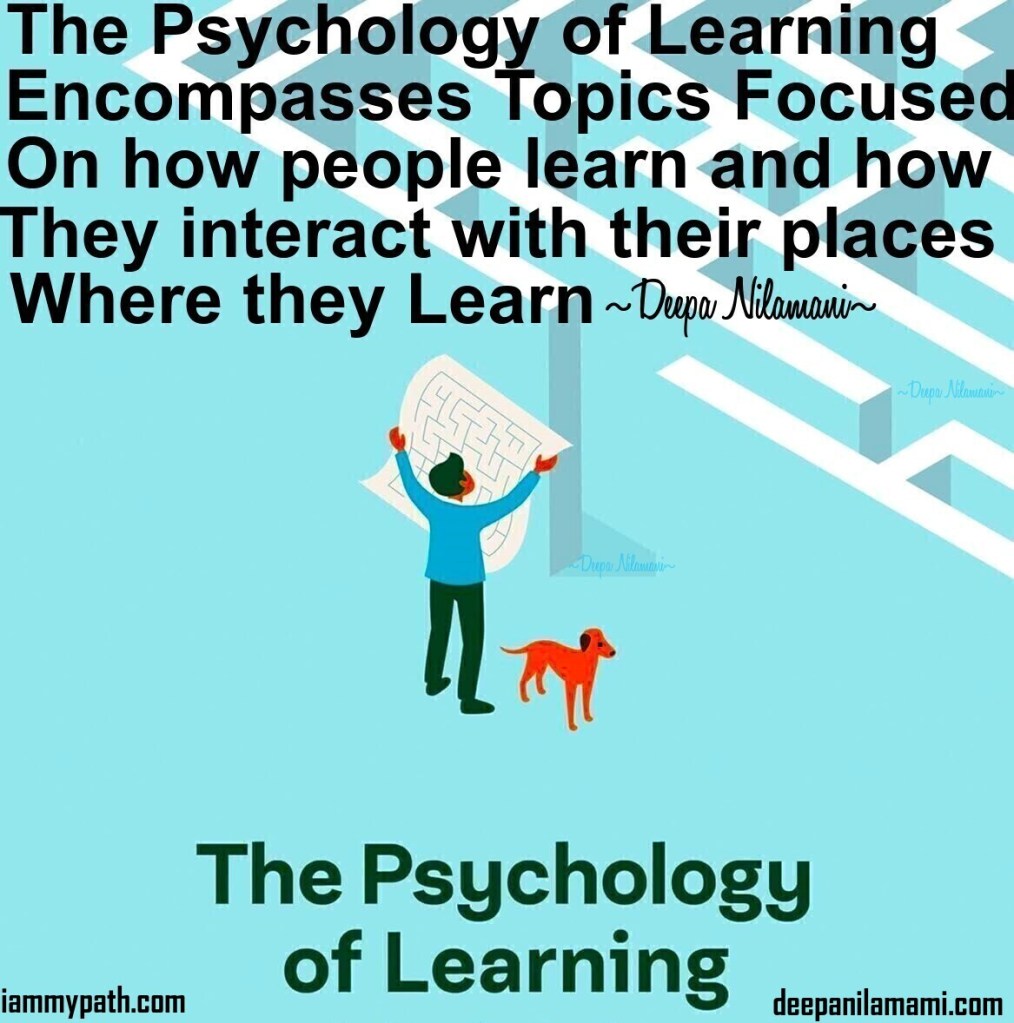
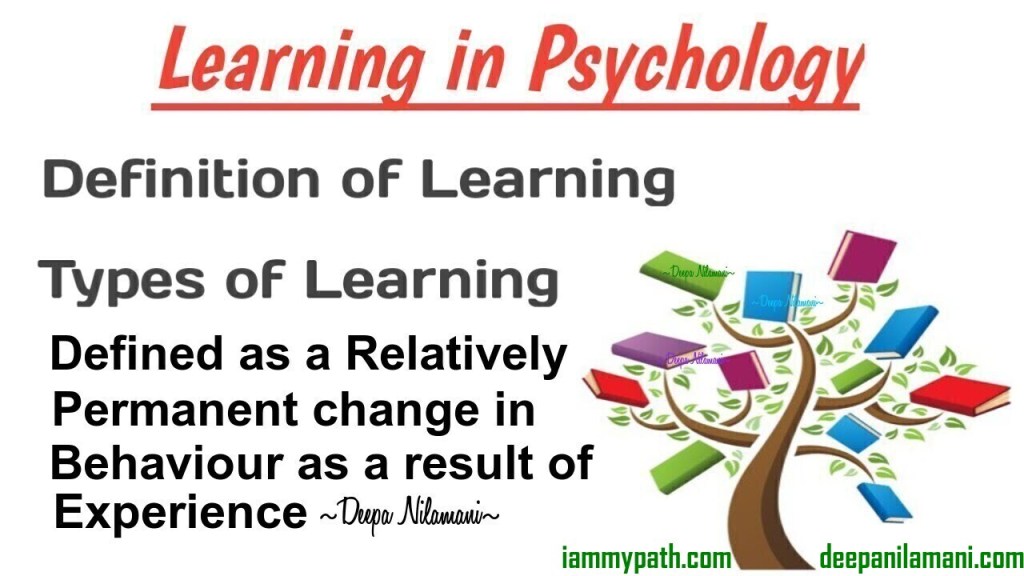
The psychology of learning encompasses a range of topics focused on how people learn and how they interact with the environments in which they learn. It is generally defined as a relatively permanent change in behaviour as a result of experience. The psychology of learning helps researchers, educators and employers understand learning processes and how they work. Psychologists agree that different methods of learning exist, and some people may find certain learning methods easier than others. Differentiating between the approaches to learning can help you understand how the environment can influence the way people learn. 

What is the psychology of learning?

The psychology of learning is a field of science that encompasses theories about how psychology relates to the ways people learn. Scientists have created many theories about learning based on different disciplines, including:

  • Behaviorism
  • Neuroscience
  • Social cognition
  • Social constructivism

What is psychology in theory of learning?

Learning theory in psychology attempts to understand what influences knowledge accumulation, retention, and development over time. While there are many theories, the five main learning theories are behavioral, cognitive, constructive, social, and experiential. Have you ever heard of the learning theory? The learning theory describes how to retain knowledge during learning. Cognitive, emotional, and environmental influences shape a person’s worldview. Behaviorists see learning as an effect of conditioning and an advocate system throughout their education. Obtaining knowledge should be a unique and productive experience for everyone. 

What is behavioral learning theory?

Behavioral learning theory, the first and most prominent perspective of the psychology of learning, is a concept that focuses on how observable events in a person’s external environment impact how they learn new behaviors. Early behaviorists looked for an alternative to relying on internal feelings and memories to describe how and why people learn the way they do. They felt a measurable, observable method would make studying the topic more approachable and reliable. It is to advance the theory, and to implement behavioral learning techniques 

A style of learning refers to an individual’s preferred way to absorb, process, comprehend and retain information. The most simple way of describing ‘learning styles’ is to say that they are different methods of learning or understanding new information, the way a person takes in, understand, expresses and remembers information. There are 4 predominant learning styles: Visual, Auditory, Read and Write, and (Kinaesthetic) kinesthetic is learning links the process of learning to physical activity. It is a learning style during which the learner has to feel or move in order to learn more effectively.

Concluding Comments

The behaviorist perspective was historically a main line of development in the psychology of learning and played a significant role in the study of language learning in the 1950s and 1960s. The cognitive perspective became influential in research on learning and cognition in the 1970s, while recent developments like connectionism and sociocognitive (Think of a time that you have learned a skill or behavior from observing another person) research continue to vitalize the study of language learning. The sociocultural perspective is the youngest of the three, but defines an area of educational research with vital activity during the last decades.


In their broad review of the field of learning and cognition, and to discuss potential future developments and relationships between these theoretical perspectives. One possibility is that the different views will live side by side, complementing each other and analyzing processes of learning at different levels. Another possibility is a somewhat more competitive relation among the perspectives, in which one perspective can provide a kind of synthesis of the others. One theoretical question for the study of how language is learned and how it impacts literacy and academic learning will be the continuing clarification of relations among research perspectives.

I hope what I have written and The Knowledge will be Useful and You have learnt new facts. And also You will be able to Enjoy going through The Picture Quotes as I have done quite bit of Making them more colourful and Attractive I am in Good Health and as, “I have been able to, “Receive Healing Energy into My Hands” since “Beginning of 2016” All my Hard work and Praying has been rewarded. Healing Energy can go to others too, and wherever it is needed to be received with a Clear Mind and Lot of Loving Kindness ❤

Latest Update: 25th March 2024. This is “The 240th Post” and with the “Introductory Page this will be all in Total up to date, 241 posts. On Top Right-Hand side, you are able to see: The word “Menu” when you click on it. You will see the word “Home” All the posts from “The Very Beginning comes ~ Under “Home”. Which is The Introductory Page about: Who I am & Why I am Writing!

Meanwhile I have been getting from WordPress:🎉 Congrats! I am My Path! is getting noticed. 365 others have started receiving updates 😀

I am Moving on as usual with “My Own Journey of Wellness, Encouraging and Healing” So that Everyone can have “Faith, Hope and to Heal” To Lead a Better Life of Good Health, Happiness and Joy”. If you click on the Link, you can Read This Post: The Therapists Voice Forward!

Thank you for Reading and The I net for the picture quotes I have shared and to https://www.online-image-editor.com/ for the Quotes I have done Myself ❤

The Topics in Green, if you “Click” on them “Will take you to My other different posts which you will be able to find more information and even Pronunciation”. I have another website with “My own little Poems and Pictures of some of My Hobbies” if you are interested on seeing, “What else I am doing” during my spare time you can have a look at: https://deepanilamani.com/

If you want to contact me by post, write to; Deepa Nilamani, 65/110-114 Johnson Street, Hillcrest, Queensland 4118, Brisbane, Australia. Remember “You have to send it “” Air Mail to come through Planes, otherwise it can come by Sea Mail from ships which will take very long”

You have to give Your correct Postal Address so that you receive to you itself ❤

September 28th, 2024, soon after My Grandfathers 135th Birthday Celebration, I have been informed that Assets has been released so that I have enough Money to” Carry on My Wish of Giving or sending Gifts All over the World under the “Wishing Star Foundation ~ Gifts!

As always, it is all free”. You can share and pass it on also for others who can benefit from this post. I hope All those who Read will be able to make the maximum use of all these facts and make, “Your Lives More Healthy and able to Lead Better lives in Happiness and Peace”. I wish it to be so as,” Peace which is our Ultimate Goal in life ❤

Sending Loving Thoughts and Healing Energies To You ❤

May God’s Blessings Be Upon You ❤

Deepa Nilamani ❤
Wishing Star ❤

Flag Counter